Cosimo Tura portréja

A 93 legnevezesebb Cosimo Tura festmény, egy galériaválaszték

Frissítve: november 2026 · rangsorolva népszerűségi pontszámunk alapján (minden mű keresései, látogatásai és megrendelései alapján) · 97 mű Cosimo Tura alkotása a katalógusunkban

Röviden

Cosimo Tura hagyatékából a leghíresebb alkotás Annunciation (1469), amely a Ferrara városi Museo del Duomo gyűjteményében található. Röviddel ezután követik őket The Madonna of the Zodiac (detail) (1459) és The Madonna of the Zodiac (1459). Katalógusunkban 97 mű található Cosimo Tura alkotótól; a galéria megőrizte a világ által leginkább csodált 93 darabot, melyeket a dátummal, a múzeummal és a történetükkel együtt mutatunk be.

1430 – 1495, Ferrara Early renaissance A legtöbb mű: Palazzo Schifanoia

Cosimo Tura legjobb 10 festménye: a galéria válogatása

1
Annunciation (1469) (1889) -ja Cosimo Tura

Annunciation

1469 · Oil On Canvas · Museo del Duomo, Ferrara

To stand before an image like Cosmè Tura’s Annunciation is to step across the threshold of time and into a moment suspended by divine grace. This masterpiece, dating from 1469, captures the pivotal instant when the Archangel Gabriel announces to the Virgin Mary that she will conceive Christ. It is not merely a depiction of a biblical event; it is an exquisitely orchestrated meditation on humility meeting the sublime. The…

2
The Madonna of the Zodiac (detail) (1459) (1889) -ja Cosimo Tura

The Madonna of the Zodiac (detail)

1459 · Tempera On Panel · Gallerie dell'Accademia di Venezia, Velence

To gaze upon this exquisite detail from Cosmè Tura’s The Madonna of the Zodiac is to be transported directly into the luminous, intellectual atmosphere of the Early Renaissance. This fragment, focusing intimately on a bird poised amidst ripe grapes, transcends mere depiction; it captures a moment suspended between earthly bounty and celestial mystery. The artist’s mastery is immediately apparent in the meticulous rendering of nature—the delicate sweep of the bird's…

3
The Madonna of the Zodiac (1459) (1889) -ja Cosimo Tura

The Madonna of the Zodiac

1459 · Oil On Panel · Gallerie dell'Accademia di Venezia, Velence

Cosmè Tura’s “Madonna of the Zodiac,” painted in 1459, isn't merely a depiction of the Virgin Mary and Child; it’s a shimmering portal into the intellectual and artistic fervor of early Renaissance Ferrara. This exquisite tempera on panel painting, now residing within the Gallerie dell’Accademia in Venice, embodies the era’s fascination with classical antiquity, burgeoning scientific thought, and deeply personal devotion. The work immediately captivates with its serene beauty –…

4
St George and the Princess (1469) (1889) -ja Cosimo Tura

St George and the Princess

1469 · Oil On Canvas · Museo del Duomo, Ferrara

To gaze upon Cosmè Tura's depiction of St George and the Princess is to step directly into the vibrant, dramatic heart of the early Renaissance. This monumental canvas, dating from 1469, is far more than a mere historical tableau; it is an epic narrative rendered in paint, capturing a moment charged with divine intervention, chivalric virtue, and profound human drama. The scene unfolds with palpable energy, centering on St George,…

5
The Madonna of the Zodiac (1459) (1889) -ja Cosimo Tura

The Madonna of the Zodiac

1459 · Oil On Panel · Gallerie dell'Accademia di Venezia, Velence

Cosmè Tura’s “Madonna of the Zodiac,” painted in 1459, is more than just a devotional image; it's a window into the burgeoning artistic landscape of early Renaissance Ferrara. This intimate portrait of the Virgin Mary cradling the infant Jesus isn’t merely a depiction of motherhood; it’s a carefully constructed allegory brimming with symbolism and reflecting the intellectual currents of its time. Tura, a Ferrarese visionary often considered the founder of…

6
Pietà (1460) (1889) -ja Cosimo Tura

Pietà

1460 · Oil On Panel · Museo Correr, Velence

Within the hushed reverence of the Museo Correr in Venice resides a painting that transcends mere representation, becoming instead an embodiment of profound sorrow and enduring faith – Cosmè Tura’s 1460 “Pietà.” More than simply a depiction of Mary cradling her son's lifeless form, this work is a cornerstone of Early Renaissance art, a testament to the artist’s mastery of technique and his ability to infuse religious subject matter with…

7
Allegory of September (detail) (1484) (1889) -ja Cosimo Tura

Allegory of September (detail)

1484 · Oil On Canvas · Palazzo Schifanoia, Ferrara

Cosmè Tura’s Allegory of September, a fresco dominating the Sala dei Nove in Palazzo Schifanoia, Ferrara, is not merely a decorative panel; it's a meticulously crafted microcosm of Late Medieval and Early Renaissance thought. Painted between 1476 and 1478 for the court of Borso d’Este, Duke of Ferrara, this monumental work offers a rare glimpse into the intellectual and artistic climate of a burgeoning city-state—a testament to Tura's exceptional skill…

8
The Virgin Annunciate (1477) (1889) -ja Cosimo Tura

The Virgin Annunciate

1477 · Oil On Panel · National Gallery, London

The painting depicts a seated female figure positioned in profile, her body turned slightly toward the viewer. She sits within an architectural setting characterized by a heavy, carved wooden chair. Her gaze is directed downwards and inwards, away from the external world. A crimson underdress is visible beneath a deep blue outer garment, which is fastened at the chest with small buttons or clasps. The fabric of her clothing displays…

9
Saints Maurelius and Paul with Niccolò Roverella (1470) (1889) -ja Cosimo Tura

Saints Maurelius and Paul with Niccolò Roverella

1470 · Oil On Panel · Palazzo Colonna, Róma

The painting Saints Maurelius and Paul with Niccolò Roverella by Cosimo Tura emerges from the shadows of history as a vital fragment of a much larger whole. This work exists as the right-hand panel of the expansive Roverella Altarpiece, a grand composition that once filled a sacred space. The Roverella family commissioned this piece, seeking to leave a lasting mark of their devotion and lineage within the religious landscape of…

10
The Annunciation with Saint Francis and Saint Louis of Toulouse [four panels] (1475) (1889) -ja Cosimo Tura

The Annunciation with Saint Francis and Saint Louis of Toulouse [four panels]

1475 · Tempera On Panel · National Gallery of Art, Washington

The Annunciation with Saint Francis and Saint Louis of Toulouse [four panels] is a religious work by the Ferrarese painter Cosimo Tura. This polyptych is divided into four distinct vertical segments. Each panel holds a single holy figure, creating a rhythmic sequence of sacred presence. The figures emerge from a deep, lapis-like blue background, set against a landscape of dark, jagged hills.

A Cosimo Tura válogatás folytatódik: 11 – 93

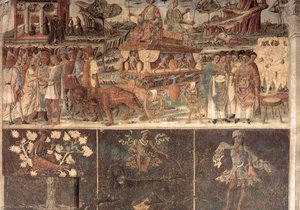
11English Allegory of June Triumph of Mercury (1484) (1889) -ja Cosimo TuraEnglish Allegory of June Triumph of Mercury1484 · Palazzo Schifanoia 12Portrait of a Young Man (1450) (1889) -ja Cosimo TuraPortrait of a Young Man1450 · Metropolitan Művészeti Múzeum 13St Anthony of Padua Reading (1475) (1889) -ja Cosimo TuraSt Anthony of Padua Reading1475 · Louvre Múzeum 14Saint John the Baptist (1474) (1889) -ja Cosimo TuraSaint John the Baptist1474 · Philadelphia Művészeti Múzeum 15The Crucifixion (1450) (1889) -ja Cosimo TuraThe Crucifixion1450 · Fitzwilliam Museum 16Untitled (AQRDZC) (1455) (1889) -ja Cosimo TuraUntitled (AQRDZC)1455 · Musée Fesch 17English A Muse (Calliope ) (1460) (1889) -ja Cosimo TuraEnglish A Muse (Calliope )1460 18The Adoration of the Magi (1480) (1889) -ja Cosimo TuraThe Adoration of the Magi1480 · Fogg Museum 19Saint Lucy and Saint Eutychia at the Shrine of Saint Agatha (1484) (1889) -ja Cosimo TuraSaint Lucy and Saint Eutychia at the Shrine of Saint Agatha1484 · Isabella Stewart Gardner Museum 20Saint Louis of Toulouse (1484) (1889) -ja Cosimo TuraSaint Louis of Toulouse1484 · Metropolitan Művészeti Múzeum 21Saint Jerome (1474) (1889) -ja Cosimo TuraSaint Jerome1474 22Pietà (panel from the Roverella Polyptych) (1474) (1889) -ja Cosimo TuraPietà (panel from the Roverella Polyptych)1474 · Louvre Múzeum 23View of the Salone dei Mesi (1484) (1889) -ja Cosimo TuraView of the Salone dei Mesi1484 · Palazzo Schifanoia 24Adoration of the Magi (from the predella of the Roverella Polyptych) (1474) (1889) -ja Cosimo TuraAdoration of the Magi (from the predella of the Roverella Polyptych)1474 25Untitled (D2WVMR) (1450) (1889) -ja Cosimo TuraUntitled (D2WVMR)1450 26Pietà (1474) (1889) -ja Cosimo TuraPietà1474 27Allegory of September (detail) (1476) (1889) -ja Cosimo TuraAllegory of September (detail)1476 · Palazzo Schifanoia 28The Muse Terpsichore (1460) (1889) -ja Cosimo TuraThe Muse Terpsichore1460 29Allegory of August: Triumph of Ceres (detail) (1476) (1889) -ja Cosimo TuraAllegory of August: Triumph of Ceres (detail)1476 · Palazzo Schifanoia 30A Muse (detail) (1455) (1889) -ja Cosimo TuraA Muse (detail)1455 · National Gallery 31St George (fragment of a panel from the Roverella Polyptych) (1474) (1889) -ja Cosimo TuraSt George (fragment of a panel from the Roverella Polyptych)1474 · Fine Arts Gallery 32Annunciation (detail) (1469) (1889) -ja Cosimo TuraAnnunciation (detail)1469 · Museo del Duomo 33Manuscript Illumination with All Saints in an Initial V, from an Antiphonary (1450) (1889) -ja Cosimo TuraManuscript Illumination with All Saints in an Initial V, from an Antiphonary1450 34Manuscript Illumination with the Presentation in the Temple in an Initial S, from a Gradual (1450) (1889) -ja Cosimo TuraManuscript Illumination with the Presentation in the Temple in an Initial S, from a Gradual1450 35Manuscript Illumination with the Assumption of the Virgin in an Initial A, from an Antiphonary (1450) (1889) -ja Cosimo TuraManuscript Illumination with the Assumption of the Virgin in an Initial A, from an Antiphonary1450 36Terpsichore (detail) (1450) (1889) -ja Cosimo TuraTerpsichore (detail)1450 · Museo Poldi Pezzoli 37Manuscript Illumination with the Presentation in the Templ in an Initial S, from a Gradual (1450) (1889) -ja Cosimo TuraManuscript Illumination with the Presentation in the Templ in an Initial S, from a Gradual1450 38Manuscript Illumination with All Saints in an Initial V, from an Antiphonary (1450) (1889) -ja Cosimo TuraManuscript Illumination with All Saints in an Initial V, from an Antiphonary1450 39Manuscript Illumination with the Assumption of the Virgin in an Initial G, from a Gradual (1450) (1889) -ja Cosimo TuraManuscript Illumination with the Assumption of the Virgin in an Initial G, from a Gradual1450 40Flight to Egypt (from the predella of the Roverella Polyptych) (1474) (1889) -ja Cosimo TuraFlight to Egypt (from the predella of the Roverella Polyptych)1474 · Metropolitan Művészeti Múzeum 41English Portrait of a Young Man (1452) (1889) -ja Cosimo TuraEnglish Portrait of a Young Man1452 42Saint George (1460) (1889) -ja Cosimo TuraSaint George1460 · Collezione Vittorio Cini 43Deutsch Madonna im Garten (1452) (1889) -ja Cosimo TuraDeutsch Madonna im Garten1452 44Madonna and Child in a Garden (1452) (1889) -ja Cosimo TuraMadonna and Child in a Garden1452 45Deutsch Porträt eines Mannes English Portrait of a prince from Este family (1452) (1889) -ja Cosimo TuraDeutsch Porträt eines Mannes English Portrait of a prince from Este family1452 46The Virgin Annunciate [middle right panel] (1480) (1889) -ja Cosimo TuraThe Virgin Annunciate [middle right panel]1480 · National Gallery of Art 47Untitled (AQRE3U) (1480) (1889) -ja Cosimo TuraUntitled (AQRE3U)1480 48Untitled (AQRE2L) (1480) (1889) -ja Cosimo TuraUntitled (AQRE2L)1480 49Alfonso d'Este (1477) (1889) -ja Cosimo TuraAlfonso d'Este1477 50Ercole I d'Este (obverse) and Eleonora of Aragon (reverse) (1477) (1889) -ja Cosimo TuraErcole I d'Este (obverse) and Eleonora of Aragon (reverse)1477 51Portrait of a Young Man (1470) (1889) -ja Cosimo TuraPortrait of a Young Man1470 · Metropolitan Művészeti Múzeum 52Deutsch Hl. Dominikus, Detail (1475) (1889) -ja Cosimo TuraDeutsch Hl. Dominikus, Detail1475 53English Allegory of August Triumph of Ceres (detail) (1484) (1889) -ja Cosimo TuraEnglish Allegory of August Triumph of Ceres (detail)1484 · Palazzo Schifanoia 54Madonna with the Child Enthroned (detail) (1474) (1889) -ja Cosimo TuraMadonna with the Child Enthroned (detail)1474 55Deutsch Jungfrau der Verkündigung (1475) (1889) -ja Cosimo TuraDeutsch Jungfrau der Verkündigung1475 56Deutsch Hl. Franz von Assisi (1475) (1889) -ja Cosimo TuraDeutsch Hl. Franz von Assisi1475 · National Gallery of Art 57St Dominic (1475) (1889) -ja Cosimo TuraSt Dominic1475 58Deutsch Hl. Maurelius von Ferrara (1475) (1889) -ja Cosimo TuraDeutsch Hl. Maurelius von Ferrara1475 · National Gallery of Art 59Deutsch Verkündigungsengel (1475) (1889) -ja Cosimo TuraDeutsch Verkündigungsengel1475 · National Gallery of Art 60English St Christopher (1484) (1889) -ja Cosimo TuraEnglish St Christopher1484 · Gemäldegalerie 61Deutsch Hl. Jacobus d. Ä (1475) (1889) -ja Cosimo TuraDeutsch Hl. Jacobus d. Ä1475 · Musée des Beaux-Arts de Caen 62Deutsch Engelpietà, Fragment (1474) (1889) -ja Cosimo TuraDeutsch Engelpietà, Fragment1474 · Kunsthistorisches Museum 63English St Sebastian (1484) (1889) -ja Cosimo TuraEnglish St Sebastian1484 · Gemäldegalerie 64English Madonna and Child in the Garden (1470) (1889) -ja Cosimo TuraEnglish Madonna and Child in the Garden1470 · National Gallery of Art 65Deutsch Hl. Hieronymus (1474) (1889) -ja Cosimo TuraDeutsch Hl. Hieronymus1474 66Allegory of August: Triumph of Ceres (detail) (1476) (1889) -ja Cosimo TuraAllegory of August: Triumph of Ceres (detail)1476 · Palazzo Schifanoia 67St John the Evangelist on Patmos (1470) (1889) -ja Cosimo TuraSt John the Evangelist on Patmos1470 · Thyssen-Bornemisza Múzeum 68English St James the Great (1475) (1889) -ja Cosimo TuraEnglish St James the Great1475 · Musée des Beaux-Arts de Caen 69Virgin Announced and St Maurelio (panels of a polyptych) (1475) (1889) -ja Cosimo TuraVirgin Announced and St Maurelio (panels of a polyptych)1475 70St Francis of Assisi and Announcing Angel (panels of a polyptych) (1475) (1889) -ja Cosimo TuraSt Francis of Assisi and Announcing Angel (panels of a polyptych)1475 71Circumcision (from the predella of the Roverella Polyptych) (1474) (1889) -ja Cosimo TuraCircumcision (from the predella of the Roverella Polyptych)1474 · Isabella Stewart Gardner Museum 72The Flight into Egypt (1470) (1889) -ja Cosimo TuraThe Flight into Egypt1470 · Metropolitan Művészeti Múzeum 73Pietà (panel from the Roverella Polyptych) (1474) (1889) -ja Cosimo TuraPietà (panel from the Roverella Polyptych)1474 · Louvre Múzeum 74Madonna with the Child Enthroned (detail) (1474) (1889) -ja Cosimo TuraMadonna with the Child Enthroned (detail)1474 · National Gallery 75English Madonna with the Child (1475) (1889) -ja Cosimo TuraEnglish Madonna with the Child1475 · Accademia Carrara 76Allegory of September (detail) (1476) (1889) -ja Cosimo TuraAllegory of September (detail)1476 · Palazzo Schifanoia 77Deutsch Reitergruppe, Fragment (1889) -ja Cosimo TuraDeutsch Reitergruppe, Fragment 78English Allegory of July Triumph of Jupiter (detail) (1484) (1889) -ja Cosimo TuraEnglish Allegory of July Triumph of Jupiter (detail)1484 · Palazzo Schifanoia 79Saint Peter (1474) (1889) -ja Cosimo TuraSaint Peter1474 · Philadelphia Művészeti Múzeum 80Deutsch Hl. Sebastian (1889) -ja Cosimo TuraDeutsch Hl. Sebastian 81Madonna of the Zodiac (1459) (1889) -ja Cosimo TuraMadonna of the Zodiac1459 · Gallerie dell'Accademia di Venezia 82Triptych (1469) (1889) -ja Cosimo TuraTriptych1469 83Italiano Pietà (1460) (1889) -ja Cosimo TuraItaliano Pietà1460 · Museo Correr 84Deutsch Hl. Dominikus (1475) (1889) -ja Cosimo TuraDeutsch Hl. Dominikus1475 85Deutsch Hl. Antonius von Padua Italiano Sant'Antonio da Padova (1484) (1889) -ja Cosimo TuraDeutsch Hl. Antonius von Padua Italiano Sant'Antonio da Padova1484 · Galleria Estense 86Untitled (AQRE2U) (1889) -ja Cosimo TuraUntitled (AQRE2U)National Gallery 87English Terpsichore (1450) (1889) -ja Cosimo TuraEnglish Terpsichore1450 · Museo Poldi Pezzoli 88Madonna with the Child Enthroned (panel from the Roverella Polyptych) (1474) (1889) -ja Cosimo TuraMadonna with the Child Enthroned (panel from the Roverella Polyptych)1474 · National Gallery 89Deutsch Gekreuzigter Christus Italiano Cristo crocifisso (1474) (1889) -ja Cosimo TuraDeutsch Gekreuzigter Christus Italiano Cristo crocifisso1474 · Pinacoteca di Brera 90English Allegory of August Triumph of Ceres (1484) (1889) -ja Cosimo TuraEnglish Allegory of August Triumph of Ceres1484 · Palazzo Schifanoia 91Deutsch Altarretabel des Hl. Maurelius, Szene Martyrium des Hl. Maurelius, Tondo (1475) (1889) -ja Cosimo TuraDeutsch Altarretabel des Hl. Maurelius, Szene Martyrium des Hl. Maurelius, Tondo1475 · Palazzo dei Diamanti 92Deutsch Altarretabel des Hl. Maurelius, Szene Verurteilung des Hl. Maurelius, Tondo (1475) (1889) -ja Cosimo TuraDeutsch Altarretabel des Hl. Maurelius, Szene Verurteilung des Hl. Maurelius, Tondo1475 · Palazzo dei Diamanti 93Deutsch Der Frühling (1460) (1889) -ja Cosimo TuraDeutsch Der Frühling1460 · National Gallery

Cosimo Tura híres festményei, korszakonként

A témák, amelyek Cosimo Tura figyelmét meghúzták

A négy leggyakorobban előforduló téma ebben az eredeti művekben, mindegyik a legkiválóbb példájával.

A műemlékek, amelyek Cosimo Tura eredeti műveit őrzik

A 8 olyan múzeum, amely a legtöbb ezen az oldalon szereplő festményet őrzi.

Múzeum Város Cosimo Tura művei Ebből a listából származó festmények
Palazzo Schifanoia, FerraraPalazzo Schifanoia Ferrara 10 Allegory of September (detail), English Allegory of June Triumph of Mercury, View of the Salone dei Mesi
National Gallery, LondonNational Gallery London 6 The Virgin Annunciate, A Muse (detail), Madonna with the Child Enthroned (detail)
National Gallery of Art, WashingtonNational Gallery of Art Washington 6 The Annunciation with Saint Francis and Saint Louis of Toulouse [four panels], The Virgin Annunciate [middle right panel], Deutsch Hl. Franz von Assisi
Metropolitan Művészeti Múzeum, New YorkMetropolitan Művészeti Múzeum New York 5 Portrait of a Young Man, Saint Louis of Toulouse, Flight to Egypt (from the predella of the Roverella Polyptych)
Gallerie dell'Accademia di Venezia, VelenceGallerie dell'Accademia di Venezia Velence 4 The Madonna of the Zodiac (detail), The Madonna of the Zodiac, The Madonna of the Zodiac
Museo del Duomo, FerraraMuseo del Duomo Ferrara 3 Annunciation, St George and the Princess, Annunciation (detail)
Louvre Múzeum, PárizsLouvre Múzeum Párizs 3 St Anthony of Padua Reading, Pietà (panel from the Roverella Polyptych), Pietà (panel from the Roverella Polyptych)
Museo Correr, VelenceMuseo Correr Velence 2 Pietà, Italiano Pietà

Cosimo Tura évtizede folgtva: az eredeti művek, amelyek meghatározzák az egyes korzakot

Művek évtizedenként

Váassz ki egy évtizedet, hogy megnézhesd az azt meghatározó eredetiműveket.

Gyűjtői kérdések Cosimo Tura festményeivel kapcsolatban

Melyik művel a(z) Cosimo Tura a leghíresebb?Fedje fel a választ

Annunciation (1469), Museo del Duomo, Ferrara. Ezután The Madonna of the Zodiac (detail) (1459) és The Madonna of the Zodiac (1459) következik.

Hány éves volt Cosimo Tura, amikor a Annunciation készült?Fedje fel a választ

39 éves: Annunciation 1469-ből származik, Cosimo Tura pedig 1430-ben született.

Melyek a tíz leghíresebb Cosimo Tura festmény?Fedje fel a választ

Annunciation, The Madonna of the Zodiac (detail), The Madonna of the Zodiac, St George and the Princess, The Madonna of the Zodiac, Pietà, Allegory of September (detail), The Virgin Annunciate, Saints Maurelius and Paul with Niccolò Roverella és The Annunciation with Saint Francis and Saint Louis of Toulouse [four panels]. A fenti rangsor a művek évszamarát és a múzeumát jelzi.

Hány festményet hagyott hátra Cosimo Tura?Fedje fel a választ

Katalógusunkban 97 mű található Cosimo Tura alkotótól, 1450 és 1484 év közötti időszakból.

Mely múzeumokban állnak Cosimo Tura remekművei?Fedje fel a választ

Leginkább Palazzo Schifanoia (Ferrara), National Gallery (London) és National Gallery of Art (Washington) található. A fenti múzeumi táblázatban mindegyik felsorolásra került.

Mely években festette Cosimo Tura leghíresebb műveit?Fedje fel a választ

1470s alatt: a jelen laphonon található 93 műből 44 készült ebben az időszakban, köztük The Virgin Annunciate.

Mikszétek az első és az utolsó híres eredeti műve a(z) Cosimo Tura alkotótól?Fedje fel a választ

Ezen az oldalon a leghitelesebb Portrait of a Young Man (1450), a legutóbbi pedig Allegory of September (detail) (1484).

Milyen témaköröket választott leggyakrabban Cosimo Tura?Fedje fel a választ

Virgin mary (13), Allegory (10) és Ferrara (7), a jelen oldalon található 93 műművészeti alkotás között.

Melyik technikát alkalmazta leggyakrabban Cosimo Tura?Fedje fel a választ

Tempera On Panel, a jelen oldalon található 93 műből 13 darab esetén.

Mely művészeti irányba tartozik Cosimo Tura?Fedje fel a választ

Early renaissance, ezen az oldalon található eredetiek alapján.

Mely Cosimo Tura művei láthatóak a Palazzo Schifanoia kiállتításán?Fedje fel a választ

Allegory of September (detail), English Allegory of June Triumph of Mercury és View of the Salone dei Mesi: a Palazzo Schifanoia, Ferrara 10 művet őrzi ezen az oldalon.

Cosimo Tura: életmű és életút

A ferrai visionary: Cosmè Tura élete és művészete

Olaszország vibráló ducális városa, Ferrara körülbelött 1430-ben született Cosmè Tura szerény körülményekből – édesapja Domenico cipész volt – emelkedett fel az early reneszánsz egyik legkülönlegesebb és legmeghatározóbb festőjévé. Bár kezdeti képzése körüli részletek még mindig kissé rejtélyesek, a művészettörténészek egy kemungkinan Galasso Galassihoz köthető tanhelyiséggel számolnak, aki egy titokzatos alak volt a neves Piero della Francesca környezetében. Ez a korai tapasztalat valószínűleg megteremtette az alapokat Tura fejlődő művészeti érzékisége számára, de az igazi kreatív szikrát az 1452 és 1456 közötti utazások gyújtották meg, amelyek során Venedekben és Paduában járhatott. Paduában találkozott Francesco Squarcione műtermével, amely a művészeti innováció kulcsfontosságú központja volt, ahol az antik világ tanulmányozása virágzott a megjelenő reneszszánsz technikákkal, mint a lineáris perspektíva és a robusztus formák. Ezek a hatások nem csupán felszívódtak, hanem egy olyan egyedi stílussá formálódtak, amely csak Tura sajátja volt: egy stílus, amelyet éles vonalak, dekoratív bőség és az almost megszállott részletesség jellemzett.

A udvari festő és innovatív stílusa

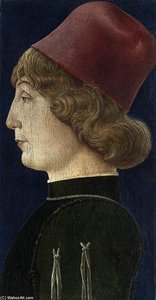
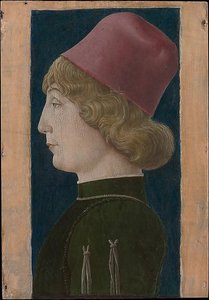
Tura pályája az Este udvaron virágzott, először Borso d'Este hódolva, majd Ercole I d’Este alatt. Ő nem csupán egy festő volt; egy sokoldalú iparos, akit nemcsak freskók és táblaképek készítésére, hanem tornaturnák tervezésére, díszes bútorok és akár ruházati artiklék megalkotására is igényeltek. Ez a töfaceted szerepkör jól mutatja az Este-házban értékelt művészeti tudás szélességét, és bőséges lehetőséget biztosított Tura számára, hogy kísérletezzen anyagokkal és technikákkal. Különösen kiemelkedik az olajfesték innovatív használata – mesteri módon manipulálta annak tulajdonságait, hogy lenyűgöző textúrákat ábrázoljon, a fémharnisék csillogó fényétől kezdve a luxus anyagok finom ráncolatáig. Ezt a technikai felkészültséget egy mélyen összetett művészeti vízió egészítette ki, amely számos hatásból táplálkozott: Fra Angelico békés spiritualitása, Piero della Francesca geometriai pontossága, Andrea Mantegna drámai rövidítése és klasszikus utalásai, valamint a flamensú festők aprólékos realizmusának. Tura azonban nem egyszerűen utánzott ezeket a mestereket; ő egy egyértelműen ferraiai esztétikává formálta őket – egy olyan stílussá, amelyet az expresszív vonalak, a bonyolult díszítés és a lenyűgöző dinamizmus határoz meg. Ennek korszakának kiemelkedő alkotásai közé tartozik az 1460-as A Muse (Detail), amely formájának és szimbolizmusának finom ábrázolását mutatja be, a korai, körülbelül 1450-es Portrait of a Renowned Young Man, valamint a későbbi, 1475-ben készült St Anthony of Padua Reading. A Pietà (1474) pedig a temperafestékkel való mesteri tudásának egy másik bizonyítéka.

Ferrarában kovácsolt örökség

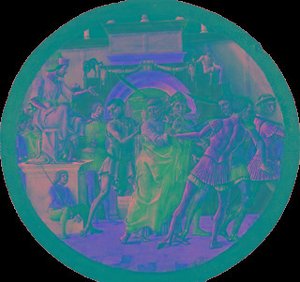
Cosmè Tura hatása messze túlmutatott az Este udvar határain. Őt joggal tekintik a Ferrara Iskola alapítójának, egy olyan művészeti mozgalom szül Karaként, amely a 15. század végén virágzott, és jelentős befolyást gyakorolt az olasz festők későbbi generációira is. Stílusa – amelyet gyakran egyedi, sőt néha zavarónak is jellemeznek – lenyűgözte kortársait, és ma is izgatja a művészettörténészeket. Vonalainak expresszív energiája, díszelemek fantasztikus minősége és az alkotási konvenciók határain múlni való hajlama megkülönböztette számos kortársától. Olyan művészeket is befolyásolt, mint Giovanni Andrea Ghirardoni, aki Tura 1495-ös halála után is továbbfejlesztette a ferraiai stílust. Ma alkotásainak példái világszerte találhatóak múzeumokban és gyűjteményekben, de jelentős koncentrációban maradtak éppen Ferrarában, különösen a Museo del Duomo és a Palazzo Schifanoia épületekben – utóbbi pompás freszkókkal büszkélkedhet, ahol Tura keze egyértelmén látható.

Hatások és maradandó jelentőség

Ahhoz, hogy megértsük Cosmè Tura művészeti eredményeit, elengedhetetlen felismerni az azon viszióját formáló hatások összetett hálóját. iránti meghálása egyértelműen látható vallásos műveinek devóciós intenzitásában, míg perspektíva- és geometriai mestersége nyújtotta a kompozícióinak szerkezeti alapját. művészetének drámai ereje és klasszikus utalásai szintén mélyen rezonáltak Tura-ban, arra inspirálva őt, hogy innovatív módszereket fedezzen fel a tér és az anatómia ábrázolásához. Emellett a való találkozás valószínűleg ösztönözte az olajfesték alkalmazását mint médiumot, lehetővé téve a nagyobb részletgazdagságot és texturális árnyalatokat. lehetséges mentorálása, bár rejtélybe burkolózott, az alapvető művészeti elvek kezdeti elsajátítását biztosíthatta. Cosmè Tura öröksége nemcsak festményeinek szépségében és eredetiségében rejlik, hanem hozzájárulásában is az olasz reneszánsz művészet fejlődéséhez. Képes volt különféle hatásokat egy egységes és meggyőző stílussá összeértelemzésre, amivel Ferrarát a művészeti innováció jelentős központjává tette, és maradandó nyomot hagyott a festészet történetében.