Carl Heinrich Bloch portréja

A 65 legnevesebbebb Carl Heinrich Bloch festmény, mindegyik egyedistens

Frissítve: október 2026 · rangsorolva népszerűségi pontszámunk alapján (minden mű keresései, látogatásai és megrendelései alapján) · 65 mű Carl Heinrich Bloch alkotása a katalógusunkban

Röviden

Egy római csárda-benn (1866) az a Carl Heinrich Bloch festmény, amely a legtöbb tekintetet felvonja; az eredeti mű a Statens Museum for Kunst gyűjteményében található, Koppenhága. Ezután a tekintet The Last Supper (1876) és Jesus Raises Lazarus from the Dead (1871) elemre irányul. A Carl Heinrich Bloch 65 műve közül a katalógusunkban megtalálható 65 legnépesebb alkotás, melyeket az év, a múzeum és az örökévalóságának okai kísérnek.

1834 – 1890, Koppenhága Romantic realism A legtöbb mű: Statens Museum for Kunst

A galéria szemével: Carl Heinrich Bloch legjobb 10 festménye

1
Egy római csárda-benn (1866) szerzője Carl Heinrich Bloch

Egy római csárda-benn

1866 · Olajfestmény vászonon · Statens Museum for Kunst, Koppenhága

A 19. század közepén az olasz kultúra melegére és vitalitására irányuló mély rajongás áradt át Észak-Európa művészeti köreit. Carl Heinrich Bloch 1866-os remekműve, Egy római csárda-benn, lenyűgöző bizonyítékolyként áll e korszak előtt, sokkal többet kínálva, mint puszta társasági életpillanatkép. Ez egy ablak a társas részek világába, ahol a néző és a válogatott alakok közötti határok szinte feloldódnak a lobogó gyertyafény és a megosztott bor illata között. Ahogy valaki elmerül ezen…

2
The Last Supper (1876) szerzője Carl Heinrich Bloch

The Last Supper

1876 · Oil On Canvas

In this oil painting on canvas, twelve figures sit around a long, rectangular table within an enclosed room. Jesus occupies the center of the composition at the head of the table. The scene is illuminated by light entering from a window located on the right side of the frame. This light source casts shadows across the faces and clothing of the disciples, defining their physical forms. The background contains architectural…

3
Jesus Raises Lazarus from the Dead (1871) szerzője Carl Heinrich Bloch

Jesus Raises Lazarus from the Dead

1871 · Oil On Canvas

Jesus Raises Lazarus from the Dead is an oil on canvas work by the Danish artist Carl Heinrich Bloch. Created in 1871, the painting captures a central moment from Christian scripture: the resurrection of Lazarus by Jesus Christ. The scene focuses on the miraculous event as it unfolds before a group of onlookers.

4
Let the Little Children Come unto Me szerzője Carl Heinrich Bloch

Let the Little Children Come unto Me

Oil

In this intimate scene, we find Jesus at the center of a gathering that feels both profound and deeply human. He is surrounded by children, some sitting upon the ground and others standing, all drawn toward him by an invisible pull of curiosity and reverence. There is a palpable sense of movement in the air, a gentle energy that arises from the children's attentive faces and the soft, expressive gestures…

5
Christ in Gethsemane (1875) szerzője Carl Heinrich Bloch

Christ in Gethsemane

1875

The Artist: Carl Heinrich Bloch Carl Heinrich Bloch (1834-1890) was a renowned Danish painter, known for his religious and historical works. Born in Copenhagen, he studied at the Royal Danish Academy of Art under Wilhelm Marstrand. Later, he traveled to Italy, where he became acquainted with the work of Rembrandt, which greatly influenced his style. The Painting: 'Christ in Gethsemane' 'Christ in Gethsemane' is one of Bloch's most famous and…

6
Sermon on the Mount (1877) szerzője Carl Heinrich Bloch

Sermon on the Mount

1877 · Oil On Canvas

In this work, titled Sermon on the Mount, we encounter a significant piece by the Danish painter Carl Bloch. Created around 1877, the painting belongs to a substantial body of work known as the Frederiksborg Castle commission. This series was specifically intended for the King's Oratory within Frederiksborg Castle, marking a period of profound creative focus for the artist.

7
The Twelve-Year-Old Jesus in the Temple (1869) szerzője Carl Heinrich Bloch

The Twelve-Year-Old Jesus in the Temple

1869 · Oil On Copper

In The Twelve-Year-Old Jesus in the Temple, Carl Bloch captures a profound moment of discovery within the temple courts. This work, painted by Carl Bloch, illustrates the specific narrative found in the biblical passage Luke 2:41-52. It depicts the moment Mary and Joseph finally locate their son after a three-day search through Jerusalem. The scene focuses on the young Jesus, who is surrounded by a gathering of people within the…

8
The Meeting of Mary and Elizabeth (1866) szerzője Carl Heinrich Bloch

The Meeting of Mary and Elizabeth

1866 · Oil On Canvas

In the quiet, luminous atmosphere of Carl Heinrich Bloch’s 1866 masterpiece, "The Meeting of Mary and Elizabeth," we are invited into a moment of profound spiritual significance. This painting captures the biblical Visitation, the sacred instant when Mary, carrying the unborn Jesus, encounters her cousin Elizabeth, who is pregnant with John the Baptist. The scene is far more than a mere historical reenactment; it is an intimate study of connection,…

9
The Denial of Peter szerzője Carl Heinrich Bloch

The Denial of Peter

Oil On Copper

The Denial of Peter by the Danish artist Carl Heinrich Bloch captures a heavy, fractured moment from the Gospel of Luke. In this scene, Peter denies knowing Jesus three times. The air holds the weight of a prophecy fulfilled: the rooster's cry will soon pierce the silence, marking the moment Peter's words undo his devotion. It is a significant piece in the history of art, freezing the instant where human…

10
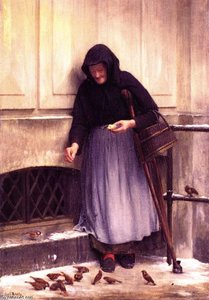
The Woman with the Sparrows (1886) szerzője Carl Heinrich Bloch

The Woman with the Sparrows

1886

A woman sits by a window, her black dress absorbing the light. She wears a hooded shawl that frames a face turned toward a small, intimate miracle. Her hand rests upon the sill, a steady anchor in a world of movement. From her open palm, small birds descend. They are sparrows, seeking sustenance in the stillness of the room. A handbag rests nearby on the floor, a silent witness to…

Carl Heinrich Bloch híres festményei, 11 és 65 között

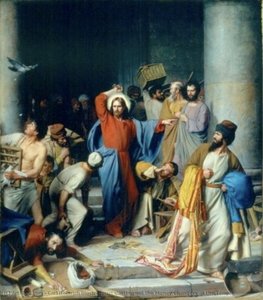
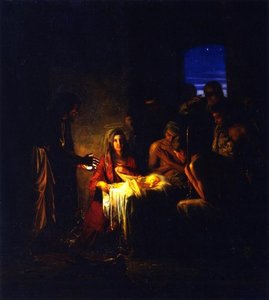
11Healing of the Blind Man (1871) szerzője Carl Heinrich BlochHealing of the Blind Man1871 12A Fisherman from Sorrento, Italy (1860) szerzője Carl Heinrich BlochA Fisherman from Sorrento, Italy1860 · Statens Museum for Kunst 13En gammel bondekone, der ser ud af et vindue (1874) szerzője Carl Heinrich BlochEn gammel bondekone, der ser ud af et vindue1874 · Statens Museum for Kunst 14The Transfiguration (1872) szerzője Carl Heinrich BlochThe Transfiguration1872 · Frederiksborg Palace 15A Fishwife (1875) szerzője Carl Heinrich BlochA Fishwife1875 · Statens Museum for Kunst 16The Artist’s Parents, Mr. and Mrs. J. P. Bloch in Their Sitting Room (1855) szerzője Carl Heinrich BlochThe Artist’s Parents, Mr. and Mrs. J. P. Bloch in Their Sitting Room1855 17The Daughter of Jairius (1863) szerzője Carl Heinrich BlochThe Daughter of Jairius1863 · Statens Museum for Kunst 18Christ on the Cross (1870) szerzője Carl Heinrich BlochChrist on the Cross1870 19Fishermen's families avaiting their return in an approsching storm. From the west coast of Jutland. (1858) szerzője Carl Heinrich BlochFishermen's families avaiting their return in an approsching storm. From the west coast of Jutland.1858 · Hirschsprung Collection 20Two monks (1861) szerzője Carl Heinrich BlochTwo monks1861 21Prometheus Unbound (1864) szerzője Carl Heinrich BlochPrometheus Unbound1864 · Ribe Kunstmuseum 22The Artist's Wife, Alma Bloch, née Trepka (1868) szerzője Carl Heinrich BlochThe Artist's Wife, Alma Bloch, née Trepka1868 · Statens Museum for Kunst 23A boy on a bench. (1871) szerzője Carl Heinrich BlochA boy on a bench.1871 24The Temptation of Jesus (1868) szerzője Carl Heinrich BlochThe Temptation of Jesus1868 25Two women talking (1874) szerzője Carl Heinrich BlochTwo women talking1874 · Nivaagaards Malerisamling 26Still Life with Fish (1878) szerzője Carl Heinrich BlochStill Life with Fish1878 · Statens Museum for Kunst 27A girl in white dress (1873) szerzője Carl Heinrich BlochA girl in white dress1873 28Jesus Casting out the Money Changers at the Temple (1874) szerzője Carl Heinrich BlochJesus Casting out the Money Changers at the Temple1874 29A Fransciscan monk (1873) szerzője Carl Heinrich BlochA Fransciscan monk1873 30Reading lady (1882) szerzője Carl Heinrich BlochReading lady1882 31Windy weather (1885) szerzője Carl Heinrich BlochWindy weather1885 32Christ and the Sinner (1890) szerzője Carl Heinrich BlochChrist and the Sinner1890 33Portrait of Clara Emilie Rose Bloch (1886) szerzője Carl Heinrich BlochPortrait of Clara Emilie Rose Bloch1886 34A baker cooling off (1888) szerzője Carl Heinrich BlochA baker cooling off1888 35A girl washing herself for carnival (1887) szerzője Carl Heinrich BlochA girl washing herself for carnival1887 36Landscape from Hellebæk (1886) szerzője Carl Heinrich BlochLandscape from Hellebæk1886 37Adoration of the Shepherds (1882) szerzője Carl Heinrich BlochAdoration of the Shepherds1882 · Nationalmuseum 38En ung pige, der lugter til en rose (1889) szerzője Carl Heinrich BlochEn ung pige, der lugter til en rose1889 · Statens Museum for Kunst 39Öreg emberek (1874) szerzője Carl Heinrich BlochÖreg emberek1874 · Hirschsprung Collection 40Self Portrait (1886) szerzője Carl Heinrich BlochSelf Portrait1886 41En forstyrret middagssøvn (1870) szerzője Carl Heinrich BlochEn forstyrret middagssøvn1870 · Statens Museum for Kunst 42Evening at a moonlit lake. (1871) szerzője Carl Heinrich BlochEvening at a moonlit lake.1871 43Massacre of the Innocents (1868) szerzője Carl Heinrich BlochMassacre of the Innocents1868 44The Wedding at Cana (1870) szerzője Carl Heinrich BlochThe Wedding at Cana1870 45Rear view of a writing man with a hat (1866) szerzője Carl Heinrich BlochRear view of a writing man with a hat1866 46The Holy Night (1867) szerzője Carl Heinrich BlochThe Holy Night1867 47The Resurrection (1873) szerzője Carl Heinrich BlochThe Resurrection1873 48Christus Colsulator (1875) szerzője Carl Heinrich BlochChristus Colsulator1875 49Jesus and the Samaritan Woman (1872) szerzője Carl Heinrich BlochJesus and the Samaritan Woman1872 50Cleansing of the Temple (1874) szerzője Carl Heinrich BlochCleansing of the Temple1874 51A Slaughterhouse in Hellebæk (1884) szerzője Carl Heinrich BlochA Slaughterhouse in Hellebæk1884 · Statens Museum for Kunst 52A conversation between two fishermen, Hornbæk (1880) szerzője Carl Heinrich BlochA conversation between two fishermen, Hornbæk1880 53The Shepherds and the Angel (1879) szerzője Carl Heinrich BlochThe Shepherds and the Angel1879 54Landscape at Ellekilde in North Zealand. Sunset. (1889) szerzője Carl Heinrich BlochLandscape at Ellekilde in North Zealand. Sunset.1889 · Statens Museum for Kunst 55Descent from the Cross (1886) szerzője Carl Heinrich BlochDescent from the Cross1886 · Statens Museum for Kunst 56Stone beach shore (1889) szerzője Carl Heinrich BlochStone beach shore1889 57View of the sea (1887) szerzője Carl Heinrich BlochView of the sea1887 58Man in profile szerzője Carl Heinrich BlochMan in profile 59Let's go for a Swim! szerzője Carl Heinrich BlochLet's go for a Swim!Statens Museum for Kunst 60Surprise! szerzője Carl Heinrich BlochSurprise! 61View of the Roman Campagna (preparatory study for To Munke, Aften) szerzője Carl Heinrich BlochView of the Roman Campagna (preparatory study for To Munke, Aften) 62Temple ruins (from Paestum?) szerzője Carl Heinrich BlochTemple ruins (from Paestum?) 63Samson and the Philistines (1863) szerzője Carl Heinrich BlochSamson and the Philistines1863 · Statens Museum for Kunst 64Prometheus' Liberation (1864) szerzője Carl Heinrich BlochPrometheus' Liberation1864 65Christian II in Prison at Sonderborg Castle (1871) szerzője Carl Heinrich BlochChristian II in Prison at Sonderborg Castle1871 · Statens Museum for Kunst

A témák, amelyek Carl Heinrich Bloch figyelmét meghúzták

A négy leggyakorobban előforduló téma ebben az eredeti művekben, mindegyik a legkiválóbb példájával.

A műemlékek, amelyek Carl Heinrich Bloch eredeti műveit őrzik

A 6 olyan múzeum, amely a legtöbb ezen az oldalon szereplő festményet őrzi.

Múzeumok Város Carl Heinrich Bloch művei Ebből a listából származó festmények
Statens Museum for Kunst, KoppenhágaStatens Museum for Kunst Koppenhága 15 Egy római csárda-benn, A Fisherman from Sorrento, Italy, En gammel bondekone, der ser ud af et vindue
Hirschsprung Collection, KoppenhágaHirschsprung Collection Koppenhága 2 Fishermen's families avaiting their return in an approsching storm. From the west coast of Jutland., Öreg emberek
Frederiksborg Palace, HillerødFrederiksborg Palace Hillerød 1 The Transfiguration
Ribe Kunstmuseum, EsbjergRibe Kunstmuseum Esbjerg 1 Prometheus Unbound
Nivaagaards Malerisamling, NibeNivaagaards Malerisamling Nibe 1 Two women talking
Nationalmuseum, StockholmNationalmuseum Stockholm 1 Adoration of the Shepherds

Carl Heinrich Bloch évtizedekig: egy egyedi eredeti mű minden évtizedben

Művek évtizedenként

Váassz ki egy évtizedet, hogy megnézhesd az azt meghatározó eredetiműveket.

Carl Heinrich Bloch festményei: kérdések a galériának

Mi a leghíresebb műve Carl Heinrich Blochnek?Fedje fel a választ

Egy római csárda-benn (1866), Statens Museum for Kunst, Koppenhága. Ezután The Last Supper (1876) és Jesus Raises Lazarus from the Dead (1871) következik.

Milyen életkorában alkotta meg Carl Heinrich Bloch a(z) Egy római csárda-benn műszt?Fedje fel a választ

32 éves: Egy római csárda-benn 1866-ből származik, Carl Heinrich Bloch pedig 1834-ben született.

Melyik tíz festménye Carl Heinrich Bloch a leghíresebb?Fedje fel a választ

Egy római csárda-benn, The Last Supper, Jesus Raises Lazarus from the Dead, Let the Little Children Come unto Me, Christ in Gethsemane, Sermon on the Mount, The Twelve-Year-Old Jesus in the Temple, The Meeting of Mary and Elizabeth, The Denial of Peter és The Woman with the Sparrows. A fenti rangsor a művek évszamarát és a múzeumát jelzi.

Hány mű alkotása ismert Carl Heinrich Bloch nevében?Fedje fel a választ

Katalógusunkban 65 mű található Carl Heinrich Bloch alkotótól, 1855 és 1890 év közötti időszakból.

Hol tekinthetők meg a leghíresebb Carl Heinrich Bloch eredetijeit?Fedje fel a választ

Leginkább Statens Museum for Kunst (Koppenhága), Hirschsprung Collection (Koppenhága) és Frederiksborg Palace (Hillerød) található. A fenti múzeumi táblázatban mindegyik felsorolásra került.

Melyik időszakban alkotta Carl Heinrich Bloch a leghíresebb festményeit?Fedje fel a választ

1870s alatt: a jelen laphonon található 65 műből 25 készült ebben az időszakban, köztük The Last Supper.

Melyik híres Carl Heinrich Bloch festmény a legkorábbi, és melyik a legutóbb készült?Fedje fel a választ

Ezen az oldalon a leghitelesebb The Artist’s Parents, Mr. and Mrs. J. P. Bloch in Their Sitting Room (1855), a legutóbbi pedig Christ and the Sinner (1890).

Milyen témakörket kedvelt Carl Heinrich Bloch?Fedje fel a választ

People (8), Woman (7) és Jesus (5), a jelen oldalon található 65 műművészeti alkotás között.

Milyen anyagokkal festett leggyakrabban Carl Heinrich Bloch?Fedje fel a választ

Oil On Canvas, a jelen oldalon található 65 műből 12 darab esetén.

Mely művészeti irányba tartozik Carl Heinrich Bloch műve?Fedje fel a választ

Romantic realism, ezen az oldalon található eredetiek alapján.

Milyen Carl Heinrich Bloch eredeti műveket láthatok a Statens Museum for Kunst kiállításaiban?Fedje fel a választ

Egy római csárda-benn, A Fisherman from Sorrento, Italy és En gammel bondekone, der ser ud af et vindue: a Statens Museum for Kunst, Koppenhága 15 művet őrzi ezen az oldalon.

Carl Heinrich Bloch: a művész portréja

Carl Heinrich Bloch élete és hite

Carl Heinrich Bloch, aki 1834. május 23-án született Koppenhágában, dán festő volt, akinek nevét mélyen megható bibliai történetek ábrázolásai és a mindennapi élet csendes méltósága szinonimájává vált. Művészi útja kezdetben nem nyert támogatást szüleidtől, akik hagyományosabb pályát képzeltek el fiuk számára – egy tengerészeti karriert. Bloch azonban rendíthetetlen szenvedélye a művészet iránt ellenállhatatlannak bizonyult, ami 1855-ben beiratkozott a Királyi Dán Képzőművészeti Akadémiára Wilhelm Marstrand tanítványaként. Ez a hivatalos képzés elengedhetetlen alapot fektetett művészi fejlődéséhez, csiszolva készségeit és formálva esztétikai érzékenységét. Korai munkái éles megfigyelőképességet mutattak, fókuszálva a vidéki jelenetekre, és figyelemreméltó érzékenységgel rögzítve a hétköznapi élet esszenciáját.

Olasz felvilágosodás és művészi érés

Egy fordulópont Bloch művészi fejlődésében 1859 és 1866 között Olaszországban töltött kiterjedt időszak volt. Ez az időszak sorsfordítóvá vált, rengeteg művészeti örökséggel szembesítve őt, és mélyen befolyásolva stílusát. Éppen ezekben az években találkozott Rembrandt van Rijn alkotásaival, egy találkozással, amely maradandóan megváltoztatta festészeti megközelítését. A holland mester fény és árnyék használata – a megvilágítás és a sötétség drámai játéka – mélyen rezonált Bloch-nál, saját munkájának meghatározó jellemzőjévé vált. Nemcsak technikai szempontokat asszimilált, hanem azt az érzelmi mélységet és pszichológiai betekintést is, amelyet Rembrandt vásznaiba hozott. Rómában személyes boldogságot talált, 1868-ban feleségül vette Alma Trepkát; házasságuk örömöt jelentett egészen a korai haláláig 1886-ban, egy esemény, amely hosszú árnyékot vetett későbbi éveire.

Siker Frederiksborgban és maradandó örökség

Bloch hírnevének emelkedése 1865-ben a Koppenhágában kiállított Prometheus felszabadításával kezdődött, ami fordulópontot jelentett karrierjében. Gyorsan elismert művész lett, sikeresen váltotta Marstrandot az Amszterdami Egyetem ünnepélyes termének díszítésében. Azonban 1865 és 1879 között Frederiksborg Palota királyi kápolnájának huszonhárom festményt készítő megbízása pecsételte meg örökségét. Krisztus életéből vett jeleneteit – lélegzetelállító részlettel és érzelmi intenzitással ábrázolva – rendkívül népszerűvé váltak, és széles körben tartják legkiemelkedőbb alkotásainak. Ezeknek a képeknek az ereje Dánia határain túl is elterjedt; Bloch ezután oltárképeket készített a Frederiksborg festmények alapján, amelyek otthonra találtak Dánia és Svédország egyházaiban.

Stílus, hatások és tartós hatás

Bloch művészi stílusa a realizmus és a romantika meggyőző ötvözete volt. Kiemelkedő képességgel rendelkezett bibliai történetek történelmi pontossággal és mély érzelmi rezonanciával való ábrázolására. Rembrandt hatása tagadhatatlan a fény és árnyék mesteri manipulációjában, ami drámai effektusokat hoz létre, amelyek fokozzák a spiritualitás és az emberi dráma érzését. Emellett a dán művészet „Eckersberg-hagyományához” is tartozott, egy iskolához, amely elkötelezettsége a realizmus iránt és nemzeti témái miatt ismert. Bloch munkája technikai tudása mellett valódi empátiájával és lelki mélységével rezonált a közönséggel. Festményei nem csupán illusztrációk voltak; meghívások voltak a hit, a szenvedés és a megváltás elmélkedésére. Hatása messze túlmutat a képzőművészet határain. A Jézus Krisztus Egyháza kiterjedten használta Bloch Frederiksborg Palota festményeit egyházépületeiben és nyomtatott anyagaiban, felismerve azok erejét a bibliai történetek világossággal és érzelmi erővel való közvetítésében. Még vizuális referenciaként is szolgáltak bibliai történeteket ábrázoló filmek számára. H.C. Andersen, a híres dán író felismerte Bloch kivételes tehetségét, megjósolva, hogy „nemes lesz itt a Földön”, és felemelkedik „a művészet nagy mennyországába”. Karl Madsen hasonlóan kijelentette őt az „egyetemes nemesek” közé. Carl Heinrich Bloch 1890. február 22-én hunyt el Koppenhágában, és egy olyan munkásságot hagyott maga után, amely továbbra is csodálatot és tiszteletet vált ki. Festményei tanúbizonysága művészi zsenialitásának és tartós hitének – egy örökségnek, amely biztosítja helyét a 19. század egyik legelismertebb vallási művészeként.