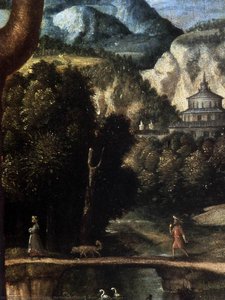
Bernardino Luini portréja

A 100 legnevesebbebb Bernardino Luini festmény, mindegyik egyedistens

Frissítve: október 2026 · rangsorolva népszerűségi pontszámunk alapján (minden mű keresései, látogatásai és megrendelései alapján) · 129 mű Bernardino Luini alkotása a katalógusunkban

Röviden

Keresztmetszés (1530) az a Bernardino Luini festmény, amely a legtöbb tekintetet felvonja; az eredeti mű a Hermitaeus-múzeum gyűjteményében található, Szentpétervár. Ezután a tekintet The Martyrdom of St Maurice (1510) és Christ Child (1506) elemre irányul. A Bernardino Luini 129 műve közül a katalógusunkban megtalálható 100 legnépesebb alkotás, melyeket az év, a múzeum és az örökévalóságának okai kísérnek.

1480 – 1532, Dumenza Érett reneszánsz A legtöbb mű: National Gallery of Art

A galéria szemével: Bernardino Luini legjobb 10 festménye

1
Keresztmetszés (1530) (1889) -ja Bernardino Luini

Keresztmetszés

1530 · Olajfestmény vászonon · Hermitaeus-múzeum, Szentpétervár

Bernardino Luini 1530-as „Keresztmetszés” című festménye nem csupán egy bibliai esemény ábrázolása; egy mély éreztetés a szomorúból, a hiteből és az emberi szenvedés méltóságából. A sztálinvári Ermitázs collectionében otthonozó, vásznon festett alkotás meghaladja szerény méreteit (90 x 74 cm), és egy monumentális érzelmi rezonanciát áraszt, amely évszázadok óta lenyűgözi a nézőket. Luini, a milánai reneszánsz kulcsfontosságú alakja, bÁziját a technikai precizitással és a mélyen érezett spiritualitással, olyan képet erschakintva, amely…

3
Christ Child (1506) (1889) -ja Bernardino Luini

Christ Child

1506 · Oil On Panel · Bavári Állami Festırménygyűjtemények, Munchen

In 1506, Bernardino Luini rendered the Christ Child, a work of religious art that captures a singular, quiet moment of divinity. The infant stands centered against a dark, receding space. He holds a slender staff topped with a small cross, a tool of victory held by a child. Beneath his foot rests a human skull, a pale reminder of mortality resting under the weight of new life. A serpent coils…

4
Mary with Child (1510) (1889) -ja Bernardino Luini

Mary with Child

1510 · Oil On Panel · Kunsthistorisches Museum, Bécs

In this intimate portrait from 1510, we find ourselves drawn into a private space shared between mother and child. The composition focuses closely on the upper bodies of Mary and the Christ Child, set against a dark, undifferentiated background that allows the figures to emerge with a striking presence. There is a profound sense of maternal tenderness here, captured through the soft transitions of tone and a gentle, naturalistic approach…

5
The Christ Child and the Infant John the Baptist with a Lamb (1519) (1889) -ja Bernardino Luini

The Christ Child and the Infant John the Baptist with a Lamb

1519 · Oil · Kanadai Nemzeti Galéria, Ottawa

Two young, nude children interact within a dark, naturalistic setting, their forms illuminated by a soft, diffused light. The composition follows a triangular arrangement, centering the viewer's attention on the interaction between the figures and a small lamb. This arrangement creates a sense of balance and stability, characteristic of the High Renaissance. The skin tones of the children appear warm and fleshy, contrasting sharply against the deep greens and blacks…

7
St Sebastian (1526) (1889) -ja Bernardino Luini

St Sebastian

1526 · Oil On Canvas · Hermitaeus-múzeum, Szentpétervár

The Martyrdom of Saint Sebastian A male figure is bound to a dark tree trunk, his torso pierced by numerous arrows. The composition focuses on the physical vulnerability of the saint, whose pale skin contrasts against deep browns and shadows. His gaze is directed upward, suggesting an appeal to a higher power or an acceptance of fate. A small Latin inscription appears on a plaque near his right shoulder. At…

8
Crucifixion and Scenes from the Life of Christ (1529) (1889) -ja Bernardino Luini

Crucifixion and Scenes from the Life of Christ

1529 · Fresco · Santa Maria degli Angeli, Lugano

This fresco depicts the crucifixion of Jesus Christ, positioned as the central focus of a complex and detailed scene. The figure of Christ is mounted on the cross, surrounded by a gathering of various individuals. To his side, a person stands holding a flag, while other figures populate the immediate vicinity, including a man with a shield and a woman wearing a crown. The arrangement of these figures creates a…

9
Madonna and Child (1501) (1889) -ja Bernardino Luini

Madonna and Child

1501 · Oil · Smithsonian American Art Museum, Washington, D.C.

The composition follows a diagonal movement from the upper right toward the lower left. A woman, the Madonna, is positioned with her arm extended toward the infant Jesus. She wears a crimson bodice and a dark navy mantle that falls in heavy, tactile folds. Her skin and the flesh of the child are illuminated against an indeterminate, near-black background. This use of chiaroscuro creates a sense of three-dimensionality, pulling the…

10
Virgin and Child Enthroned with Saint John the Baptist, Saint Antoninus, a Female Donor and a Beggar (1526) (1889) -ja Bernardino Luini

Virgin and Child Enthroned with Saint John the Baptist, Saint Antoninus, a Female Donor and a Beggar

1526 · Oil On Panel · Courtauld Gallery, London

To gaze upon this magnificent depiction of the Virgin Mary enthroned with the Christ Child is to step directly into the profound spiritual atmosphere of the early Italian Renaissance. This work, executed around 1526 by Bernardino Luini, immediately commands attention through its solemn grandeur and meticulous detail. The composition centers on the divine triad—Mary holding her radiant son upon an ornate throne—a focal point that anchors the entire narrative. Flanking…

Bernardino Luini híres festményei, 11 és 100 között

11Mary with Christ Child and John the Baptist (1500) (1889) -ja Bernardino LuiniMary with Christ Child and John the Baptist1500 12Three Marys (1500) (1889) -ja Bernardino LuiniThree Marys1500 · New York Historical Society 13Madonna and Child with St John (1506) (1889) -ja Bernardino LuiniMadonna and Child with St John1506 · Bavári Állami Festırménygyűjtemények 14Lamentation over the Dead Christ (1517) (1889) -ja Bernardino LuiniLamentation over the Dead Christ1517 · Museum of Fine Arts, Houston 15Virgin and Child with St. John (1529) (1889) -ja Bernardino LuiniVirgin and Child with St. John1529 · Statens Museum for Kunst 16St Catherine of Alexandria (1513) (1889) -ja Bernardino LuiniSt Catherine of Alexandria1513 · Statens Museum for Kunst 17The infant Jesus with a Lamb (1525) (1889) -ja Bernardino LuiniThe infant Jesus with a Lamb1525 · Biblioteca Ambrosiana 18The Virgin and Child with Saint John (1510) (1889) -ja Bernardino LuiniThe Virgin and Child with Saint John1510 · National Gallery 19Bust of a Young Girl with Loose Hair (1521) (1889) -ja Bernardino LuiniBust of a Young Girl with Loose Hair1521 · Musée Condé 20The Virgin and Child with an Angel, known as Madonna of Menaggio (1525) (1889) -ja Bernardino LuiniThe Virgin and Child with an Angel, known as Madonna of Menaggio1525 21Girl Picking Flowers (1521) (1889) -ja Bernardino LuiniGirl Picking Flowers1521 · Gemäldegalerie 22Holy Family (1520) (1889) -ja Bernardino LuiniHoly Family1520 23Madonna with the Christ Child (1520) (1889) -ja Bernardino LuiniMadonna with the Christ Child1520 · Nivaagaards Malerisamling 24The Madonna and Child with Saint George and an angel (1530) (1889) -ja Bernardino LuiniThe Madonna and Child with Saint George and an angel1530 25Nativity (1520) (1889) -ja Bernardino LuiniNativity1520 26Saint Catherine of Alexandria (1520) (1889) -ja Bernardino LuiniSaint Catherine of Alexandria1520 · Royal Collection 27Flora (1530) (1889) -ja Bernardino LuiniFlora1530 · Royal Collection 28Procris Pierced by Cephalus' Javelin (1520) (1889) -ja Bernardino LuiniProcris Pierced by Cephalus' Javelin1520 · National Gallery of Art 29Procris' Prayer to Diana (1520) (1889) -ja Bernardino LuiniProcris' Prayer to Diana1520 · National Gallery of Art 30The Misfortunes of Cephalus (1520) (1889) -ja Bernardino LuiniThe Misfortunes of Cephalus1520 · National Gallery of Art 31The Despair of Cephalus (1520) (1889) -ja Bernardino LuiniThe Despair of Cephalus1520 · National Gallery of Art 32Cephalus Punished at the Hunt (1522) (1889) -ja Bernardino LuiniCephalus Punished at the Hunt1522 · National Gallery of Art 33Cephalus Hiding the Jewels (1520) (1889) -ja Bernardino LuiniCephalus Hiding the Jewels1520 · National Gallery of Art 34Cephalus and Pan at the Temple of Diana (1520) (1889) -ja Bernardino LuiniCephalus and Pan at the Temple of Diana1520 · National Gallery of Art 35Adoration of the Magi (1520) (1889) -ja Bernardino LuiniAdoration of the Magi1520 36The Birth of Christ (1525) (1889) -ja Bernardino LuiniThe Birth of Christ1525 · Gemäldegalerie 37Head of a Girl (1523) (1889) -ja Bernardino LuiniHead of a Girl1523 · Wallace Collection 38The Infant Christ and St John the Baptist (1501) (1889) -ja Bernardino LuiniThe Infant Christ and St John the Baptist1501 · Museo del Prado 39Virgin and Child with Saints and Donors (1507) (1889) -ja Bernardino LuiniVirgin and Child with Saints and Donors1507 · Museo Civico 40Saint Catherine (1527) (1889) -ja Bernardino LuiniSaint Catherine1527 · Hermitaeus-múzeum 41Salome Receiving the Head of the Baptist (1501) (1889) -ja Bernardino LuiniSalome Receiving the Head of the Baptist1501 · Museo del Prado 42A Megaláldott Szt. Jéremyá (1520) (1889) -ja Bernardino LuiniA Megaláldott Szt. Jéremyá1520 · Museo Poldi Pezzoli 43Madonna of the Carnation (1515) (1889) -ja Bernardino LuiniMadonna of the Carnation1515 · National Gallery of Art 44Madonna and Child with Sts Catherine and Barbara (detail) (1522) (1889) -ja Bernardino LuiniMadonna and Child with Sts Catherine and Barbara (detail)1522 · Szépművészeti Múzeum 45The Virgin and Child in a Landscape (1520) (1889) -ja Bernardino LuiniThe Virgin and Child in a Landscape1520 · Wallace Collection 46Saint Jerome (1889) -ja Bernardino LuiniSaint JeromeKunsthistorisches Museum 47Nativity and Annunciation to the Shepherds (1520) (1889) -ja Bernardino LuiniNativity and Annunciation to the Shepherds1520 · Louvre Múzeum 48St Sebastian (1512) (1889) -ja Bernardino LuiniSt Sebastian1512 49Girls Picking Flowers (1521) (1889) -ja Bernardino LuiniGirls Picking Flowers1521 · Gemäldegalerie 50Krisztus koronázása (1522) (1889) -ja Bernardino LuiniKrisztus koronázása1522 · Biblioteca Ambrosiana 51Procris and the Unicorn (1522) (1889) -ja Bernardino LuiniProcris and the Unicorn1522 · National Gallery of Art 52Cephalus and the Nymphs (1522) (1889) -ja Bernardino LuiniCephalus and the Nymphs1522 · National Gallery of Art 53Crucifixion and Scenes from the Life of Christ (1529) (1889) -ja Bernardino LuiniCrucifixion and Scenes from the Life of Christ1529 · Santa Maria degli Angeli 54Apostles and Saints (1535) (1889) -ja Bernardino LuiniApostles and Saints1535 · Victoria and Albert Museum 55Christ Carrying the Cross (1889) -ja Bernardino LuiniChrist Carrying the CrossKunsthistorisches Museum 56Madonna with Child and the Young St John (1515) (1889) -ja Bernardino LuiniMadonna with Child and the Young St John1515 · Liechtenstein Museum 57The Magdalen (1525) (1889) -ja Bernardino LuiniThe Magdalen1525 · National Gallery of Art 58The Penitent St Jerome (detail) (1520) (1889) -ja Bernardino LuiniThe Penitent St Jerome (detail)1520 · Museo Poldi Pezzoli 59Virgin and Child with the Infant Saint John the Baptist (1889) -ja Bernardino LuiniVirgin and Child with the Infant Saint John the BaptistHarvard Art Museums 60Madonna and Child with Sts Catherine and Barbara (1522) (1889) -ja Bernardino LuiniMadonna and Child with Sts Catherine and Barbara1522 · Szépművészeti Múzeum 61The Virgin and Child in a Landscape (1520) (1889) -ja Bernardino LuiniThe Virgin and Child in a Landscape1520 · Wallace Collection 62Nursing Madonna (1520) (1889) -ja Bernardino LuiniNursing Madonna1520 · Ambrosiana Pinakoteka 63St. Catherine Holding a Palm and a Book (1889) -ja Bernardino LuiniSt. Catherine Holding a Palm and a BookWalters Art Museum 64Nursing Virgin and Child (1889) -ja Bernardino LuiniNursing Virgin and ChildIsabella Stewart Gardner Museum 65Saint Catherine of Alexandria (1889) -ja Bernardino LuiniSaint Catherine of AlexandriaGemäldegalerie 66St. Catherine (1889) -ja Bernardino LuiniSt. CatherineNational Art Museum of Azerbaijan 67Portrait of a Woman (1889) -ja Bernardino LuiniPortrait of a WomanDetroit Institute of Arts 68Virgin and Child (1889) -ja Bernardino LuiniVirgin and ChildCleveland Museum of Art 69Heads of the Dead Christ and Saint John the Evangelist (1889) -ja Bernardino LuiniHeads of the Dead Christ and Saint John the EvangelistSzépművészeti Múzeum 70Child Angel playing a flute (1889) -ja Bernardino LuiniChild Angel playing a fluteFitzwilliam Museum 71St. Sebastian (1889) -ja Bernardino LuiniSt. SebastianArmenia Nemzeti Galériája 72Madonna and Child with St. John the Baptist and the Lamb (1889) -ja Bernardino LuiniMadonna and Child with St. John the Baptist and the LambIndianapolis Művészeti Múzeum 73The Holy Family with the Infant Saint John (1889) -ja Bernardino LuiniThe Holy Family with the Infant Saint JohnApsley House 74Saint Catherine of Siena (1889) -ja Bernardino LuiniSaint Catherine of SienaMusée des Beaux-Arts 75Judith and Herodes with the head of Johannes (1889) -ja Bernardino LuiniJudith and Herodes with the head of Johannes 76Virgin and Child (1889) -ja Bernardino LuiniVirgin and ChildNew York Historical Society 77Virgin Mary with Child Jesus (1889) -ja Bernardino LuiniVirgin Mary with Child JesusVarsói Nemzeti Múzeum 78Herodias (1889) -ja Bernardino LuiniHerodias 79Girl Bathing (1889) -ja Bernardino LuiniGirl Bathing 80L'ENFANT JESUS, SAUVEUR DU MONDE (1889) -ja Bernardino LuiniL'ENFANT JESUS, SAUVEUR DU MONDEMusée Condé 81ENFANT VU A MI CORPS (1889) -ja Bernardino LuiniENFANT VU A MI CORPSMusée Condé 82Madonna and Child Enthroned with Angels (1889) -ja Bernardino LuiniMadonna and Child Enthroned with AngelsBrooklyn Museum 83Portrait of a Young Woman with Fan (1520) (1889) -ja Bernardino LuiniPortrait of a Young Woman with Fan1520 · Graphische Sammlung Albertina 84Paintings on the partition (1522) (1889) -ja Bernardino LuiniPaintings on the partition1522 · San Maurizio al Monastero Maggiore 85The Gathering of the Manna (1520) (1889) -ja Bernardino LuiniThe Gathering of the Manna1520 · Pinacoteca di Brera 86Le Christ bénissant, sauveur du monde (1889) -ja Bernardino LuiniLe Christ bénissant, sauveur du mondeLouvre Múzeum 87Nativity of Jesus (1889) -ja Bernardino LuiniNativity of JesusMusée Condé 88The Holy Family with Saints Anne and John (1520) (1889) -ja Bernardino LuiniThe Holy Family with Saints Anne and John1520 · Biblioteca Ambrosiana 89The Magdalen (1520) (1889) -ja Bernardino LuiniThe Magdalen1520 · National Gallery of Art 90Portrait Of A Lady 1525 (1889) -ja Bernardino LuiniPortrait Of A Lady 1525 91ENFANT A GENOUX SOUS UNE TREILLE (1889) -ja Bernardino LuiniENFANT A GENOUX SOUS UNE TREILLELouvre Múzeum 92Putto Picking Grapes (1523) (1889) -ja Bernardino LuiniPutto Picking Grapes1523 · Wallace Collection 93The Game of the Golden Cushion (detail) (1520) (1889) -ja Bernardino LuiniThe Game of the Golden Cushion (detail)1520 · Pinacoteca di Brera 94LE SILENCE (1889) -ja Bernardino LuiniLE SILENCELouvre Múzeum 95L'ADORATION DES MAGES (1889) -ja Bernardino LuiniL'ADORATION DES MAGESLouvre Múzeum 96St Catherine Carried to her Tomb by Angels (1520) (1889) -ja Bernardino LuiniSt Catherine Carried to her Tomb by Angels1520 · Pinacoteca di Brera 97Portrait of a Lady (1525) (1889) -ja Bernardino LuiniPortrait of a Lady1525 · National Gallery of Art 98ENFANT ASSIS SOUS UNE TREILLE (1889) -ja Bernardino LuiniENFANT ASSIS SOUS UNE TREILLELouvre Múzeum 99Venus (1530) (1889) -ja Bernardino LuiniVenus1530 · National Gallery of Art 100Salome Receiving the Head of St John the Baptist (1889) -ja Bernardino LuiniSalome Receiving the Head of St John the BaptistLouvre Múzeum

Bernardino Luini híres festményei, korszakonként

A témák, amelyek Bernardino Luini figyelmét meghúzták

A négy leggyakorobban előforduló téma ebben az eredeti művekben, mindegyik a legkiválóbb példájával.

A műemlékek, amelyek Bernardino Luini eredeti műveit őrzik

A 8 olyan múzeum, amely a legtöbb ezen az oldalon szereplő festményet őrzi.

Múzeum Város Bernardino Luini művei Ebből a listából származó festmények
National Gallery of Art, WashingtonNational Gallery of Art Washington 14 Procris Pierced by Cephalus' Javelin, Procris' Prayer to Diana, The Misfortunes of Cephalus
Louvre Múzeum, PárizsLouvre Múzeum Párizs 14 Nativity and Annunciation to the Shepherds, Le Christ bénissant, sauveur du monde, ENFANT A GENOUX SOUS UNE TREILLE
Wallace Collection, LondonWallace Collection London 5 Head of a Girl, The Virgin and Child in a Landscape, The Virgin and Child in a Landscape
Musée Condé, ChantillyMusée Condé Chantilly 4 Bust of a Young Girl with Loose Hair, L'ENFANT JESUS, SAUVEUR DU MONDE, ENFANT VU A MI CORPS
Gemäldegalerie, BerlinGemäldegalerie Berlin 4 Girl Picking Flowers, The Birth of Christ, Girls Picking Flowers
Pinacoteca di Brera, MilánóPinacoteca di Brera Milánó 5 The Gathering of the Manna, The Game of the Golden Cushion (detail), St Catherine Carried to her Tomb by Angels
Kunsthistorisches Museum, BécsKunsthistorisches Museum Bécs 4 Mary with Child, Saint Jerome, Christ Carrying the Cross
Hermitaeus-múzeum, SzentpétervárHermitaeus-múzeum Szentpétervár 3 Keresztmetszés, St Sebastian, Saint Catherine

Bernardino Luini évtizedekig: egy egyedi eredeti mű minden évtizedben

Művek évtizedenként

Váassz ki egy évtizedet, hogy megnézhesd az azt meghatározó eredetiműveket.

Bernardino Luini festményei: kérdések a galériának

Mi a leghíresebb műve Bernardino Luininek?Fedje fel a választ

Keresztmetszés (1530), Hermitaeus-múzeum, Szentpétervár. Ezután The Martyrdom of St Maurice (1510) és Christ Child (1506) következik.

Milyen életkorában alkotta meg Bernardino Luini a(z) Keresztmetszés műszt?Fedje fel a választ

50 éves: Keresztmetszés 1530-ből származik, Bernardino Luini pedig 1480-ben született.

Melyik tíz festménye Bernardino Luini a leghíresebb?Fedje fel a választ

Keresztmetszés, The Martyrdom of St Maurice, Christ Child, Mary with Child, The Christ Child and the Infant John the Baptist with a Lamb, Saint Catherine, St Sebastian, Crucifixion and Scenes from the Life of Christ, Madonna and Child és Virgin and Child Enthroned with Saint John the Baptist, Saint Antoninus, a Female Donor and a Beggar. A fenti rangsor a művek évszamarát és a múzeumát jelzi.

Hány mű alkotása ismert Bernardino Luini nevében?Fedje fel a választ

Katalógusunkban 129 mű található Bernardino Luini alkotótól, 1500 és 1530 év közötti időszakból.

Hol tekinthetők meg a leghíresebb Bernardino Luini eredetijeit?Fedje fel a választ

Leginkább National Gallery of Art (Washington), Louvre Múzeum (Párizs) és Wallace Collection (London) található. A fenti múzeumi táblázatban mindegyik felsorolásra került.

Melyik időszakban alkotta Bernardino Luini a leghíresebb festményeit?Fedje fel a választ

1520s alatt: a jelen laphonon található 100 műből 46 készült ebben az időszakban, köztük St Sebastian.

Melyik híres Bernardino Luini festmény a legkorábbi, és melyik a legutóbb készült?Fedje fel a választ

Ezen az oldalon a leghitelesebb Mary with Christ Child and John the Baptist (1500), a legutóbbi pedig Keresztmetszés (1530).

Milyen témakörket kedvelt Bernardino Luini?Fedje fel a választ

Woman (33), Child (21) és Landscape (19), a jelen oldalon található 100 műművészeti alkotás között.

Milyen anyagokkal festett leggyakrabban Bernardino Luini?Fedje fel a választ

Oil On Panel, a jelen oldalon található 100 műből 30 darab esetén.

Mely művészeti irányba tartozik Bernardino Luini műve?Fedje fel a választ

Érett reneszánsz, ezen az oldalon található eredetiek alapján.

Milyen Bernardino Luini eredeti műveket láthatok a National Gallery of Art kiállításaiban?Fedje fel a választ

Procris Pierced by Cephalus' Javelin, Procris' Prayer to Diana és The Misfortunes of Cephalus: a National Gallery of Art, Washington 14 művet őrzi ezen az oldalon.

Bernardino Luini: a művész portréja

A Lombard Luminary: The Life and Art of Bernardino Luini

Bernardino Luini, a name resonating softly within the annals of Italian Renaissance painting, emerged from the picturesque region surrounding Lake Maggiore around 1480. Born in Runo, a small *frazione* near Dumenza, his early life remains shrouded in some mystery, yet it’s clear that destiny propelled him towards Milan, the vibrant artistic heartland of northern Italy. By 1500, he had relocated with his father, poised to absorb the burgeoning creative energy of the city. While accounts vary regarding his initial training—some credit Giovan Stefano Scotto, others Ambrogio Bergognone—a more profound influence was undoubtedly on the horizon: Leonardo da Vinci. The precise nature of their relationship remains debated, but it’s widely believed Luini worked directly under the master, a formative experience that would indelibly shape his artistic trajectory. This apprenticeship wasn't merely technical; it was an immersion into a world of subtle observation, innovative composition, and the elusive quality known as *sfumato*, which Luini would skillfully integrate into his own unique style.

The Embrace of Leonardo and the Birth of a Style

Luini’s artistic development wasn’t simply imitation; it was a sensitive assimilation of Leonardo’s techniques filtered through his own Lombard sensibility. He didn’t strive to replicate Da Vinci’s intellectual rigor or anatomical precision, but rather embraced the softer, more lyrical aspects of his style. This is particularly evident in his depictions of women—graceful figures with elongated eyes, often described as “Luinesque” by the discerning eye of Vladimir Nabokov. These captivating gazes possess a gentle melancholy, an inwardness that invites contemplation. Early works like the *Adoration of the Magi* (c. 1505) in San Pietro, Luino, already hint at this emerging style, showcasing a delicate handling of light and shadow and a growing mastery of composition. His frescoes for the Oratory of Santa Maria Nuova in Pilastrello and the subsequent commissions throughout Milan solidified his reputation as a leading artist of the region. The influence of Bernardino Zenale’s *Cantù Polyptych* is also visible in works like *St. Anthony of Padua* (1510s), demonstrating Luini's ability to synthesize diverse influences into a cohesive artistic vision.

Frescoes, Palaces, and the Flourishing of Creativity

The first two decades of the 16th century witnessed a period of intense creative activity for Luini. He wasn’t confined to religious subjects; his talents were sought after for secular commissions as well. The frescoes he created between 1509 and 1514 for Villa Pelucca in Sesto San Giovanni stand as a testament to his versatility, depicting mythological scenes with a refined elegance that graced the walls of this aristocratic residence. These works, now housed in Milan’s Pinacoteca di Brera, reveal a painter equally adept at capturing the dynamism of classical narratives and the intimate beauty of human form. He continued to receive prestigious commissions, adorning churches and palaces throughout Lombardy with his distinctive style. His ability to imbue even grand-scale frescoes with an air of intimacy and emotional resonance cemented his position as one of the most sought-after artists of his time.

Key Works and Artistic Techniques

Luini’s oeuvre is characterized by a remarkable consistency in style, despite the diversity of commissions he received. His *Adoration of the Magi* (c. 1505) in San Pietro Luino exemplifies his early mastery of composition and use of color, while the frescoes at Villa Pelucca showcase his ability to depict complex narratives with a quiet dignity. The *Madonna della Buonanotte* in the Abbey of Chiaravalle is particularly notable for its serene atmosphere and delicate rendering of the Virgin’s face. A defining feature of Luini's work is his masterful use of *sfumato*, borrowed from Leonardo, which creates an atmospheric haze around figures and objects, lending a sense of depth and mystery to his paintings. His elongated eyes on female figures – often referred to as “Luinesque” – are instantly recognizable and contribute significantly to the expressive power of his portraits. Furthermore, Luini’s compositions frequently feature a flattened perspective, prioritizing emotional impact over strict adherence to Renaissance conventions.

Legacy and Enduring Appeal

Bernardino Luini passed away in Milan in June 1532, leaving behind a legacy that extended beyond his own lifetime. His son, Aurelio, followed in his footsteps, continuing the family’s artistic tradition. However, it is Bernardino who remains the more celebrated figure, remembered for his graceful figures, delicate *sfumato*, and the uniquely captivating quality of his “Luinesque” women. His work served as an inspiration to subsequent generations of artists, influencing the development of Lombard painting and contributing to the broader currents of Italian Renaissance art. Today, Luini’s masterpieces can be found in museums and churches throughout Italy—the Pinacoteca di Brera being a particularly rich repository of his works. His paintings continue to enchant viewers with their beauty, grace, and enduring emotional power, offering a glimpse into the artistic sensibilities of a bygone era. Salome with the Head of John the Baptist, for example, continues to captivate audiences with its dramatic intensity and masterful execution, while Holy Family with Saints Anne and John the Baptist exemplifies his serene and harmonious compositions.