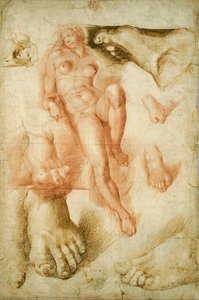
Bartolomeo Passarotti portréja

A 56 legnevezesebb Bartolomeo Passarotti festmény, egy galériaválaszték

Frissítve: október 2026 · rangsorolva népszerűségi pontszámunk alapján (minden mű keresései, látogatásai és megrendelései alapján) · 59 mű Bartolomeo Passarotti alkotása a katalógusunkban

Röviden

Bartolomeo Passarotti hagyatékából a leghíresebb alkotás Portrait of an old woman (1582), amely a Bécs városi Kunsthistorisches Museum gyűjteményében található. Röviddel ezután követik őket The Anatomy Lesson (1550) és Family Portrait (1585). Katalógusunkban 59 mű található Bartolomeo Passarotti alkotótól; a galéria megőrizte a világ által leginkább csodált 56 darabot, melyeket a dátummal, a múzeummal és a történetükkel együtt mutatunk be.

1529 – 1592, Bologna Renaissance A legtöbb mű: Museo del Prado

Bartolomeo Passarotti legjobb 10 festménye: a galéria válogatása

1
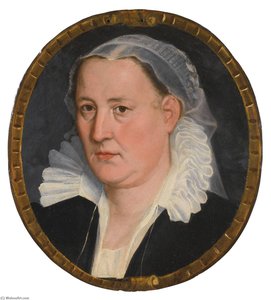
Portrait of an old woman (1582) (1889) -ja Bartolomeo Passarotti

Portrait of an old woman

1582 · Oil On Canvas · Kunsthistorisches Museum, Bécs

The Portrait of an old woman is a work by Bartolomeo Passarotti. Created around 1582, this oil on canvas belongs to the portrait genre. It captures a single subject, an elderly woman, in a moment of quiet presence. The sitter faces the viewer with a steady, unadorned gaze.

2
The Anatomy Lesson (1550) (1889) -ja Bartolomeo Passarotti

The Anatomy Lesson

1550 · Oil · Galleria Borghese, Róma

The oil painting titled The Anatomy Lesson brings us into a crowded, intense moment of scholarly inquiry. Created by Bartolomeo Passarotti, this work captures a dramatic academic demonstration. The scene centers on an open human body, laid out for study. A professor, dressed in ecclesiastical attire, leads the lesson. He directs the attention of a group of listeners who gather closely to witness the unfolding dissection. The body rests above…

3
Family Portrait (1585) (1889) -ja Bartolomeo Passarotti

Family Portrait

1585 · Oil On Canvas · Kunsthistorisches Museum, Bécs

In this vertical composition from around 1585, we find ourselves in the presence of three generations, brought together in a quiet, somber arrangement. The painting depicts an older widow seated with a grown son standing behind her, while a small child stands before them. There is a certain stillness to the grouping, a sense of social hierarchy expressed through their physical placement and stoic expressions. The figures are tightly clustered…

6
Saint Jerome (1550) (1889) -ja Bartolomeo Passarotti

Saint Jerome

1550 · Oil On Canvas · National Gallery of Ireland, Dublin

A muscular, semi-nude ascetic occupies the center of a rugged landscape. His skin, a stark white against the warm ochre and tan of the earth, catches a sharp light that carves out the heavy anatomy of his torso. He is a figure of monumental presence, positioned vertically to command the space. Deep shadows cling to the contours of his muscles, creating a sense of three-dimensional volume that feels heavy and…

7
The Fishmongers (1550) (1889) -ja Bartolomeo Passarotti

The Fishmongers

1550 · Oil On Canvas

The air in the scene feels heavy with the scent of salt and wet scales. A dense crowd gathers around a bounty of seafood, their bodies pressed close in a crowded, intimate space. An older man with a grey beard anchors the composition, his presence steady amidst the movement. Beside him, a younger man opens his mouth in a wide, theatrical expression, while a child looks upward, eyes searching the…

8
Self-portrait (1560) (1889) -ja Bartolomeo Passarotti

Self-portrait

1560 · Oil On Panel

The oil painting on panel presents a tightly framed view of Bartolomeo Passerotti, focusing on his face and upper torso. The subject is positioned in a one-point perspective, directing the viewer's gaze toward his features. A dark color palette dominates the work, utilizing shades of brown, black, and muted green. Light enters the scene to create strong contrasts, sculpting the musculature of the face and the folds of the garment.…

9
Portrait of a Scribe (1560) (1889) -ja Bartolomeo Passarotti

Portrait of a Scribe

1560 · Oil On Canvas

In this 1560 oil on canvas, we find ourselves in the private, silent world of a scholar. The subject, a man engaged in the act of writing, is seated at a desk, his presence defined by a sense of focused intellectualism. There is a certain stillness here, a moment captured where the only sound is the scratching of a quill against parchment. The composition is centered and formal, drawing the…

10
Three Men with Two Dogs (1550) (1889) -ja Bartolomeo Passarotti

Three Men with Two Dogs

1550 · Oil On Canvas

The composition centers on three men positioned in a tight, intimate arrangement. A central figure holds a glass containing a reddish liquid, acting as the focal point of the group. To his side, another man appears to play a flute, while the third man engages with the others in a shared social moment. Two dogs are integrated into the lower portion of the frame, their forms resting near their human…

A Bartolomeo Passarotti válogatás folytatódik: 11 – 56

11Portrait of the Physician Carlo Fontana (1570) (1889) -ja Bartolomeo PassarottiPortrait of the Physician Carlo Fontana1570 · Ghent Művészeti Múzeum (MSK) 12Portrait of Pope Pius V (1579) (1889) -ja Bartolomeo PassarottiPortrait of Pope Pius V1579 13Portrait of a Young General (1575) (1889) -ja Bartolomeo PassarottiPortrait of a Young General1575 14Pope Gregory XIII (1580) (1889) -ja Bartolomeo PassarottiPope Gregory XIII1580 · Gemäldegalerie 15Portrait of a Man (1580) (1889) -ja Bartolomeo PassarottiPortrait of a Man1580 · Harvard Art Museums 16Poultry dealer (1580) (1889) -ja Bartolomeo PassarottiPoultry dealer1580 · Fondazione di Studi di Storia dell'Arte Roberto Longhi 17Blood of the Redeemer (1889) -ja Bartolomeo PassarottiBlood of the RedeemerMűvészeti Múzeum, Boston 18Portrait of Ignazio Danti (1597) (1889) -ja Bartolomeo PassarottiPortrait of Ignazio Danti1597 · Musée Des Beaux 19Portrait of a Man Playing a Lute (1576) (1889) -ja Bartolomeo PassarottiPortrait of a Man Playing a Lute1576 · Művészeti Múzeum, Boston 20Copy after Michelangelo (1550) (1889) -ja Bartolomeo PassarottiCopy after Michelangelo1550 · Nelson-Atkins Múzeum 21DIANE CHASSERESSE (1889) -ja Bartolomeo PassarottiDIANE CHASSERESSELouvre Múzeum 22The Holy Family with St Elizabeth and the Infant St John the Baptist (1572) (1889) -ja Bartolomeo PassarottiThe Holy Family with St Elizabeth and the Infant St John the Baptist1572 23Portrait of a Young Man Holding a Statuette (1575) (1889) -ja Bartolomeo PassarottiPortrait of a Young Man Holding a Statuette1575 24Portrait of a Man with a Dog (detail) (1585) (1889) -ja Bartolomeo PassarottiPortrait of a Man with a Dog (detail)1585 · Pinacoteca Capitolina 25The Fishmonger's Shop (1580) (1889) -ja Bartolomeo PassarottiThe Fishmonger's Shop1580 · Galleria Nazionale d'Arte Antica 26Portrait of a Man with a Dog (1585) (1889) -ja Bartolomeo PassarottiPortrait of a Man with a Dog1585 · Pinacoteca Capitolina 27Study of Male Nudes Fighting (1572) (1889) -ja Bartolomeo PassarottiStudy of Male Nudes Fighting1572 28Perseus frees Andromeda (1575) (1889) -ja Bartolomeo PassarottiPerseus frees Andromeda1575 29Family portrait (1889) -ja Bartolomeo PassarottiFamily portraitGemäldegalerie Alte Meister 30Saint John Baptist, Saint Jerome and Saint Francis of Assisi (1889) -ja Bartolomeo PassarottiSaint John Baptist, Saint Jerome and Saint Francis of AssisiMusée Des Beaux 31Lute palyer (1889) -ja Bartolomeo PassarottiLute palyer 32Portrait d'homme en armure (1889) -ja Bartolomeo PassarottiPortrait d'homme en armure 33A Butchery (1575) (1889) -ja Bartolomeo PassarottiA Butchery1575 · Galleria Nazionale d'Arte Antica 34Male Nude (1550) (1889) -ja Bartolomeo PassarottiMale Nude1550 · Museo del Prado 35Copy of a Statue with A Female Nude From Back (1550) (1889) -ja Bartolomeo PassarottiCopy of a Statue with A Female Nude From Back1550 · Museo del Prado 36Lucretia's Suicide (1550) (1889) -ja Bartolomeo PassarottiLucretia's Suicide1550 37Portrait of a Botanist (Ulisse Aldrovandi.) (1570) (1889) -ja Bartolomeo PassarottiPortrait of a Botanist (Ulisse Aldrovandi.)1570 · Galleria Spada 38Portrait of Pope Pius V (1566) (1889) -ja Bartolomeo PassarottiPortrait of Pope Pius V1566 · Walters Art Museum 39Portrait of a Lady with a Dog (1569) (1889) -ja Bartolomeo PassarottiPortrait of a Lady with a Dog1569 40Double Portrait of Musicians (1579) (1889) -ja Bartolomeo PassarottiDouble Portrait of Musicians1579 · Capitoline-múzeumok 41Double Dressed Portrait of Circe and Ulysses (1575) (1889) -ja Bartolomeo PassarottiDouble Dressed Portrait of Circe and Ulysses1575 42Copy of the Good Thief, From the Last Judgement of Michelangelo (1570) (1889) -ja Bartolomeo PassarottiCopy of the Good Thief, From the Last Judgement of Michelangelo1570 · Museo del Prado 43The Holy Family Accompained by an Angel and two Saints (1565) (1889) -ja Bartolomeo PassarottiThe Holy Family Accompained by an Angel and two Saints1565 · Museo del Prado 44Portrait of a Gentleman (1580) (1889) -ja Bartolomeo PassarottiPortrait of a Gentleman1580 45Nude Studies (1580) (1889) -ja Bartolomeo PassarottiNude Studies1580 46Portrait of a Cavalier with his Hunting Dogs (1580) (1889) -ja Bartolomeo PassarottiPortrait of a Cavalier with his Hunting Dogs1580 · Rhode Island School of Design Museum of Art 47The Coronation of the Virgin with Saints Luke, Dominic, and John the Evangelist (1580) (1889) -ja Bartolomeo PassarottiThe Coronation of the Virgin with Saints Luke, Dominic, and John the Evangelist1580 · Art Gallery of South Australia 48St. Dominicus and the Albigensians (1580) (1889) -ja Bartolomeo PassarottiSt. Dominicus and the Albigensians1580 · Pinacoteca Nazionale di Bologna 49Domenico Giuliani and His Servant (1889) -ja Bartolomeo PassarottiDomenico Giuliani and His Servant 50Portrait of an Old Woman (1889) -ja Bartolomeo PassarottiPortrait of an Old Woman 51A Group of Six Men, Including a Self Portrait (1889) -ja Bartolomeo PassarottiA Group of Six Men, Including a Self Portrait 52Portrait of a lady, head and shoulders (1889) -ja Bartolomeo PassarottiPortrait of a lady, head and shouldersBavári Állami Festırménygyűjtemények 53Portrait of an Unknown Soldier in Armour (1889) -ja Bartolomeo PassarottiPortrait of an Unknown Soldier in ArmourNational Trust 54Holy Family with the Infant St John the Baptist and St Catherine of Alexandria (1889) -ja Bartolomeo PassarottiHoly Family with the Infant St John the Baptist and St Catherine of AlexandriaChristian Museum 55Two market women and a boy with chicken and vegetables (1889) -ja Bartolomeo PassarottiTwo market women and a boy with chicken and vegetablesGemäldegalerie 56The Butcher's Shop (1580) (1889) -ja Bartolomeo PassarottiThe Butcher's Shop1580 · Galleria Nazionale d'Arte Antica

Bartolomeo Passarotti híres festményei, korszakonként

A témák, amelyek Bartolomeo Passarotti figyelmét meghúzták

A négy leggyakorobban előforduló téma ebben az eredeti művekben, mindegyik a legkiválóbb példájával.

A műemlékek, amelyek Bartolomeo Passarotti eredeti műveit őrzik

A 8 olyan múzeum, amely a legtöbb ezen az oldalon szereplő festményet őrzi.

Múzeum Város Bartolomeo Passarotti művei Ebből a listából származó festmények
Museo del Prado, MadridMuseo del Prado Madrid 4 Male Nude, Copy of a Statue with A Female Nude From Back, Copy of the Good Thief, From the Last Judgement of Michelangelo
Kunsthistorisches Museum, BécsKunsthistorisches Museum Bécs 3 Portrait of an old woman, Family Portrait, Portrait of the physician Carlo Fontana
Galleria Nazionale d'Arte Antica, RómaGalleria Nazionale d'Arte Antica Róma 3 The Fishmonger's Shop, A Butchery, The Butcher's Shop
Bavári Állami Festırménygyűjtemények, MunchenBavári Állami Festırménygyűjtemények Munchen 2 Portrait of a Man, Portrait of a lady, head and shoulders
Művészeti Múzeum, Boston, BostonMűvészeti Múzeum, Boston Boston 2 Blood of the Redeemer, Portrait of a Man Playing a Lute
Pinacoteca Capitolina, RómaPinacoteca Capitolina Róma 2 Portrait of a Man with a Dog (detail), Portrait of a Man with a Dog
Galleria Borghese, RómaGalleria Borghese Róma 1 The Anatomy Lesson
National Gallery of Ireland, DublinNational Gallery of Ireland Dublin 1 Saint Jerome

Bartolomeo Passarotti évtizede folgtva: az eredeti művek, amelyek meghatározzák az egyes korzakot

Művek évtizedenként

Váassz ki egy évtizedet, hogy megnézhesd az azt meghatározó eredetiműveket.

Gyűjtői kérdések Bartolomeo Passarotti festményeivel kapcsolatban

Melyik művel a(z) Bartolomeo Passarotti a leghíresebb?Fedje fel a választ

Portrait of an old woman (1582), Kunsthistorisches Museum, Bécs. Ezután The Anatomy Lesson (1550) és Family Portrait (1585) következik.

Hány éves volt Bartolomeo Passarotti, amikor a Portrait of an old woman készült?Fedje fel a választ

53 éves: Portrait of an old woman 1582-ből származik, Bartolomeo Passarotti pedig 1529-ben született.

Melyek a tíz leghíresebb Bartolomeo Passarotti festmény?Fedje fel a választ

Portrait of an old woman, The Anatomy Lesson, Family Portrait, Portrait of the physician Carlo Fontana, Portrait of a Man, Saint Jerome, The Fishmongers, Self-portrait, Portrait of a Scribe és Three Men with Two Dogs. A fenti rangsor a művek évszamarát és a múzeumát jelzi.

Hány festményet hagyott hátra Bartolomeo Passarotti?Fedje fel a választ

Katalógusunkban 59 mű található Bartolomeo Passarotti alkotótól, 1550 és 1585 év közötti időszakból.

Mely múzeumokban állnak Bartolomeo Passarotti remekművei?Fedje fel a választ

Leginkább Museo del Prado (Madrid), Kunsthistorisches Museum (Bécs) és Galleria Nazionale d'Arte Antica (Róma) található. A fenti múzeumi táblázatban mindegyik felsorolásra került.

Mely években festette Bartolomeo Passarotti leghíresebb műveit?Fedje fel a választ

1580s alatt: a jelen laphonon található 56 műből 15 készült ebben az időszakban, köztük Portrait of an old woman.

Mikszétek az első és az utolsó híres eredeti műve a(z) Bartolomeo Passarotti alkotótól?Fedje fel a választ

Ezen az oldalon a leghitelesebb The Anatomy Lesson (1550), a legutóbbi pedig Family Portrait (1585).

Milyen témaköröket választott leggyakrabban Bartolomeo Passarotti?Fedje fel a választ

Man (15), Beard (7) és Book (6), a jelen oldalon található 56 műművészeti alkotás között.

Melyik technikát alkalmazta leggyakrabban Bartolomeo Passarotti?Fedje fel a választ

Oil On Canvas, a jelen oldalon található 56 műből 15 darab esetén.

Mely művészeti irányba tartozik Bartolomeo Passarotti?Fedje fel a választ

Renaissance és Mannerism, ezen az oldalon található eredetiek alapján.

Mely Bartolomeo Passarotti művei láthatóak a Museo del Prado kiállتításán?Fedje fel a választ

Male Nude, Copy of a Statue with A Female Nude From Back és Copy of the Good Thief, From the Last Judgement of Michelangelo: a Museo del Prado, Madrid 4 művet őrzi ezen az oldalon.

Bartolomeo Passarotti: életmű és életút

The Bolognese Master of Mannerist Splendor

In the vibrant, shifting landscape of the late sixteenth century, few artists captured the transition from the structured elegance of the High Renaissance to the dramatic intensity of the Baroque as skillfully as Bartolomeo Passarotti. Born in Bologna in 1529, Passarotti emerged not merely as a painter, but as a pivotal bridge between eras. His early years were defined by a profound immersion in the Roman art scene, where between 1550 and 1555, he sought the guidance of masters such as Giacomo Barozzi da Vignola and Taddeo Zuccari. This period of Roman training was transformative; it instilled in him a deep reverence for classical antiquity and the humanist principles of anatomical precision and balanced composition, even as he began to experiment with the more elongated and complex forms that would define the Mannerist movement.

Upon his return to his native Bologna, Passarotti did not merely settle into local practice; he established a formidable artistic powerhouse. His studio became a crucible of innovation, attracting a generation of talent that would eventually reshape European art. Among his most notable pupils were Agostino Carracci, Lucio Massari, and Francesco Brizzi—artists who would carry the seeds of his stylistic experimentation into the burgeoning Baroque era. This legacy of mentorship ensured that Passarotti’s influence extended far beyond the walls of his own workshop, as his approach to light, texture, and subject matter permeated the very fabric of the Bolognese school.

A Tapestry of Genre and Drama

Passarotti’s oeuvre is celebrated for its remarkable versatility, ranging from the divine to the deeply terrestrial. He possessed a unique ability to navigate between grand religious altarpiements and intimate, often gritty, genre scenes. His work often features a striking use of chiaroscuro, utilizing stark contrasts between light and shadow to imbue his subjects with a sense of psychological depth and physical presence. This technique, which prefigured the dramatic lighting later perfected by Caravaggio, allowed him to breathe life into both mythological figures and everyday laborers.

In his genre paintings, Passarotti displayed an extraordinary eye for detail and a fascination with the textures of daily existence. Works such as The Butcher's Shop (1580) serve as captivating windows into the late Renaissance world, showcasing a masterful command of warm tones and a realistic depiction of communal life. Similarly, his ability to render the divine is evident in pieces like Diane Chasseresse, where the Roman goddess of the hunt is captured with a dynamic, muscular grace that embodies the very essence of Mannerist energy. Whether depicting the quiet solitude of a Lute Player or the solemnity of religious devotion, his brushwork consistently sought to capture the fleeting tension between the ideal and the real.

Legacy and Historical Significance

While history sometimes overlooks Passarotti in favor of more revolutionary figures like Michelangelo, his importance to the evolution of Italian art is undeniable. He was a master of transition, an artist who understood how to honor the classical past while simultaneously preparing the ground for the emotional turbulence of the next century. His later works, influenced by Tuscan models such as Giorgio Vasari and Prospero Fontana, demonstrate a continuous evolution and an enduring curiosity about the changing tides of aesthetic taste.

The historical significance of Bartolomeo Passarotti lies in his role as a foundational figure for the Carracci Academy and the broader Bolognese tradition. His life’s work—a blend of meticulous anatomical study, dramatic lighting, and a profound interest in the human condition—remains a testament to the enduring power of Mannerism. Through his studio, his pupils, and his evocative canvases, Passarotti ensured that the spirit of Bologna would remain at the heart of the European artistic dialogue for generations to come.