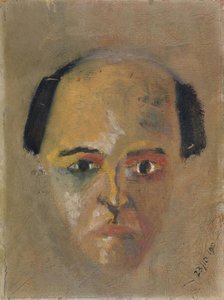
Arnold Schönberg portréja

A 65 legnevesebbebb Arnold Schönberg festmény, mindegyik egyedistens

Frissítve: november 2026 · rangsorolva népszerűségi pontszámunk alapján (minden mű keresései, látogatásai és megrendelései alapján) · 65 mű Arnold Schönberg alkotása a katalógusunkban

Röviden

Pierrot lunaire, op. 21 - Night (1912) az a Arnold Schönberg festmény, amely a legtöbb tekintetet felvonja; az eredeti mű a Arnold Schönberg Center gyűjteményében található, Bécs. Ezután a tekintet Arnold Schönberg naptárai (1935) és Suite, op. 29 - Bi-directional twelve-tone row chart (1924) elemre irányul. A Arnold Schönberg 65 műve közül a katalógusunkban megtalálható 65 legnépesebb alkotás, melyeket az év, a múzeum és az örökévalóságának okai kísérnek.

1874 – 1951, Bécs Expressionism A legtöbb mű: Arnold Schönberg Center

A galéria szemével: Arnold Schönberg legjobb 10 festménye

1
Pierrot lunaire, op. 21 - Night (1912) (1889) -ja Arnold Schönberg

Pierrot lunaire, op. 21 - Night

1912 · Acrylic On Canvas · Arnold Schönberg Center, Bécs

Arnold Schönberg’s *Pierrot lunaire*, op. 21, stands as a monumental achievement in the evolution of modern music, a work born from the anxieties and aesthetic explorations of early 20th-century Europe. This particular rendition, “Night,” meticulously captured in this evocative photographic reproduction, offers a profound glimpse into Schönberg’s expressionistic vision – a world of fractured emotion, haunting beauty, and unsettling psychological depth. Composed in Berlin in 1912, the piece was commissioned…

2
Arnold Schönberg naptárai (1935) (1889) -ja Arnold Schönberg

Arnold Schönberg naptárai

1935 · Fekete-fehér fotográfia · Arnold Schönberg Center, Bécs

Arnold Schönberg és Gertrud Schoenberg Naplója – Egy Új Perspektívában Megismerhető Élet A napló egy különleges művészi dokumentum, amely betekintést nyújt Arnold Schönberg és felesége, Gertrud Schoenberg életének részleteibe Los Angeles városában 1935 és 1936 között. Ez nem csak egy egyszerű időnapló, hanem egy személyes tükör, ami megmutatja Schönberg napi rutinát és gondolatait egy új otthonban, ahol az amerikai színművészi életmódra próbált alkalmazkodni. Az épület helyszíne egy hagyományos hollywoodi lakóház…

3
Suite, op. 29 - Bi-directional twelve-tone row chart (1924) (1889) -ja Arnold Schönberg

Suite, op. 29 - Bi-directional twelve-tone row chart

1924 · Acrylic On Canvas · Arnold Schönberg Center, Bécs

Arnold Schönberg's "Suite, op. 29 – Bi-directional twelve-tone row chart" isn’t merely a musical score; it’s a visual manifestation of radical innovation, a testament to the composer’s relentless pursuit of sonic and artistic boundaries. Created in 1924, during a period of intense experimentation within his own compositional methods—specifically, his “Method of composing with twelve tones which are related only with one another”—this work represents a pivotal moment in 20th-century music…

4
Peace on Earth, op. 13 (1907) (1889) -ja Arnold Schönberg

Peace on Earth, op. 13

1907 · Black and White Photography · Arnold Schönberg Center, Bécs

To gaze upon this depiction of Arnold Schoenberg's "Peace on Earth, op. 13" is not merely to look at an aged sheet of music; it is to encounter a preserved echo of profound human yearning. This composition, born from the charged atmosphere of early twentieth-century Europe, transcends its musical notation to become a tangible artifact of hope. The visual evidence—the sepia tones, the delicate creases, the faint patina of time…

5
Phantasy for Violin with Piano Accompaniment, op. 47 (1949) (1889) -ja Arnold Schönberg

Phantasy for Violin with Piano Accompaniment, op. 47

1949 · Acrylic On Canvas · Arnold Schönberg Center, Bécs

This meticulously crafted hand-painted reproduction captures a pivotal moment in the oeuvre of Arnold Schoenberg, a composer who irrevocably altered the landscape of 20th-century music. The piece, “Phantasy for Violin with Piano Accompaniment,” op. 47, born from a commission in 1949, represents more than just a musical composition; it’s a tangible link to a brilliant mind grappling with radical innovation and profound personal transformation. The photograph itself – a stark…

6
Accompaniment to a Cinematographic Scene, op. 34 – Háromszáznégyvenes számú művének begelejtőzenéje (1929) (1889) -ja Arnold Schönberg

Accompaniment to a Cinematographic Scene, op. 34 – Háromszáznégyvenes számú művének begelejtőzenéje

1929 · Fekete-fehér fotográfia · Arnold Schönberg Center, Bécs

Arnold Schoenberg és Az Éjreltély Színművészeti Tárlat – XII Tonális sor Az Éjreltély Színművészei Tárlat (Op. 34) egy igazi mérföldkő Arnold Schoenberg zenetörténete számára, és egy olyan műalkotás, amely különösen nagy figyelmet váltott ki az akkoriban működő művészeti közegben. Ez a darab nem csak egy egyszerű filmzenéje volt Heinrichshofen Verlag Magdeburg számára, hanem egy komplex prózai alkotás, mely mélyen belehatózott az akkori zenetudományos és színházművészi irányelvekbe. Schoenberg ebben az időszakban…

7
Blue Gaze (1910) (1889) -ja Arnold Schönberg

Blue Gaze

1910 · Oil On Board · Arnold Schönberg Center, Bécs

“Blue Gaze,” painted in 1910 by the titan of musical innovation, Arnold Schoenberg, is more than just a portrait; it's a visceral manifestation of artistic struggle and a testament to the burgeoning power of abstraction. Created during a pivotal period in Schoenberg’s life – a time when he was simultaneously wrestling with the radical new techniques of atonality in music and exploring the uncharted territories of visual expression – this…

8
Transfer ticket for public transport in Berlin (1927) (1889) -ja Arnold Schönberg

Transfer ticket for public transport in Berlin

1927 · Acrylic On Canvas · Arnold Schönberg Center, Bécs

This meticulously crafted hand-painted reproduction captures a pivotal moment in design history – the 1927 transfer ticket for the Berlin tram system, conceived by the visionary composer Arnold Schönberg. Far more than simply a means of payment, this circular artifact represents a radical shift towards efficiency and user experience, anticipating modern transit systems by nearly a century. Schönberg’s design wasn't born from artistic indulgence; it stemmed from a pragmatic desire…

9
The Musical Idea - W. A. Mozart K 465 (1934) (1889) -ja Arnold Schönberg

The Musical Idea - W. A. Mozart K 465

1934 · Giclée Print · Arnold Schönberg Center, Bécs

W.A. Mozart’s K. 465, “The Musical Idea,” takes on an entirely new dimension through the lens of Arnold Schönberg's profound inquiry into musical representation. This isn’t merely a reproduction of a classical score; it’s a visual echo of Schönberg’s seminal work, "Der Musikalische Gedanke," a treatise that fundamentally shifted our understanding of composition and its relationship to logic, technique, and artistic expression. The photograph itself – a meticulously annotated music…

10
Piano Piece, op. 19/6 (1911) (1889) -ja Arnold Schönberg

Piano Piece, op. 19/6

1911 · Acrylic On Canvas · Arnold Schönberg Center, Bécs

This meticulously crafted hand-painted reproduction captures Arnold Schönberg’s poignant “Piano Piece, op. 19/6,” a deceptively simple work born from a moment of profound grief and artistic experimentation. Created in 1911, shortly after the death of Gustav Mahler – a figure Schönberg deeply revered as both mentor and friend – the piece offers a rare glimpse into the composer’s emotional landscape during a period of intense creative upheaval. The image presented…

Arnold Schönberg híres festményei, 11 és 65 között

11Excerpt from Arnold Schönberg’s own handwritten library catalogue: Works of Richard Strauss (1914) (1889) -ja Arnold SchönbergExcerpt from Arnold Schönberg’s own handwritten library catalogue: Works of Richard Strauss1914 · Arnold Schönberg Center 12Self-Portrait (1910) (1889) -ja Arnold SchönbergSelf-Portrait1910 · Arnold Schönberg Center 13The Biblical Way (Act I, Scene 2), Stadium (1927) (1889) -ja Arnold SchönbergThe Biblical Way (Act I, Scene 2), Stadium1927 · Arnold Schönberg Center 14The Lucky Hand (scene 1) (1910) (1889) -ja Arnold SchönbergThe Lucky Hand (scene 1)1910 · Arnold Schönberg Center 15Gertrud Schönberg (1930) (1889) -ja Arnold SchönbergGertrud Schönberg1930 · Arnold Schönberg Center 16Tears (1910) (1889) -ja Arnold SchönbergTears1910 · Arnold Schönberg Center 17Garden Scene (1907) (1889) -ja Arnold SchönbergGarden Scene1907 · Arnold Schönberg Center 18Playing Cards for Whist/Bridge - Jack of Spades (1910) (1889) -ja Arnold SchönbergPlaying Cards for Whist/Bridge - Jack of Spades1910 · Arnold Schönberg Center 19Formation scheme for the Gurrelieder (1918) (1889) -ja Arnold SchönbergFormation scheme for the Gurrelieder1918 · Arnold Schönberg Center 20The Lucky Hand (scene 2) (1910) (1889) -ja Arnold SchönbergThe Lucky Hand (scene 2)1910 · Arnold Schönberg Center 21Red Gaze (1910) (1889) -ja Arnold SchönbergRed Gaze1910 · Arnold Schönberg Center 22Piano Concerto, op. 42 - Programmatic keywords (1942) (1889) -ja Arnold SchönbergPiano Concerto, op. 42 - Programmatic keywords1942 · Arnold Schönberg Center 23Playing Cards for Whist/Bridge - King of Hearts (1910) (1889) -ja Arnold SchönbergPlaying Cards for Whist/Bridge - King of Hearts1910 · Arnold Schönberg Center 24Structural Functions of Harmony - Chart of the Regions (1948) (1889) -ja Arnold SchönbergStructural Functions of Harmony - Chart of the Regions1948 · Arnold Schönberg Center 25Interior and Portrait of a Woman (1910) (1889) -ja Arnold SchönbergInterior and Portrait of a Woman1910 · Arnold Schönberg Center 26Blue Self-Portrait (1910) (1889) -ja Arnold SchönbergBlue Self-Portrait1910 · Arnold Schönberg Center 27Self-Portrait (1918) (1889) -ja Arnold SchönbergSelf-Portrait1918 · Arnold Schönberg Center 28Mathilde Schönberg (1909) (1889) -ja Arnold SchönbergMathilde Schönberg1909 · Arnold Schönberg Center 29Expectation (Scene 3) (1911) (1889) -ja Arnold SchönbergExpectation (Scene 3)1911 · Arnold Schönberg Center 30Handwriting samples (1923) (1889) -ja Arnold SchönbergHandwriting samples1923 · Arnold Schönberg Center 31Suite for Piano, op. 25 - Prelude (1921) (1889) -ja Arnold SchönbergSuite for Piano, op. 25 - Prelude1921 · Arnold Schönberg Center 32Landscape (1910) (1889) -ja Arnold SchönbergLandscape1910 · Arnold Schönberg Center 33Erwartung, op. 17 (1909) (1889) -ja Arnold SchönbergErwartung, op. 171909 · Arnold Schönberg Center 34Exlibris (1910) (1889) -ja Arnold SchönbergExlibris1910 · Arnold Schönberg Center 35Alliance (Hands) (1910) (1889) -ja Arnold SchönbergAlliance (Hands)1910 · Arnold Schönberg Center 36Portrait of a Woman (1910) (1889) -ja Arnold SchönbergPortrait of a Woman1910 · Arnold Schönberg Center 37Coalition Chess (1925) (1889) -ja Arnold SchönbergCoalition Chess1925 · Arnold Schönberg Center 38Moses and Aron (1930) (1889) -ja Arnold SchönbergMoses and Aron1930 · Arnold Schönberg Center 39Playing Cards for Whist/Bridge - Queen of clubs (1909) (1889) -ja Arnold SchönbergPlaying Cards for Whist/Bridge - Queen of clubs1909 · Arnold Schönberg Center 40Playing card design (1910) (1889) -ja Arnold SchönbergPlaying card design1910 · Arnold Schönberg Center 41Brief to Wilhelm von Wymetal (1907) (1889) -ja Arnold SchönbergBrief to Wilhelm von Wymetal1907 · Arnold Schönberg Center 42Alexander Zemlinsky (1910) (1889) -ja Arnold SchönbergAlexander Zemlinsky1910 · Arnold Schönberg Center 43Green Self-Portrait (1910) (1889) -ja Arnold SchönbergGreen Self-Portrait1910 · Arnold Schönberg Center 44Memory of Oskar Kokoschka (1910) (1889) -ja Arnold SchönbergMemory of Oskar Kokoschka1910 · Arnold Schönberg Center 45Mathilde Schönberg cooking (1912) (1889) -ja Arnold SchönbergMathilde Schönberg cooking1912 · Arnold Schönberg Center 46Model of a set of dentures (1926) (1889) -ja Arnold SchönbergModel of a set of dentures1926 · Arnold Schönberg Center 47Coalition Chess - Plane (1925) (1889) -ja Arnold SchönbergCoalition Chess - Plane1925 · Arnold Schönberg Center 48Gaze (Karl Kraus – The Great Wall of China) (1910) (1889) -ja Arnold SchönbergGaze (Karl Kraus – The Great Wall of China)1910 · Arnold Schönberg Center 49Furniture design (1931) (1889) -ja Arnold SchönbergFurniture design1931 · Arnold Schönberg Center 50Self-Portrait (1935) (1889) -ja Arnold SchönbergSelf-Portrait1935 · Arnold Schönberg Center 51Self-Portrait (1922) (1889) -ja Arnold SchönbergSelf-Portrait1922 · Arnold Schönberg Center 52The Musical Idea - Chart of the Regions (1934) (1889) -ja Arnold SchönbergThe Musical Idea - Chart of the Regions1934 · Arnold Schönberg Center 53Schematic representation of European Jewry (1934) (1889) -ja Arnold SchönbergSchematic representation of European Jewry1934 · Arnold Schönberg Center 54Model of a chair / library ladder (1945) (1889) -ja Arnold SchönbergModel of a chair / library ladder1945 · Arnold Schönberg Center 55Five Pieces for Orchestra, op. 16/5 – First written copy (1909) (1889) -ja Arnold SchönbergFive Pieces for Orchestra, op. 16/5 – First written copy1909 · Arnold Schönberg Center 56Staffliner for drawing staves (1950) (1889) -ja Arnold SchönbergStaffliner for drawing staves1950 · Arnold Schönberg Center 57Mauríce Zam (1935) (1889) -ja Arnold SchönbergMauríce Zam1935 · Arnold Schönberg Center 58Critic I (1910) (1889) -ja Arnold SchönbergCritic I1910 · Arnold Schönberg Center 59Emil Hertzka (1910) (1889) -ja Arnold SchönbergEmil Hertzka1910 · Arnold Schönberg Center 60Speak not always of the leaves, op. 15/14 - Beszéld nem mindig az leveleket, opus 15/14 (1909) (1889) -ja Arnold SchönbergSpeak not always of the leaves, op. 15/14 - Beszéld nem mindig az leveleket, opus 15/141909 · Arnold Schönberg Center 61Zene Titlyírás (1909) (1889) -ja Arnold SchönbergZene Titlyírás1909 · Arnold Schönberg Center 62Piano Piece, op. 11/2 (1909) (1889) -ja Arnold SchönbergPiano Piece, op. 11/21909 · Arnold Schönberg Center 63Walking Self-Portrait (1911) (1889) -ja Arnold SchönbergWalking Self-Portrait1911 · Arnold Schönberg Center 64Chess Set (1889) -ja Arnold SchönbergChess SetArnold Schönberg Center 65Tape Dispenser (1945) (1889) -ja Arnold SchönbergTape Dispenser1945 · Arnold Schönberg Center

Arnold Schönberg híres festményei, korszakonként

A témák, amelyek Arnold Schönberg figyelmét meghúzták

A négy leggyakorobban előforduló téma ebben az eredeti művekben, mindegyik a legkiválóbb példájával.

A műemlékek, amelyek Arnold Schönberg eredeti műveit őrzik

A múzeum, amely ezen az oldalon szereplő festmények többségét őrzi.

Múzeum Város Arnold Schönberg művei Ebből a listából származó festmények
Arnold Schönberg Center, BécsArnold Schönberg Center Bécs 65 Pierrot lunaire, op. 21 - Night, Arnold Schönberg naptárai, Suite, op. 29 - Bi-directional twelve-tone row chart

Arnold Schönberg évtizedekig: egy egyedi eredeti mű minden évtizedben

Művek évtizedenként

Váassz ki egy évtizedet, hogy megnézhesd az azt meghatározó eredetiműveket.

Arnold Schönberg festményei: kérdések a galériának

Mi a leghíresebb műve Arnold Schönbergnek?Fedje fel a választ

Pierrot lunaire, op. 21 - Night (1912), Arnold Schönberg Center, Bécs. Ezután Arnold Schönberg naptárai (1935) és Suite, op. 29 - Bi-directional twelve-tone row chart (1924) következik.

Milyen életkorában alkotta meg Arnold Schönberg a(z) Pierrot lunaire, op. 21 - Night műszt?Fedje fel a választ

38 éves: Pierrot lunaire, op. 21 - Night 1912-ből származik, Arnold Schönberg pedig 1874-ben született.

Melyik tíz festménye Arnold Schönberg a leghíresebb?Fedje fel a választ

Pierrot lunaire, op. 21 - Night, Arnold Schönberg naptárai, Suite, op. 29 - Bi-directional twelve-tone row chart, Peace on Earth, op. 13, Phantasy for Violin with Piano Accompaniment, op. 47, Accompaniment to a Cinematographic Scene, op. 34 – Háromszáznégyvenes számú művének begelejtőzenéje, Blue Gaze, Transfer ticket for public transport in Berlin, The Musical Idea - W. A. Mozart K 465 és Piano Piece, op. 19/6. A fenti rangsor a művek évszamarát és a múzeumát jelzi.

Hány mű alkotása ismert Arnold Schönberg nevében?Fedje fel a választ

Katalógusunkban 65 mű található Arnold Schönberg alkotótól, 1907 és 1950 év közötti időszakból.

Hol tekinthetők meg a leghíresebb Arnold Schönberg eredetijeit?Fedje fel a választ

Leginkább Arnold Schönberg Center (Bécs) található. A fenti múzeumi táblázatban mindegyik felsorolásra került.

Melyik időszakban alkotta Arnold Schönberg a leghíresebb festményeit?Fedje fel a választ

1910s alatt: a jelen laphonon található 65 műből 29 készült ebben az időszakban, köztük Pierrot lunaire, op. 21 - Night.

Melyik híres Arnold Schönberg festmény a legkorábbi, és melyik a legutóbb készült?Fedje fel a választ

Ezen az oldalon a leghitelesebb Peace on Earth, op. 13 (1907), a legutóbbi pedig Staffliner for drawing staves (1950).

Milyen témakörket kedvelt Arnold Schönberg?Fedje fel a választ

Atonality (10), Schoenberg (8) és Self-portrait (6), a jelen oldalon található 65 műművészeti alkotás között.

Milyen anyagokkal festett leggyakrabban Arnold Schönberg?Fedje fel a választ

Acrylic On Canvas, a jelen oldalon található 65 műből 16 darab esetén.

Mely művészeti irányba tartozik Arnold Schönberg műve?Fedje fel a választ

Expressionism és Expressionist modernism, ezen az oldalon található eredetiek alapján.

Milyen Arnold Schönberg eredeti műveket láthatok a Arnold Schönberg Center kiállításaiban?Fedje fel a választ

Pierrot lunaire, op. 21 - Night, Arnold Schönberg naptárai és Suite, op. 29 - Bi-directional twelve-tone row chart: a Arnold Schönberg Center, Bécs 65 művet őrzi ezen az oldalon.

Arnold Schönberg: a művész portréja

korai évek és zenei kezdés

arnold schoenberg, az osztrák-amerikai zeneszerző 1874. szeptember 13-án született Ausztriában, Bécsben. korai éveket szerény körülmények jellemezték, apja cipész volt. ennek ellenére schoenberg veleszületett zenepassziója arra késztette, hogy nagyrészt önmagát nevelte fel ezen a területen.

zenei fejlődés és meghatározó művek

schoenberg korai alkotásai, mint például a verklärte nacht (1899), egy brahmsi–wagneri szintézist mutatottak be. fejlődése során a második bécsi iskola központi alakjává vált, anton webern és alban berg mellett. kompozíciói, köztük a 2. hang quartet (1907–1908), az erwartung (1909) és a pierrot lunaire (1912), az atonalitás innovatív megközelítését példázták.

tanítás, emigráció és későbbi évek

a nacionalsocialisták hatalomra jutása miatt schoenberg 1933-ban lemondott a porzsandai művészeti akadémiáról, mivel zenéjét „decadensnek” bémeztették. ezt követően az Egyesült Államokban tanított, többek között a kaliforniai університеtemen, Los Angelesben (1936–1944), ahol számos létesítmény jeho nevét viseli. [https://OriginalUniqueArt.com/@/arnold-schoenberg](fedezze fel schoenberg életének és műveinek további részleteit az OriginalUniqueArt oldalon).
  • schoenberg felfedezte a filmzenét és tonálisabb zenét írt, melynek legkiemelkedőbb alkotása a 2. kamara szimfonikus (1939) volt.
  • byron stílusában szatirizálta a fasciszta tyrannusokat az ode to napoleon (1942) című művében.
  • a háború utáni bécs tiszteletbeli állampolgárságot ajánlott neki, de egészségi állapota romlott, amit a hang trió (194lagy)-ban ábrázolt.

örökség és hatás

amint a világ megtudta a holokauszt borzalmait, schoenberg áldozatait a a survivor from warsaw (1947) című alkotással emlékeztette meg. az izraeli konzervatórium és zeneakadémia 1951-ben tiszteletbeli elnökké választotta. [https://OriginalUniqueArt.com/@@/a@d3bqc7-the-museum-destroyed-by-fire-(united-states)](tudjon meg többet műveinek hatásáról az OriginalUniqueArt oldalon). főbb pontok:
  • schoenberg innovatív zenéje a 20. századi klasszikus zene egyik legbefolyásosabb és legvitatottabb alkotása volt.
  • legalább három generációs zeneszerző továbbfejlesztette annak valamileg formális elveit.
  • esztétikai és zenetörténeti nézetei olyan zeneművészeket és kutatókat befolyásoltak, mint theodor w. adorno és carl dahlhaus.
[https://OriginalUniqueArt.com/@@/a@d3cl2x--a-journey-through-art-history-with-OriginalUniqueArt-s-extensive-collection-](fedezze fel a művészet hatalmas gyűjteményét az AllPaintingswebstore-ön, amely a 12. százéktól a 20. századig terjed).