

Santa Bibiana: A Hidden Baroque Gem in Rome
Rome, a city steeped in history and artistic grandeur, holds countless treasures beyond the Colosseum and Vatican City. Among these lesser-known gems is Santa Bibiana, a church that whispers tales of faith, patronage, and unparalleled Baroque artistry—a destination particularly rewarding for those venturing off the beaten tourist path.
- Location & Accessibility: Situated just steps from Termini Station, Rome’s bustling transportation hub, Santa Bibiana offers surprising ease of access. Its unassuming exterior belies the breathtaking beauty housed within its walls, making it a delightful surprise for visitors eager to delve deeper into Roman culture.
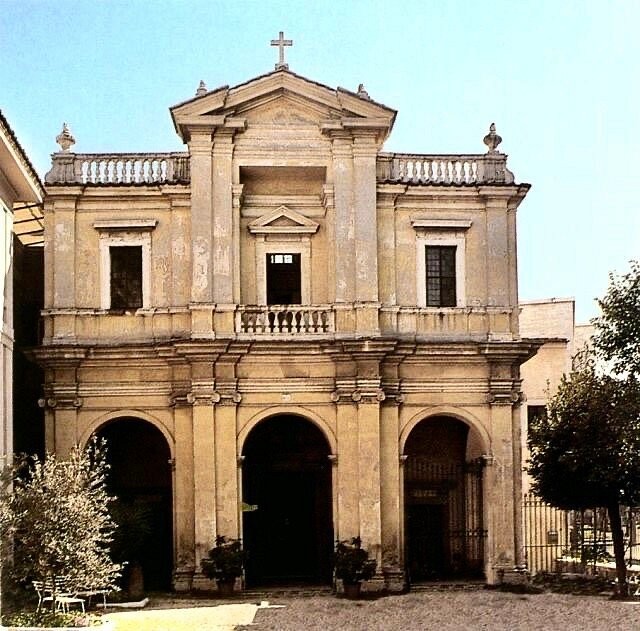
- Architectural Marvel: Designed with dramatic flair by Gian Lorenzo Bernini and Pietro da Cortona, Santa Bibiana exemplifies Baroque architectural principles. The soaring ceilings, intricate stucco decorations, and expansive windows create an immersive experience that transports viewers back to the 17th century.
The church’s history stretches back centuries, originating in ancient Roman traditions and evolving through periods of papal patronage. Saint Bibiana, whose relics reside within Santa Bibiana—a testament to her unwavering devotion—became a focal point for religious fervor and inspired subsequent artistic endeavors. Renovations throughout the ages have solidified its Baroque splendor.
- Artistic Treasures: The church’s collection boasts remarkable artworks, including frescoes by Pietro da Cortona depicting biblical scenes with masterful detail and vibrant color palettes. Sculptural masterpieces adorn the interior, complementing the architectural grandeur and conveying profound spiritual messages.
- Notable Exhibitions: Santa Bibiana has hosted several significant exhibitions showcasing Baroque art and its influence on Italian culture. These events attract scholars and enthusiasts alike, furthering appreciation for this artistic legacy.
What distinguishes Santa Bibiana is not merely its location or historical significance but also the synergistic collaboration between Bernini and Cortona—two titans of Baroque artistry whose visions converged to create a singular aesthetic experience. This harmonious blend of sculptural grandeur and fresco brilliance underscores the church’s enduring appeal as a masterpiece of Roman Baroque.
- Symbolism & Technique: The frescoes employ techniques such as chiaroscuro—the dramatic interplay of light and shadow—to heighten emotional impact and convey biblical narratives with breathtaking realism. Similarly, Bernini's sculptures utilize dynamic poses and expressive gestures to embody spiritual ideals.
For interior designers seeking inspiration or art lovers yearning for a contemplative escape from Rome’s crowded streets, Santa Bibiana presents an unforgettable encounter with Baroque artistry—a hidden gem that illuminates the soul of Roman history.