A Symphony of Stone and Spirit: Unveiling San Giovanni dei Fiorentini
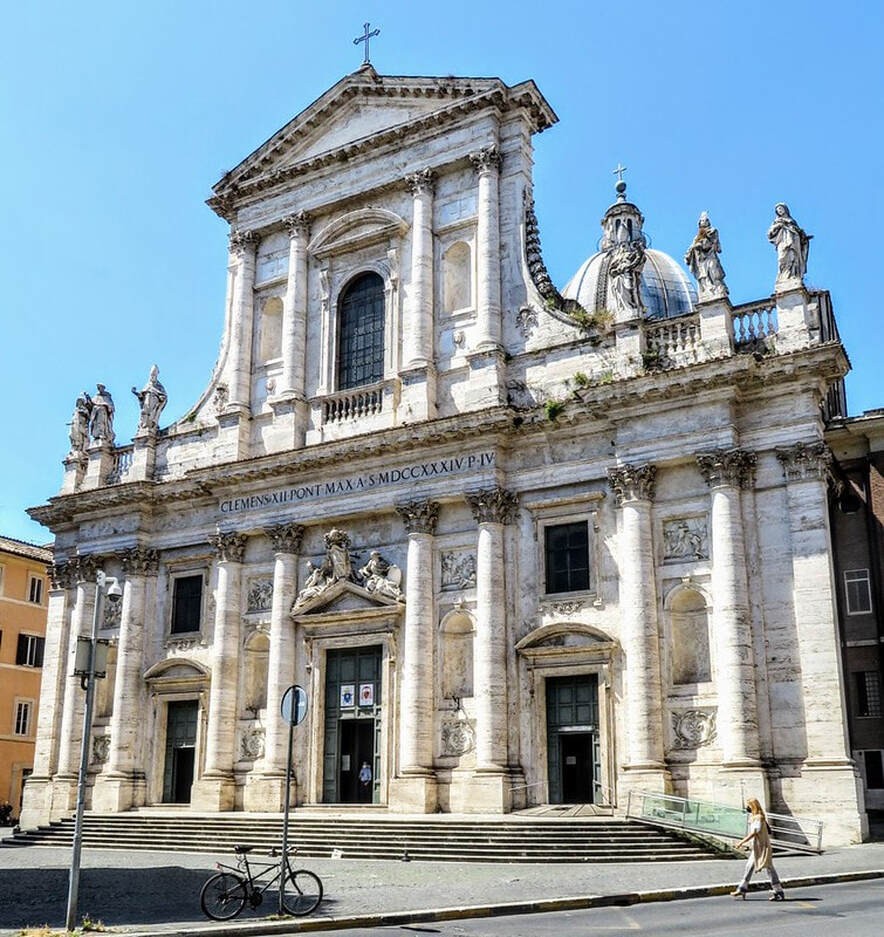
Nestled within the vibrant heart of Rome, at the Ponte rione, lies a church that transcends the typical definition of sacred space – San Giovanni dei Fiorentini. More than just a place of worship, it’s a breathtaking testament to the enduring legacy of Florence and a captivating fusion of architectural styles, reflecting centuries of artistic exchange and papal patronage. This isn't merely a building; it’s a layered narrative etched in stone, paint, and light, inviting visitors on a journey through Florentine identity and Roman grandeur.
The story begins in the 16th century with Pope Leo X de’ Medici, who, recognizing the need for a dedicated church to serve Florence's community in Rome, initiated a prestigious competition. Over two centuries unfolded as architects – from the masterful Jacopo Sansovino to the innovative Francesco Borromini – contributed their visions, resulting in a structure that is both monumental and remarkably complex. The basilica’s evolution mirrors the shifting political and artistic currents of its time, creating a unique architectural tapestry unlike any other church in Rome. It stands as a poignant symbol of Florentine influence within the Eternal City, a tangible link between two powerful Italian republics.
A Baroque Masterpiece: Architectural Highlights
San Giovanni dei Fiorentini is immediately striking for its audacious blend of Renaissance and Baroque elements. The most arresting feature is undoubtedly the dome – affectionately nicknamed “the sucked sugar almond” by locals due to its distinctive, almost whimsical shape. This engineering marvel, conceived primarily by Giacomo della Porta, showcases a remarkable understanding of structural mechanics and a willingness to push the boundaries of design. Beyond the dome, the interior unfolds as a lavish Baroque spectacle, dominated by frescoes depicting scenes from the life of St. John the Baptist and other biblical narratives. The use of color is dramatic – deep reds, blues, and golds create an atmosphere of intense spirituality.
However, the church’s true genius lies in Francesco Borromini's contribution to the choir. His innovative use of space and light—a revolutionary departure from traditional design—is particularly noteworthy. Borromini masterfully employed concave walls and elliptical shapes to create a sense of dynamism and movement, drawing the eye upwards towards the altar. The effect is profoundly immersive, transforming the choir into a sacred space that feels both intimate and awe-inspiring. The interplay of light and shadow, carefully orchestrated by Borromini, adds another layer of complexity and beauty to this already remarkable architectural achievement.
Treasures of Florentine Patronage: Art & Relics
San Giovanni dei Fiorentini’s collection is a testament to the enduring influence of Florentine art patronage. Throughout the 16th and 17th centuries, Florence poured significant resources into commissioning works for this Roman church, resulting in a remarkable concentration of masterpieces. Notable contributions come from Baroque masters like Bernini and Borromini themselves, whose sculptures adorn the interior with exquisite detail and emotional intensity. The collection spans several centuries, encompassing paintings, sculptures, and decorative arts—a rich tapestry reflecting the evolving tastes and artistic trends of the time.
Perhaps the most poignant relic housed within the basilica is the left foot of St. Mary Magdalene. This sacred object, a tangible connection to one of Christianity’s most revered figures, underscores the church's spiritual significance and draws pilgrims from across Italy and beyond. The chapel housing this relic is itself a masterpiece of Baroque decoration, further enhancing its devotional power.
A Legacy in Stone: Visiting Information & Unique Significance
Located conveniently near Ponte rione, San Giovanni dei Fiorentini offers a peaceful respite from the bustling streets of Rome. Its unique architectural blend—a harmonious marriage of Renaissance and Baroque styles—combined with its rich artistic heritage and historical significance, makes it an essential destination for art lovers, history buffs, and anyone seeking to experience the cultural heart of Italy. The church’s story is not just one of bricks and mortar; it's a chronicle of artistic rivalry, papal ambition, and Florentine pride – a truly remarkable narrative etched into the very fabric of Rome.