
Peterhof Palace: A Regal Vision – Russia’s Declaration in Stone and Water
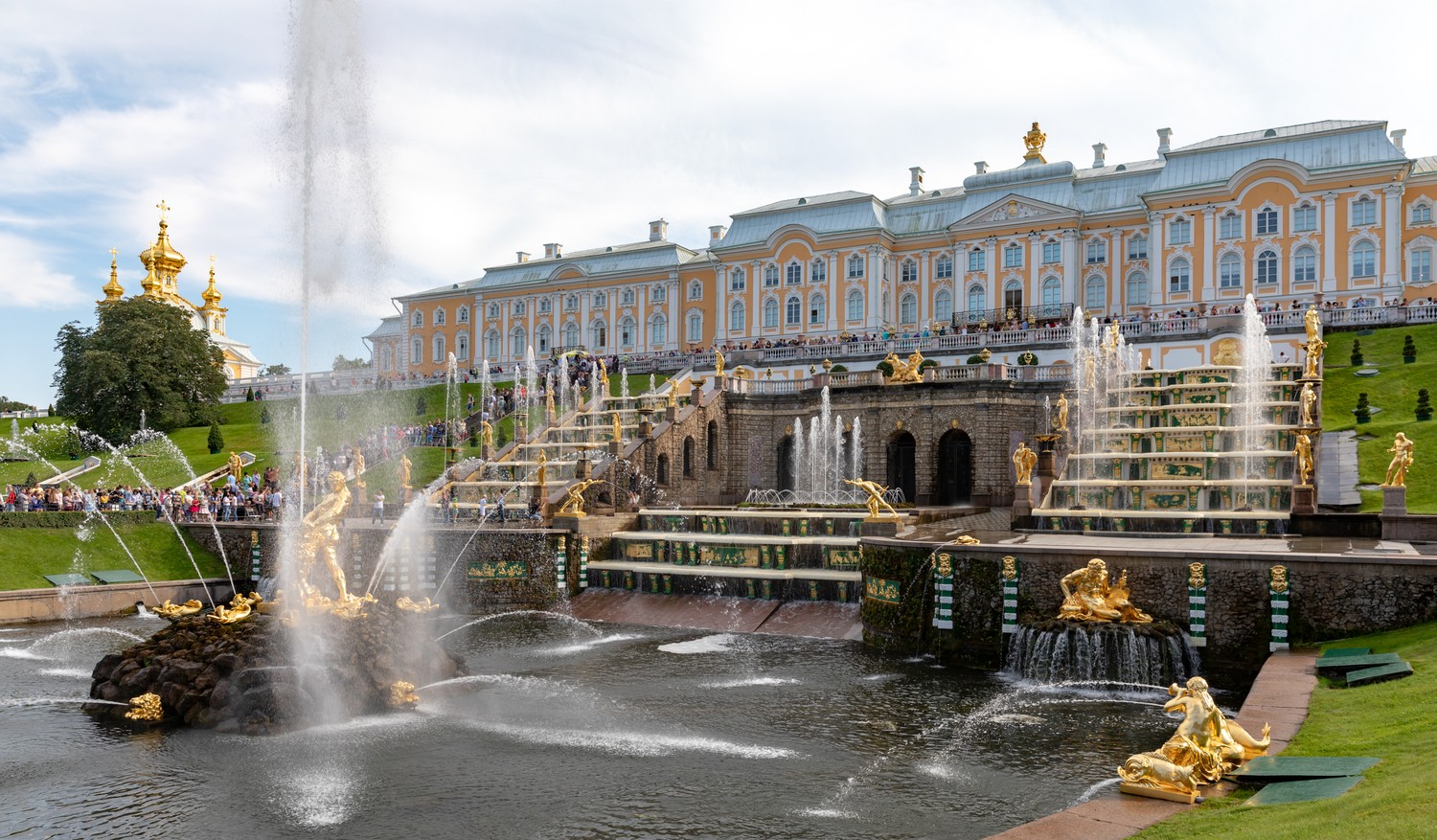
From the heart of St. Petersburg, a journey unfolds towards a landscape sculpted by imperial ambition and artistic vision—Peterhof. Often likened to Versailles, this comparison feels insufficient; Peterhof is not merely an imitation but a uniquely Russian articulation of power, artistry, and a profound connection to its environment. Founded in 1703 by Peter the Great, it wasn’t simply intended as a residence, but as a bold statement announcing Russia's arrival onto the European stage. Inspired by his travels abroad, particularly the court of Louis XIV, Peter envisioned a complex that would rival Versailles in grandeur, yet imbued with a distinctly Russian spirit—a spirit forged from both admiration and a desire to surpass. The architecture itself reflects this ambition, evolving over time from its primarily Baroque foundations under Domenico Trezzini and Bartolomeo Rastrelli, incorporating Neoclassical elements as successive rulers like Empress Elizabeth and Catherine the Great left their indelible mark on the estate. While perhaps not exceeding Versailles in sheer scale, the Grand Palace stands as a masterpiece of ornate design, harmoniously blending diverse architectural influences into a cohesive whole.- Imperial Legacy: Peterhof’s genesis lies in Peter I’s determination to elevate Russia's status on the international stage and emulate the magnificence of Louis XIV’s Versailles. This ambition fueled an unprecedented investment in artistic patronage and architectural innovation.
- Baroque Grandeur: Domenico Trezzini’s initial Baroque design established a monumental aesthetic, characterized by soaring facades adorned with sculptures and intricate ornamentation—a deliberate echo of French royal palaces.
- Rastrelli’s Flourishing: Bartolomeo Rastrelli dramatically expanded Peterhof's scale and grandeur during Elizabeth I’s reign, incorporating Neoclassical elements alongside Baroque flourishes to create a breathtaking spectacle.
- Catherine the Great’s Refinement: Catherine II continued Rastrelli’s legacy, commissioning further embellishments and transforming Peterhof into a symbol of imperial splendor—a testament to Russia's cultural achievements during her era.
Gardens Alive: Fountains, Cascades, and Imperial Retreats
The true essence of Peterhof resides within its expansive gardens – an intricate interplay between architecture and nature designed to inspire awe and convey imperial authority. These are not merely decorative spaces; they are integral to the palace’s identity, seamlessly woven into the natural terrain to create dramatic visual effects and breathtaking vistas. The Lower Garden is dominated by the Grand Cascade—a monumental feat of hydraulic engineering that showcases Russia's ingenuity and artistic vision. Over sixty fountains converge at its base, creating a mesmerizing display of water and sculpted figures. Beyond this centerpiece lies Alexandria Park, featuring Gothic Revival structures like the Chapel, reflecting a fascination with European architectural styles. The Upper Garden offers a more formal setting, characterized by meticulously manicured lawns and flowerbeds—a tranquil oasis for imperial contemplation.- The Grand Cascade: This masterpiece of Baroque engineering utilizes a complex system of channels and pumps to propel water from a height of 72 meters (236 ft), creating an unforgettable spectacle.
- Alexandria Park’s Gothic Revival Style: Constructed during Nicholas I's reign, Alexandria Park embodies the Romantic aesthetic—characterized by picturesque landscapes and ornate buildings reminiscent of European castles.
- Seasonal Transformations: Peterhof’s gardens undergo dramatic seasonal transformations, showcasing the beauty of Russian flora and providing visitors with a constantly evolving experience.
Palaces Within a Palace: Intimacy and Opulence
Peterhof comprises several distinct palaces—each offering a glimpse into the lives of Russia’s imperial rulers and reflecting their individual tastes and aspirations. Monplaisir Palace, Peter I's personal retreat, embodies his pragmatic nature—a modest yet exquisitely decorated space designed for quiet contemplation. Marly Palace, inspired by Louis XIV’s hunting lodge at Marly-le-Roi, showcases opulent interiors and a refined aesthetic—demonstrating the court’s appreciation for European elegance. The Cottage Palace, built in the Gothic Revival style by Nicholas I, provides a more relaxed atmosphere—a space intended to escape the formality of court life.- Monplaisir Palace: Peter I's retreat exemplifies his understated elegance and practicality—contrasting sharply with the grandeur of Versailles.
- Marly Palace: This palace embodies the influence of French aristocratic taste, reflecting Catherine II’s desire to emulate European sophistication.
- The Cottage Palace: Constructed during Nicholas I’s reign, this palace represents a retreat from court life—a space designed for family gatherings and leisure activities.
A Legacy Etched in Art and Artifacts
Within these palaces reside collections that rival those of any major European museum. The Imperial Furniture & Decorative Arts collection is particularly stunning, featuring an array of exquisite furniture, porcelain, and silver objects reflecting the lavish lifestyle of the Russian aristocracy. Paintings by renowned European and Russian artists adorn the palace interiors—adding layers of cultural richness to their opulent surroundings. These artworks illuminate the tastes and sensibilities of Russia’s imperial rulers and offer insights into the broader artistic landscape of Europe during the 18th and 19th centuries. Furthermore, Peterhof houses historical artifacts relating to the Romanov dynasty—personal belongings of emperors and empresses, ceremonial regalia, and documents that provide tangible connections to Russia's past.Peterhof stands apart not only through its sheer scale and artistic beauty but also through its unique integration with the landscape. Unlike Versailles, which imposes a rigid order on nature, Peterhof embraces the natural terrain—utilizing hillsides and waterways to create dramatic visual effects. A visit to Peterhof is more than just a tour of a palace and gardens; it’s an immersion into the heart of Russian history and artistry—a journey that will leave you captivated by its regal splendor and enduring legacy.