

A Window into French Honor and Artistic Legacy: Exploring the Musée de la Légion D’honneur
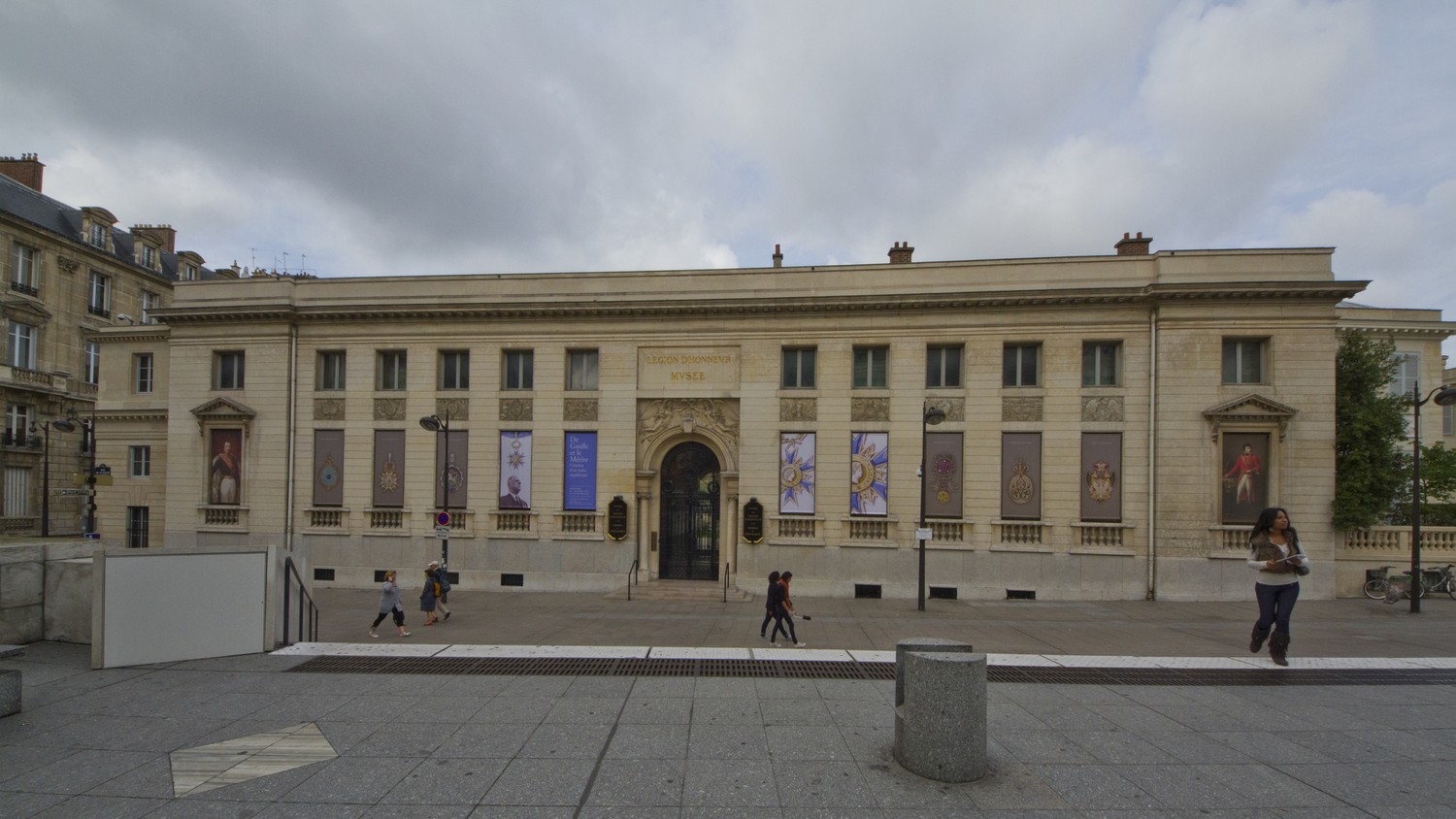
The Musée de la Légion d'honneur et des ordres de chevalerie stands apart as a singular institution within Paris’s artistic landscape—a place where history intertwines with visual artistry, offering visitors an unparalleled glimpse into France’s enduring values of courage and distinction. More than just a repository of medals and portraits, it embodies the nation’s commitment to recognizing achievement and upholding noble ideals. Located in the opulent Palais de la Légion d'honneur, itself a testament to neoclassical grandeur originally conceived for Frederick III, Prince of Salm-Kyrburg, this museum invites exploration into both military tradition and artistic expression.- Collection Highlights: The Musée’s core comprises an extraordinary assemblage of French Orders of Merit—the Légion d’honneur (established in 1802), the Médaille militaire (1852), and the Ordre national du Mérite (1963)—each meticulously documented and presented alongside a vast collection of historical medals and decorations spanning centuries. From Louis XI to the present day, these artifacts chronicle pivotal moments in French history, reflecting triumphs of valor and dedication.
- Napoleon’s Echoes: Visitors can immerse themselves in the atmosphere of Napoleon Bonaparte's era through captivating souvenirs—original documents, sketches, and artistic representations capturing the grandeur of his reign. Notably, Gustave Moreau’s monumental painting “Jason and Medea” powerfully conveys the drama and symbolism associated with this transformative period.
- International Recognition: Beyond French honors, the museum showcases a remarkable selection of awards bestowed upon France by nations across the globe—a tangible acknowledgment of its influence on diplomacy and cultural advancement.
- Portraits of Distinction: Admire over 300 portraits depicting luminaries who have been honored with France’s prestigious orders—artists, statesmen, military leaders, and thinkers whose achievements resonate through time. Pierre-Emmanuel Damoye's landscapes exemplify the Barbizon School’s aesthetic, capturing the serene beauty of rural France with masterful technique.
The Palais de la Légion d'honneur itself holds a storied past, having served as the seat of France’s highest honors since 1804—a location imbued with significance and reflecting the nation’s dedication to upholding ideals of courage and nobility. Following significant restoration efforts after enduring damage during the tumultuous Paris Commune in 1871, the palace continues to inspire awe and serves as a beacon of French heritage.
- Architectural Marvel: Constructed in 1782 for Frederick III, Prince of Salm-Kyrburg, the Palais exemplifies neoclassical elegance—characterized by symmetrical proportions and refined ornamentation.
- Historical Context: Established as a museum in 1925, it represents more than simply preserving objects; it embodies France’s commitment to honoring excellence and upholding noble traditions.
What distinguishes the Musée de la Légion d'honneur is its singular focus—a deliberate exploration of honor and merit within French society—presented in an intimate setting that allows for a profound appreciation of each exhibit’s nuances. Free admission ensures accessibility to this invaluable resource for anyone captivated by French history or artistic heritage. Furthermore, exhibitions regularly spotlight groundbreaking discoveries and interpretations, enriching the visitor's understanding of France’s cultural legacy.
Notable Artistic Representations
The museum’s collection includes masterpieces that powerfully convey themes of heroism and national pride. Gustave Moreau’s “Jason and Medea” stands as a cornerstone of French Romanticism, capturing the mythological narrative with dramatic composition and vibrant color palettes—a testament to artistic skill and symbolic resonance. Similarly, Jules-Émile Zingg's landscapes embody the Barbizon School’s aesthetic, reflecting the serene beauty of rural France through meticulous observation and expressive brushstrokes.