
Sadržaj
Ključne informacije
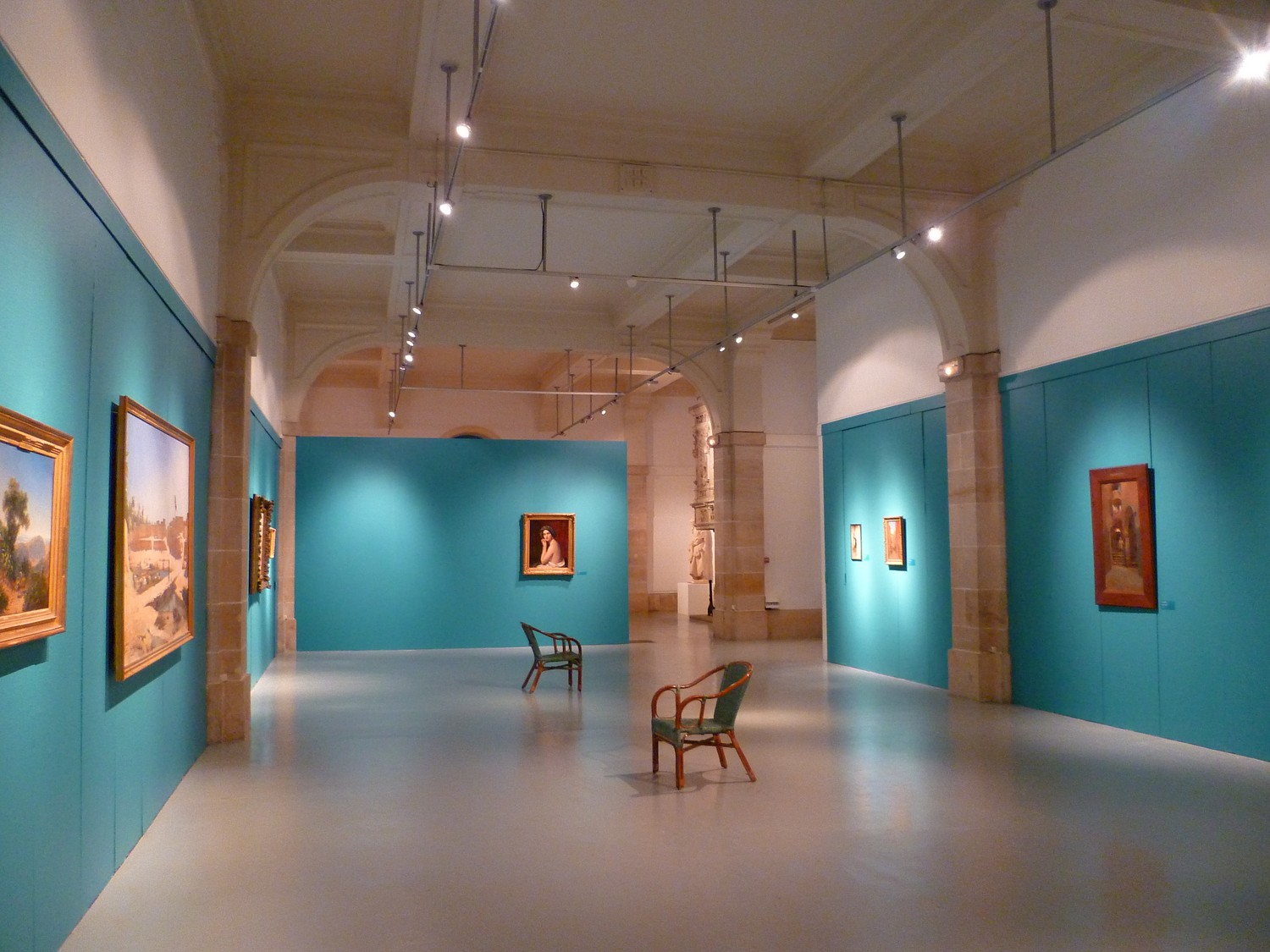
- Movements: baroque
- Alternate names:
- Musée des beaux-arts de Troyes
- musée Saint-Loup
- Musée des Beaux-Arts et dArchéologie de Troyes
- Musée des Beaux-Arts et de lArchéologie
- Featured artists: Lubin Baugin
- Location: Troyes, France
- Works on APS: 1
Kviz o umjetnosti
Svako pitanje ima samo jedan točan odgovor.
Pitanje 1:
What is the Musée des beaux-arts de Troyes primarily known for?
Pitanje 2:
The Treasure of Pouan, a significant archaeological find housed in the museum, represents what?
Pitanje 3:
Which artistic movement is particularly prominent in the Musée des beaux-arts de Troyes's collection?
Pitanje 4:
The Abbey of Saint Loup, where the museum is located, originally served as:
Pitanje 5:
What distinguishes the Musée des beaux-arts de Troyes from other museums?
Umjetnici u zbirci

Lubin Baugin
Istražite inovativne Luibine Bauginove motive mrtve prirode i religiozna djela iz 17. stoljeća u Francuskoj. Njegova djela, poznata po jedinstvenim perspektivama i kontrastirajućim stilovima, prizivaju bezvremensku eleganciju.

Srodni članci

Bronze Sculptures That Defined Art History | OriginalUniqueArt
Journey through art history with our Top 10 bronze sculptures! Explore masterpieces by Rodin, Michelangelo & more. Discover stories behind iconic statues and find museum-quality reproductions for your home decor at OriginalUniqueArt.com.

The Enduring Form: Exploring Themes & Techniques in Sculpture Across Historical Periods
Explore the rich history of sculpture from ancient masterpieces to contemporary innovations. Discover key techniques, influential artists & investment potential for discerning art collectors.
The Enduring Form: Sculpture Across History, Technique & Emotional Resonance
Explore the rich history of sculpture with OriginalUniqueArt. Discover key techniques, influential artists & investment potential for discerning collectors. Expert insights into valuing and collecting timeless masterpieces.


Pretplatite se na naš newsletter
Budite u tijeku s najnovijim umjetničkim vijestima, ekskluzivnim ponudama i idejama za dekoraciju.
Preuzmite 3 besplatna prijedloga umjetnina
Recite nam nešto o svom projektu, a naši će stručnjaci za umjetnost pripremiti 3 personalizirana prijedloga umjetnina.
Not Sure Where to Start?
Let Us Curate 3 Options Just for You - Free!