

Kronika urezana u kamen: Istraživanje Britanskog muzeja
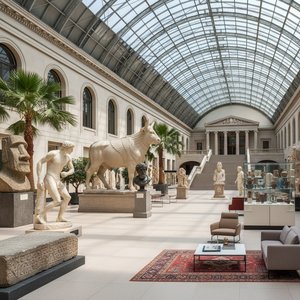
Britanski muzej nije samo zgrada ispunjena predmetima; to je proživljeno iskustvo, putovanje kroz vrijeme isklesano u kamenu i osvijetljeno stoljećima ljudskog truda. Zakoračiti preko njegovog praga poput ulaska u samo srce civilizacije – mjesto gdje odjeci faraona, imperatora i umjetnika odjekuju prostranim dvoranama. Temeljen na pedantno prikupljenim zbirkama sir Hansa Sloanea, osamnaestcentijskog liječnika i naturalista vođenog nezasitnom znatiželjom, muzej je započeo kao „kabinet čudnovatosti“, prostor za prosvjetitelne učenjaka za disekciju prirodnog svijeta i istraživanje umjetničkog stvaranja ljudi. Iz tih skromnih početaka, procvjetao je u prvi nacionalni javni muzej 1759. godine, nepovratno promijenivši način na koji društva komuniciraju sa svojom vlastitom baštinom – nasljeđe koje i danas odjekuje impresivnim zidovima Montagu Housea, njegovog prvobitnog doma, a sada i unutar svjetlosne prostranosti Great Courta. Sam zrak vibrira pod težinom akumuliranog znanja, pružajući opipljiv osjećaj povezanosti s onima koji su bili prije nas, suočavajući se s sličnim pitanjima o našem mjestu u svijetu.
Unutar njegovih zidova borne su dragocjenosti koje prkose lakom kategoriziranju – fragmenti imperija, šapati zaboravljenih bogova i uvid u ljudskog duha. Kolekcija je nevjerojatna tapiserija utkana iz svih kontinenata i milenija, obuhvaćajući sve, od monumentalnih skulptura antičkog Egipta do nježnih poteza četkicom majstora renesanse. Poseban vrhunac je nedvojbeno Rogavli kamen, otkriveni tijekom Napoleonove egipatske kampanje – ovaj neupadljivi komad granodiorita otključao je cijelu civilizaciju, pruživši ključ za dešifriranje hijeroglifa i otkrivanje tajni skrivenih u bezbrojnim grobnica i hramovima. Podjednako očaravajuci su Elgin Marbles, niz skulptura koje su prvotno krasile Partenon u Ateni, nudeći dirljiv podsjetnik na klasične ideale i umjetničko majstorstvo. same razmjere egipatskih galerija ostavljaju čovjeka skručenim, s kolosalnima statuama faraona koji čuvaju prolaze prema zagrobnom životu, dok detaljno rezbareni sarkofagi i živopisni slikani reljefi izravno prenose posjetitelje u svijet starog Egipta.
Nadvisujući se iznad svoje izvanredne kolekcije, sam Britanski muzej stoji kao svjedočanstvo arhitektonske ambicije i evoluirajućeg dizajna. Neoklasicističko remek-djelo sir Roberta Smirke, dovršeno 1852. godine, u početku je predstavljalo dostojanstvenu i impresivnu fasadu – odraz viktorijanskog vjerovanja u razum i napredak. Grandiozne kolone, simetrične fasade i visoke stepenice stvorile su osjećaj reda i trajnosti, utemeljivši muzej kao simbol britanske kulturne moći. Međutim, Great Court normativa Fostera dramatično transformira iskustvo posjetitelja. Ovaj golemi atrium s staklenim krovom preplavljuje interijer prirodnom svjetlošću, stvarajući dinamičnu interakciju između drevnih artefakata i moderne arhitekture – prostor koji djeluje istovremeno monumentalno i intimno. Kružni dizajn potiče istraživanje i potiče osjećaj povezanosti između različitih kultura i vremenskih razdoblja, pozivajući posjetitelje da zastanu, razmisle o golemoj razini ljudske povijesti i cijene ljepotu i umjetnosti i arhitektonske inovacije. Suprotstavljanje Smirkine klasične veličine Fosterovoj suvremenoj intervenciji samo je po sebi uvjerljiva priča – dijalog između tradicije i modernosti koji naglašava stalnu evoluciju muzeja.
Značajne izložbe i kontinuirani dijalog
Britanski muzej dosljedno ugošćuje izložbe svjetske klase koje osvjetljavaju različite aspekte globalne kulture, nudeći svježe perspektive na poznate artefakte i upoznavajući posjetitelje s manje poznatim blagima. Nedavni vrhunci uključivali su izložbe istražujuće drevne egipatske pogrebne rituale, prikazujući zamršenu umjetnost islamskog metalurgije – od svjetlucavih bodaka ukrasnih draguljima do delikatnog emajliranog rada koji prikazuje geometrijske uzorke – te ispitivanje evolucije portretne slikarije kroz stoljeća, otkrivajući kako su umjetnici bilježili sličnosti i osobine svojih subjekata. Ključno je da se predanost muzeja proteže izvan samog izlaganja; on aktivno sudjeluje u otvorenom dijalogu o etičkim odgovornostima koje su inherentne posjedovanju predmeta nabavljenih tijekom perioda kolonijalizma. Ova posvećenost transparentnosti i poticanju respektabilnih razgovora odražava rastuću svijest o važnosti priznavanja povijesnog konteksta njegove kolekcije i doprinosa pravednijem i jednakijem svijetu – vitalni element koji muzej izdvaja kao uistinu modernu instituciju.
Živo naslijeđe: Inspiracija za stvaratelje
Britanski muzej nije samo statični prikaz relikvija; to je živopisni centar istraživanja, znanosti i javnog angažmana. Njegovi kuratori aktivno su uključeni u razotkrivanje misterija prošlosti, koristeći najsavremeniju tehnologiju za analizu artefacije i reinterpretaciju povijesnih narativa. Muzej nudi bogatstvo resursa istraživačima, edukatorima i umjetnicima – radionice, predavanja i digitalne arhive koji omogućuju pristup njegovoj golemoj kolekciji i stručnosti. Nadalje, skladni spoj klasične veličine i suvremenog dizajna muzeja dugo je služio kao neiscrpan izvor inspiracije za unutarnje dizajnere, arhitekte i umjetnike u različitim poljima. Od zamrštenih uzoraka koji krase tekstil do suptilnih nijansi drevne keramike, muzej nudi vizualnu gozbu – svjedočanstvo njegove trajne privlačnosti kao izvora estetskih ideja i moćnog podsjetnika na kreativni duh čovječanstva. Odjeci ovih priča odjekuju ne samo unutar zidova Montagu Housea, već i u bezbrojnim umjetničkim djelima i dizajnima inspiriranim blagima koja on čuva.
Dodatna istraživanja
- Konjanik u službi konjice. Zahvaljujemo Britanskom muzeju (London). (Image URL: /en/art/paul-gavarni-a-cavalry-trumpeter-on-horseback-courtesy-of-the-British-Museum-London)
- Sjedeći muški akt (recto). (Image URL: /en/acija/michelangelo-buonarroti-sitting-male-nude-recto-8XZMQJ)
- Allegorija obilja. (Image URL: /en/art/sandro-botticelli-allegory-of-abundance-8Y33TF)
Za daljnje istraživanje, posjetite službenu web stranicu Britanskog muzeja: https://www.britishmuseum.org/