A Sanctuary of Japanese Art: Exploring the Art Research Center in Kyoto
Nestled within the ancient, mist-shrouded capital of Japan, Kyoto, lies a beacon for those seeking a deeper understanding of the delicate threads that weave Japanese art and culture together. The Art Research Center (ARC) at Ritsumeikan University is far more than a mere repository of historical artifacts; it is a dynamic, breathing institution dedicated to the preservation, research, and promotion of both the tangible and intangible. To step into the ARC is to embark on a journey through time, where the echoes of centuries past meet the cutting-edge digital innovations of the present. It serves as a vital bridge, connecting the profound legacies of ancient craftsmanship with the bold, experimental spirit of contemporary artistic expression.
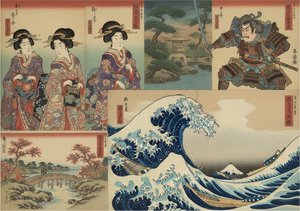
The heart of the center beats with the rhythm of a rich, storied past. The collection is a breathtaking tapestry of Japan’s artistic evolution, most notably celebrated for its remarkable array of ukiyo-e woodblock prints. These vibrant, ephemeral images, born from the bustling energy of the Edo period, offer a captivating glimpse into the lives, landscapes, and societal values of a bygone era. Beyond the printed page, the ARC showcases the exquisite skill embedded in traditional Japanese crafts. Visitors may find themselves mesmerized by delicate ceramics that whisper tales of ancient kilns, lustrous lacquerware reflecting generations of meticulous expertise, and intricately woven textiles that embody a perfect harmony of beauty and functionality. Each piece is treated not merely as an object, but as a tangible link to a cultural lineage, meticulously documented to ensure their stories inspire future generations.
Where Tradition Meets the Digital Frontier
While its roots are deeply embedded in tradition, the Art Research Center is a pioneer of the future. Recognizing that art evolves alongside technology, the center actively champions contemporary endeavors, exhibiting works by emerging artists who push the boundaries of what Japanese art can be in the 21st century. This deliberate juxtaposition creates a compelling dialogue between eras, prompting reflection on how heritage informs modern creativity. Perhaps most impressively, the ARC has become a global leader in digital archiving. By employing high-resolution scanning, 3D modeling, and interactive databases, the center meticulously preserves fragile artifacts, making them accessible to researchers and art enthusiasts across the globe. This commitment ensures that Japan’s artistic legacy transcends geographical boundaries, fostering a worldwide community of scholarly inquiry.
The physical architecture of the center itself is a masterpiece of modern integration. Situated in Kyoto’s historic Higashiyama district—a UNESCO World Heritage Site—the building stands as a striking example of minimalist design seamlessly woven into the surrounding landscape. Its clean lines and expansive windows, which overlook serene Zen gardens, provide a quiet counterpoint to the ornate temples and shrines that dominate the area. This architectural choice symbolizes the ARC's role as a conduit between tradition and progress. Inside, the orientation maximizes natural light, illuminating the artworks with a soft, contemplative glow that invites visitors of all abilities to engage deeply with the collections through thoughtfully designed, accessible spaces.
A Living Legacy of Research and Discovery
Since its establishment in 1998, the Art Research Center has functioned as a catalyst for cultural discussion. Its notable exhibitions explore diverse themes ranging from the rhythmic complexities of Japanese calligraphy to the dramatic nuances of Noh theater and Kyogen puppetry. These are not merely displays; they are intellectual provocations that invite audiences to consider questions of identity, interpretation, and the role of art in shaping society. Through global collaborations and rigorous research initiatives, the ARC continues to expand our collective understanding of both visual and performing arts.
Looking toward the horizon, the center remains steadfast in its mission to cultivate intellectual curiosity. Future directions include the development of immersive educational programs for young learners and the exploration of even more advanced digital frontiers, such as virtual reality experiences and interactive storytelling. For the art lover, the collector, or the designer seeking inspiration, the Art Research Center offers an unparalleled encounter with the soul of Japan—a place where every artifact is a vessel for an ancient spirit, waiting to be rediscovered through the lens of modern wonder.