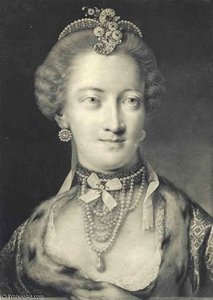
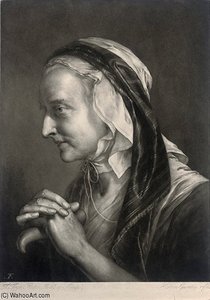
Portret Thomas Frye

40 najpoznatijih djela umjetnika Thomas Frye, svako jedinstveno

Ažurirano Studeni 2026 · rangirano prema našoj ocjeni popularnosti (pretraživanja, posjeti i narudžbe za svako djelo) · 40 djela Thomas Frye u našem katalogu

Ukratko

Thomas Frye (1759) je slika autora Thomas Frye koja privlači najviše pogleda; original se nalazi u muzeju National Portrait Gallery, London. Nakon toga, pogled se usmjerava na Portrait of Sir Charles Kemeys-Tynte, Baronet (1710-1785) (1739) i Portrait of John Allen of Bridgewater (1739). Među 40 djela umjetnika Thomas Frye u našem katalogu, ovih 40 su najpoznatija, od kojih je svako jedinstveni original predstavljen s godinom nastanka, muzejom i razlogom zbog kojeg je vječno.

1710 – 1762, Dublin Najviše djela: National Gallery of Ireland

Top 10 djela Thomas Frye kroz oči galerije

1
Thomas Frye (1759) od Thomas Frye

Thomas Frye

1759 · Oil On Canvas · National Portrait Gallery, London

Created in 1759, this oil on canvas work presents the artist, Thomas Frye, as his own subject. The portrait captures the man in a three-quarter view, presenting a formal and somber appearance. He is depicted with light-colored, powdered hair that contrasts against the darker tones of his attire. A dark jacket and a white neckcloth define his clothing, grounding the figure within a restrained, eighteenth-century aesthetic.

Slavna djela umjetnika Thomas Frye, od 11. do 40. broj

Motivi koji su privukli pažnju Thomas Frye

Četiri teme koje se najčešće ponavljaju u ovim originalima, svaka s svojim vrhunskim primjerom.

Muzeji koji čuvaju originalna djela umjetnika Thomas Frye

7 muzeja u kojima se nalazi najviše djela s ove stranice.

Muzej Grad Djela autora Thomas Frye Slike iz ovog popisa
National Gallery of Ireland, DublinNational Gallery of Ireland Dublin 3 Portrait of Sir Charles Kemeys-Tynte, Baronet (1710-1785), Portrait of John Allen of Bridgewater, Portrait of Susannah Walker
National Portrait Gallery, LondonNational Portrait Gallery London 1 Thomas Frye
Royal Collection, LondonRoyal Collection London 1 Frederick, Prince of Wales (1707-1751)
Yale Center for British Art, New HavenYale Center for British Art New Haven 1 A Woman, Traditionally Identified as Mrs.Wardle
Metropolitan Museum of Art, New YorkMetropolitan Museum of Art New York 1 Untitled (D2WVNF)
Nationalmuseum, StockholmNationalmuseum Stockholm 1 Unknown man
Skotska nacionalna galerija portreta, EdinburghSkotska nacionalna galerija portreta Edinburgh 1 Richard Leveridge

Thomas Frye kroz desetljeća: jedan jedinstveni original za svako

Djela po desetljećima

Odaberite desetljeće kako biste vidjeli original koji ga definira.

Slike umjetnika Thomas Frye: pitanja za galeriju

Koje je najpoznatije djelo umjetnika Thomas Frye?Otkrijte odgovor

Thomas Frye (1759), National Portrait Gallery, London. Nakon njih slijede Portrait of Sir Charles Kemeys-Tynte, Baronet (1710-1785) (1739) i Portrait of John Allen of Bridgewater (1739).

U kojoj je dobi Thomas Frye stvorio/la Thomas Frye?Otkrijte odgovor

49 godina: Thomas Frye datira iz 1759, a Thomas Frye je rođen/a 1710.

Koja su deset najpoznatijih slika umjetnika Thomas Frye?Otkrijte odgovor

Thomas Frye, Portrait of Sir Charles Kemeys-Tynte, Baronet (1710-1785), Portrait of John Allen of Bridgewater, Frederick, Prince of Wales (1707-1751), A Woman, Traditionally Identified as Mrs.Wardle, Portrait of Susannah Walker, Untitled (D2WVNF), Unknown man, The Observer i Untitled. Gornji rang prikazuje godinu i muzej za svako od njih.

Koliko je poznatih djela umjetnika Thomas Frye?Otkrijte odgovor

Naš katalog sadrži 40 djela umjetnika Thomas Frye, datiranih od 1739 do 1760.

Gdje se mogu vidjeti najpoznatiji originali umjetnika Thomas Frye?Otkrijte odgovor

Većinom u National Gallery of Ireland (Dublin), National Portrait Gallery (London) i Royal Collection (London). Gornja tablica muzeja navodi sve njih.

U kojem je razdoblju Thomas Frye stvorio/la svoje najpoznatije slike?Otkrijte odgovor

U 1730s: 2 od 40 djela na ovoj stranici nastalo je tada, od čega je Portrait of Sir Charles Kemeys-Tynte, Baronet (1710-1785) Portrait of Sir Charles Kemeys-Tynte, Baronet (1710-1785).

Koje je najranije, a koje najkasnije poznato djelo Thomas Frye?Otkrijte odgovor

Na ovoj stranici najstarije djelo je iz Portrait of Sir Charles Kemeys-Tynte, Baronet (1710-1785) (1739), a najnovije iz Portrait of Susannah Walker (1760).

Koje je motive Thomas Frye preferirao?Otkrijte odgovor

Portraits (8), Portrait (5) i Men (4), kroz svih 40 djela na ovoj stranici.

Koje originale umjetnika Thomas Frye mogu vidjeti u muzeju National Gallery of Ireland?Otkrijte odgovor

Portrait of Sir Charles Kemeys-Tynte, Baronet (1710-1785), Portrait of John Allen of Bridgewater i Portrait of Susannah Walker: National Gallery of Ireland, Dublin posjeduje 3 djela s ove stranice.

Thomas Frye: portret umjetnika

The Versatile Legacy of Thomas Frye

Thomas Frye stands as a remarkable figure of the eighteenth century, an Anglo-Irish polymath whose creative reach extended far beyond the traditional boundaries of portraiture. Born in Edenderry, Ireland, Frye’s journey from his Irish roots to the vibrant artistic circles of London allowed him to cultivate a diverse mastery over various media. He was not merely a painter but a skilled engraver and a pioneer in the delicate art of porcelain manufacturing. His ability to navigate between the intimate scale of miniatures and the grand presence of oil portraits marks him as one of the most significant Irish artists of his era, blending technical precision with an innate understanding of character.

His artistic development was characterized by a profound command over both color and line. In his portraiture, Frye utilized oil and pastel to capture the aristocratic grace and psychological depth of his subjects. Whether rendering the soft textures of skin in a pastel miniature or the stately presence of figures like Lieutenant Colonel George Walsh, his work resonates with an enduring elegance. His early explorations in mezzotint engraving further demonstrated his technical prowess, allowing him to disseminate his visual narratives through print, reaching a much wider audience than the single canvas could ever permit.

A Pioneer of Porcelain and Print

Beyond the easel, Frye’s historical significance is deeply intertwined with the industrial and decorative arts of England. He was a man of immense entrepreneurial spirit, most notably serving as the patentee of the Bow porcelain factory in London. In an era of intense competition among ceramic innovators, Frye claimed a central role in the history of English pottery, even asserting in his epitaph that he was the inventor and first manufacturer of porcelain in England. While historical debate continues regarding his precedence over rivals at the Chelsea factory, his management of the Bow works remains a cornerstone of his multifaceted career.

The breadth of his contributions can be summarized through his various artistic roles:

  • Portrait Painter: Renowned for his ability to capture likenesses in oil, pastel, and chalk, ranging from delicate miniatures to full-length compositions.
  • Printmaker: A skilled engraver who utilized the mezzotint technique to publish series of life-size fancy portraits.
  • Ceramic Innovator: A key figure in the development of English porcelain through his leadership at the Bow porcelain factory.

Frye’s life was a testament to the intersection of fine art and industrial innovation. Even as he faced personal hardships, such as the respiratory struggles that eventually led him to retire to Wales, his dedication to his craft never wavered. His legacy survives not only in the galleries of prestigious institutions like The Metropolitan Museum of Art but also in the very fabric of English decorative history, leaving an indelible mark on the visual culture of the eighteenth century.