


1

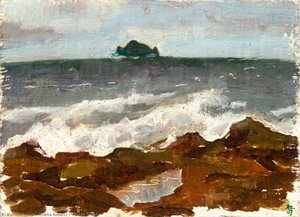
Ažurirano Studeni 2026 · rangirano prema našoj ocjeni popularnosti (pretraživanja, posjeti i narudžbe za svako djelo) · 12 djela Mary Roberts u našem katalogu
Ukratko
Od svih originala koje je Mary Roberts ostavio, najpoznatiji je Hester Middleton (1752) u kolekciji muzeja Metropolitan Museum of Art, New York. Samo iza njih slijede Thomas Middleton (1752) i William Middleton (1752). Naš katalog sadrži 12 djela umjetnika Mary Roberts; galerija je čuvala onih 12 koja svijet najviše divi, a svako je prikazano s datumom nastanka, muzejom i pričanom.


3 muzeja u kojima se nalazi najviše djela s ove stranice.
| Muzej | Grad | Djela autora Mary Roberts | Slike iz ovog popisa |
|---|---|---|---|
 National Trust |
Guildford | 6 | Pelican Island, Fanny Cobbe (b.1971), Rosie Cobbe (b.1973) |
 Metropolitan Museum of Art |
New York | 5 | Hester Middleton, Thomas Middleton, William Middleton |
 Museo Casa de los Tiros de Granada |
Granada | 1 | The Darro river by Carmen convent |
Hester Middleton (1752), Metropolitan Museum of Art, New York. Nakon njih slijede Thomas Middleton (1752) i William Middleton (1752).
Hester Middleton, Thomas Middleton, William Middleton, Williams Middleton, Henrietta Middleton, The Darro river by Carmen convent, Pelican Island, Fanny Cobbe (b.1971), Rosie Cobbe (b.1973) i Alec Cobbe (b.1945), in His Studio at Hatchlands. Gornji rang prikazuje godinu i muzej za svako od njih.
Naš katalog sadrži 12 djela umjetnika Mary Roberts.
Većinom u National Trust (Guildford), Metropolitan Museum of Art (New York) i Museo Casa de los Tiros de Granada (Granada). Gornja tablica muzeja navodi sve njih.
Pelican Island, Fanny Cobbe (b.1971) i Rosie Cobbe (b.1973): National Trust, Guildford posjeduje 6 djela s ove stranice.
The work of Amelia Roberts is a captivating journey into the realm of surrealism, deeply rooted in the landscapes and cultural heritage of Wales. More than simply depicting scenes, she meticulously constructs narratives—whispers of myth, fragments of memory, and the quiet beauty found within the everyday. Her canvases are not merely representations; they’re portals to alternate realities, inviting viewers to contemplate the intricate connections between nature, human experience, and the subconscious.
Born in South Wales, Amelia Seren Roberts' artistic trajectory began with a grounding in traditional Welsh quilting techniques – skills inherited from her family. This foundation, however, quickly evolved beyond mere craft; she embraced water media, ink, and pencil, layering these diverse mediums to create textures and effects that are both strikingly tactile and profoundly evocative. Her early influences were broad, encompassing the dreamlike imagery of René Magritte, whose exploration of perception and reality resonated deeply with her own artistic sensibilities. Alongside this European inspiration, Roberts’ work is inextricably linked to her Welsh identity – a potent blend of folklore, history, and a profound connection to the land.
Roberts’ artistic process is often described as a form of intuitive exploration. She speaks of receiving images—fragments of dreams, fleeting glimpses of nature, and echoes of stories passed down through generations – which then become the starting point for her paintings. These aren't meticulously planned compositions; rather, they emerge organically as she allows herself to be guided by the flow of creativity. This approach is evident in pieces like “Pelican Island,” a mesmerizing depiction of a solitary pelican perched on a rocky outcrop, surrounded by an ethereal mist and a sky filled with swirling colors. The image isn’t simply a portrait of a bird; it's a meditation on isolation, resilience, and the enduring power of nature.
Her fascination with animals is particularly striking. From detailed renderings of reptiles to graceful portrayals of birds in flight, Roberts imbues her subjects with a sense of dignity and vulnerability. These creatures aren’t merely depicted; they are imbued with personality—a quiet wisdom, a subtle melancholy, or an unbridled joy. This reflects a broader concern with the interconnectedness of all living things – a theme that is consistently woven throughout her work.
Roberts' connection to Wales extends far beyond mere geographical origin; it’s deeply embedded in her artistic vision. She draws inspiration from Welsh mythology, folklore, and the rich tapestry of its cultural heritage. The recurring motif of Celtic knots—symbols of eternity and interconnectedness—appears frequently in her paintings, adding a layer of ancient symbolism to her contemporary imagery. Her work often references historical figures and events, subtly reimagining them through a surreal lens.
The influence of the Robert family is also significant. Her great-aunt Fanny Cobbe, a prominent Welsh artist herself, provided a powerful example of artistic expression rooted in local traditions. The legacy of her ancestors—including the renowned librarian Alec Cobbe—further informs her approach to storytelling and her commitment to preserving cultural narratives.
Notable Works:**Amelia Roberts’ art is a testament to the power of imagination, intuition, and cultural heritage. Her work has been exhibited widely, including at the Robert Hull Fleming Museum in Burlington, Vermont, and featured in publications such as ArtReview and LeftLion. Her ongoing commitment to exploring the boundaries between reality and dreams, coupled with her deep connection to Wales, ensures that her artistic voice will continue to resonate for years to come.
Roberts’ work is not simply a reflection of the past; it's an active engagement with the present—a vibrant dialogue between tradition and innovation. She remains dedicated to pushing the boundaries of her craft, inviting viewers to lose themselves in the captivating worlds she creates on canvas.

