Portret Josip Danhauser

42 najpoznatijih djela umjetnika Josip Danhauser, galerijska selekcija

Ažurirano Studeni 2026 · rangirano prema našoj ocjeni popularnosti (pretraživanja, posjeti i narudžbe za svako djelo) · 43 djela Josip Danhauser u našem katalogu

Ukratko

Od svih originala koje je Josip Danhauser ostavio, najpoznatiji je Liszt Fantasizing at the Piano. Samo iza njih slijede The Scholars' Room (1842) i Portrait of the Piano-Manufcturer Konrad Graf (1840). Naš katalog sadrži 43 djela umjetnika Josip Danhauser; galerija je čuvala onih 42 koja svijet najviše divi, a svako je prikazano s datumom nastanka, muzejom i pričanom.

1805 – 1845, Beč Biedermeier Najviše djela: Austrijska galerija Belvedere

Top 10 djela umjetnika Josip Danhauser: izbor galerije

1
Liszt Fantasizing at the Piano od Josip Danhauser

Liszt Fantasizing at the Piano

Oil On Panel

In the heart of 19th-century Vienna, where the air was often thick with the scent of coffee and the echoes of burgeoning Romanticism, Josef Franz Danhauser captured a moment of pure, unadulterated musical transcendence. His masterpiece, Liszt Fantasizing at the Piano, is far more than a mere depiction of a social gathering; it is a window into a vanished era of elegance and artistic fervor. As we gaze upon the…

2
The Scholars' Room (1842) od Josip Danhauser

The Scholars' Room

1842 · Painting · Austrijska galerija Belvedere, Beč

The scene captured in this evocative depiction, "The Scholars' Room," invites the viewer into an intimate moment suspended outside the rush of time. It is a tableau vivant of intellectual pursuit, where the weight of accumulated knowledge seems to mingle with the gentle murmur of conversation. One cannot help but feel the palpable atmosphere of deep contemplation emanating from the gathering. The composition centers around a table laden not just…

3
Portrait of the Piano-Manufcturer Konrad Graf (1840) od Josip Danhauser

Portrait of the Piano-Manufcturer Konrad Graf

The artwork is titled Portrait of the Piano-Manufcturer Konrad Graf. It was painted by the artist Josef Danhauser. The subject of this oil painting is Konrad Graf, a man who was one of Vienna's most outstanding piano-manufacturers during the early nineteenth century. This portrait was commissioned by Graf in 1840, a year when he acted as a patron to contemporary artists such as Josef Danhauser.

4
Wallstein's Grave (1828) od Josip Danhauser

Wallstein's Grave

1828 · Oil On Canvas

In Wallstein's Grave, Josef Danhauser captures a moment of profound stillness following the chaos of conflict. The scene unfolds in a pastoral landscape where the weight of tragedy hangs heavy in the air. A fallen soldier lies prone in the foreground, his white, shroud-like clothing stark against the earthy tones of the terrain. Over him, a chestnut horse stands in a posture of quiet mourning, nudging the fallen man in…

5
The Sleeping Painter in the Studio (1830) od Josip Danhauser

The Sleeping Painter in the Studio

1830 · Oil On Canvas

Created in 1830, this piece reflects the Biedermeier spirit through its focus on the beauty of the everyday and the quietude of domestic or private life. It moves away from the grandiosity of historical portraiture to find meaning in a simple, unposed moment. The painting avoids the theatrical, opting instead for a realistic approach that captures the subtle nuances of human existence. There is a certain gravity in this repose,…

6
Funny Scene in the Studio (1829) od Josip Danhauser

Funny Scene in the Studio

1829 · Oil On Canvas

The scene unfolds within the chaotic confines of an artist's workspace in Funny Scene in the Studio. Painted by Josef Danhauser, this oil on canvas captures a sudden, humorous mishap that disrupts the quiet order of the room. A person, a dog, and a large easel find themselves caught in a moment of unexpected disorder, freezing a split second of comedy in time. The energy of the accident ripples through…

7
Self-portrait (1830) od Josip Danhauser

Self-portrait

1830 · Oil On Canvas

A young man is captured in a three-quarter view, his gaze directed toward the viewer with a composed, steady expression. The portrait, rendered in a realistic academic style, emphasizes the quiet refinement of the Biedermeier era. Light enters from the upper left, casting soft shadows across the contours of the face and creating a sense of three-dimensional form through a controlled chiaroscuro effect. The subject is positioned against a dark,…

8
Portrait of a Young Woman (1830) od Josip Danhauser

Portrait of a Young Woman

1830 · Oil On Canvas

The portrait painting titled 'Portrait of a Young Woman' was created by the artist Josef Danhauser. This work dates to 1830. The subject is presented in a bust-length composition, positioned centrally within the frame. The figure faces slightly toward the viewer's left, while the gaze is directed forward toward the observer.

9
Poor (young) Painter in a Cottage Studio (1831) od Josip Danhauser

Poor (young) Painter in a Cottage Studio

1831 · Oil

In Poor (young) Painter in a Cottage Studio, Josef Danhauser presents a melancholic and intimate monochrome scene set within a cluttered, dimly lit attic studio. The composition centers on the seated figure of the painter, positioned slightly off-center amidst the remnants of his craft. A grayscale palette defines the space, utilizing a wide range of tones from deep blacks in the shadows to bright whites where light enters through a…

10
Portrait of a Woman (1836) od Josip Danhauser

Portrait of a Woman

1836 · Oil On Canvas

This oil on canvas painting, titled Portrait of a Woman, was executed by the Austrian artist Josef Danhauser in 1836. It is a quiet study of a female subject, presented in a profile view that emphasizes the stillness of the moment. The work belongs to the genre of portraiture, capturing a specific presence through the careful application of pigment on the canvas.

Izbor umjetnika Josip Danhauser se nastavlja, od 11 do 42

Slavna djela Josip Danhauser po razdobljima

Motivi koji su privukli pažnju Josip Danhauser

Četiri teme koje se najčešće ponavljaju u ovim originalima, svaka s svojim vrhunskim primjerom.

Muzeji koji čuvaju originalna djela umjetnika Josip Danhauser

6 muzeja u kojima se nalazi najviše djela s ove stranice.

Muzej Grad Djela autora Josip Danhauser Slike iz ovog popisa
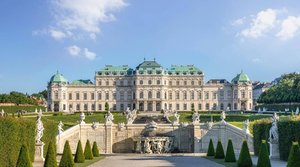
Austrijska galerija Belvedere, BečAustrijska galerija Belvedere Beč 2 The Scholars' Room, Mother Love (also known as Mutterliebe)
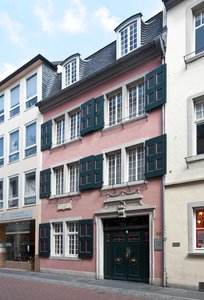
Beethoven-Haus Bonn, BonnBeethoven-Haus Bonn Bonn 2 Beethoven, Beethoven
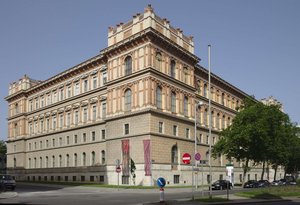
Academy of Fine Arts Vienna, ViennaAcademy of Fine Arts Vienna Vienna 1 Portrait of the Piano-Manufcturer Konrad Graf
Szépművészeti Múzeum, BudimpeštaSzépművészeti Múzeum Budimpešta 1 Siesta (The Sleepers)
Residenzgalerie, SalzburgResidenzgalerie Salzburg 1 The Widow's Offering
Alte Nationalgalerie, BerlinAlte Nationalgalerie Berlin 1 Liszt at the Piano

Josip Danhauser desetljeće po desetljeće: original koji definira svako od njih

Djela po desetljećima

Odaberite desetljeće kako biste vidjeli original koji ga definira.

Pitanja kolekcionara o slikama umjetnika Josip Danhauser

Po kojem je djelu Josip Danhauser najpoznatiji/a?Otkrijte odgovor

Liszt Fantasizing at the Piano. Sljedeći su The Scholars' Room (1842) i Portrait of the Piano-Manufcturer Konrad Graf (1840).

Koja su deset najpoznatijih djela umjetnika Josip Danhauser?Otkrijte odgovor

Liszt Fantasizing at the Piano, The Scholars' Room, Portrait of the Piano-Manufcturer Konrad Graf, Wallstein's Grave, The Sleeping Painter in the Studio, Funny Scene in the Studio, Self-portrait, Portrait of a Young Woman, Poor (young) Painter in a Cottage Studio i Portrait of a Woman. Gornji rang prikazuje godinu i muzej za svako od njih.

Koliko je slika ostavio/la Josip Danhauser?Otkrijte odgovor

Naš katalog sadrži 43 djela umjetnika Josip Danhauser, datiranih od 1827 do 1844.

U kojim se muzejima nalaze remek-djela umjetnika Josip Danhauser?Otkrijte odgovor

Većinom u Austrijska galerija Belvedere (Beč), Beethoven-Haus Bonn (Bonn) i Academy of Fine Arts Vienna (Vienna). Gornja tablica muzeja navodi sve njih.

U kojim je godinama Josip Danhauser naslikao svoja najpoznatija djela?Otkrijte odgovor

U 1830s: 14 od 42 djela na ovoj stranici nastalo je tada, od čega je The Sleeping Painter in the Studio The Sleeping Painter in the Studio.

Koja su prva i posljednja poznata originalna djela umjetnika Josip Danhauser?Otkrijte odgovor

Na ovoj stranici najstarije djelo je iz Beethoven (1827), a najnovije iz Social Scene (1844).

Koje je motive Josip Danhauser najčešće birao?Otkrijte odgovor

Man (10), Woman (8) i People (6), kroz svih 42 djela na ovoj stranici.

Koju je tehniku najčešće koristio/la Josip Danhauser?Otkrijte odgovor

Oil On Canvas, za 10 od 42 djela na ovoj stranici.

Pripada li Josip Danhauser kojem umjetničkom pokretu?Otkrijte odgovor

Biedermeier, sudeći po originalima na ovoj stranici.

Koji se radovi umjetnika Josip Danhauser nalaze u muzeju Austrijska galerija Belvedere?Otkrijte odgovor

The Scholars' Room i Mother Love (also known as Mutterliebe): Austrijska galerija Belvedere, Beč posjeduje 2 djela s ove stranice.

Josip Danhauser: život i djelo

Život zapisan u duhu Biedermeiera

Rođen u Beču, Josip Danhauser istaknuo se kao istaknuta figura unutar Austrijskog Carstva, ostavivši za sobom naslijeđe koje duboko odražava Biedermeier razdoblje. Kao sin kipara i proizvođača namještaja, Josepha Ulricha Danhausera, njegovi su rani umjetnički sklonosti bili potaknuti očevom rukom. Ta temelj u obrtništvu i dizajnu vjerojatno je utjecao na pedantnu preciznost koju nalazimo u njegovim kasnijim djelima. Njegov put kroz dvorane Bečke akademije likovnih umjetnosti omogućio mu je da usavrši svoje vještine pod mentorstvom majstora poput Johann Petera Kraffta, postavljajući scenu za karijeru koja će oscilirati između tihe intimnosti kućnih scena i duboke težine povijesnog portretizma.

Njegov život nije bio samo proces usamljene kreacije, već je bio i isprepleten industrijskim duhom njegovog doba. Nakon očev smrti, Danhauser se našao u ulozi upravitelja obiteljskog tvornice namještaja zajedno sa svojom braćom. To razdoblje uključenosti u moderni dizajn služilo je kao kratka pauza u njegovoj slikarškoj karijeri, no nedvojbeno je pridonijelo estetskom osjećaju koji će kasnije definirati njegova žanrovska djela. Njegova putovanja kroz Veneciju i Prag dodatno su obogatila njegov vizualni vokabular, omogućujući mu da upije utjecaj talijanskih majstora i integrira širu europsku perspektivu u svoje austrijsko podrijetlo.

Majstorstvo žanra i emocije

Danhauserova umjetnost najviše je slavljena zbog njezine sposobnosti da uhvati suptilne nijanse ljudskog postojanja. Specijalizirao se za žanrovska djela, često prožimajući svakodnevne scene moralističkim undertonovima i narativnom dubinom koja podsjeća na Williama Hogartha. Njegine slike često pozivaju gledatelja u tihe, kontemplativne prostore—bilo to intelektualno utočište u djelu The Scholars' Room ili spokojnu, suncem okrunjenu tišinu u djelu Siesta (The Sleepers). U tim radovima koristio je meke palete i majstorsko tonalno sjeničenje kako bi izazvao osjećaj topline, druženja i nježnog prolaska vremena.

Izvan domovinske sfere, Danhauser je posjedovao nevjerojatnu sposobnost hvatanja esencije veličine. Njegov portret Beethovena stoji kao svjedočanstvo njegove vještine u romantičkom impresionizmu, nadilazeći puku sličnost kako bi preniolo psihološku intenzivnost i svečanu dostojanstvenost legendarnog skladatelja. Korištenjem pažljivog svjetla i sjene, oblikovao je formu i emociju, stvarajući djela koja odjekuju aurom introspekcije. Bilo da je prikazivao glazbenu transcendenciju u djelu Liszt Fantasizing at the Piano ili sumornu stvarnost na samrti, Danhauserov kist uhvatio je sam puls romantizma 19. stoljeća.

Naslijeđe i umjetnički značaj

Iako je veći dio njegovog rada ostao neuzvraćen tijekom njegovog vlastitog života, povijesni značaj koji nosi Josip Danhauser leži u njegovoj ulozi kao istinskog kroničara svog doba. Njegov doprinos pokretu Biedermeier pomogao je definirati eru koju karakterizira suzdržana elegancija i fokus na ljepotu svakodnevice. Njegova postignuća, uključujući osvajanje nagrade Bečke akademije za Die Verstoßung der Hagar i službu vice-rektora Akademije, naglašavaju njegov položaj unutar umjetničke zajednice Beča.

Trajniu privlačnost njegovog opusa mogu pronaći u nekoliko ključnih elemenata:

  • Narativna dubina: Njegova sposobnost tkanja moralističkih tema u prilično jednostavne kućne scene.
  • Tehnička svestranost: Majstorstvo koje se kreće od delikatnih pastelnih nijansi njegovih pejzaža do oštrog, dramatičnog chiaroscuro efekta u njegovim portretima.
  • Kulturna povezanost: Njegov jedinstveni položaj na raskršću piękne umjetnosti, dizajna namještaja i uslednog romantičkog pokreta.