Portret Fairlie Harmar

18 najpoznatijih djela umjetnika Fairlie Harmar, galerijska selekcija

Ažurirano Listopad 2026 · rangirano prema našoj ocjeni popularnosti (pretraživanja, posjeti i narudžbe za svako djelo) · 18 djela Fairlie Harmar u našem katalogu

Ukratko

Od svih originala koje je Fairlie Harmar ostavio, najpoznatiji je After A Game Of Tennis (1923) u kolekciji muzeja Birmingham Museum and Art Gallery, Birmingham. Samo iza njih slijede St Giles, Oxford i The Bridge at Monxton (1916). Naš katalog sadrži 18 djela umjetnika Fairlie Harmar; galerija je čuvala onih 18 koja svijet najviše divi, a svako je prikazano s datumom nastanka, muzejom i pričanom.

1876 – 1945, Weymouth Najviše djela: Wolverhampton Art Gallery

Top 10 djela umjetnika Fairlie Harmar: izbor galerije

Izbor umjetnika Fairlie Harmar se nastavlja, od 11 do 18

Motivi koji su privukli pažnju Fairlie Harmar

Četiri teme koje se najčešće ponavljaju u ovim originalima, svaka s svojim vrhunskim primjerom.

Muzeji koji čuvaju originalna djela umjetnika Fairlie Harmar

5 muzeja u kojima se nalazi najviše djela s ove stranice.

Muzej Grad Djela autora Fairlie Harmar Slike iz ovog popisa
Wolverhampton Art Gallery, WolverhamptonWolverhampton Art Gallery Wolverhampton 2 Ships on the Thames, Flowers
Birmingham Museum and Art Gallery, BirminghamBirmingham Museum and Art Gallery Birmingham 1 After A Game Of Tennis
Walker Art Gallery, LiverpoolWalker Art Gallery Liverpool 1 The Bridge at Monxton
The Ashmolean Museum of Art and Archaeology, OxfordThe Ashmolean Museum of Art and Archaeology Oxford 1 The Laurel Walk
Darlington Library, DarlingtonDarlington Library Darlington 1 Chibbet, Exmoor, Somerset

Fairlie Harmar desetljeće po desetljeće: original koji definira svako od njih

Djela po desetljećima

Odaberite desetljeće kako biste vidjeli original koji ga definira.

Pitanja kolekcionara o slikama umjetnika Fairlie Harmar

Po kojem je djelu Fairlie Harmar najpoznatiji/a?Otkrijte odgovor

After A Game Of Tennis (1923), Birmingham Museum and Art Gallery, Birmingham. Nakon njih slijede St Giles, Oxford i The Bridge at Monxton (1916).

Koliko je godina Fairlie Harmar imao/la kada je nastalo djelo After A Game Of Tennis?Otkrijte odgovor

47 godina: After A Game Of Tennis datira iz 1923, a Fairlie Harmar je rođen/a 1876.

Koja su deset najpoznatijih djela umjetnika Fairlie Harmar?Otkrijte odgovor

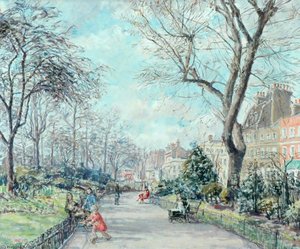
After A Game Of Tennis, St Giles, Oxford, The Bridge at Monxton, The Laurel Walk, Women's Royal Air Force Workers Drilling at Andover Aerodrome, Birthday Celebration, Garden Gate, L'Aveyron, Cheyne Walk Gardens i Sarson Farm, Early Spring. Gornji rang prikazuje godinu i muzej za svako od njih.

Koliko je slika ostavio/la Fairlie Harmar?Otkrijte odgovor

Naš katalog sadrži 18 djela umjetnika Fairlie Harmar, datiranih od 1912 do 1938.

U kojim se muzejima nalaze remek-djela umjetnika Fairlie Harmar?Otkrijte odgovor

Većinom u Wolverhampton Art Gallery (Wolverhampton), Birmingham Museum and Art Gallery (Birmingham) i Walker Art Gallery (Liverpool). Gornja tablica muzeja navodi sve njih.

U kojim je godinama Fairlie Harmar naslikao svoja najpoznatija djela?Otkrijte odgovor

U 1920s: 4 od 18 djela na ovoj stranici nastalo je tada, od čega je After A Game Of Tennis After A Game Of Tennis.

Koja su prva i posljednja poznata originalna djela umjetnika Fairlie Harmar?Otkrijte odgovor

Na ovoj stranici najstarije djelo je iz The Laurel Walk (1912), a najnovije iz Cheyne Walk Gardens (1938).

Koji se radovi umjetnika Fairlie Harmar nalaze u muzeju Wolverhampton Art Gallery?Otkrijte odgovor

Ships on the Thames i Flowers: Wolverhampton Art Gallery, Wolverhampton posjeduje 2 djela s ove stranice.

Fairlie Harmar: život i djelo

Fairlie Harmar (1876–1945): A Painter of Quiet Landscapes and Intimate Portraits

Fairlie Harmar (1876-1945) was an English painter who quietly established herself as a significant figure in early 20th-century British art. Born in Weymouth, Dorset, she pursued her artistic ambitions at the Slade School of Fine Art under the tutelage of Henry Tonks and Fred Brown—a formative experience that instilled in her a meticulous approach to observation and representation. Her oeuvre is characterized by evocative landscapes imbued with subtle tonal harmonies alongside delicately rendered portraits capturing fleeting moments of human emotion. Harmar’s work offers a poignant glimpse into the domestic life and artistic sensibilities of her era, reflecting both Impressionistic influences and a deep connection to the natural world.
  • Early Life & Education: Fairlie Harmar's formative years were spent in Weymouth, Dorset, where she absorbed the beauty of the coastal landscape—a visual element that would permeate much of her subsequent artistic output. Her studies at the Slade School of Fine Art provided her with invaluable technical skills and intellectual grounding, fostering a disciplined eye for detail and composition.
  • Style & Technique: Harmar’s distinctive style leaned heavily towards Impressionism, prioritizing capturing atmospheric conditions and conveying subjective experience rather than striving for photographic accuracy. She skillfully employed muted palettes—often dominated by greens, blues, and browns—to evoke mood and atmosphere, layering brushstrokes to create textured surfaces that subtly shimmered with light.
  • Notable Works: Among Harmar’s most celebrated paintings are “A la Chaumière” (1928), a luminous depiction of a Parisian apartment interior bathed in diffused sunlight, and “St Giles, Oxford” (1920), which captures the serene grandeur of Oxford University Chapel. These pieces exemplify her ability to distill complex emotions into simple visual forms—a hallmark of her artistic vision.
  • Influences & Connections: Harmar’s artistic sensibilities were undoubtedly shaped by the broader intellectual currents of her time, including discussions surrounding Symbolism and Modernism. Her association with Ezra Pound and fellow artists fostered a stimulating environment for experimentation and critical engagement.
  • Legacy & Recognition: Fairlie Harmar's contribution to British art history is recognized through inclusion in prominent collections such as the Ashmolean Museum and the Royal Collection, where her paintings continue to inspire admiration for their understated beauty and psychological depth. Her work stands as a testament to the power of quiet observation and skillful execution—qualities that resonate powerfully with viewers today.

Exploring Landscapes & Domestic Interiors

Harmar’s landscapes frequently depict tranquil scenes of Dorset countryside, capturing the subtle shifts in light and color throughout the seasons. She meticulously rendered details—such as foliage textures and reflections on water surfaces—to convey a profound sense of place. Simultaneously, her portraits delve into the inner lives of her subjects, portraying them with sensitivity and empathy. These intimate depictions reveal nuanced expressions of emotion and capture fleeting moments of human connection. Her ability to translate psychological states onto canvas solidified her reputation as one of Britain’s foremost portrait artists.

The Royal Collection & Artistic Patronage

Fairlie Harmar’s artistic achievements gained considerable recognition when she secured a place within the Royal Collection—a prestigious honor bestowed upon artists whose work embodies excellence and reflects the spirit of their time. Notably, she smuggled in drawing paper to create sketches for a painting that was subsequently acquired by King George VI. This episode underscores Harmar's unwavering dedication to her craft and her commitment to artistic innovation.

Further Information & Resources

For more detailed biographical information and scholarly analyses of Fairlie Harmar’s life and work, consult the Ashmolean Museum Complete Illustrated Catalogue of Paintings (Art UK) and explore online resources dedicated to Modern British Art.