
1


Ažurirano Studeni 2026 · rangirano prema našoj ocjeni popularnosti (pretraživanja, posjeti i narudžbe za svako djelo) · 2 djela Eduard Daege u našem katalogu
Ukratko
The invention of painting (1832) je slika autora Eduard Daege koja privlači najviše pogleda; original se nalazi u muzeju Alte Nationalgalerie, Berlin. Među 2 djela umjetnika Eduard Daege u našem katalogu, ovih 1 su najpoznatija, od kojih je svako jedinstveni original predstavljen s godinom nastanka, muzejom i razlogom zbog kojeg je vječno.
1 muzeja u kojima se nalazi najviše djela s ove stranice.
| Muzej | Grad | Djela autora Eduard Daege | Slike iz ovog popisa |
|---|---|---|---|
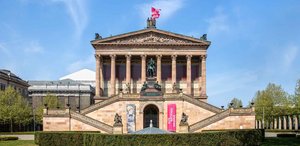 Alte Nationalgalerie |
Berlin | 1 | The invention of painting |
Sva originalna djela umjetnika Eduard Daege s tim datumom prikazana ovdje pripadaju jednoj godini, 1832: prikazana su prema stupnju slave.
Odaberite godinu kako biste vidjeli originalna djela.
The invention of painting (1832)
27 godina: The invention of painting datira iz 1832, a Eduard Daege je rođen/a 1805.
Naš katalog sadrži 2 djela umjetnika Eduard Daege.
Većinom u Alte Nationalgalerie (Berlin). Gornja tablica muzeja navodi sve njih.
In the heart of nineteenth-century Berlin, a period defined by burgeoning national identity and architectural splendor, lived Eduard Wilhelm Daege. Born in 1805, Daege was not merely a painter but a central figure in the institutional fabric of German art. His life unfolded within the prestigious halls of the Prussian Academy of Art, an institution where he would eventually leave an indelible mark as both a student and a master. From his early years, Daege demonstrated a profound connection to the classical traditions that anchored the era, studying under the esteemed Johann Gottfried Niedlich and later the court painter Karl Wilhelm Wach. This rigorous academic foundation allowed him to navigate the delicate balance between the strictures of tradition and the evolving romantic sensibilities of his time.
Daege’s artistic journey was marked by a deep engagement with the physical spaces of his era. His hands were involved in the very skin of Berlin's most iconic landmarks; he may have contributed to the breathtaking frescoes of Karl Friedrich Schinkel’s Schauspielhaus at the Gendarmenmarkt, an achievement that placed him at the intersection of fine art and monumental architecture. This period of his life was characterized by a pursuit of light and narrative, a passion that led him on a transformative study trip to Rome and Naples alongside Karl Eduard Biermann between 1832 and 1833. The warmth of the Italian sun and the weight of classical antiquity undoubtedly enriched his palette and deepened his understanding of allegorical storytelling.
As his career matured, Daege transitioned from a rising talent to a pillar of the artistic establishment. His technical prowess was most visible in his large-scale commissions, where he utilized oil on canvas to breathe life into sacred and historical narratives. His work at the Stadtschlosses, particularly the Nativity and the Adoration of the Shepherds, showcased a mastery of religious iconography that resonated with the spiritual zeitgeist of mid-century Prussia. Furthermore, his allegorical murals in the north dome-hall of the Neues Museum—depicting Rome, Jerusalem, Constantinople, and Aachen—served as a visual testament to the historical continuity and cultural aspirations of the German people.
Beyond the canvas, Daege’s influence was institutional and far-reaching. His ascent through the ranks of the Prussian Academy was nothing short of meteoric:
When Daege passed away in Berlin in 1883, he left behind a landscape forever altered by his stewardship. He was an artist who understood that art does not exist in a vacuum but is woven into the very architecture and governance of a nation. Through his murals, his teaching, and his administrative vision, Eduard Daege ensured that the grandeur of the Prussian tradition would be preserved for posterity, cementing his place as a true custodian of German cultural heritage.