


1


Ažurirano Studeni 2026 · rangirano prema našoj ocjeni popularnosti (pretraživanja, posjeti i narudžbe za svako djelo) · 44 djela Antonio Bellucci u našem katalogu
Ukratko
Judith and Holofernes (1680) je slika autora Antonio Bellucci koja privlači najviše pogleda. Nakon toga, pogled se usmjerava na Elector Johann Wilhelm Hands Over the Command Baton (1690) i Genius with Yoke (1690). Među 44 djela umjetnika Antonio Bellucci u našem katalogu, ovih 43 su najpoznatija, od kojih je svako jedinstveni original predstavljen s godinom nastanka, muzejom i razlogom zbog kojeg je vječno.


 Minerva Accompanied by Hymen1690 · Bavarske državne slikopisne zbirke
12
 Judgment of Paris1690 · Bavarske državne slikopisne zbirke
13
 Homage to Art (Ceiling Painting)1690 · Bavarske državne slikopisne zbirke
14
 Gifts of Fortune (Ceiling Painting)1690 · Bavarske državne slikopisne zbirke
15
 Time Brings Truth to Light and Overthrows Vice1690 · Bavarske državne slikopisne zbirke
16
 Danae on the Raft1690 · Bavarske državne slikopisne zbirke
17
 Allegory of the Young Ruler (Ceiling Painting)1690 · Bavarske državne slikopisne zbirke
18
 Allegory of Ruler Life (Ceiling Painting)1690 · Bavarske državne slikopisne zbirke
19
 Allegory of Science1690 · Bavarske državne slikopisne zbirke
20
 Allegory of the Glory of War1690 · Bavarske državne slikopisne zbirke
21
 Wedding of Elector Johann Wilhelm von der Pfalz1690 · Bavarske državne slikopisne zbirke
22
 Genius with Dove1690 · Bavarske državne slikopisne zbirke
23
 Peace and Justice1690 · Bavarske državne slikopisne zbirke
24
 Allegory of Land Fertility1690 · Bavarske državne slikopisne zbirke
25
 Allegory of Art1690 · Bavarske državne slikopisne zbirke
26
 Cupid and Psyche1690 · Bavarske državne slikopisne zbirke
27
 Danae1690 · Bavarske državne slikopisne zbirke
28
 Reverence to Elector Johann Wilhelm von der Pfalz – Design for a Ceiling Painting for Bensberg Castl...1708 · Museum Kunstpalast
29
 Portrait of a Procurator1685
30
 Danaë1700 · Szépművészeti Múzeum
31
 Cimon and Pero (Roman Charity)1685 · Kunsthalle Bremen
32
 The Adoration of the MagiMuzej fine umjetnosti u Houstonu
33
 Discovery of the Infant MosesHarvard Art Museums
34
 Minerva, Mercury and Plutus pay homage to the Princess Anna Maria Luisa de 'Medici
35
 St sebastianDulwich Picture Gallery
36
 Antiochus i Stratonice1700 · Staatliche Museen
37
 The Family of Darius before Alexander the GreatThe Ashmolean Museum of Art and Archaeology
38
 Self portrait1684 · The Ashmolean Museum of Art and Archaeology
39
 Bacchus and Ariane
40
 Love jealous of FidelityMusée des Beaux-Arts de Bordeaux
41
 Rinaldo and ArmidaNacionalna galerija Slovenije
42
 Hercules u palači Omphale1698 · Ca' Zenobio
43
 Antiochus i Stratonice1700 · Staatliche Museen
Četiri teme koje se najčešće ponavljaju u ovim originalima, svaka s svojim vrhunskim primjerom.
8 muzeja u kojima se nalazi najviše djela s ove stranice.
| Muzej | Grad | Djela autora Antonio Bellucci | Slike iz ovog popisa |
|---|---|---|---|
 Bavarske državne slikopisne zbirke |
München | 26 | Elector Johann Wilhelm Hands Over the Command Baton, Genius with Yoke, Allegory of the Successful Ruler (Ceiling Painting) |
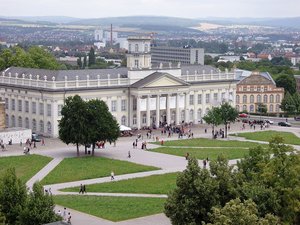 Staatliche Museen |
Kassel | 2 | Antiochus i Stratonice, Antiochus i Stratonice |
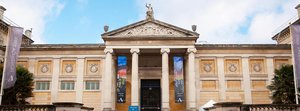 The Ashmolean Museum of Art and Archaeology |
Oxford | 2 | The Family of Darius before Alexander the Great, Self portrait |
 Museum Kunstpalast |
Düsseldorf | 1 | Reverence to Elector Johann Wilhelm von der Pfalz – Design for a Ceiling Painting for Bensberg Castl... |
 Szépművészeti Múzeum |
Budimpešta | 1 | Danaë |
 Kunsthalle Bremen |
Bremen | 1 | Cimon and Pero (Roman Charity) |
 Muzej fine umjetnosti u Houstonu |
Houston | 1 | The Adoration of the Magi |
 Harvard Art Museums |
Cambridge | 1 | Discovery of the Infant Moses |
Odaberite desetljeće kako biste vidjeli original koji ga definira.

Judith and Holofernes (1680). Sljedeći su Elector Johann Wilhelm Hands Over the Command Baton (1690) i Genius with Yoke (1690).
26 godina: Judith and Holofernes datira iz 1680, a Antonio Bellucci je rođen/a 1654.
Judith and Holofernes, Elector Johann Wilhelm Hands Over the Command Baton, Genius with Yoke, Allegory of the Successful Ruler (Ceiling Painting), Allegory of Astronomy, Allegory of the Bedchamber of Elector Johann Wilhelm, Two Genii on a Column Shaft, Allegory of Music, Thanksgiving for Successes (Ceiling Painting) i Two Genii with Hen. Gornji rang prikazuje godinu i muzej za svako od njih.
Naš katalog sadrži 44 djela umjetnika Antonio Bellucci, datiranih od 1680 do 1708.
Većinom u Bavarske državne slikopisne zbirke (München), Staatliche Museen (Kassel) i The Ashmolean Museum of Art and Archaeology (Oxford). Gornja tablica muzeja navodi sve njih.
U 1690s: 27 od 43 djela na ovoj stranici nastalo je tada, od čega je Elector Johann Wilhelm Hands Over the Command Baton Elector Johann Wilhelm Hands Over the Command Baton.
Na ovoj stranici najstarije djelo je iz Judith and Holofernes (1680), a najnovije iz Reverence to Elector Johann Wilhelm von der Pfalz – Design for a Ceiling Painting for Bensberg Castl... (1708).
Mythology (3), Allegory (3) i Renaissance (2), kroz svih 43 djela na ovoj stranici.
Oil On Canvas, za 4 od 43 djela na ovoj stranici.
Baroque, sudeći po originalima na ovoj stranici.
Elector Johann Wilhelm Hands Over the Command Baton, Genius with Yoke i Allegory of the Successful Ruler (Ceiling Painting): Bavarske državne slikopisne zbirke, München posjeduje 26 djela s ove stranice.
Antonio Bellucci stands as a luminous figure within the Venetian artistic tradition, a master whose brush captured the transition from the dramatic intensity of the Baroque to the airy elegance of the Rococo. Born in 1654 in Pieve di Soligo, Italy, Bellucci’s early training under Domenico Difnico in Sebénico provided him with a rigorous foundation in classical principles. However, it was his arrival in Venice that truly ignited his creative spirit. By 1675, he was already making significant contributions to the city's sacred spaces, most notably through his monumental frescoes for San Pietro di Castello. In these works, depicting Saint Lorenzo Giustiniani’s fervent prayers during the plague of 1447, Bellucci demonstrated an extraordinary ability to weave together religious devotion and human emotion, creating a sense of divine drama that resonated deeply with the Venetian public.
His talent was not confined to the spiritual realm; Bellucci possessed a versatile mastery over various genres, from the intimate tenderness of nativity scenes for the church of Ascension to the sweeping narratives of classical mythology. A defining characteristic of his development was his collaborative spirit. He worked in close harmony with the landscape painter Antonio Tempesta, where Bellucci’s skill in rendering human figures breathed life and narrative complexity into Tempesta's expansive vistas. This synergy between figure and landscape became a hallmark of his maturing style, blending movement and grace with structural depth.
As his reputation grew, Bellucci’s ambitions carried him far beyond the borders of the Venetian Republic, leading him to the heart of European power. His periods in Vienna during the late seventeenth and early eighteenth centuries marked a pinnacle in his career, as he secured the prestigious patronage of the Habsburg court. Under the gaze of Emperor Charles VI, Bellucci undertook monumental projects that showcased his technical prowess on an imperial scale. The four altarpieces he created for Klosterneuburg serve as enduring testaments to his ability to command large-scale religious compositions with both majesty and clarity.
The zenith of his architectural painting is perhaps best exemplified by the breathtaking ceiling frescoes at Palais Liechtenstein. In depicting the Triumph of Hercules, Bellucci utilized the grand manner to create an immersive experience, where mythological heroism meets the sophisticated aesthetics of the burgeoning Rococo era. This ability to synthesize classical grandeur with a lighter, more decorative touch allowed him to navigate the changing tastes of the European aristocracy with ease.
Beyond his individual achievements, Bellucci’s historical significance is cemented by his role as a mentor and an influential force in the lineage of Italian art. Through his instruction of talented students such as Antonio Balestra and potentially Jacopo Amigoni, he ensured that the sophisticated techniques of the Venetian school would endure and evolve. His legacy remains etched in the ceilings of palaces and the altars of cathedrals, representing a period of unparalleled artistic splendor where light, movement, and myth converged to celebrate the human and the divine.