La Fête Dieu
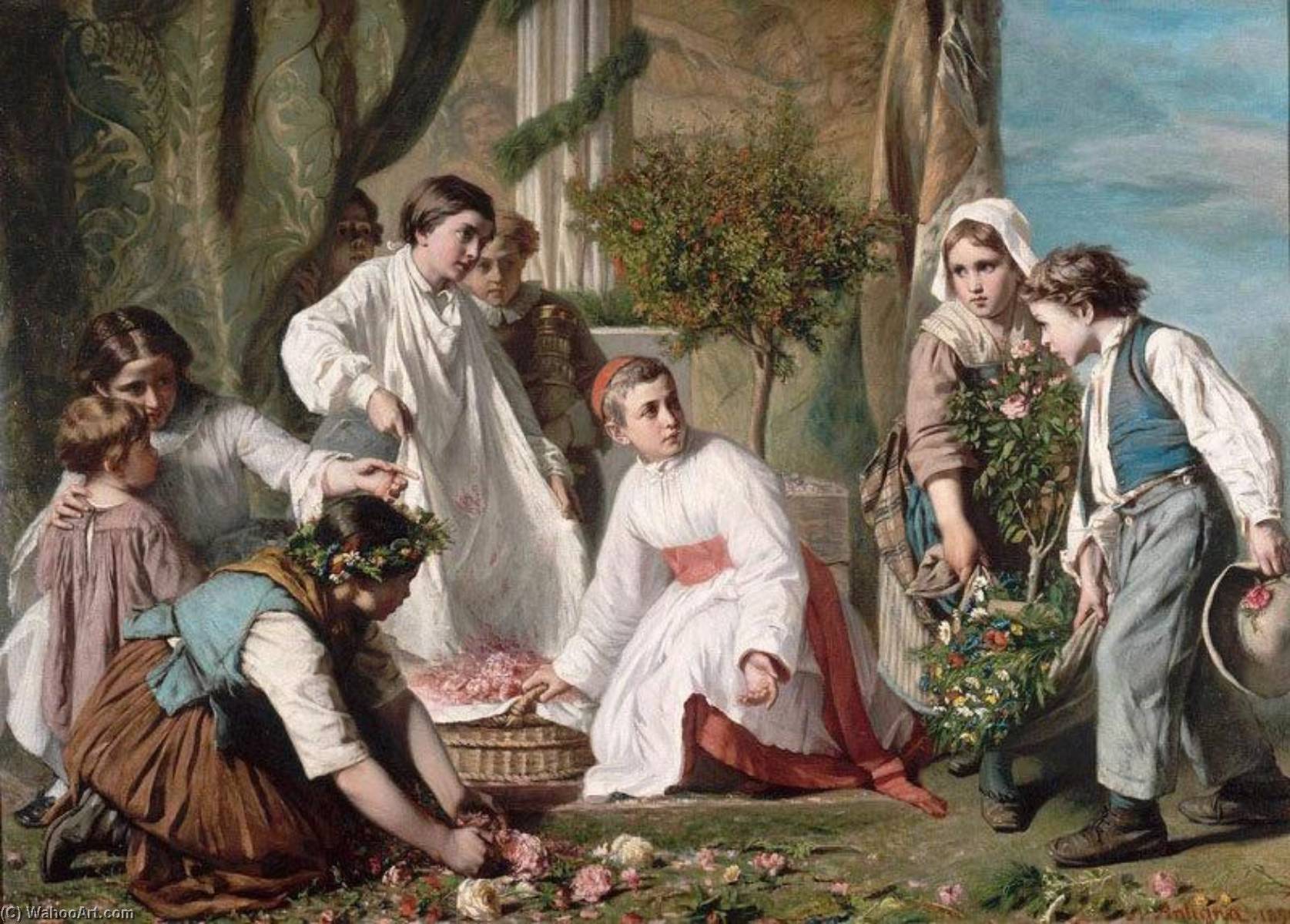
The oil on canvas titled La Fête Dieu was painted by Alexandre Antigna in 1855. This work measures 55 x 76 3/4 inches (140 x 195 cm). It captures a moment of preparation, where the weight of tradition meets the lightness of youth.
Ukratko
Od svih originala koje je Alexandre Antigna ostavio, najpoznatiji je La Fête Dieu. Samo iza njih slijede The Lightning (1848) i L'Eclair. Naš katalog sadrži 21 djela umjetnika Alexandre Antigna; galerija je čuvala onih 21 koja svijet najviše divi, a svako je prikazano s datumom nastanka, muzejom i pričanom.
The oil on canvas titled La Fête Dieu was painted by Alexandre Antigna in 1855. This work measures 55 x 76 3/4 inches (140 x 195 cm). It captures a moment of preparation, where the weight of tradition meets the lightness of youth.
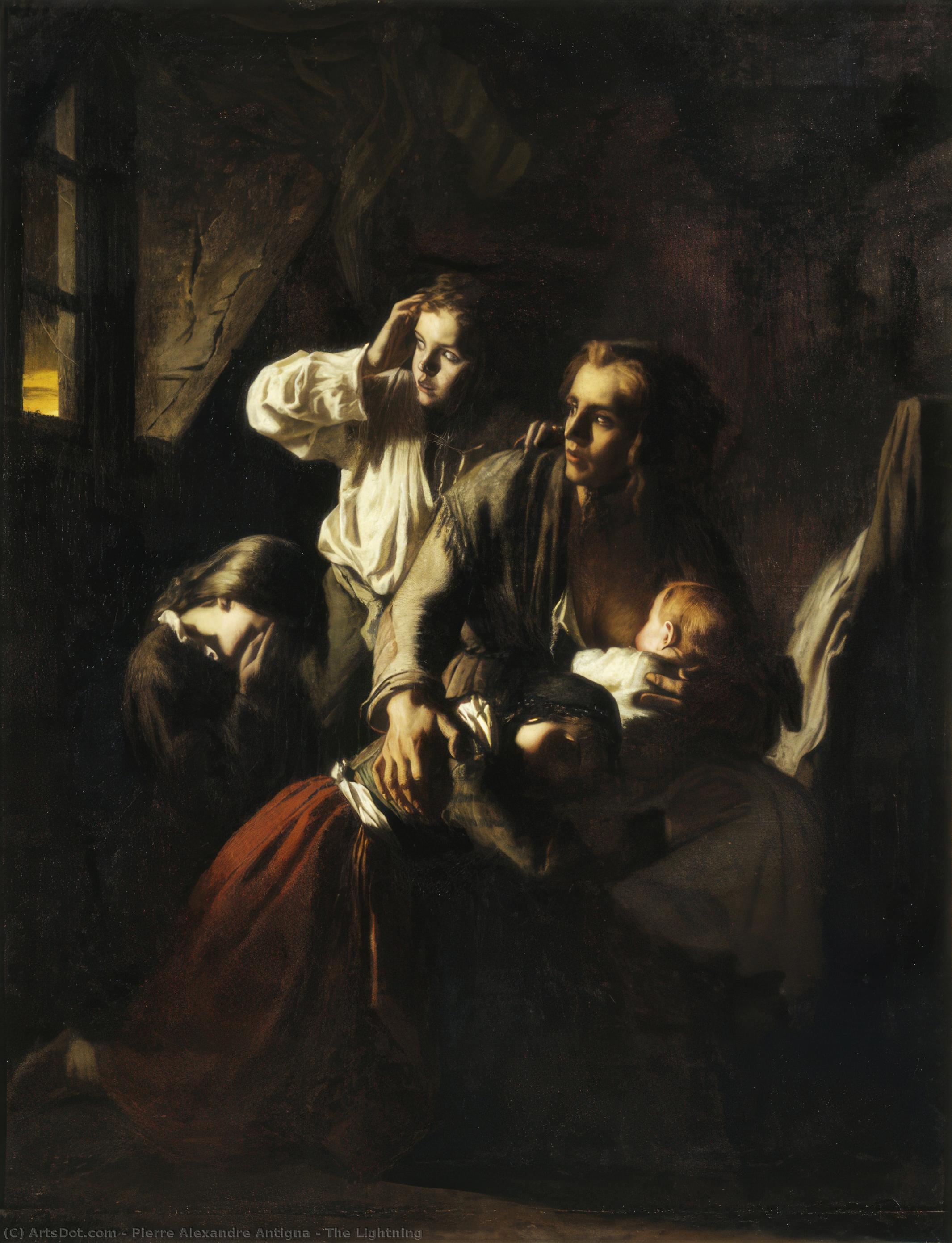
“The Lightning,” painted in 1848 by the French artist Pierre Alexandre Antigna, is more than just a depiction of a family huddled together during an electrical storm; it’s a poignant meditation on vulnerability, familial love, and the raw power of nature. Antigna, a key figure in Parisian Realism, masterfully captures a fleeting moment of intense emotion within a dimly lit interior, drawing the viewer into a scene brimming with both…
The oil on canvas titled L'Eclair was painted in 1848. This tableau captures a singular moment of tension. Alexandre Antigna, born in Orléans, France, in 1817, rendered the scene with a steady hand. The pigment settles into the weave of the fabric, holding a fragment of a storm within its fibers.
The air feels heavy with the scent of dry hay and sun-warmed earth as a group of children whirl in a rhythmic circle. They move through a wide, rural landscape, their small figures caught in a moment of pure, uninhibited joy. The composition pulls the eye into a continuous loop, following the sweep of outstretched arms and the swirling motion of colorful skirts. Reds, blues, and whites flash against the…
The sketch depicts a young girl captured in mid-stride, her body leaning slightly forward into the direction of her movement. She is positioned off-center to the right, creating a sense of momentum as she walks. Her head is tilted downward, eyes fixed upon an open book held in her outstretched hands. The figure is rendered from the mid-thigh upward, focusing the viewer's attention on the interaction between her posture and…
The light falls from the upper left, casting soft shadows across a gathering of Aragonese people. They sit upon weathered stone steps, framed by the deep green of a grapevine. A woman holds an infant, her chemise a bright white against the earthy tones of the scene. Beside them, a young boy cradles a musical instrument, his small hands poised in a moment of stillness. The air feels heavy with…
This oil painting presents a close-up portrait of a young girl, focusing tightly on her head and hands. The subject is positioned in a direct, eye-level view, her chin resting upon her hands in a pensive posture. A headscarf wraps around her face, creating organic folds that frame her features. The lighting originates from the upper left, casting shadows across her face and highlighting the specific expression in her eyes.…
A solitary woman rests in a dimly lit, rustic interior, her form surrendered to sleep. Positioned slightly to the left of center, she is balanced by the large, circular silhouette of a spinning wheel to the right. The composition is vertical, drawing the eye to the heavy, nocturnal atmosphere of the room. Deep, earthy tones of umber and sienna dominate the space, creating a sense of profound stillness. A sharp…
The oil painting titled Gypsy Girl presents a quiet, heavy moment captured on canvas. This work is the creation of Alexandre Antigna, an artist who emerged from the city of Orléans, France. Born in 1817, Antigna brings a specific, focused gaze to the subjects he encounters, often finding the weight of existence in the faces of those living on the margins of society.
is an oil on canvas by the French painter Alexandre Antigna. The work presents a nude female figure wading into a body of water. This central subject is situated within a dense forest setting, where the natural environment forms a dark, enveloping backdrop around the form.
Četiri teme koje se najčešće ponavljaju u ovim originalima, svaka s svojim vrhunskim primjerom.
6 muzeja u kojima se nalazi najviše djela s ove stranice.
| Muzej | Grad | Djela autora Alexandre Antigna | Slike iz ovog popisa |
|---|---|---|---|
| Pariz | 2 | The Lightning, L'Eclair | |
| Orleans | 2 | Aragonese of Anso, The Fire | |
| Limoux | 1 | Circle of children | |
| Worcester | 1 | Head of a Girl | |
| Saint-Brieuc | 1 | The sleeping spinner | |
| Gent | 1 | Gypsy Girl |
Odaberite desetljeće kako biste vidjeli original koji ga definira.
“The Lightning,” painted in 1848 by the French artist Pierre Alexandre Antigna, is more than just a depiction of a family huddled together during an electrical storm; it’s a poignant meditation on vulnerability, familial love, and the raw power of nature. Antigna, a key figure in Parisian Realism, masterfully captures a fleeting moment of intense emotion within a dimly lit interior, drawing the viewer into a scene brimming with both…
The air feels heavy with the scent of dry hay and sun-warmed earth as a group of children whirl in a rhythmic circle. They move through a wide, rural landscape, their small figures caught in a moment of pure, uninhibited joy. The composition pulls the eye into a continuous loop, following the sweep of outstretched arms and the swirling motion of colorful skirts. Reds, blues, and whites flash against the…
The light falls from the upper left, casting soft shadows across a gathering of Aragonese people. They sit upon weathered stone steps, framed by the deep green of a grapevine. A woman holds an infant, her chemise a bright white against the earthy tones of the scene. Beside them, a young boy cradles a musical instrument, his small hands poised in a moment of stillness. The air feels heavy with…
La Fête Dieu. Sljedeći su The Lightning (1848) i L'Eclair.
La Fête Dieu, The Lightning, L'Eclair, Circle of children, Girl striding out reading a book, Aragonese of Anso, Head of a Girl, The sleeping spinner, Gypsy Girl i Miroir des bois. Gornji rang prikazuje godinu i muzej za svako od njih.
Naš katalog sadrži 21 djela umjetnika Alexandre Antigna, datiranih od 1848 do 1872.
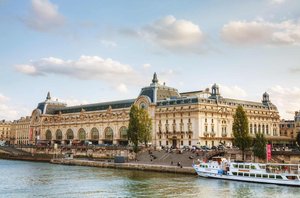
Većinom u Musée d'Orsay (Pariz), Musée des Beaux-Arts (Orleans) i musée Petiet de Limoux (Limoux). Gornja tablica muzeja navodi sve njih.
U 1850s: 3 od 21 djela na ovoj stranici nastalo je tada, od čega je Circle of children Circle of children.
Na ovoj stranici najstarije djelo je iz The Lightning (1848), a najnovije iz Aragonese of Anso (1872).
Woman (8), Children (4) i Girl (4), kroz svih 21 djela na ovoj stranici.
Oil On Canvas, za 15 od 21 djela na ovoj stranici.
Romanticism, sudeći po originalima na ovoj stranici.
The Lightning i L'Eclair: Musée d'Orsay, Pariz posjeduje 2 djela s ove stranice.
U srcu devetnaestog stoljeća Francuske, razdoblja koje je obilježilo duboko društveno previranja i promjene umjetničkih paradigma, Jean Pierre Alexandre Antigna pojavio se kao slikar neusporedivog empatičnog osjećaja. Rođen u Orléansu 1817., njegovo rano umjetničko putovanje bilo je ukorijenjeno u tradicionalnim pejzažima njegovog mladunosti, oblikovano pod budnim okom lokalnog slikara Françoisa Salmona. Međutim, privlačnost Pariza bila je neodoljiva. Ulaskom u prestižnu École Nationale Supérieure des Beaux-Arts 1837., Antigna se našao uronjen u svijet akademske discipline, studirajući pod maestrom kao što su Sébastien Norblin de la Gourdaine i čuveni Paul Delaroche. Te rane godine obilježene su fokusom na religijske teme i formalni portret, prateći utvrđene stilove tog doba.
Ipak, prava metamorfoza Antignaove duše dogodila se ne u pozlaćenim dvoranama akademije, već u zasjenjenim, uskim ulicama Île Saint-Louis. Živiteći među siromašnim četvrtima Pariza, umjetnik je postao svjedok sirovih, neukrasenih borbi urbanog siromaštva. To duboko izlaganje ljudskoj patnji djelovalo je kao katalizator, udaljavajući ga od idealizirane religijske ikonografije prema sirovom, nepokolebljivom Realizmu. Do vremena kada je Revolucija 1848 preokrenula Francusku, Antigna je u potpunosti prihvaćio stil koji je nastojao dokumentirati težinu postojanja. Njegova platna počela su pulsirati teškim teretima i tihim otporom onih na rubu društva, prikazanim uz teksturiran raspored poteza četkicom i emocionalnu dubinu koja je osvojila pažnju pariskog Salona.
Kako je njegova karijera napredovala, Antignaova umjetnička vizija proširila se izvan urbanih granica Pariza. Vođen necrpnom znatiželjom o ljudskom stanju i prirodnom svijetu, započeo je velika putovanja kroz krševite krajeve Bretanje i vibrantna područja Španjolske. Ta putovanja omogućila su mu da svoju društvenu svijest pomiješa s naglo rastućim Naturalizmom. Oko 1860., njegova djela počela su odražavati pedantno promatranje prirode, gdje su atmosferska svojstva krajolika postala tema jednako važna kao i ljudi koji u njima borave. Bilo da je prikazivao dramatičnu napetost oluje ili tiho dostojanstvo ruralnog radnika, njegova tehnika ostala je utemeljena u osjećaju dubokog suosjećanja.
Njegovo majstorstvo službeno je priznato od strane francuske države kada je 1861. godine dodijeljeno počasje Legije časti, što je prekretnica koja je učvrstila njegov položaj među značajnim figurama njegove generacije. Čak i kada se njegov stil razvijao prema prirodističkijim prikazima, srž njegovog rada ostala je istraživanje ranjivosti i snage. Značajna djela poput Munja pokazuju tu dualnost, gdje obitelj skupljena tijekom električne oluje služi kao dirljiva meditacija o obiteljskoj ljubavi usred zastrašujuće moći prirode. Korištenjem svjetla, sjene i impasto tekstura, Antigna nije samo slikao scene; on je uhvatio samu esenciju preživljavanja.
Povijesni značaj Pierre Alexandre Antigna leži u njegovoj sposobnosti da premosti jaz između romantične emocije i realističke istine. On nije samo promatrao siromaštvo; prožimao ga je dostojanstvom koje je izazivalo društvene hijerarhije tog doba. Njegov život, koji je završen u Parizu 1878., ostavio je za sobom opus koji služi kao vitalni vizualni zapis devetnaestog stoljeća francuskog života. Njegov utjecaj može se vidjeti u načinu na koji je koristio sljedeće elemente kako bi uzdigao svoje subjekte:
Danas se Antigna pamti ne samo kao slikar scena, već kao suosretni glas svog doba, umjetnik koji je gledao u tamu urbanih borbi i pronašao neizbrisivu svjetlost ljudskog duha.