The Genesis of Biomechanics: Giger's Early Influences & Artistic Foundations
 Wikipedia: Biomechanics
Biomechanics is the study of the structure, function and motion of the mechanical aspects of biological systems, at any level from whole organisms to organs, cells and cell organelles, and even proteins using the methods of mechanics. Biomechanics is...
H.R. Giger’s singular vision, a chilling synthesis of the organic and mechanical, didn’t emerge from a vacuum. Born in 1940 in Chur, Switzerland, Hans Ruedi Giger’s early life was marked by a fascination with industrial landscapes and a palpable sense of unease – themes that would become inextricably linked to his artistic output. His father, a chemist, instilled within him an appreciation for the precise structures of the natural world, while the burgeoning post-war industrialization surrounding his childhood home provided a stark backdrop of metallic forms and relentless machinery. These seemingly disparate influences coalesced during his studies at the School of Applied Arts in Zurich, where he initially pursued architecture before gravitating towards sculpture and painting. It was here that Giger began experimenting with airbrush techniques, a medium that would become synonymous with his style, allowing for the smooth gradations and hyperrealistic detail crucial to rendering his unsettling visions.
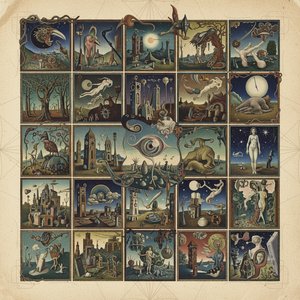
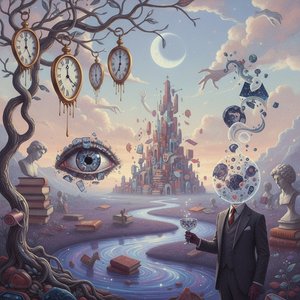
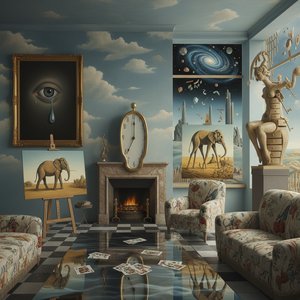
Early works reveal a nascent exploration of biomechanical forms, though still rooted in more traditional surrealist aesthetics. Influenced by artists like Salvador Dalí and Ernst Fuchs – figures who delved into the subconscious and dreamlike realms – Giger began to develop his own unique language. However, he quickly moved beyond mere imitation, rejecting the often playful or whimsical nature of Surrealism in favor of a darker, more visceral exploration of human anxieties. His early sculptures, crafted from aluminum and other industrial materials, foreshadowed the intricate, alien landscapes that would later define his career. These pieces weren’t simply representations of form; they were attempts to externalize internal psychological states – a fascination with birth, death, and the often-fraught relationship between humanity and technology.
Surrealism Dissected: Exploring the Unconscious in Giger’s World
Surrealism is an art and cultural movement that developed in Europe in the aftermath of World War I in which artists aimed to allow the unconscious mind to express itself, often resulting in the depiction of illogical or dreamlike scenes and ideas. I...
While Giger distanced himself from conventional Surrealist dogma, the movement's core tenets undeniably shaped his artistic trajectory. André Breton’s emphasis on accessing the unconscious mind as a source of creative power resonated deeply with Giger, though he approached this exploration through a distinctly different lens. Where many Surrealists sought to liberate the imagination through free association and dream analysis, Giger delved into the darker recesses of the psyche, confronting anxieties surrounding sexuality, mortality, and the perceived alienation of modern life. His work isn’t about whimsical fantasy; it's about excavating primal fears and taboos.
The element of surprise, a hallmark of Surrealism, is powerfully present in Giger’s art, but it manifests not as playful juxtaposition but as jarring, often disturbing encounters with the unfamiliar. His landscapes are populated by hybrid creatures – part human, part machine, part something altogether alien – that challenge our notions of identity and bodily autonomy. The unsettling beauty of these forms lies precisely in their ambiguity; they simultaneously attract and repel, forcing viewers to confront uncomfortable truths about their own existence. Giger’s meticulous attention to detail, achieved through his mastery of the airbrush, further amplifies this effect, rendering his visions with a hyperrealism that blurs the line between dream and reality.
The Mechanical and the Organic: A Symbiotic Fusion in Giger’s Art
At the heart of Giger's aesthetic lies the unsettling fusion of the mechanical and the organic. This isn’t simply about depicting robots or cyborgs; it’s a far more profound exploration of the interconnectedness – and inherent conflict – between these two realms. His iconic “Biomechanoid” series, for example, presents human bodies seamlessly integrated with machinery, suggesting a future where the boundaries between flesh and metal have become irrevocably blurred. These aren't depictions of external technology imposed upon the body; they are visions of an internal evolution, where biological structures *become* mechanical, and vice versa.
This symbiotic relationship is often depicted with a disturbing eroticism, reflecting Giger’s fascination with birth, reproduction, and the primal forces that drive both. The smooth, flowing lines of his airbrush work emphasize this connection, creating a sense of fluidity between organic forms and metallic structures. The resulting imagery is simultaneously beautiful and terrifying – a testament to Giger's ability to tap into deeply ingrained psychological responses. His landscapes, too, are characterized by this fusion, with intricate networks of pipes, cables, and biological conduits weaving together in claustrophobic, labyrinthine spaces.
Existential Themes: Anxiety, Sexuality, and the Human Condition
Beyond the striking visuals, Giger’s art grapples with profound existential themes. His work is permeated by a sense of anxiety – a fear of technological advancement, a dread of mortality, and a questioning of humanity's place in the universe. The often-claustrophobic spaces he creates evoke feelings of isolation and alienation, reflecting a growing disconnect between individuals and their environment. This theme is particularly evident in his depictions of birth, which are rarely celebratory but instead portray a violent, unsettling process – a metaphor for the inherent fragility and vulnerability of life.
Sexuality also plays a central role in Giger’s art, often presented as a dark, ambiguous force. His imagery frequently explores themes of dominance and submission, reflecting a complex understanding of power dynamics and the darker aspects of human desire. The alien creatures he depicts are often androgynous or hermaphroditic, challenging traditional notions of gender and sexuality. This exploration isn’t about shock value; it's about confronting uncomfortable truths about our own primal instincts and the complexities of human relationships.
Giger's Legacy: Impact on Science Fiction, Horror & Contemporary Art
H.R. Giger’s influence extends far beyond the realm of fine art. His most iconic creation – the Xenomorph for Ridley Scott’s Alien (1979) – irrevocably changed the landscape of science fiction and horror cinema. The creature's biomechanical design, born from Giger’s unique aesthetic, remains one of the most terrifying and influential monsters in film history. But his impact doesn’t end there. His work has inspired countless artists, filmmakers, musicians, and designers across a wide range of disciplines.
Giger's influence can be seen in everything from video game design to album cover art (he famously created covers for Emerson, Lake & Palmer and Debbie Harry). His aesthetic – the fusion of organic and mechanical forms, the unsettling beauty, the exploration of existential themes – continues to resonate with contemporary audiences. He challenged conventional notions of beauty and pushed the boundaries of artistic expression, leaving an indelible mark on popular culture. For collectors, acquiring a Giger piece isn’t simply about owning a striking artwork; it's about possessing a fragment of a visionary mind that dared to confront the darkest corners of the human psyche.
Collecting Giger: Identifying Key Works & Navigating the Market
For discerning collectors, navigating the world of H.R. Giger’s art requires careful consideration. While his iconic Alien designs are highly sought after, a wealth of other works – paintings, sculptures, and drawings – offer equally compelling opportunities. Early airbrush paintings from the 1970s and 80s, particularly those featuring his signature “Biomechanoid” forms, command significant prices due to their rarity and historical importance. His Necronomicon series, a collection of surrealist landscapes exploring themes of birth and death, is also highly valued.
Authenticity is paramount when acquiring Giger’s work. Provenance – the documented history of ownership – is crucial, as are hallmarks of his technique (the smooth gradations of airbrushing, meticulous detail). OriginalUniqueArt.com offers a curated selection of high-quality reproductions of Giger's masterpieces, allowing collectors to experience his vision without the expense and complexity of acquiring original pieces. Whether you’re seeking a statement piece for your home or an investment opportunity, H.R. Giger’s art remains a powerful and enduring testament to the boundless possibilities of human creativity.