
Introduction
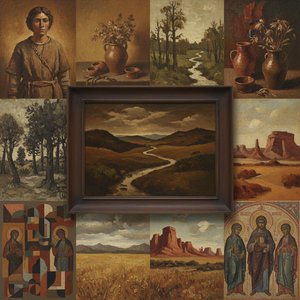
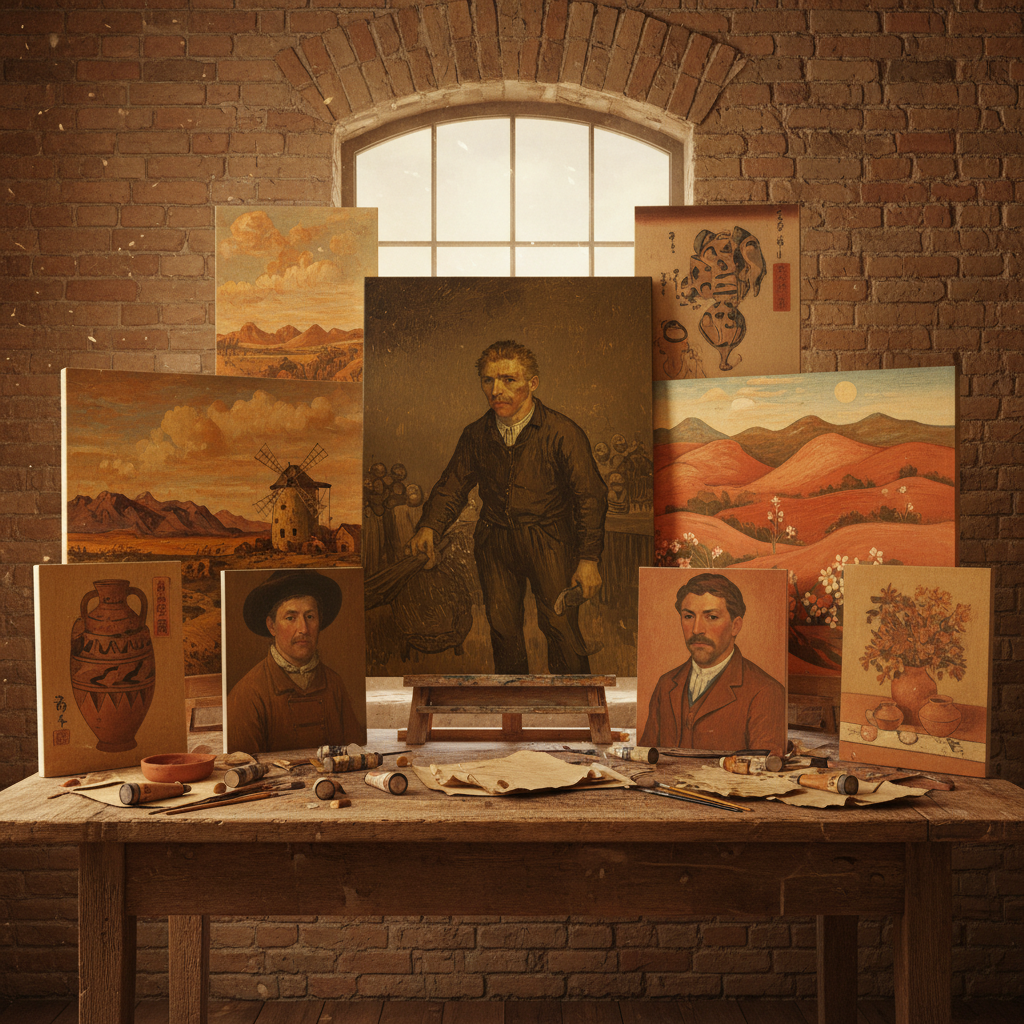
Imagine a world rendered not in vibrant hues, but in the subtle whispers of earth and time – the ochres, umbers, siennas that echo the very origins of artistic expression. For millennia, artists have turned to the clay-toned palette for its profound ability to convey both grounding realism and ethereal emotion. These aren’t simply ‘browns’; they are the colors of ancient caves, sun-baked landscapes, weathered faces, and the human condition itself.
The dominance of these tones throughout art history isn't accidental. From the frescoes of Renaissance masters to the evocative portraits of Dutch Golden Age painters, clay pigments were often among the most readily available, affordable, and enduring materials. More importantly, they possessed a unique capacity to capture light and shadow, creating depth and volume that resonated with audiences long before modern techniques emerged. Consider the early cave paintings – ochre was not just a color, it was a connection to the earth, to ritual, to storytelling itself.
But beyond practicality, these shades speak to something deeper within us. They evoke feelings of warmth, nostalgia, and authenticity. A painting dominated by clay tones often feels timeless, inviting contemplation rather than immediate spectacle. It’s a palette that encourages us to look closer, to feel the weight of history, and to connect with the humanity embedded within each brushstroke.
In the following list, we'll explore ten famous paintings where these 'clay' tones aren’t merely present – they dominate . We will delve into how artists masterfully employed this palette to create works that continue to captivate and move us centuries later, revealing not just technical brilliance but a profound understanding of the human spirit. Prepare to be transported by the quiet power of earth-toned masterpieces.
Assumption of the Virgin - Titian
 Assumption of the Virgin - Titian
Before you stands a vision of ascension, a swirling vortex of crimson and gold that seems to lift from the canvas itself. Titian’s “Assumption of the Virgin,” painted for Venice’s Basilica di Santa Maria Gloriosa dei Frari in 1516, isn't simply a religious depiction; it is an emotional tempest rendered in paint.
The painting explodes with movement – Mary, bathed in divine light, propelled heavenward by a chorus of angels. But look closer, and you’ll find the grounding force of earth tones anchoring this celestial drama. The apostles below, their faces etched with awe, are rendered in rich umbers and ochres, connecting us to the tangible world even as our gaze is drawn upwards.
Titian's masterful use of colorito – prioritizing color over line – creates a luminosity that’s both breathtaking and deeply human. The clay tones aren’t merely background; they are the foundation upon which this heavenly spectacle unfolds, providing depth, weight, and a sense of timelessness. This is why “Assumption” endures as a cornerstone of Renaissance art.
In our modern lives, where fleeting images often overwhelm, paintings like Titian’s offer a sanctuary – a space for contemplation and emotional resonance. Imagine the serenity this work could bring to your home, a reminder that even amidst chaos, there is beauty, hope, and the enduring power of faith. It's a testament to how famous paintings dominated by 'clay' tones can enrich our daily environments with meaning.
Lady with an Ermine - Leonardo da Vinci
 Lady with an Ermine - Leonardo da Vinci
Imagine a quiet intimacy – a gaze that meets yours across centuries, filled with intelligence and an almost melancholic serenity. Leonardo da Vinci’s “Lady with an Ermine” isn't merely a portrait; it’s a psychological revelation painted in subtle layers of light and shadow.
Cecilia Gallerani, mistress to the Duke of Milan, is rendered not as a symbol of courtly life but as a woman of remarkable character. And while her crimson dress commands attention, it's the grounding earth tones – the warm umbers in her skin and hair, the delicate browns of the ermine’s fur – that truly anchor this masterpiece. These aren’t simply colors; they are the hues of human warmth, vulnerability, and quiet strength.
Da Vinci's *sfumato* technique dissolves harsh lines, creating a soft luminosity that draws you into Cecilia’s world. The ermine itself, a symbol of purity and perhaps even Ludovico Sforza, adds another layer of intrigue. This is why “Lady with an Ermine” endures – it invites contemplation, prompting us to look beyond the surface and connect with the inner life of its subject.
In our own homes, paintings like this offer a sanctuary from the digital clamor. Imagine the serenity this work could bring, a reminder that true beauty lies not in spectacle but in quiet introspection. It’s a testament to how famous paintings dominated by 'clay' tones can enrich our daily environments with meaning and emotional depth.
Self-portrait at 22 - Albrecht Dürer
 Self-portrait at 22 - Albrecht Dürer
There’s a quiet dignity to Albrecht Dürer’s “Self-Portrait at 22,” a gaze that feels both intensely personal and remarkably distant across the centuries. Painted in 1493, this isn't simply a likeness; it’s an exploration of youth, ambition, and perhaps even a touch of melancholy.
The painting’s power lies not in vibrant spectacle but in its masterful use of earth tones – the warm umbers and ochres that define Dürer’s skin, hair, and clothing. These aren't merely colors; they are the hues of introspection, resilience, and a quiet determination to capture the world with unparalleled detail.
The thistle he holds, a symbol of suffering, adds another layer of depth, hinting at the hardships that often accompany artistic pursuit. This is why “Self-Portrait at 22” endures as a cornerstone of Northern Renaissance art – it’s a testament to the power of self-reflection and the enduring human spirit.
In our own spaces, paintings like this offer more than just aesthetic appeal; they provide a sanctuary for contemplation. Imagine the serenity this work could bring, a reminder that even amidst challenges, there is beauty, strength, and the timeless power of artistic expression. It’s a testament to how famous paintings dominated by 'clay' tones can enrich our daily environments with meaning.
Dancers in Pink - Edgar Degas
 Dancers in Pink - Edgar Degas
Imagine a fleeting moment captured in time – the swirl of pink tutus, the hushed energy backstage, the dedication etched on every dancer’s face. Edgar Degas’ “Dancers in Pink,” painted in 1885, isn't merely a depiction of ballet; it’s an immersion into its world.
What sets this work apart is Degas’ masterful use of light and shadow to create depth and movement. While the pinks command attention, it’s the grounding earth tones – the warm ochres in the studio walls, the subtle browns in the dancers' skin – that provide a sense of realism and intimacy. These aren’t just colors; they are the hues of dedication, passion, and fleeting beauty.
Degas’ loose brushstrokes and innovative composition redefined Impressionism, capturing the essence of performance with unparalleled energy. This is why “Dancers in Pink” endures – it invites us to witness a moment of grace and artistry that transcends time.
In our own homes, paintings like this offer more than just aesthetic appeal; they provide a sanctuary for contemplation. Imagine the vitality this work could bring, a reminder that even amidst chaos, there is beauty, dedication, and the enduring power of artistic expression. It’s a testament to how famous paintings dominated by 'clay' tones can enrich our daily environments with meaning.
Tale from the Decameron - John William Waterhouse
 Tale from the Decameron - John William Waterhouse
Imagine a sun-dappled garden, filled with the gentle murmur of conversation and the soft strains of a lute. John William Waterhouse’s “Tale from the Decameron” isn't merely a painting; it’s an invitation to step into a world of timeless elegance and serene beauty.
The artwork’s power lies in its masterful use of earth tones – the rich reds, lush greens, and warm browns that create a sense of intimacy and harmony. These aren't just colors; they are the hues of friendship, creativity, and shared experiences. The splashes of pink and gold in the women’s clothing add a touch of romance and sophistication.
Waterhouse’s meticulous technique and Pre-Raphaelite sensibility capture the essence of storytelling and human connection. This is why “Tale from the Decameron” endures – it invites us to reflect on the simple pleasures of life and the enduring power of community.
In our own spaces, paintings like this offer more than just aesthetic appeal; they provide a sanctuary for contemplation. Imagine the tranquility this work could bring, a reminder that even amidst chaos, there is beauty, harmony, and the enduring power of artistic expression. It’s a testament to how famous paintings dominated by 'clay' tones can enrich our daily environments with meaning.
The lady of shalott study - John William Waterhouse
 The lady of shalott study - John William Waterhouse
There’s a haunting beauty to John William Waterhouse’s “The Lady of Shalott Study,” a painting that whispers tales of tragic romance and artistic isolation. Created in 1894, this work isn't simply a depiction of Tennyson’s poem; it’s an immersion into the emotional world of Elaine of Astolat.
What sets this artwork apart is Waterhouse’s masterful use of earth tones – the warm browns and deep reds that create a somber yet captivating atmosphere. These aren't just colors; they are the hues of longing, decay, and the fleeting nature of beauty. The flowing white gown stands out as a symbol of purity against this backdrop, drawing our attention to Elaine’s vulnerability.
Waterhouse’s loose brushstrokes and Pre-Raphaelite sensibility capture the essence of tragedy with unparalleled detail. This is why “The Lady of Shalott Study” endures – it invites us to reflect on themes of destiny, isolation, and the power of art.
In our own spaces, paintings like this offer more than just aesthetic appeal; they provide a sanctuary for contemplation. Imagine the tranquility this work could bring, a reminder that even amidst sadness, there is beauty, resilience, and the enduring power of artistic expression. It’s a testament to how famous paintings dominated by 'clay' tones can enrich our daily environments with meaning.
The Ghent Altarpiece (wings closed) - Jan van Eyck
 The Ghent Altarpiece (wings closed) - Jan van Eyck
Imagine a sunset captured not on canvas, but within layers of divine light and shimmering gold – that is the enduring aura of Jan van Eyck’s “The Ghent Altarpiece (wings closed).” Completed in 1432, this masterpiece isn't merely a religious depiction; it’s an invitation to step into a world of profound spirituality.
When the wings are closed, the painting reveals a serene palette of pinks, oranges, and purples grounded by rich earth tones – warm browns that evoke a sense of tranquility and celestial harmony. These aren't just colors; they are the hues of devotion, humility, and the enduring power of faith.
Van Eyck’s pioneering use of oil paint allowed for unprecedented detail and luminosity, breathing life into every figure and architectural element. This is why “The Ghent Altarpiece” endures – it's a testament to the power of realism, symbolism, and artistic innovation.
In our own spaces, paintings like this offer more than just aesthetic appeal; they provide a sanctuary for contemplation. Imagine the serenity this work could bring, a reminder that even amidst chaos, there is beauty, harmony, and the enduring power of spiritual expression. It’s a testament to how famous paintings dominated by 'clay' tones can enrich our daily environments with meaning.
Mystic Nativity - Sandro Botticelli
 Mystic Nativity - Sandro Botticelli
Imagine a world bathed in divine light, where celestial beings mingle with humble witnesses to witness the miracle of Christ’s birth – that is the enduring spirit of Sandro Botticelli’s “Mystic Nativity.” Created in 1501, this masterpiece isn't merely a religious depiction; it’s an invitation to step into a realm of profound spirituality and contemplation.
The painting’s power lies in its harmonious blend of Gothic elegance and emerging Renaissance naturalism. Warm earth tones – rich reds, golds, and browns – create a sense of emotional warmth and spiritual reverence. These aren't just colors; they are the hues of devotion, humility, and the enduring promise of salvation.
Botticelli’s meticulous brushwork and intricate details breathe life into every figure and celestial element. This is why “Mystic Nativity” endures – it's a testament to the power of symbolism, artistic innovation, and the timeless beauty of faith.
In our own spaces, paintings like this offer more than just aesthetic appeal; they provide a sanctuary for contemplation. Imagine the serenity this work could bring, a reminder that even amidst chaos, there is beauty, harmony, and the enduring power of spiritual expression. It’s a testament to how famous paintings dominated by 'clay' tones can enrich our daily environments with meaning.
untitled (6565) - Hans Holbein the Younger
 untitled (6565) - Hans Holbein the Younger
There’s a stillness within Hans Holbein the Younger’s “Untitled (6565)” that transcends mere portraiture – it's an encounter with a soul, frozen in time and rendered with unsettling precision. Painted circa 1530-32, this work isn’t simply *about* a man; it *is* a presence, demanding our attention and inviting us into a silent dialogue.
The painting belongs among the Top 10 for its masterful exploration of psychological depth. The dark background, punctuated by those arresting clocks – symbols of mortality – create an atmosphere of profound contemplation. Holbein’s use of earth tones—the subtle browns and blacks—heighten this sense of seriousness, focusing our gaze on the subject's intensely focused eyes.
It is in these details—the meticulously rendered beard, the slightly parted lips—that Holbein reveals his genius. He doesn’t simply paint a likeness; he captures an *essence*. At , we strive to preserve that essence in our faithful reproductions, allowing you to experience the emotion and texture of this remarkable work within your own home – a timeless encounter with a master of the Renaissance.
The Refectory with The Last Supper after restoration - Leonardo da Vinci
 The Refectory with The Last Supper after restoration - Leonardo da Vinci
Imagine stepping into a refectory bathed in soft light, where the weight of history and faith hangs heavy in the air – that is the experience of encountering Leonardo da Vinci’s “The Last Supper” after restoration. More than just a depiction of a biblical scene, this painting is a profound meditation on human emotion, betrayal, and the fleeting nature of time.
What sets it apart isn't merely its technical brilliance—though the *sfumato* technique, with its subtle gradations of light and shadow, remains breathtaking—but Leonardo’s ability to capture a moment of raw psychological intensity. The earth tones – the warm browns and ochres that dominate the composition – create an atmosphere of intimacy and vulnerability, drawing us into the scene as silent witnesses.
At , we believe art should be accessible, allowing you to experience this emotional resonance within your own home. Our faithful reproductions preserve not only the visual beauty but also the profound sense of humanity that makes “The Last Supper” a timeless masterpiece – a quiet invitation to contemplate the complexities of faith and the enduring power of human connection.
Conclusion
As the light fades on these ten masterpieces, we are left with more than just images imprinted on our minds—we carry echoes of centuries past, whispers of human emotion rendered in clay-toned hues. These paintings aren’t simply historic treasures; they are living presences, each brushstroke a testament to the enduring power of artistic vision.
From the solemn intensity of Holbein's portrait to the ethereal grace of Botticelli’s Nativity, these works remind us that art transcends time and culture. They speak to our shared humanity—our hopes, fears, and the eternal search for meaning. To gaze upon them is to enter into a silent conversation with the artist, a connection forged across generations.
At , we believe everyone deserves to experience this profound connection firsthand. We are honored to offer faithful reproductions of these iconic works—allowing you to bring their beauty and emotion into your own space, transforming your home into a sanctuary of inspiration and contemplation. Explore our full collection and discover the timeless artistry that speaks to your soul.