Pregledaj u stvarnoj veličini
 Podijeli
 Podijeli
 Detalji
 Vodič
Vodič

 Preuzmi datoteku
 Slični predmeti
 Rentgenska snimka
 Slide show
 Statistika
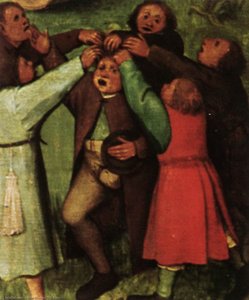
Babelov toranj
 Ulje na panelu
- Northern Renaissance
 1563
1563- Renesansa
 114.0 x 155.0 cm
 Kunsthistorisches Museum
 Pročitajte više
Ručno rađena uljana reprodukcija
Ručno oslikano uljanim bojama na platnu u dimenzijama i okviru po vašem izboru, izrađeno po narudžbi od strane naših umjetnika. ( Prebacite na prodaju printova Prebacite na digitalnu prodaju slika)




P118B $10

P118H $10

P118W $10

P438Z $10

P508JH $12

P508YH $12

P805H $10

P805Z $10

P919BZ $10

P919G $10

P919XJ $10

P959ZH $10

P968JZ $12

W106C $8

W218G $10

W218JH $8

W218Y $10

W307PJ $10

W316G $10

W316PJ $8

W316Y $10

W398PJ $8

W4111J $10

W500HY $15

W500JH $15

W692G $12

W849H $8

W940BG $15

W953PJ $8




Odaberite jednu od naših unaprijed definiranih veličina koje odgovaraju izvornim proporcijama umjetničkog djela.

Možete unijeti vlastite dimenzije kako bi odgovarale određenom okviru ili prostoru. Ako odabrana veličina ne odgovara proporcijama izvorne slike, izrezat ćemo umjetničko djelo ili proširiti sliku dodatnim ručno oslikanim elementima. Digitalni nacrt bit će vam poslan na odobrenje prije početka proizvodnje.
Imajte na umu da pregled na ekranu ne prikazuje stvarno izrezivanje ili proširivanje. Samo će nacrt točno prikazati konačni sastav.
Iako su dostupne prilagođene veličine, preporučujemo odabir dimenzije s preddefiniranog popisa kako bismo očuvali izvorne proporcije.
Nakon narudžbe, tim OriginalUniqueArt.com kontaktirat će klijenta putem e-pošte radi dobivanja uputa te dostaviti probni prikaz (mockup)
Isporuka širom svijeta () u roku od 3-4 tjedna umjesto standardnih 5 tjedana. (26 Rujan). Bez kompromisa u kvaliteti.

Besplatna ekspresna dostava širom svijeta

Visokokvalitetno laneno platno

Potpuno osiguranje transporta

Jamstvo povrata carine i uvoznih poreza

Jamstvo vjernosti boja

Politika povrata u roku od 100 dana (samo u slučaju nedostataka)

Jamstvo povrata 100% novca

Popust na više proizvoda
 Opcija stakla dostupna je samo za dimenzije manje od 110 cm

Babelov toranj
Tehnika izrade
Veličina reprodukcije
-


Ukupna cijena
$ 450
Monumetalna Ambicija i Božja Presuda: "Toranj Babel" Pietera Bruegela Starijeg
Pieter Bruegel Stariji (cca 1525 – 1569) ostavio je neizbrisiv trag u povijesti umjetnosti, a njegovo djelo “Toranj Babel” iz 1563. godine predstavlja vrhunac njegove stvaralačke snage i dubokog promišljanja o ljudskoj prirodi. Ovo monumentalno platno nije samo prikaz biblijske priče; to je snažna meditacija o čovjekovim težnjama, kolektivnom trudu i neizbježnim posljedicama ponosa. Bruegel nas uvodi u kaotičnu gradnju tornja koji se uzdiže prema nebu, kako je zabilježio spisatelj Geneze (11:1-9). Snaga ovog djela leži ne samo u njegovoj narativnoj jasnoći već i u majstorstvu izvedbe i složenom simbolizmu.Sjevernorenesansni Detalj i Tehnika
Izvedeno s nevjerojatnom preciznošću uljanim bojama na drvenoj podlozi – što je bila uobičajena praksa tog vremena – ovo djelo savršeno utjelovljuje stil Sjeverne renesanse. Bruegel nam ne samo *prikazuje* toranj, on nas uranja usred užurbanog gradilišta. Njegova tehnika karakterizira se složenim potezima kista, nanošenjem glazure kako bi postigao bogate teksture i gotovo enciklopedijskom pažnjom prema detaljima. Svaki kamen, svaki stup, svaka figura doprinosi osjećaju preopterećenosti i kompleksnosti. Ova predanost realizmu nije bila samo estetska; služila je naglašavanju opipljivog truda – i na kraju, uzaludnosti – ovog grandioznog pothvata. Promatratelj se gotovo fizički osjeća kao dio gužve, svjedok napornog rada koji vodi u propast.Povijesni i Religijski Kontekst
Nastalo tijekom razdoblja vjerskih i političkih previranja u Nizozemskoj, djelo odražava tjeskobu vezanu uz ljudske ambicije i društvenu fragmentaciju. Priča o Tornju Babelu često se tumačila kao poučna priča protiv bahatosti i simbol rasjedinjenosti. U 16. stoljeću u Antwerpenu, važnom trgovačkom centru suočenom s vjerskim sukobima između katolika i protestanata, slika rastrganog društva koje teži nedostižnom cilju imala je posebnu rezonanciju. Bruegel suptilno aludira na suvremene brige kroz prikaz različitih arhitektonskih stilova – romaničkog, gotskog, čak i istočnih utjecaja – što ukazuje na nedostatak jedinstvene svrhe. Raznolikost arhitekture simbolizira unutarnje podjele i nemogućnost postizanja harmonije u zajedničkom cilju.Dekodiranje Simbolizma
Sam toranj je središnji simbol: svjedočanstvo ljudske domišljatosti i kolektivne moći, ali na kraju osuđen na propast. Njegov spiralni, nepotpun oblik sugerira nestabilnost i slabu temeljnu strukturu. Frantična aktivnost ispod, s figurama koje mukotrpno prenose materijale i upravljaju primitivnim strojevima, naglašava ogromne napore uložene u projekt koji je osuđen na kolaps. Grupa promatrača s lijeve strane sugerira božansku intervenciju ili nadolazeću propast. Čak i prigušena paleta boja – dominirana zemljanim smeđim, sivim i oker tonovima – doprinosi sumornom raspoloženju slike, odražavajući težinu ljudske pogreške. Toranj Babel nije samo priča o gradnji; to je alegorija ljudskog ponosa i ograničenja naše moći.Biografija umjetnika
Pieter Bruegel the Elder (c. 1525–1569): Renaissance Master of Landscapes & Peasant Life
Pieter Bruegel the Elder emerged during a period of profound change, a time when the artistic landscape of Europe was shifting from the High Renaissance ideals of Italy towards the burgeoning complexities of Northern European expression. Born sometime between 1525 and 1530, likely in Breda – though details surrounding his early life remain somewhat elusive – Bruegel’s formative years unfolded amidst religious upheaval and a flourishing merchant culture. He began his artistic journey around 1545 as an apprentice to Pieter Coecke van Aelst, a respected Antwerp painter known for both his artistry and his designs for tapestries. This apprenticeship provided Bruegel with a solid grounding in the technical skills of oil painting and drawing, but perhaps more importantly, it exposed him to the humanist currents that were beginning to permeate intellectual circles. Van Aelst’s workshop was not merely a place of artistic instruction; it was a crucible where traditional techniques met new ideas, shaping Bruegel's future vision.Early Life & Artistic Training
Bruegel’s initial artistic training took place in Antwerp, the undisputed center of Flemish art and commerce during his time. He studied under Pieter Coecke van Aelst, absorbing the master’s meticulous attention to detail and mastering the techniques of oil painting – a medium that was gaining prominence in Northern Europe as artists sought to emulate the luminous effects achieved by Italian Renaissance painters. However, Bruegel's artistic sensibilities were distinctly rooted in the traditions of Flemish art, characterized by a focus on realism, expressive color palettes, and a profound understanding of human psychology. This early exposure to humanist thought would profoundly influence his subsequent artistic endeavors, shaping his worldview and informing his creative choices.Travels & Artistic Transformation
Following his apprenticeship, Bruegel embarked on extensive travels that would indelibly mark his artistic development. Between 1551 and 1553, he journeyed through France, Switzerland, and Italy – a daring undertaking for a young artist venturing into unfamiliar cultural landscapes. These expeditions were not merely sightseeing trips; they were deliberate explorations of artistic inspiration. While in Italy, Bruegel encountered the monumental works of Renaissance masters—Leonardo da Vinci, Michelangelo, Raphael—and absorbed their stylistic innovations. Yet, crucially, he resisted the temptation to adopt Italianate conventions wholesale. Instead, he internalized their influence and filtered it through his own unique temperament, resulting in a distinctive artistic style that blended Northern European realism with elements of Italian grandeur. The Alps, with their dramatic peaks and valleys, captivated Bruegel’s imagination and profoundly impacted the compositional structure and atmospheric perspective found in many of his later landscapes.The Birth of a Unique Vision: Landscapes & Peasant Life
Bruegel's artistic breakthrough occurred when he turned his gaze inward—towards the everyday lives of Flemish peasants and villagers. Unlike many of his contemporaries who favored mythological narratives or religious iconography, Bruegel chose to depict scenes from rural existence with remarkable honesty and psychological insight. His landscapes were not merely decorative backgrounds; they were active participants in the narrative, imbued with symbolic meaning and reflecting a deep understanding of nature’s power and beauty. Paintings like *The Hunters in the Snow* exemplify his masterful command of atmospheric perspective—creating depth and realism through subtle gradations of color and tone—while *Peasant Wedding* captures the vibrant energy and social customs of a Flemish village with astonishing detail. Bruegel's artistic vision was characterized by a humanist impulse to portray humanity as it truly is—with its joys, sorrows, triumphs, and failures—without resorting to idealized representations or moralizing judgments.Iconic Works & Lasting Influence
Pieter Bruegel the Elder’s legacy extends far beyond his individual paintings. He established himself as one of the foremost artists of his era, influencing generations of painters who followed him. His innovative approach to landscape painting paved the way for developments in the genre that would resonate throughout the Baroque period and beyond. Furthermore, Bruegel's unflinching portrayal of peasant life challenged prevailing artistic conventions and contributed to a broader cultural shift towards valuing vernacular culture and depicting human experience with psychological realism. Paintings like *The Tower of Babel*, *Landscape with the Fall of Icarus*, and *The Peasant Wedding* remain among the most celebrated works of art in history—testaments to Bruegel’s artistic genius and enduring influence on Western art. He died in Brussels in 1569 at the relatively young age of forty-three, leaving behind a body of work that continues to captivate audiences worldwide and cementing his place as one of the most important figures in the history of art.
Pieter Bruegel Stariji
1525 - 1569 , Nizozemska
Brzi pregled
- Artistic Movement Or Style: Renaissance painting
- Artists Or Movements Influenced By This Artist: ['Dutch Golden Age painting']
- Artists Who Influenced This Artist: ['Hieronymus Bosch']
- Date Of Birth: c. 1525
- Date Of Death: 1569
- Full Name: Pieter Bruegel the Elder
- Nationality: Flemish
- Notable Artworks:
- Landscape with the Flight into Egypt
- The Triumph of Death
- Peasant Wedding
- Hunters in the Snow
- Place Of Birth: Breda, Netherlands
Povezani članci
Deset Remek-djela Sjeverne Renesanse: Umetnička Baština Za Vaš Dom
Otkrijte 10 remek-djela sjeverne renesanse! Jan van Eyck, Dürer i drugi majstori – istražite priče iza ovih ikoničnih djela. Inspirirajte se za svoj dom s reprodukcijama vrhunske kvalitete na OriginalUniqueArt.com!

Pieter Bruegel the Elder: A Master of Genre, Landscape & Social Commentary
Explore the life & art of Pieter Bruegel the Elder, a pivotal figure of the Renaissance. Discover his groundbreaking genre scenes, symbolic landscapes, and lasting influence on art history. Learn more at OriginalUniqueArt.
25 Remek-djela Kunsthistorisches Museuma: Umjetnost za Vaš Dom | OriginalUniqueArt.hr
Uronite u svijet 25 remek-djela Kunsthistorisches Museuma u Beču! Otkrijte priče Raphaela, Rembrandta i Vermeera. Pronađite inspiraciju za dekoraciju doma s vrhunskim reprodukcijama slika na OriginalUniqueArt.com.

The Alchemy of Precision: Unveiling the Intricate Mastery of Northern Renaissance Art
Unveil the intricate mastery of Northern Renaissance Art. Explore the luminous oil techniques, hidden symbolism, and breathtaking realism of Flemish masters through an expert lens of art history and technical precision.
Jan Brueghel the Elder: A Master of Flemish Landscape & Allegory – Exploring Innovation & Influence
Explore the captivating world of Jan Brueghel the Elder, a Flemish Baroque master renowned for his stunning landscapes & allegorical paintings. Discover his collaborations with Rubens and lasting artistic legacy.