
() ·
Slika izrađena ručno, baš za vas
Ručno rađena uljana reprodukcija
Ručno oslikano uljanim bojama na platnu u dimenzijama i okviru po vašem izboru, izrađeno po narudžbi od strane naših umjetnika. ( Prebacite na printove Prebacite na digitalnu sliku)
Biografija umjetnika
Andrea di Cione (Orcagna), a pivotal Florentine painter of the 14th century. Known for dramatic scenes, religious narratives & The Triumph of Death, his work exemplifies Gothic-Late Gothic style.
 Prikaži više
od ·
Poglavlje 1
Koje bi dimenzije trebalo imati?
Povucite kako biste promijenili dimenziju; slika s lijeve strane prikazuje okvir u njegovoj stvarnoj širini. Zadržane su proporcije originala.
Odaberite jednu od naših unaprijed definiranih veličina koje odgovaraju izvornim proporcijama umjetničkog djela.

Unesite potrebnu širinu i visinu kako bi dimenzije odgovarale vašem okviru ili zidu. Budući da je riječ o ručno oslikanom djelu, umjetnik može malo proširiti rubove slike ili ih skratiti kako bi postigao drugačiji oblik — izbor je vaš. Prije početka slikanja poslat ćemo vam digitalni prikaz (mockup) radi potvrde. Slika prikazana na ovoj stranici ne predstavlja stvarni rezultat — samo digitalni prikaz to čini.
Poglavlje 2
U kakvom bi stanju trebalo stići?
Odaberite rubove platna
Odaberite svoj okvir

Bijela rubna traka €1

Zamućeni rubovi €1

Prošireno €1

P118B €10

P118H €10

P118W €10

P438Z €10

P508JH €12

P508YH €12

P805H €10

P805Z €10

P919BZ €10

P919G €10

P919XJ €10

P959ZH €10

P968JZ €12

W106C €8

W218G €10

W218JH €8

W218Y €10

W307PJ €10

W316G €10

W316PJ €8

W316Y €10

W398PJ €8

W4111J €10

W500HY €15

W500JH €15

W692G €12

W849H €8

W940BG €15

W953PJ €8

H24-GOLD €30

H24-SILVER €30

H36-GOLD €45

H36-SILVER €45
Uokvireno
Profil: . Ukupna veličina s okvirom: .
Poglavlje 3
Tko to slika i treba li išta promijeniti?
Nakon narudžbe, tim OriginalUniqueArt.com kontaktirat će klijenta putem e-pošte radi uputa te dostaviti pregledni prikaz (mockup)
Poglavlje 4
Isporuka širom svijeta () u roku od 3-4 tjedna umjesto standardnih 5 tjedana. (22 Studeni). Bez kompromisa u kvaliteti.
Završni dodir
Pločica s natpisom, kao u muzeju?
Detalji gravirane brončane pločice
This elegant plaque features the artist's name and the title of the artwork, finely engraved for a timeless presentation.
It is made from bronze with a refined, elegant finish. The text is precisely laser-engraved for a sharp and permanent result. Measuring 9x2 cm, the plaque is compact yet easy to read. It's built to be durable and scratch-resistant, offering a professional, museum-quality look. Mounting is simple thanks to the included adhesive backing.
Detalji prozirne akrilne pločice
The plaque includes essential engraved details such as the artist's name, the title of the artwork, the date it was created, the type of media used-like oil on canvas or watercolor-a brief description of the piece, and a QR code that links to the complete artwork information.
It is crafted from clear acrylic, offering a sleek, modern appearance. The text is UV-engraved in black to ensure strong visual contrast. With a size of 10x15 cm, it ensures optimal readability. It comes equipped with two metal hooks for secure wall mounting. The plaque is designed to be weather-resistant, making it suitable for various environments, and it includes interactive features that work seamlessly with smartphone scanning.
Detalji crne akrilne pločice
This elegant plaque includes engraved information such as the artist's name, the title of the artwork, the date it was created, the type of media used (like oil on canvas or watercolor), a short description of the artwork, and a QR code for quick access to more information.
The plaque itself is made from refined black acrylic with a premium finish. The text is laser-engraved in white for high contrast and readability. Its size is 10x15 cm, designed to be easy to read. It comes with two metal hooks for professional mounting. The design is sleek and fits any interior style. It is also weather-resistant and durable, with built-in digital integration for mobile compatibility.
Zaštitni lak?
Kada vam je potrebno?
Poglavlje 5
Vaša slika, prema vašoj narudžbi

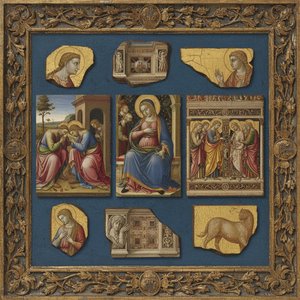
Tabernacle
Tehnika reprodukcije
Veličina reprodukcije
-

Odabrani vrhunski umjetnik
Više detalja, profinjenosti i dodatnog vremena za izradu
-

Okvir za reprodukciju
-
-
Za umjetnička djela ili reprodukcije veće od 105 cm (približno 41 inč) na bilo kojoj strani, okvir će biti isporučen u obliku rastavljenog seta za montažu. Ovaj način osigurava sigurnu dostavu i sprječava oštećenja tijekom transporta.
Potrebna je profesionalna montaža – ovo nije proizvod za samostalnu izradu.
Set mora sastaviti i platno zategnuti iskusni profesionalni uokvirivač, koristeći drvno ljepilo (nije uključeno u set), kljeste za zatezanje platna i stege kako bi se održao pravilan kut letvica dok se ljepilo suši. Nepravilna montaža ili neravnomjerno zategnuto platno mogu trajno oštetiti umjetničko djelo, a takva oštećenja nisu pokrivena našim jamstvom.
 Za umjetnička djela ili reprodukcije veće od 105 cm (približno 41 inč) na bilo kojoj strani, okvir će biti isporučen u obliku rastavljenog seta za montažu. Ovaj način osigurava sigurnu dostavu i sprječava oštećenja tijekom transporta.
Sve letvice od punog drveta su uključene, precizno izrezane po mjeri.
Montira se pomoću priloženih vijaka, uz dodatak ljepila za drvo za spojeve u kutovima, koje nije uključeno u set i koje vaš okviraš mora vlastito nabaviti.
Potrebni su profesionalni alati koji nisu uključeni: škripc za zatezanje platna (zatezač) i stezaljke za održavanje pravokonačnosti letvica tijekom sušenja ljepila.
Važno:
Za spojeve u kutovima potrebno je ljepilo za drvo, letvice se moraju pričvrstiti stezgama dok se ljepilo potpuno ne osuši, a za zatezanje platna na sastavljenom okviru potreban je alat za zatezanje platna. Nijedan od ovih alata nije uključen u set. Molimo vas da prije narudžbe ove veličine osigurate uslugu iskusnog profesionalnog uokvirivača.

Natpisna pločica
-
-

Zaštitni lak
Sjajni lak (pojačava intenzitet boja, štiti od svjetlosti i vlage)
-

Prilagodite svoje umjetničko djelo
Primjeri mogućnosti prilagodbe: Zamijenite lice fotografijom kupca; Dodajte ljubimca (npr. zamijenite mačku psom); Uključite skrivenu poruku u pozadinu; Promijenite pejzaž ili elemente pozadine.
-

Hitna dostava
Globalna dostava () u roku od 3-4 tjedna umjesto standardnih 5 tjedana. (22 Studeni). Bez kompromisa u kvaliteti.
-
Brza dostava
Dostava širom svijeta () u roku od 5 tjedana. (29 Studeni).
Uključeno u cijenu
Ukupna cijena
€ 268
Opcija stakla dostupna je samo za dimenzije manje od 110 cm
Uključeno uz svaku narudžbu
- Besplatna ekspresna dostava širom svijeta
- Visokokvalitetno laneno platno
- Potpuno osiguranje dostave
- Jamstvo povrata carine i uvoznih poreza
- Jamstvo vjernosti boja
- Politika povrata u roku od 100 dana (samo u slučaju nedostataka)
- Jamstvo povrata 100% novca
- Popust na više proizvoda


 Pregledaj u realnoj veličini
 Pošalji
 Podijeli
 Detalji o umjetničkom djelu
 Vodič
Vodič

 Preuzmi umjetničko djelo
 Slični predmeti
 Rentgenska snimka
 Slide show
 Pitanja i odgovori
 Statistika
U brojkama
- 1359godina nastanka
- 29okviri koji možete odabrati
- standardne dimenzije, u vlastitim proporcijama
- 5tjedana za slikanje i dostavu
O izvornom djelu


Andrea Di Cione Di Arcangelo (Orcagna)
1308 - 1368, Italy
Brzi pregled o Andrea Di Cione Di Arcangelo (Orcagna)
- Full Name: Andrea di Cione di Arcangelo (Orcagna)
- Nationality: Italian
- Date Of Birth: 1308
- Date Of Death: 1368
- Place Of Birth: Florence, Italy
- Notable Artworks:
- Saint Matthew and Scenes from his Life
- The Expulsion of the Duke of Athens
- Tabernacle (detail)
- Cenacolo di Andrea del Sarto
- Sant'Andrea a Brozzi
- Artistic Movement Or Style: Gothic-Late Gothic
- Artists Who Influenced This Artist: ['Ghirlandaio']
- Artists Or Movements Influenced By This Artist: ['Renaissance']
Biografija umjetnika
A Florentine Titan of the Gothic Revival
Andrea di Cione, known to history by the evocative moniker Orcagna, stands as one of the most influential figures in Florentine art during the mid-14th century—a period marked by a fascinating confluence of Gothic and Late Gothic artistic traditions. Born around 1308 in the heart of Florence, he emerged from a family deeply rooted in the city's prestigious artisan culture. His father, a skilled goldsmith, instilled in him an early appreciation for meticulous detail and the masterful execution of fine materials. This familial legacy profoundly shaped Orcagna’s artistic trajectory, propelling him to become not merely a painter but also a sculptor and architect—a rare combination of talents that cemented his reputation as a true polymath of the era.
Orcagna's formative years were spent honing his skills within the vibrant Florentine artisan community. While biographical details remain scarce, evidence suggests he received training primarily from his father and possibly from other prominent sculptors of the time. This grounding in traditional techniques—particularly those associated with Gothic sculpture—would prove crucial to his subsequent artistic endeavors. The influence of Flemish art, particularly its dramatic compositions and expressive realism, is palpable in Orcagna’s early works, foreshadowing the stylistic innovations that would define his mature style. His ability to blend the structural rigidity of sculptural forms with the fluid grace of painting allowed him to create works that felt both monumental and deeply human.
Mastery of Narrative and Devotion
The evolution of Orcagna's style is best observed through his profound engagement with religious narratives and complex altarpieces. One of his most celebrated contributions to the Florentine tradition is the Strozzi Altarpiece, a stunning 1354 Gothic masterpiece. In this work, one can admire the rich detail and vibrant colors that characterize his approach to sacred subjects. His ability to organize large groups of figures within a cohesive, hierarchical structure became a hallmark of his technique, guiding the viewer's eye through layers of spiritual significance. This period of his career demonstrates a transition from purely decorative Gothic elements toward a more structured, almost architectural way of presenting divine stories.
Beyond his altarpieces, Orcagna’s work often explored themes of historical and political tension, as seen in pieces like The Expulsion of the Duke of Athens. These works reveal an artist capable of capturing intense emotion and movement, moving beyond static iconography to embrace a more dynamic storytelling mode. His compositions frequently utilized:
- Hieratic Scale: Using size to denote the spiritual importance of saints and divine figures.
- Architectural Framing: Integrating painted structures that mimic the physical space of cathedrals.
- Expressive Linearity: Utilizing sharp, defined outlines to create a sense of clarity and dramatic tension.
The Triumph of Death and Lasting Legacy
Orcagna achieved unparalleled fame through The Triumph of Death, a monumental undertaking commissioned for Siena Cathedral between 1365 and 1370. This ambitious project represents arguably the pinnacle of Late Gothic art in Italy, showcasing Orcagna’s mastery of sculptural technique alongside his exceptional painting prowess. The work is a complex assemblage of figures depicting saints, martyrs, and demons, executed with breathtaking precision to convey a profound sense of terror and solemn contemplation. It serves as a haunting meditation on mortality, capturing the collective psyche of a century often defined by plague and upheaval.
The historical significance of Andrea di Cione cannot be overstated. As a bridge between the medieval tradition and the burgeoning complexities of the later 14th century, his work provided a foundation upon which future Florentine masters would build. His ability to synthesize the decorative elegance of the Gothic style with a new, more visceral sense of drama helped define the visual language of his age. Even as the Renaissance began to reshape the artistic landscape, the structural integrity and emotional depth found in Orcagna's masterpieces remained a testament to his enduring genius.
Srodni članci

Masterpieces of Siena: Top 25 Artworks by Duccio di Buoninsegna
Journey through the Sienese School with our curated guide to the top 25 artworks by Duccio di Buoninsegna. Explore the divine beauty of Byzantine-inspired masterpieces and find museum-quality art reproductions for your decor. Discover all masterpieces on OriginalUniqueArt.com.

Master of Antiquity: The Top 25 Greatest Artworks by Andrea Mantegna
Journey through the Renaissance with our curated guide to the top 25 Andrea Mantegna masterpieces. From illusionistic frescoes to classical studies, explore the timeless beauty of Italian art and find museum-quality reproductions for your decor. Discover all masterpieces on OriginalUniqueArt.com.

25 Masterpieces by Giotto di Bondone: The Father of Renaissance Art
Journey through the revolutionary world of Giotto di Bondone. Explore 25 iconic masterpieces that birthed the Renaissance through profound emotion and realism. Find museum-quality art reproductions and timeless decor inspiration. Discover all masterpieces on OriginalUniqueArt.com.
Proto-Renaissance Masters: 10 Artworks That Changed History | OriginalUniqueArt
Journey back to the dawn of Renaissance art! Explore 10 iconic Proto-Renaissance masterpieces by Giotto, Cimabue & Duccio. Discover their stories, techniques & lasting impact. Find museum-quality reproductions for your home at OriginalUniqueArt.com