Aztec Empire
Flute (Azteški Carstvo)
Azteški Carstvo (1300–1521) je izradio Flute. Pripada pokretu Aztec Empire. Izrađeno je u Acrylic On Canvas. Čuva se u muzeju Metropolitan Museum of Art u mjestu New York, Sjedinjene Američke Države.
- Acrylic On Canvas
- Metropolitan Museum of Art, New York

 Pregledaj u realnoj veličini

 Ručno oslikano uljanim bojama
 Pošalji
 Podijeli
 Vodič


 Preuzmi umjetničko djelo
 Slični predmeti
 Rentgenska snimka
 Slide show
 Pitanja i odgovori

 Statistika
Flute: ključne informacije
- Naslov
- Flute
- umjetnik
- Azteški Carstvo (1300–1521)
- Rođen/a u
- Tenochtitlan, Mexiko
- Tehnika
- Acrylic On Canvas
- Gdje se može vidjeti
- Metropolitan Museum of Art, New York, Sjedinjene Američke Države
- Pokret
- Aztec Empire
- Tema
- flute, aztec, ancient, culture, symbolism, mesoamerica
Što prikazuje Flute?
The Echoing Voice of Stone: An Exploration of the Aztec Flute
Within the vast tapestry of Aztec artistry lies a deceptively simple instrument – the flute, often referred to as *uilacapitztli* (meaning “flute-head”). More than just a musical device, this clay vessel, meticulously crafted and imbued with symbolic resonance, offers a poignant window into the spiritual beliefs, artistic traditions, and cultural values of one of Mesoamerica’s most sophisticated civilizations. Recovered from archaeological sites across Mexico, these flutes – often adorned with depictions of animals, deities, or geometric patterns – are not merely relics of the past; they are tangible echoes of a vibrant society that flourished for centuries before succumbing to Spanish conquest.
The creation of an *uilacapitztli* was a deliberate and carefully considered process. Typically fashioned from unfired clay, these flutes were meticulously shaped by hand, reflecting a remarkable level of skill and artistry. The most common form is a cylindrical vessel with a distinctive bird-shaped head – the ‘head’ representing the feathered serpent Quetzalcoatl, a central deity associated with music, knowledge, and creation. Smaller versions, often resembling frogs or turtles, were also produced, suggesting their use in children's toys or as ritual objects for specific ceremonies. The intricate carvings that adorn these flutes – stylized representations of jaguars, serpents, birds, and geometric designs – are not merely decorative; they carry profound symbolic meaning, reflecting the Aztec worldview and their connection to the natural world.
A Symphony of Symbolism
The symbolism embedded within each *uilacapitztli* is a rich testament to Aztec cosmology. The bird-shaped head, prominently featured on many instruments, directly references Quetzalcoatl, whose association with music and the wind suggests a connection between sound, spirituality, and communication with the divine. Animal motifs – particularly jaguars and serpents – were frequently linked to powerful deities and represented concepts such as strength, fertility, and transformation. Geometric patterns, often repeating spirals or zigzags, may have symbolized cycles of time, cosmic order, or the interconnectedness of all things. The choice of animal or symbol likely depended on the specific purpose for which the flute was intended – whether for ceremonial use, entertainment, or even as a gift.
Furthermore, the clay itself held significance. Clay was considered a sacred material, representing earth and fertility—a fundamental element in Aztec beliefs. The act of shaping the clay into an instrument was therefore imbued with ritualistic importance, transforming a mundane substance into a conduit for spiritual expression. It’s believed that these flutes were not simply played; they were *sung* – their sounds carefully controlled to evoke specific emotions and connect with the spirit world.
A Legacy in Sound and Form
The *uilacapitztli* stands as a powerful reminder of the Aztec Empire’s artistic sophistication and its deep connection to spirituality. While much remains unknown about the precise melodies produced by these instruments, their enduring presence speaks volumes about the importance of music within Aztec society. These flutes were not merely objects; they were vessels for storytelling, ritual performance, and spiritual communion.
Today, high-quality reproductions of these ancient instruments are available, offering a unique opportunity to experience the beauty and artistry of Aztec craftsmanship. When selecting a reproduction, consider the materials used – authentic clay or durable ceramics that capture the texture and feel of the original. The level of detail in the carvings will also reflect the quality of the piece, ensuring it accurately represents the intricate symbolism of the ancient *uilacapitztli*. Owning such a reproduction is not simply acquiring an artifact; it’s embracing a tangible link to a remarkable civilization and allowing its resonant voice to echo through time.
U kojem se muzeju nalazi Flute?
Metropolitan Museum of Art
New York, Sjedinjene Američke Države
Podrijetlo i povijest Metropolitan Museum of Art Početak Metropolitan Museum of Art započeo je s vizijom koju je dijelila skupina poslovnika, financijera te vodećih umjetnika i mislilaca. Nakon osnivanja 1870. godine, institucija je tražila trajno utočište kako bi smjestila svoje stalno rastuće zbirke.


Flute u visokoj rezoluciji

Azteški Carstvo, Flute, Metropolitan Museum of Art. Javno dobro.
Digitalni stručnjak uspoređuje boje s izvornim slikarskim djelom i retušira datoteku, vjerno prateći umjetnikove poteze četkicom.
Kupite sliku visoke rezolucijePitanja o Flute
Odakle dolaze posjetitelji djela "Flute" autora Azteški Carstvo?
Postoji Statistika pregleda stranica za "Flute". Ona prikazuje mjesečne posjete umjetničkom djelu i drugim djelima umjetnika, uz podelu prema zemljama i jezicima.
Koji umjetnik se pripisuje djelu "Flute"?
Autorstvo djela "Flute" pripisuje se Azteški Carstvo.
Pod kojim drugim imenima ili pseudonimima poznat je/poznata je Azteški Carstvo?
Azteški Carstvo poznat/a je i pod drugim imenima: Carstvo Azteka.
Kakvu atmosferu unosi "Flute" autora Azteški Carstvo u interijer?
Uz svoj Calm ugođaj, djelo "Flute" preporučuje se za Living Room.
Koja se veličina i orijentacija ispisa preporučuju za "Flute" autora Azteški Carstvo?
Za "Flute", preporučena veličina za print je Medium i Landscape orijentacija.
Što objašnjava status autorskih prava za "Flute" autora Azteški Carstvo?
"Flute" autora Azteški Carstvo je u u javnom vlasništvu – autorska prava su istekla. Autorska prava traju od smrti umjetnika, koja se dogodila 1521.
Gdje bi se trebala visiti reprodukcija djela "Flute" autora Azteški Carstvo?
Format Landscape djela "Flute" autora Azteški Carstvo preporučuje se za Living Room. Format i prostor zajedno usmjeravaju postavljanje reprodukcije.
Može li se djelo "Flute" autora Azteški Carstvo, koje se nalazi u muzeju Metropolitan Museum of Art, pravno reproducirati?
Originalno djelo "Flute" nalazi se u muzeju Metropolitan Museum of Art, a rad je u javnom vlasništvu – autorska prava su istekla.
Kakvu paletu boja koristi "Flute"?
Boje djela "Flute" čine Pastels paletu. Ova klasifikacija opisuje dominantne obitelji boja.
O umjetniku, Azteški Carstvo

1300–1521, Mexiko
Azteški Carstvo
Ehovi Kamena: Istraživanje Umjetnosti i Naslijeđa Aztečkog Carstva Ime „Aztek“ – izvedeno iz Nahuatl riječi *ātl-ce-tlācati–tlān*, što znači „narod mnogih oblika“ – izaziva slike ogromnog, složenog carstva koje je dominiralo Mesoamerikom stoljećima. Azteci nisu bili samo ratnici i osvajači; oni su bili duboko umjetnički pojedinci, tkanje predivne ljepote u svaki aspekt svog života—od monumentalne arhitekture do nježnih pletenja peradi, od svetih rituala do svakodnevnih predmeta. Njena umjetnost nije bila samo dekorativna; to je bio živahan jezik koji je komunicirao vjerska uvjerenja, političku moć, povijesne narative i društvene hijerarhije unutar društva koje je bilo istovremeno i strogo strukturirano i izuzetno inovativno. Rođeni u ranom 14.
I ostalo djelo autora Azteški Carstvo
 Mosaic of a Double-headed Serpent1521
 Head from a Figure, Xochipilli Macuilxochitl1521
 Figure1521
 Serpent Labret with Articulated Tongue

Eseji o djelu Flute
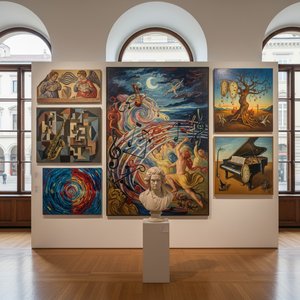 Harmonies on Canvas: Exploring the Visual Representation of Music in Art HistoryExplore the fascinating history of music's visual representation in art! From ancient symbolism to modern abstraction, discover how artists…
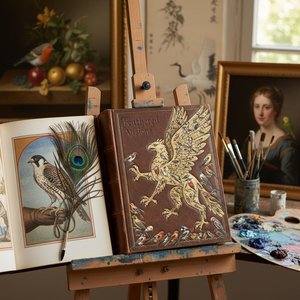 Feathered Visions: A Historical & Artistic Exploration of Birds in PaintingExplore the rich history of birds in painting! Discover symbolism, artistic movements & master artists like Audubon. High-quality reproduct…
 25 Must-See Masterpieces at The Met: A Journey Through Art HistoryExplore 25 iconic treasures from The Met, from Pollock to Rembrandt. Discover museum-quality art on OriginalUniqueArt.com.