Symbolist Painting · 1879
Spring Evening (Arnold Böcklin, 1879)
Arnold Böcklin (1827–1901) je izradio Spring Evening. Datira iz 1879. Pripada pokretu Symbolist Painting. Izrađeno je u Oil On Panel. Čuva se u muzeju Szépművészeti Múzeum u mjestu Budimpešta, Hrvatska. Dimenzije su 67 × 129 cm.
- 1879
- Oil On Panel
- 67 × 129 cm
- Szépművészeti Múzeum, Budimpešta

 Pregledaj u realnoj veličini

 Ručno oslikano uljanim bojama
 Pošalji
 Podijeli
 Informativni list


 Preuzmi umjetničko djelo
 Slični predmeti
 Rentgenska snimka
 Slide show
 Pitanja i odgovori

 Statistika
Spring Evening, ukratko
- Naslov
- Spring Evening
- umjetnik
- Arnold Böcklin (1827–1901)
- Rođen/a u
- Basel, Švicarska
- Datum
- 1879
- Tehnika
- Oil On Panel
- Dimenzije
- 67 × 129 cm
- Gdje se može vidjeti
- Szépművészeti Múzeum, Budimpešta, Hrvatska
- Pokret
- Symbolist Painting
- Tema
- mythology, nymphs, pan, forest, evening, landscape
Što prikazuje Spring Evening?
The Ethereal Embrace of Spring Evening
Arnold Böcklin’s “Spring Evening,” painted in 1879, isn't merely a depiction of a woodland scene; it’s an immersion into a realm of melancholic beauty and profound symbolism. Created during his time in Florence – a city that profoundly shaped his artistic vision – the painting captures a fleeting moment of enchantment, steeped in the atmosphere of late Romanticism and foreshadowing the rise of Symbolism. The canvas breathes with a quiet intensity, dominated by muted greens, blues, and browns, creating an almost dreamlike quality that immediately draws the viewer into its hushed world.
At the heart of the composition stands a woman, her posture suggesting both contemplation and vulnerability. Her hand gently resting on her head is a gesture simultaneously of yielding and quiet strength – she’s not passively observing but actively engaged with the scene unfolding before her. Beside her sits a man, seemingly lost in thought as he peruses a book, his presence offering a grounding element to the ethereal atmosphere. A bear, rendered with surprising tenderness, interacts playfully with both figures, blurring the lines between human and animal, nature and civilization. This carefully orchestrated tableau speaks of harmony, connection, and the delicate balance of the natural world.
A Symphony of Symbolism
Böcklin’s work is deeply rooted in mythology and folklore, drawing heavily on ancient Greek and Roman traditions. The central figure, often interpreted as Pan – the god of nature, shepherds, and wild music – plays his pipes, summoning a chorus of unseen nymphs from the surrounding forest. These dryads, with their flowing hair and graceful movements, represent the spirit of the woods, embodying both beauty and danger. The bear itself is a potent symbol, frequently associated with strength, wisdom, and primal instincts—a reminder of humanity’s connection to the earth.
The painting's muted palette contributes significantly to its symbolic weight. The cool blues and greens evoke a sense of melancholy and introspection, while the browns ground the scene in the tangible reality of the forest floor. The lighting is soft and diffused, creating an atmosphere of twilight—a liminal space between day and night, representing transition, mystery, and perhaps even mortality. Böcklin masterfully uses color not to simply depict a landscape but to convey complex emotions and ideas.
Technique and Artistic Influences
“Spring Evening” exemplifies Böcklin’s distinctive artistic style, characterized by meticulous detail, rich textures, and an almost obsessive attention to the natural world. He employed a technique of layering thin glazes of oil paint, building up color gradually to achieve remarkable depth and luminosity. The brushwork is subtle yet expressive, conveying both the smoothness of the forest floor and the intricate details of the foliage.
Böcklin’s artistic journey was profoundly influenced by his time in Düsseldorf, where he studied under Schirmer and became associated with the Düsseldorf School of Painting. However, it was in Florence that he truly developed his unique Symbolist vision, drawing inspiration from the city's rich cultural heritage and its connection to antiquity. The painting also reflects the influence of Romanticism, particularly the emphasis on emotion, imagination, and the sublime beauty of nature—themes central to the movement.
A Timeless Resonance
“Spring Evening” continues to resonate with viewers today because it taps into universal themes of longing, connection, and the search for meaning. Its evocative atmosphere and symbolic richness invite contemplation and offer a glimpse into the artist’s deeply personal vision. The painting's enduring appeal lies in its ability to transport us to another time and place—a world where myth and reality intertwine, and where the beauty of nature is inextricably linked to the mysteries of the human soul.
U kojem se muzeju nalazi Spring Evening?
Szépművészeti Múzeum
Budimpešta, Hrvatska
Podrijetlo i povijest Szépművészeti Múzeum Utemeljenje Szépművészeti Múzeum formalizirano je Milenijskim zakonom iz 1896. godine. Ova je zakonodavna odluka težila stvoriti posvećenu instituciju za piękne umjetnosti unutar Budimpešte, u srcu Mađarske.
 Jael i SiseraArtemisia Gentileschi, 1620
 Žena koja čita pismoPieter De Hooch, 1664
 Pieter Bruegel Stariji
Pieter Bruegel the Elder (c. 1525–1569): Renaissance Master of Landscapes & Peasant Life
Pieiter Bruegel the Elder emerged during a period of profound change, a time when the artistic landscape of Europe was shifting from the HighPieter Brueghel stariji, 1566
Slike visoke rezolucije djela Spring Evening

Javno dobro: umjetnik je preminuo 1901.
Ostale veličine, izrezivi i citiranje →Arnold Böcklin, Spring Evening (1879), Szépművészeti Múzeum. Javno dobro.
Odgovori na pitanja o Spring Evening
Gdje mogu vidjeti originalno djelo "Spring Evening" autora Arnold Böcklin?
Originalno djelo "Spring Evening" autora Arnold Böcklin čuva se u muzeju Szépművészeti Múzeum, Budimpešta, Hrvatska. Reprodukcija omogućuje prikazivanje ovog djela u vašem domu.
U kojoj je godini nastalo djelo "Spring Evening" autora Arnold Böcklin?
Djelo "Spring Evening" datira iz 1879 godine. Taj datum smješta rad unutar karijere Arnold Böcklin i pripadajućeg mu razdoblja.
Koja je tehnika korištena za "Spring Evening"?
"Spring Evening" je izvedeno u tehnici Oil On Panel.
Koje su dimenzije izvornog "Spring Evening"?
Dimenzije izvornog djela "Spring Evening" autora Arnold Böcklin su 67 x 129 cm.
Što prikazuje "Spring Evening" autora Arnold Böcklin?
Motivi djela "Spring Evening" su mythology, nymphs, pan, forest, evening, landscape, symbolism, böcklin.
Je li prikaz "Spring Evening" autora Arnold Böcklin u javnom vlasništvu?
Status autorskih prava za "Spring Evening" autora Arnold Böcklin: djelo je u javnom vlasništvu – autorska prava su istekla. To određuje smiju li se slobodno izrađivati reprodukcije slike.
Koji umjetnik se pripisuje djelu "Spring Evening"?
Autorstvo djela "Spring Evening" pripisuje se Arnold Böcklin.
Koji umjetnički pravac obuhvaća "Spring Evening" autora Arnold Böcklin?
Umjetnički pravac povezan s djelom "Spring Evening" autora Arnold Böcklin je Symbolist Painting. Ova klasifikacija smješta rad među povezane umjetnike i umjetnička djela.
Pripada li "Spring Evening" kojoj periodi umjetnikove karijere Arnold Böcklin?
"Spring Evening" predstavlja Late Period umjetnika Arnold Böcklin.
O umjetniku, Arnold Böcklin
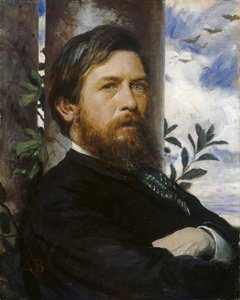
1827–1901, Švicarska
Arnold Böcklin
Sjena otoka Basel u Švicarskoj predstavlja početnu točku za život definiran napetostju između opipljivog i spektralnog. Rođen 16. listopada 1827. godine od Christiana Frederica Böcklina i Ursule Lippe, mladi čovjek će se na kraju izdvojiti iz očevog trgovanja svilom i otići u stroge hodnike Düsseldorfske akademije.
I ostalo djelo autora Arnold Böcklin
 Otok mrtvih (Prva verzija)1880
 Autoportret sa smrću koja svira violinu
 Rat1896
 The Isle of the Dead (Version 2)1880

Eseji o djelu Spring Evening
 French artworks of the 1880sFrench Impressionist masterpieces by Claude Monet, Pierre-Auguste Renoir, and Georges Seurat. Find museum-quality reproductions on Original…
 Symphony of Sunlight: The Luminous Legacy of Pine Tree Landscapes in Art HistoryExplore the luminous history of pine landscapes through Sorolla and Shishkin. Discover the magic of forest art today.
 En Plein Air Serenity: Exploring the Luminous Beauty of Impressionist Garden ArtExplore the luminous history of Impressionist garden art through Monet and Van Gogh. Discover the magic of plein air painting today.