Portret Émile Friant

60 najpoznatijih djela umjetnika Émile Friant, svako jedinstveno

Ažurirano Studeni 2026 · rangirano prema našoj ocjeni popularnosti (pretraživanja, posjeti i narudžbe za svako djelo) · 60 djela Émile Friant u našem katalogu

Ukratko

The Rowers of the Meurthe (1888) je slika autora Émile Friant koja privlači najviše pogleda; original se nalazi u muzeju musée de l'École de Nancy, Nancy. Nakon toga, pogled se usmjerava na Woman with a lion (1919) i Portrait de sa mère épluchant un navet, devant une fenêtre (1887). Među 60 djela umjetnika Émile Friant u našem katalogu, ovih 60 su najpoznatija, od kojih je svako jedinstveni original predstavljen s godinom nastanka, muzejom i razlogom zbog kojeg je vječno.

1863 – 1932, Dieuze Realism Najviše djela: Muzej lijpih umjetnosti u Nancyju

Top 10 djela Émile Friant kroz oči galerije

1
The Rowers of the Meurthe (1888) od Émile Friant

The Rowers of the Meurthe

1888 · Oil On Canvas · musée de l'École de Nancy, Nancy

In this 1888 oil on canvas, we find ourselves invited into a quiet, intimate moment of social connection. The scene depicts a group of people gathered around a dining table, their presence suggesting a shared meal and the easy rhythm of conversation. There is a sense of stillness here, as if we have just stepped into the room to find them mid-sentence. The composition is populated by at least thirteen…

2
Woman with a lion (1919) od Émile Friant

Woman with a lion

1919 · Oil

In this 1919 portrait, we find ourselves in the presence of a woman and a lion, a pairing that suggests a profound, unspoken connection. She sits with a composed grace, one hand resting thoughtfully against her chin while the other finds a place upon the lion's head. There is a stillness here, a moment of repose that transcends the typical tension one might expect from such an unlikely companionship. The…

3
Portrait de sa mère épluchant un navet, devant une fenêtre (1887) od Émile Friant

Portrait de sa mère épluchant un navet, devant une fenêtre

1887 · Oil On Panel · Muzej lijpih umjetnosti u Nancyju, Nancy

Portrait de sa mère épluchant un navet devant une fenêtre : Une Œuvre Réaliste au Cœur de Nancy Émile Friant, né à Dieuze en 1863, est une figure marquante ayant tissé les liens entre le réalisme du XIXe siècle et les mouvements artistiques émergents du début du XXe siècle. Son parcours vitifié par les bouleversements politiques et sociaux de son temps témoigne d'une sensibilité profondément ancrée dans la réalité française…

4
A Student (also known as Self-portrait) (1885) od Émile Friant

A Student (also known as Self-portrait)

1885 · Oil On Canvas · Muzej lijpih umjetnosti u Nancyju, Nancy

Émile Friant's "A Student," painted in 1885, is more than just a portrait; it’s a poignant glimpse into the quiet contemplation of a young man grappling with his studies and perhaps, with something deeper within himself. This oil painting, currently residing at the Musée des Beaux-Arts in Nancy, France, offers a remarkably intimate portrayal of a figure lost in thought, rendered with Friant's signature blend of realism and subtle emotional…

5
The Expiation (1908) od Émile Friant

The Expiation

1908 · Oil On Canvas · Art Gallery of Hamilton, Hamilton

The air in the painting feels heavy, thick with the scent of dust and impending silence. A man in a black robe hangs from the gallows, his body a dark silhouette against the tension of the scene. He is a priest, his clerical garments marking him as a figure of spiritual weight amidst the secular violence. Around him, the crowd gathers like a slow-moving tide. Some faces are pressed close…

6
The Tramp (1890) od Émile Friant

The Tramp

1890 · Oil · Nationalmuseum, Stockholm

In "The Tramp" by Émile Friant, we find ourselves observing a solitary figure seeking refuge within the mouth of a dark cave. The composition is dominated by the heavy, textured mass of the rocky overhang, which creates a palpable sense of enclosure and isolation. This weight of stone presses down from above, framing the subject within a narrow, sheltered space. The color palette is muted and earthy, relying on ochres,…

7
Self portrait (1878) od Émile Friant

Self portrait

1878 · Oil · la Cour D'or, Metz

In the quiet intimacy of 1878, a young Émile Friant turned his gaze inward, capturing not just a likeness, but a moment of profound self-reflection. His Self Portrait serves as a captivating window into the late 19th century, presenting a man poised between the rigid formalities of his era and the burgeoning psychological depth that would define his later career. Dressed in the dignified attire of the period—a meticulously rendered…

8
Portrait of my mother peeling a turnip, in front of a window (1887) od Émile Friant

Portrait of my mother peeling a turnip, in front of a window

1887 · Oil On Canvas · Musée des Beaux-Arts de Nancy, Nancy

In the soft, diffused light of a late nineteenth-century afternoon, Émile Friant invites us into a space of profound intimacy and domestic stillness. Portrait of my mother peeling a turnip, in front of a window is not merely a depiction of a mundane chore; it is a masterful study of presence and the beauty found within the ordinary. The scene unfolds before a large, rectangular window that serves as both…

10
The Study (1885) od Émile Friant

The Study

1885 · Oil On Canvas

The Study by Émile Friant, created about 1885, presents a medium shot of two figures within a well-appointed interior. A man sits in the foreground, his attention directed toward the act of drawing or sketching. Positioned before him is a woman who stands with her back turned toward the viewer, acting as the subject of his work. The arrangement of these figures creates a sense of depth, placing the subjects…

Slavna djela umjetnika Émile Friant, od 11. do 60. broj

11Presentation of the Odalisques to the Sultan (1881) od Émile FriantPresentation of the Odalisques to the Sultan1881 · Muzej lijpih umjetnosti u Nancyju 12Portrait of Georges Jeanniot (1884) od Émile FriantPortrait of Georges Jeanniot1884 · Musée des Beaux-Arts de Dijon 13Les artistes Mathias Schiff et Camille Martin (1880) od Émile FriantLes artistes Mathias Schiff et Camille Martin1880 14A Wood-Line (1885) od Émile FriantA Wood-Line1885 15Memories (1891) od Émile FriantMemories1891 · Petit Palais 16The Garden Walk (1889) od Émile FriantThe Garden Walk1889 · Philadelphia Museum of Art 17Spinner from El Kantara (1892) od Émile FriantSpinner from El Kantara1892 18Spring (1888) od Émile FriantSpring1888 19The Bread (1894) od Émile FriantThe Bread1894 20Voyage a l'Infini (1899) od Émile FriantVoyage a l'Infini1899 21Portrait of Aimé Morot (1905) od Émile FriantPortrait of Aimé Morot1905 22Émile Hinzelin (1908) od Émile FriantÉmile Hinzelin1908 · Musée d'Art Moderne et Contemporain de Strasbourg 23Devant la psyché (1912) od Émile FriantDevant la psyché1912 · Muzej lijpih umjetnosti u Nancyju 24The Familiar Birds (1921) od Émile FriantThe Familiar Birds1921 25Portrait of Jean Scherbeck (1928) od Émile FriantPortrait of Jean Scherbeck1928 26Guillaume Dubufe (1905) od Émile FriantGuillaume Dubufe1905 · Musée d'Orsay 27Self portrait od Émile FriantSelf portraitMuzej lijpih umjetnosti u Nancyju 28The Frugal Repast od Émile FriantThe Frugal Repast 29Tube of Gouache (1877) od Émile FriantTube of Gouache1877 · Muzej lijpih umjetnosti u Nancyju 30Self portrait (1877) od Émile FriantSelf portrait1877 31Self-portrait at twenty years of three quarters (1883) od Émile FriantSelf-portrait at twenty years of three quarters1883 32Portrait of Madame Petitjean (1883) od Émile FriantPortrait of Madame Petitjean1883 · Muzej lijpih umjetnosti u Nancyju 33The Landscape Painter in his Studio (1885) od Émile FriantThe Landscape Painter in his Studio1885 34The Entrance of the Clowns (1881) od Émile FriantThe Entrance of the Clowns1881 35Jeanniot peignant la Ligne de feu (1886) od Émile FriantJeanniot peignant la Ligne de feu1886 36Soir d'automne (also known as Study for Les amoreux) (1888) od Émile FriantSoir d'automne (also known as Study for Les amoreux)1888 37Portrait of Camille Majorelle (1888) od Émile FriantPortrait of Camille Majorelle1888 · musée de l'École de Nancy 38Douleur (1898) od Émile FriantDouleur1898 · Muzej lijpih umjetnosti u Nancyju 39Self-portrait (1893) od Émile FriantSelf-portrait1893 40Portrait de M. Paul (1896) od Émile FriantPortrait de M. Paul1896 · Muzej lijpih umjetnosti u Nancyju 41A Child's Dissapointment (1897) od Émile FriantA Child's Dissapointment1897 · The Frick Pittsburgh 42Self-portrait od Émile FriantSelf-portraitmusée de l'École de Nancy 43Portrait of Young Girl od Émile FriantPortrait of Young Girl 44Coquelin Senior in the Role of Jean Dacier od Émile FriantCoquelin Senior in the Role of Jean Dacier 45Young girl od Émile FriantYoung girl 46Studio Visit od Émile FriantStudio Visit 47Portrait of M. Sidrot (1881) od Émile FriantPortrait of M. Sidrot1881 · Muzej lijpih umjetnosti u Nancyju 48Les Buveurs (1884) od Émile FriantLes Buveurs1884 · Muzej lijpih umjetnosti u Nancyju 49Portrait of Sculptor Ernest Bussière (also known as Interior of the Studio) (1884) od Émile FriantPortrait of Sculptor Ernest Bussière (also known as Interior of the Studio)1884 · Muzej lijpih umjetnosti u Nancyju 50Maternal Tenderness (1906) od Émile FriantMaternal Tenderness1906 51Madame Coquelin Mere od Émile FriantMadame Coquelin Mere 52Political Dicussion (1889) od Émile FriantPolitical Dicussion1889 53Dress with Knitted Coat od Émile FriantDress with Knitted CoatKunstgewerbemuseum 54Draft of Dress with Knitted Coat od Émile FriantDraft of Dress with Knitted CoatKunstgewerbemuseum 55Lovers (1888) od Émile FriantLovers1888 · Muzej lijpih umjetnosti u Nancyju 56Young Woman of Nancy in a Winter Landscape (1887) od Émile FriantYoung Woman of Nancy in a Winter Landscape1887 · Muzej lijpih umjetnosti u Nancyju 57The Small Boat od Émile FriantThe Small BoatMuzej lijpih umjetnosti u Nancyju 58All Saints' Day (1888) od Émile FriantAll Saints' Day1888 · Musée d'Orsay 59Ombres portées (1891) od Émile FriantOmbres portées1891 · Musée d'Orsay 60Wrestling (1889) od Émile FriantWrestling1889 · Musée Fabre

Slavna djela Émile Friant po razdobljima

Motivi koji su privukli pažnju Émile Friant

Četiri teme koje se najčešće ponavljaju u ovim originalima, svaka s svojim vrhunskim primjerom.

Muzeji koji čuvaju originalna djela umjetnika Émile Friant

8 muzeja u kojima se nalazi najviše djela s ove stranice.

Muzej Grad Djela autora Émile Friant Slike iz ovog popisa
Muzej lijpih umjetnosti u Nancyju, NancyMuzej lijpih umjetnosti u Nancyju Nancy 15 Portrait de sa mère épluchant un navet, devant une fenêtre, A Student (also known as Self-portrait), Presentation of the Odalisques to the Sultan
musée de l'École de Nancy, Nancymusée de l'École de Nancy Nancy 3 The Rowers of the Meurthe, Portrait of Camille Majorelle, Self-portrait
Musée d'Orsay, ParizMusée d'Orsay Pariz 3 Guillaume Dubufe, All Saints' Day, Ombres portées
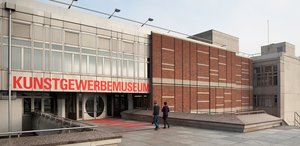
Kunstgewerbemuseum, BerlinKunstgewerbemuseum Berlin 2 Dress with Knitted Coat, Draft of Dress with Knitted Coat
Art Gallery of Hamilton, HamiltonArt Gallery of Hamilton Hamilton 1 The Expiation
Nationalmuseum, StockholmNationalmuseum Stockholm 1 The Tramp
la Cour D'or, Metzla Cour D'or Metz 1 Self portrait
Musée des Beaux-Arts de Nancy, NancyMusée des Beaux-Arts de Nancy Nancy 1 Portrait of my mother peeling a turnip, in front of a window

Émile Friant kroz desetljeća: jedan jedinstveni original za svako

Djela po desetljećima

Odaberite desetljeće kako biste vidjeli original koji ga definira.

Slike umjetnika Émile Friant: pitanja za galeriju

Koje je najpoznatije djelo umjetnika Émile Friant?Otkrijte odgovor

The Rowers of the Meurthe (1888), musée de l'École de Nancy, Nancy. Nakon njih slijede Woman with a lion (1919) i Portrait de sa mère épluchant un navet, devant une fenêtre (1887).

U kojoj je dobi Émile Friant stvorio/la The Rowers of the Meurthe?Otkrijte odgovor

25 godina: The Rowers of the Meurthe datira iz 1888, a Émile Friant je rođen/a 1863.

Koja su deset najpoznatijih slika umjetnika Émile Friant?Otkrijte odgovor

The Rowers of the Meurthe, Woman with a lion, Portrait de sa mère épluchant un navet, devant une fenêtre, A Student (also known as Self-portrait), The Expiation, The Tramp, Self portrait, Portrait of my mother peeling a turnip, in front of a window, Polynices Cursed by Oedipus i The Study. Gornji rang prikazuje godinu i muzej za svako od njih.

Koliko je poznatih djela umjetnika Émile Friant?Otkrijte odgovor

Naš katalog sadrži 60 djela umjetnika Émile Friant, datiranih od 1877 do 1928.

Gdje se mogu vidjeti najpoznatiji originali umjetnika Émile Friant?Otkrijte odgovor

Većinom u Muzej lijpih umjetnosti u Nancyju (Nancy), musée de l'École de Nancy (Nancy) i Musée d'Orsay (Pariz). Gornja tablica muzeja navodi sve njih.

U kojem je razdoblju Émile Friant stvorio/la svoje najpoznatije slike?Otkrijte odgovor

U 1880s: 27 od 60 djela na ovoj stranici nastalo je tada, od čega je The Rowers of the Meurthe The Rowers of the Meurthe.

Koje je najranije, a koje najkasnije poznato djelo Émile Friant?Otkrijte odgovor

Na ovoj stranici najstarije djelo je iz Tube of Gouache (1877), a najnovije iz Portrait of Jean Scherbeck (1928).

Koje je motive Émile Friant preferirao?Otkrijte odgovor

Man (12), Woman (10) i Portrait (8), kroz svih 60 djela na ovoj stranici.

S kojim je materijalima Émile Friant najčešće slikao?Otkrijte odgovor

Oil On Canvas, za 21 od 60 djela na ovoj stranici.

Kojem umjetničkom pravcu pripada rad Émile Friant?Otkrijte odgovor

Realism i Contemporary realism, sudeći po originalima na ovoj stranici.

Koje originale umjetnika Émile Friant mogu vidjeti u muzeju Muzej lijpih umjetnosti u Nancyju?Otkrijte odgovor

Portrait de sa mère épluchant un navet, devant une fenêtre, A Student (also known as Self-portrait) i Presentation of the Odalisques to the Sultan: Muzej lijpih umjetnosti u Nancyju, Nancy posjeduje 15 djela s ove stranice.

Émile Friant: portret umjetnika

Život ukorijenjen u realizmu: Svijet Émilea Frianta

Émile Friant, rođen u maloj općini Dieuze 1863. godine, pojavio se kao ključna figura koja je premostila jaz između realizma devetnaestog stoljeća i rađajućih umjetničkih pokreta ranog dvadesetog stoljeća. Njegova životna priča duboko je povezana s političkim i društvenim previranjima njegovog vremena. Franco-pruski rat bacio je dugi sjenu na njegovo djetinjstvo; bijeg obitelji u Nancy nakon aneksije Dieuzea od strane Pruske usadio mu je osjećaj raseljenosti koji je možda potaknuo njegovu predanost hvatanju suštine francuskog života i identiteta unutar njegove umjetnosti. Iako je prvotno bio usmjeren na znanstveni put, Friantov urođeni umjetnički talent brzo se afirmirao, njegovan prvo privatnim tutorima, a zatim pod vodstvom Louisa-Théodora Devillyja u Nancyju. Devillyjev naglasak na izravnom promatranju i pedantnoj detaljnosti položio je temelj Friantovu prepoznatljivom stilu – realizmu prožet emocionalnom dubinom i psihološkim uvidom. Čak i mladenački autoportret, “Le Petit Friant”, već u petnaestoj godini života privukao je pažnju i osigurao mu dopuštenje za formalno studiranje u Parizu, označavajući početak njegovog uspona unutar umjetničkog svijeta.

Parisko obrazovanje i rani uspjesi na Salonu

Pariska umjetnička scena pokazala se poticajnom i razočaravajućom za mladog Frianta. Studiranje pod Alexandrom Cabanelom, proslavljenim akademskim slikarom, izložilo ga je utvrđenim tehnikama, ali ga je na kraju ostavilo osjećajem ograničenosti u krutom ateljejskom sustavu. Iako je marljivo vježbao uljane skice povijesnih radova, Friant je žudio za osobnijim i autentičnijim pristupom. Ta ga je želja vratila u Nancy, gdje je nastavio usavršavati svoje vještine dok je redovito izlagao na pariškim i lokalnim salonima. Njegovi rani doprinosi Salonu, uključujući “Bludnog sina” i “Atelijerska unutrašnjost”, pokazali su rastući talent za narativno slikarstvo i sposobnost hvatanja nijansi ljudskih emocija. Drugo mjesto na prestižnom natjecanju Prix de Rome dodatno je učvrstilo njegov ugled, nakon čega su uslijedila treća pa druga počasna mjesta na naknadnim prezentacijama Salona. Ključno je što je Friant sklopio trajna prijateljstva s glumcima Ernestom i Benoitom Coquelinom, što ga je dovelo do niza uvjerljivih portretnih narudžbi koje su postale obilježje njegova opusa. Dodatak iz 1886. Salona omogućio mu je putovanje u Nizozemsku, gdje se susreo s djelima nizozemskih majstora – iskustvo koje je duboko utjecalo na njegovu upotrebu svjetla i sjene te pažnju na svakodnevni život.

Zreli radovi: Portreti, žanrovske scene i utjecaji Sjeverne Afrike

Friantov zreli rad karakteriziraju evocativni portreti i žanrovske scene koje prikazuju živote običnih ljudi u Nancyju i šire. Posjedovao je izvanrednu sposobnost hvatanja ne samo fizičke sličnosti, već i unutarnje prirode i psihološkog stanja svojih subjekata. Ovaj talent dosegao je vrhunac s “Toussaintom” (Dan svih svetih), potresnim prikazom obitelji koja tuguje na groblju, koji mu je donio zlatnu medalju na Univerzalnoj izložbi 1889. godine – svjedočanstvo njegovog rastućeg priznanja. Osim portretiranja, Friant je pronašao inspiraciju u Sjevernoj Africi, poduzimajući više putovanja u Alžir i Tunis. Ta su ga putovanja obogatila krajolike živopisnom paletom boja i osjećajem egzotike, dok su pružala uvjerljive subjekte za portrete koji su odražavali kulturnu raznolikost regije. Godine 1923. imenovan je profesorom slikarstva na École des Beaux-Arts u Parizu, položaj koji je priznao njegov utvrđeni ugled i utjecaj unutar umjetničkog svijeta. Njegovi su doprinosi dodatno priznati promaknućem u zapovjednika Legije časti i članstvom u Institutu Francuske – najvišim počastima dodijeljenim umjetnicima u Francuskoj.

Nasljeđe realizma i fotografske preciznosti

Umjetnička ostavština Émilea Frianta čvrsto leži na njegovoj predanosti realizmu, stilu koji je prihvatio istovremeno nadilazeći njegove granice. Iako su ga u početku oblikovali Devillyjev naglasak na izravnom promatranju i Cabanelove akademske tehnike, Friant je razvio prepoznatljiv glas koji se kretao izvan strogog pridržavanja bilo kojeg od ova dva pristupa. Nije bio samo zainteresiran za replikaciju stvarnosti; već je nastojao ugraditi emocionalnu rezonanciju i psihološku dubinu u svoja djela. Njegova inovativna upotreba fotografije kao pripremnog alata – praksa koja je postajala sve češća među umjetnicima tog vremena – pokazuje angažman s novim tehnologijama i želju za točnošću u reprezentaciji. Predstavlja ključnu vezu između naturalizma devetnaestog stoljeća i umjetničkih inovacija ranog dvadesetog stoljeća, doprinoseći evoluciji francuskog slikarstva ostajući vjeran svojim temeljnim načelima. Neki ga smatraju jednim od posljednjih velikih naturalista, očuvavši tradiciju pedantnog promatranja i emocionalne iskrenosti u eri brzih promjena. Njegova tragična smrt 1932. godine – padom s visine u Parizu – iznenada je prekinula izvanrednu karijeru, ali njegova djela nastavljaju očaravati publiku svojom ljepotom, osjetljivošću i trajne relevantnosti. Friantov rad služi kao snažan podsjetnik na važnost hvatanja ljudskog iskustva s preciznošću i suosjećanjem.