- मुख्य पृष्ठ

- संग्रहालयों की सूची
- Minorite Church

विषय सूची
मुख्य जानकारी
- Alternate names:
- Minorite Church
- Saint Anthony of Padua Church
- Minorite Church of Eger
- Saint Anthonys Church
- Eger Minorite Church
- Location: Eger, Hungary
- Featured artists: johann lucas kracker
- Works on APS: 1
कला प्रश्नोत्तरी
प्रत्येक प्रश्न का केवल एक ही सही उत्तर है।
प्रश्न 1:
What architectural style is the Minorite Church of Eger primarily characterized by?
प्रश्न 2:
Who were the renowned artists credited with designing the Minorite Church?
प्रश्न 3:
What is a prominent feature of the church's interior decoration?
प्रश्न 4:
In what historical period was the current structure of the Minorite Church built?
प्रश्न 5:
The church's layout and decorative elements reflect artistic trends prevalent in which region?
प्रदर्शित कलाकार

johann lucas kracker
Discover Johann Lucas Kracker (1719-1779), a Vienna-born Austrian painter known for his religious scenes & portraits, particularly Saint Andrew & John of Nepomuk. Explore his Baroque style!

संबंधित लेख

दीवारों में बसती भावनाएं: आंतरिक भित्तिचित्रों की भावनात्मक शक्ति और कलात्मक विरासत (Diwaron Mein Basati Bhavnayein: Aantrik Bhittichitron Ki Bhaavanaatmak Shakti Aur Kalatmak Viraasat)
आंतरिक भित्तिचित्रों की भावनात्मक शक्ति और कलात्मक विरासत पर विशेषज्ञ मार्गदर्शन। भारतीय संस्कृति, डिज़ाइन सिद्धांतों और संरक्षण तकनीकों के बारे में जानें। अपने घर को जीवंत बनाएं!
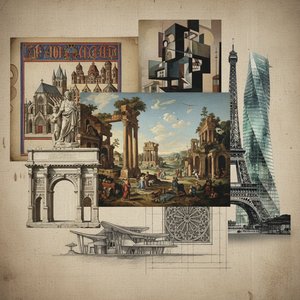
The Enduring Legacy of Architecture in Art: A Historical Survey of Representation & Meaning
Explore the rich history of architecture in art, from Renaissance theory to 19th-century reconstructions. Discover key artists & movements shaping visual representation – a guide for discerning collectors.
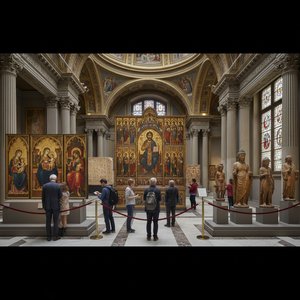
Sacred Narratives Embodied: A Comprehensive Exploration of Religious Iconography in Art History
Explore the rich history of religious iconography in art! Discover symbolism, movements & masterpieces from Byzantine to Renaissance periods. Expert insights for collectors and enthusiasts at OriginalUniqueArt.


हमारे न्यूज़लेटर की सदस्यता लें
नवीनतम कला समाचार, विशेष ऑफ़र और सजावट के विचारों से अपडेट रहें।
3 मुफ्त कला सुझाव प्राप्त करें
हमें अपने प्रोजेक्ट के बारे में बताएं और हमारे कला विशेषज्ञ आपको 3 व्यक्तिगत कला सुझाव प्रदान करेंगे।
Not Sure Where to Start?
Let Us Curate 3 Options Just for You - Free!