William Ratcliffe का चित्र

29 सबसे प्रसिद्ध William Ratcliffe पेंटिंग्स, जिनमें से प्रत्येक अद्वितीय है

नवमबर 2026 में अपडेट किया गया · हमारे लोकप्रियता स्कोर (प्रत्येक कृति के लिए खोज, विज़िट और ऑर्डर) के आधार पर रैंक किया गया · 29 कृतियाँ William Ratcliffe की हमारे कैटलॉग में

संक्षेप में

Winter Scene, Sweden (1913) वह William Ratcliffe की पेंटिंग है जो सबसे अधिक ध्यान आकर्षित करती है। इसके बाद, दृष्टि Manor Farm, Norton (1912) और Attic Room (1918) पर जाती है। हमारे कैटलॉग में William Ratcliffe की 29 कृतियों में से, ये 29 सबसे प्रसिद्ध हैं, जिनमें से प्रत्येक को उसके वर्ष, उसके संग्रहालय और उसके चिरस्थायी होने के कारण के साथ एक अद्वितीय मूल कृति के रूप में प्रस्तुत किया गया है।

1870 – 1955, King's Lynn सर्वाधिक कृतियाँ: Government Art Collection

गैलरी की दृष्टि से William Ratcliffe की शीर्ष 10 पेंटिंग्स

1
Winter Scene, Sweden (1913) द्वारा William Ratcliffe

Winter Scene, Sweden

1913 · Oil On Canvas

The air feels heavy with a biting, silent chill as the eye moves across this Swedish landscape. A small farmhouse sits nestled within a vast, snow-covered field, appearing almost swallowed by the pale expanse. Bare trees rise from the drifts, their skeletal branches reaching upward like intricate, dark lace against a muted sky. There is a profound stillness here, the kind that only arrives when a heavy blanket of snow…

2
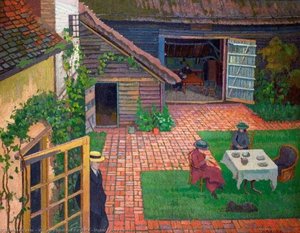
Manor Farm, Norton (1912) द्वारा William Ratcliffe

Manor Farm, Norton

1912 · Oil On Canvas

Manor Farm, Norton is a painting by William Ratcliffe, executed in 1912. The work captures a quiet moment within a rural setting, focusing on the architectural lines of a building and the figures seated within its courtyard. It remains a significant piece from the period when the artist's style embraced the intense coloring and tight design characteristic of the Camden Town Group.

3
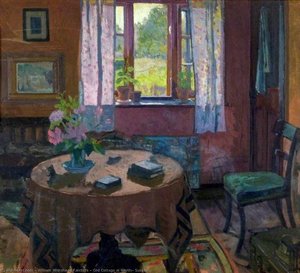
Attic Room (1918) द्वारा William Ratcliffe

Attic Room

1918 · Oil · Tate Liverpool, लिवरपूल

In the quiet corners of art history, certain works possess the unique ability to transform a mere space into a profound emotional experience. William Whitehead Ratcliffe’s Attic Room, painted in 1918, is one such masterpiece. This intimate portrayal of a domestic interior invites the viewer to step away from the clamor of the modern world and enter a realm of contemplative solitude. The painting captures a bedroom setting tucked within…

William Ratcliffe की प्रसिद्ध पेंटिंग्स, संख्या 11 से 29 तक

वे विषय जिन्होंने William Ratcliffe का मन मोह लिया

इन मूल कृतियों में बार-बार आने वाले चार विषय, जिनमें से प्रत्येक का सबसे उत्कृष्ट उदाहरण यहाँ प्रस्तुत है।

वे संग्रहालय जहाँ William Ratcliffe की मूल कृतियाँ रखी गई हैं

वे 4 संग्रहालय जिनमें इस पृष्ठ की सर्वाधिक पेंटिंग्स मौजूद हैं।

संग्रहालय शहर William Ratcliffe की कृतियाँ इस सूची की पेंटिंग्स
Government Art Collection, लंदनGovernment Art Collection लंदन 2 Beehives in the Snow, Sweden, Summer Landscape
Tate Liverpool, लिवरपूलTate Liverpool लिवरपूल 1 Attic Room
वॉकर आर्ट गैलरी, लिवरपूलवॉकर आर्ट गैलरी लिवरपूल 1 In the Sun
High Museum of Art, अटलांटाHigh Museum of Art अटलांटा 1 Sideboard

दशकों तक William Ratcliffe: प्रत्येक के लिए एक अद्वितीय मूल कृति

दशकवार कृतियाँ

उस दशक को चुनें जो उसकी पहचान है और उसकी मूल कृतियाँ देखें।

William Ratcliffe की पेंटिंग्स: गैलरी के लिए प्रश्न

William Ratcliffe की सबसे प्रसिद्ध कृति कौन सी है?उत्तर देखें

Winter Scene, Sweden (1913)। इसके बाद Manor Farm, Norton (1912) और Attic Room (1918) आते हैं।

William Ratcliffe ने Winter Scene, Sweden किस उम्र में बनाया था?उत्तर देखें

43 वर्ष की आयु: Winter Scene, Sweden 1913 का है, और William Ratcliffe का जन्म 1870 में हुआ था।

William Ratcliffe की कौन सी दस पेंटिंग्स सबसे प्रसिद्ध हैं?उत्तर देखें

Winter Scene, Sweden, Manor Farm, Norton, Attic Room, Dieppe, France, Swedish Farm, Clarence Gardens, Still Life by the Fire, Hampstead Garden Suburb from Willifield Way, In the Sun और Beehives in the Snow, Sweden। ऊपर दी गई रैंकिंग में प्रत्येक का वर्ष और संग्रहालय दिया गया है।

William Ratcliffe की कितनी कृतियाँ ज्ञात हैं?उत्तर देखें

हमारे कैटलॉग में William Ratcliffe की 29 कृतियाँ हैं, जो 1912 से 1932 तक की हैं।

सबसे प्रसिद्ध William Ratcliffe मूल कृतियाँ कहाँ देखी जा सकती हैं?उत्तर देखें

अधिकतर Government Art Collection (लंदन), Tate Liverpool (लिवरपूल) और वॉकर आर्ट गैलरी (लिवरपूल) में। ऊपर दी गई संग्रहालय तालिका में उन सभी की सूची दी गई है।

William Ratcliffe ने अपनी सबसे प्रसिद्ध पेंटिंग किस काल के दौरान बनाई थीं?उत्तर देखें

1910s में: इस पृष्ठ पर मौजूद 29 कृतियों में से 13 उस समय बनाई गई थीं, जिनमें से Winter Scene, Sweden इनमें से हैं।

William Ratcliffe की कौन सी प्रसिद्ध पेंटिंग सबसे पुरानी है, और कौन सी सबसे नवीनतम?उत्तर देखें

इस पृष्ठ पर, सबसे पुरानी कृति Manor Farm, Norton (1912) है और नवीनतम The Artist's Room, Letchworth (1932) है।

William Ratcliffe किन विषयों को पसंद करते थे?उत्तर देखें

इस पृष्ठ पर 29 कृतियों में Rural landscape (2), Domestic scene (2) और British art (2)

William Ratcliffe ने सबसे अधिक किन सामग्रियों से पेंटिंग की?उत्तर देखें

इस पृष्ठ पर मौजूद 29 कृतियों में से 2 के लिए Oil On Canvas।

मैं Government Art Collection में William Ratcliffe की कौन सी मूल कृतियाँ देख सकता हूँ?उत्तर देखें

Beehives in the Snow, Sweden और Summer Landscape: Government Art Collection, लंदन में इस पृष्ठ पर मौजूद कृतियों में से 2 मौजूद हैं।

William Ratcliffe: कलाकार का एक चित्र

A Life Defined by Quiet Devotion

In the vibrant, often turbulent tapestry of early twentieth-century British art, certain names resonate with thunderous fame, while others whisper with a more profound, enduring grace. William Whitehead Ratcliffe belongs to that latter, more intimate category. A pioneer of the Camden Town Group, Ratcliffe was an artist whose life was characterized by a steadfast commitment to his craft, far removed from the pursuit of fleeting celebrity. Born on October 6th, 1870, in the tranquil village of Clenchwarton near Kings Lynn, Norfolk, his journey began in the modest surroundings of a draper’s assistant's family. Though his early years took him to the industrial landscape of Gorton, Manchester, the seeds of his artistic soul were sown through a disciplined pursuit of beauty and design.

Ratcliffe’s path was never one of sudden inspiration, but rather a gradual, deliberate unfolding of talent. While working as a clerk for a cotton merchant, he sought out evening classes at the Manchester School of Art. It was here that he encountered the influential Walter Crane, a master of the decorative arts who instilled in Ratcliffe a lifelong appreciation for the harmony between pattern and landscape. This early training in wallpaper design, gained while working for the Wallpaper Manufacturers’ Combine, would later manifest in his paintings as a unique sensitivity to texture, rhythm, and the quiet elegance of domestic objects.

The Crucible of Creativity: London and Letchworth

The turn of the century brought Ratcliffe to London, a move that would irrevocably alter the trajectory of his life. Drawn to the utopian ideals of the Garden City Movement, he settled in Letchworth Garden City in 1906. This experimental community became more than just a residence; it became a sanctuary for artistic experimentation and fellowship. It was within this setting that Ratcliffe formed a vital artistic circle alongside Harold Gilman and Richard Barry Parker. Under the mentorship and spirited encouragement of Gilman, Ratcliffe underwent a profound metamorphosis, turning his back on the commercial world of illustration to embrace the rigorous and rewarding pursuit of fine art.

Seeking to deepen his technical mastery, Ratcliffe enrolled at the Slade School of Fine Art in London. Studying under figures such as Frank Dobson, he refined his understanding of form and composition, blending the decorative sensibilities of his youth with a burgeoning interest in the immediacy of modern life. This period of formal education provided the structural foundation upon which he would build his most evocative works, allowing him to bridge the gap between the structured world of design and the fluid, emotive realm of painting.

A Legacy of Stillness and Light

The work of William Whitehead Ratcliffe is often characterized by a remarkable ability to find the extraordinary within the ordinary. As a member of the Camden Town Group, he shared their dedication to capturing the vibrancy of everyday existence, yet his approach often leaned toward a more contemplative, almost spiritual, stillness. His landscapes and interiors are not merely depictions of places, but explorations of atmosphere and emotion.

Consider the following hallmarks of his enduring artistic contribution:

  • The Poetics of the Interior: In masterpieces such as Attic Room (1918), Ratcliffe transforms a simple domestic setting into a realm of profound solitude. Through the masterful use of soft, natural light filtering through eaves, he breathes life into humble objects—a bed, a chair, a solitary vase—creating a narrative of quiet companionship and peace.
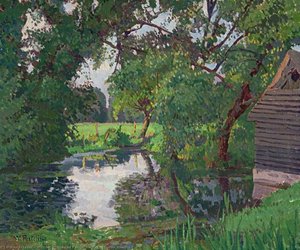
  • Landscape as Emotion: His depictions of the English countryside, such as Reflections, Ickleford, utilize Impressionistic brushwork to capture the tranquil beauty of rural life, emphasizing the tactile quality of the landscape.
  • Architectural Essence: In works like Totnes, Devon (1931), he demonstrates a keen eye for the structural character of towns, capturing the idyllic harmony between architecture and the natural world.

Though he may not have shared the widespread fame of his contemporary Harold Gilman, Ratcliffe’s significance lies in his unwavering authenticity. He remained a full-time artist throughout his life, supported by the very community and family ties that nurtured his early growth. When he passed away in January 1955, he left behind a body of work that serves as a poignant reminder of the beauty found in the quiet corners of the world—a testament to an artist who found greatness not in the spotlight, but in the gentle rhythm of a life lived through art.