William Larkin का चित्र

27 सबसे प्रसिद्ध William Larkin पेंटिंग्स, एक गैलरी चयन

नवमबर 2026 में अपडेट किया गया · हमारे लोकप्रियता स्कोर (प्रत्येक कृति के लिए खोज, विज़िट और ऑर्डर) के आधार पर रैंक किया गया · 28 कृतियाँ William Larkin की हमारे कैटलॉग में

संक्षेप में

William Larkin द्वारा छोड़ी गई सभी मूल कृतियों में से, सबसे प्रसिद्ध Lucy Harington, Countess of Bedford (1610) है, जो स्टॉकहोम के Nationalmuseum के संग्रह में है। इसके ठीक बाद Portrait of Gray Brydges, fifth Baron Chandors, of Sudeley Castle, Gloucestershire (1579–1621) (1615) और William Pope, 1st Earl of Downe (1615) का स्थान आता है। हमारे कैटलॉग में William Larkin की 28 कृतियाँ हैं; गैलरी ने उन 27 कृतियों को सहेज कर रखा है जिन्हें दुनिया सबसे अधिक पसंद करती है, जिनमें से प्रत्येक को उनकी तिथि, उनके संग्रहालय और उनकी कहानी के साथ प्रदर्शित किया गया है।

1580 – 1619, London Jacobean सर्वाधिक कृतियाँ: English Heritage

William Larkin की शीर्ष 10 पेंटिंग: गैलरी का चयन

1
Lucy Harington, Countess of Bedford (1610) द्वारा William Larkin

Lucy Harington, Countess of Bedford

1610 · Oil On Canvas · Nationalmuseum, स्टॉकहोम

A vertical, full-length portrait from 1610, this oil on canvas presents Lucy Harington, Countess of Bedford, in a formal Jacobean stance. She is positioned centrally, her body turned slightly to the right, framed by heavy purple drapery and the sweeping curves of silk curtains. The composition relies on a large, conical silhouette formed by her voluminous skirt, which anchors the figure against a receding plane of a carpeted floor. Lighting…

2
Portrait of Gray Brydges, fifth Baron Chandors, of Sudeley Castle, Gloucestershire (1579–1621) (1615) द्वारा William Larkin

Portrait of Gray Brydges, fifth Baron Chandors, of Sudeley Castle, Gloucestershire (1579–1621)

1615 · Oil On Panel · Yale Center for British Art, न्यू हेवन

Gray Brydges, the fifth Baron Chandors, meets the viewer through a steady, calm gaze that seems to bridge the gap between the seventeenth century and the present moment. He sits within an oval frame, his presence defined by a high contrast that draws the eye immediately to the pale skin of his face and the intricate white lace of his collar. The lighting, appearing to descend from the upper left,…

William Larkin का चयन जारी है, 11 से 27 तक

वे विषय जिन्होंने William Larkin का मन मोह लिया

इन मूल कृतियों में बार-बार आने वाले चार विषय, जिनमें से प्रत्येक का सबसे उत्कृष्ट उदाहरण यहाँ प्रस्तुत है।

वे संग्रहालय जहाँ William Larkin की मूल कृतियाँ रखी गई हैं

वे 8 संग्रहालय जिनमें इस पृष्ठ की सर्वाधिक पेंटिंग्स मौजूद हैं।

संग्रहालय शहर William Larkin की कृतियाँ इस सूची की पेंटिंग्स
English Heritage, लंदनEnglish Heritage लंदन 8 Lady Isabel Rich, née Cope, Lady Diana Cecil, Lady Anne Cecil
Yale Center for British Art, न्यू हेवनYale Center for British Art न्यू हेवन 3 Portrait of Gray Brydges, fifth Baron Chandors, of Sudeley Castle, Gloucestershire (1579–1621), William Pope, 1st Earl of Downe, Jane Thornaugh (née Jackson), Lady Thornaugh
Knole House, सेवनओक्सKnole House सेवनओक्स 3 Richard Sackville, 3rd Earl of Dorset (1589-1624), Lady Margaret Sackville, later Countess of Thanet (1614-1676), aged 4, Mary Curzon, Countess of Dorset
National Trust, वारविकNational Trust वारविक 2 Edward Herbert (1582–1648), 1st Baron Herbert of Cherbury, Sir Thomas Lucy III (1585–1640), MP
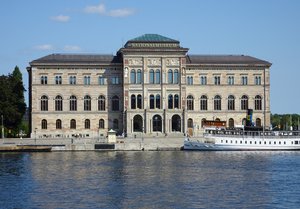
Nationalmuseum, स्टॉकहोमNationalmuseum स्टॉकहोम 1 Lucy Harington, Countess of Bedford
Kenwood House, लंदनKenwood House लंदन 1 Portrait of Edward Sackville
नेशनल पोर्ट्रेट गैलरी, लंदननेशनल पोर्ट्रेट गैलरी लंदन 1 Anne, Countess of Pembroke (Lady Anne Clifford)
North Carolina Museum of Art, रालेघNorth Carolina Museum of Art रालेघ 1 Portrait of Lady Katherine Smythe Scott (circa 1564–1616)

William Larkin वर्ष दर वर्ष: वे मूल कृतियाँ जो प्रत्येक वर्ष को परिभाषित करती हैं

महज़ एक दशक, 1610 से 1618 तक, इस चयन में प्रत्येक दिनांकित William Larkin मूल कृति दुनिया को मिली: यहाँ यह, वर्ष दर वर्ष प्रस्तुत है।

वर्षानुसार कृतियाँ

मूल कृतियों को देखने के लिए एक वर्ष चुनें।

William Larkin की पेंटिंग्स के बारे में संग्रहकर्ताओं के प्रश्न

William Larkin किस कृति के लिए सबसे अधिक प्रसिद्ध हैं?उत्तर देखें

Lucy Harington, Countess of Bedford (1610), Nationalmuseum, स्टॉकहोम. इसके बाद Portrait of Gray Brydges, fifth Baron Chandors, of Sudeley Castle, Gloucestershire (1579–1621) (1615) और William Pope, 1st Earl of Downe (1615) आते हैं।

Lucy Harington, Countess of Bedford के निर्माण के समय William Larkin की आयु क्या थी?उत्तर देखें

30 वर्ष की आयु: Lucy Harington, Countess of Bedford 1610 का है, और William Larkin का जन्म 1580 में हुआ था।

William Larkin की दस सबसे प्रसिद्ध पेंटिंग्स कौन सी हैं?उत्तर देखें

Lucy Harington, Countess of Bedford, Portrait of Gray Brydges, fifth Baron Chandors, of Sudeley Castle, Gloucestershire (1579–1621), William Pope, 1st Earl of Downe, Lady Isabel Rich, née Cope, Portrait of Edward Sackville, Richard Sackville, 3rd Earl of Dorset (1589-1624), Lady Margaret Sackville, later Countess of Thanet (1614-1676), aged 4, Jane Thornaugh (née Jackson), Lady Thornaugh, Anne, Countess of Pembroke (Lady Anne Clifford) और A Gentleman। ऊपर दी गई रैंकिंग में प्रत्येक का वर्ष और संग्रहालय दिया गया है।

William Larkin ने कितनी पेंटिंगें छोड़ीं?उत्तर देखें

हमारे कैटलॉग में William Larkin की 28 कृतियाँ हैं, जो 1610 से 1618 तक की हैं।

William Larkin की उत्कृष्ट कृतियाँ किन संग्रहालयों में प्रदर्शित हैं?उत्तर देखें

अधिकतर English Heritage (लंदन), Yale Center for British Art (न्यू हेवन) और Knole House (सेवनओक्स) में। ऊपर दी गई संग्रहालय तालिका में उन सभी की सूची दी गई है।

William Larkin ने अपने सबसे प्रसिद्ध कार्यों की रचना किन वर्षों में की थी?उत्तर देखें

1618 में: इस पृष्ठ पर मौजूद 27 कृतियों में से 9 उस समय बनाई गई थीं, जिनमें से Lady Isabel Rich, née Cope इनमें से हैं।

William Larkin की पहली और आखिरी प्रसिद्ध मूल कृतियाँ कौन सी हैं?उत्तर देखें

इस पृष्ठ पर, सबसे पुरानी कृति Lucy Harington, Countess of Bedford (1610) है और नवीनतम Lady Isabel Rich, née Cope (1618) है।

William Larkin ने सबसे अधिक बार किन विषयों को चुना?उत्तर देखें

इस पृष्ठ पर 27 कृतियों में Man (2) और Lace collar (2)

William Larkin ने किस तकनीक का सबसे अधिक उपयोग किया?उत्तर देखें

इस पृष्ठ पर मौजूद 27 कृतियों में से 2 के लिए Oil On Panel।

William Larkin किस कला आंदोलन (art movement) से संबंधित हैं?उत्तर देखें

इस पृष्ठ पर मूल कृतियों को देखते हुए, Jacobean।

English Heritage में William Larkin की कौन सी कृतियाँ प्रदर्शित हैं?उत्तर देखें

Lady Isabel Rich, née Cope, Lady Diana Cecil और Lady Anne Cecil: English Heritage, लंदन में इस पृष्ठ पर मौजूद कृतियों में से 8 मौजूद हैं।

William Larkin: जीवन और कार्य

William Larkin: The Weaver of Courtly Splendor

William Larkin, a name largely obscured for centuries, emerges from the shadows of 17th-century England as a remarkably gifted and influential portrait painter. Born around 1580 in London – though precise details of his early life remain elusive – Larkin’s career coincided with a pivotal moment in English art: the waning years of a tradition defined by intricate detail, opulent fabrics, and a profound understanding of courtly fashion. He wasn't a royal painter, nor did he command the fame of contemporaries like Hilliard or Van Dyck, yet his work possesses a unique allure, offering intimate glimpses into the lives and tastes of England’s elite during the reign of James I. Larkin’s legacy lies not in grand historical narratives but in the exquisite rendering of textures, colors, and the subtle gestures that defined the era's aristocratic sensibility.

A Life Shrouded in Mystery

The biographical record for William Larkin is frustratingly sparse. He appears to have been born into a modest family – his father was an innkeeper – and entered the world of painting through apprenticeship, likely under Robert Peake, a prominent court painter known for his lavish depictions of royal attire. Larkin’s early career seems to have been marked by relative obscurity; he became a freeman of the Worshipful Company of Painter-Stainers in 1606, a significant achievement indicating recognition within the artistic community. Marriage records suggest he wed before 1612, and he fathered several children – a son born stillborn in 1612, William in 1613, and Mary in 1614/15 – all buried at St Anne Blackfriars. His death occurred sometime between April 1619 (the date of his will) and May 1619, with the parish records tragically destroyed by the Great Fire of London, making a precise date impossible to determine. Despite this lack of concrete biographical information, Larkin’s work speaks volumes about his skill and artistic vision.

The Signature Style: Carpets, Curtains, and Courtly Excess

Larkin's distinctive style is immediately recognizable through its meticulous attention to detail and the incorporation of luxurious elements that were hallmarks of Jacobean court fashion. His portraits are not simply representations of individuals; they are elaborate stage sets, meticulously constructed to showcase the wealth and status of his sitters. He became renowned for depicting oriental carpets – a relatively new import into England at the time – with an unprecedented level of realism, capturing their intricate patterns and vibrant colors. Equally prominent were his depictions of draped curtains, often in rich fabrics like velvet and silk, adorned with tassels and fringes that cascaded across the canvas. These elements weren’t merely decorative; they served as visual shorthand for the sitter's position within the social hierarchy, emphasizing their access to luxury and privilege. The portraits frequently feature mirrored poses, a technique borrowed from court miniatures, suggesting an intimacy between the subjects – often male friends or family members – and reinforcing the importance of personal relationships within the aristocratic world.

Rediscovery and the Suffolk Collection

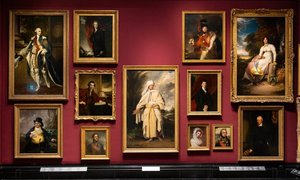
For centuries, Larkin’s work remained largely forgotten, attributed to other artists due to a lack of documentation and stylistic similarities. It wasn't until 1952 that art historian James Lees-Milne brought Larkin back into focus, identifying him as the painter behind two portraits at Charlecote Park, Warwickshire – those of Lord Herbert of Cherbury and Sir Thomas Lucy III. Lees-Milne’s identification was based on references within Lord Herbert's autobiography, where he recalled a portrait commissioned by Richard Sackville, 3rd Earl of Dorset, and the striking resemblance between Larkin’s paintings and the described likeness. Subsequent research confirmed this attribution, leading to the recognition of a larger body of work – including the celebrated “Suffolk Collection” at Kenwood House in London. These portraits, characterized by their opulent fabrics, intricate details, and mirrored compositions, cemented Larkin's reputation as a master of courtly portraiture.
A Legacy of Detail and a Lost Era

William Larkin’s contribution to English art lies not in grand historical narratives but in his ability to capture the essence of a specific moment in time – the lavish and intricate world of the Jacobean court. His meticulous attention to detail, particularly his rendering of textiles and luxurious furnishings, offers a rare glimpse into the tastes and values of England’s elite. While some scholars have suggested that Larkin employed assistants to execute certain elements of his paintings (particularly the repetitive patterns of carpets and curtains), his overall artistic vision – his understanding of light, color, and composition – remains undeniably his own. Larkin's work represents a fascinating intersection between art and social history, providing valuable insights into the material culture and social dynamics of 17th-century England. His relatively short career—spanning just a few years—marked the end of an era in English portraiture, a tradition characterized by its focus on idealized beauty and restrained elegance, superseded by the more dynamic and expressive styles that would emerge in subsequent decades.