


1


नवमबर 2026 में अपडेट किया गया · हमारे लोकप्रियता स्कोर (प्रत्येक कृति के लिए खोज, विज़िट और ऑर्डर) के आधार पर रैंक किया गया · 23 कृतियाँ William Hart की हमारे कैटलॉग में
संक्षेप में
William Hart द्वारा बनाई गई सभी मूल कृतियों में से, सबसे प्रसिद्ध Hudson River Landscape (1854) है। इसके ठीक बाद Tivoli Falls (1851) और Rocky Coast at Sunset (1860) का स्थान आता है। हमारे कैटलॉग में William Hart की 23 कृतियाँ हैं; गैलरी ने उन 22 कृतियों को सहेज कर रखा है जिन्हें दुनिया सबसे अधिक पसंद करती है, जिनमें से प्रत्येक को उनकी तिथि, उनके संग्रहालय और उनकी कहानी के साथ प्रदर्शित किया गया है।


 Cows in the Meadow1878
12
 Hudson River Landscape1879
13
 Scene at Napanoch1883 · मेट्रोपॉलिटन म्यूज़ियम ऑफ़ आर्ट
14
 Cattle and Landscape1880 · Centennial One Object Exhibit
15
 Grand manan
16
 New London, Connecticut
17
 Fields in Summer
18
 Near Tappan Zee, New York
19
 View of New Hampshire
20
 Sunset over the Lake
21
 Summer stream
22
 Woodland scene
इन मूल कृतियों में बार-बार आने वाले चार विषय, जिनमें से प्रत्येक का सबसे उत्कृष्ट उदाहरण यहाँ प्रस्तुत है।
वे 4 संग्रहालय जिनमें इस पृष्ठ की सर्वाधिक पेंटिंग्स मौजूद हैं।
| संग्रहालय | शहर | William Hart की कृतियाँ | इस सूची की पेंटिंग्स |
|---|---|---|---|
 Albany Institute of History - Art |
अल्बानी | 1 | Tivoli Falls |
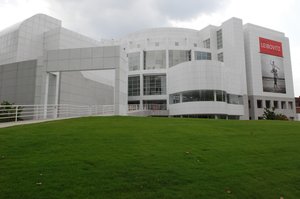 High Museum of Art |
अटलांटा | 1 | The Last Gleam |
 मेट्रोपॉलिटन म्यूज़ियम ऑफ़ आर्ट |
न्यूयॉर्क | 1 | Scene at Napanoch |
 Centennial One Object Exhibit |
Unknown | 1 | Cattle and Landscape |
इस चयन में William Hart की कालक्रम के अनुसार कृतियाँ केवल 6 वर्षों तक फैली हुई हैं, जो 1878 से 1883 तक हैं: एक संक्षिप्त करियर, जो यहाँ वर्ष-दर-वर्ष दिखाया गया है।
मूल कृतियों को देखने के लिए एक वर्ष चुनें।


This painting hangs in the dining room of Thomas Edison

William Hart's "Scene at Napanoch," painted in 1883, isn’t merely a landscape; it’s a carefully constructed tableau of rural life imbued with a profound sense of quiet observation and the subtle melancholy inherent in capturing a fleeting moment. This Hudson River School masterpiece, housed within The Metropolitan Museum of Art in New York City, offers a glimpse into a bygone era – a time when America was still grappling with…
Hudson River Landscape (1854)। इसके बाद Tivoli Falls (1851) और Rocky Coast at Sunset (1860) आते हैं।
Hudson River Landscape, Tivoli Falls, Rocky Coast at Sunset, On the Maine Coast, Study for View of the Valley of the White Mountains, New Hampashire, 1857''', Harvest Scene - Valley of the Delaware, Sunset in the Valley, The Last Gleam, The Land, Keene Valley और Deer in the Adirondacks। ऊपर दी गई रैंकिंग में प्रत्येक का वर्ष और संग्रहालय दिया गया है।
हमारे कैटलॉग में William Hart की 23 कृतियाँ हैं, जो 1878 से 1883 तक की हैं।
अधिकतर Albany Institute of History - Art (अल्बानी), High Museum of Art (अटलांटा) और मेट्रोपॉलिटन म्यूज़ियम ऑफ़ आर्ट (न्यूयॉर्क) में। ऊपर दी गई संग्रहालय तालिका में उन सभी की सूची दी गई है।
1878 में: इस पृष्ठ पर मौजूद 22 कृतियों में से 3 उस समय बनाई गई थीं, जिनमें से The Land, Keene Valley इनमें से हैं।
इस पृष्ठ पर, सबसे पुरानी कृति The Land, Keene Valley (1878) है और नवीनतम Scene at Napanoch (1883) है।
इस पृष्ठ पर 22 कृतियों में Landscape (4), Sunset (3) और Usa (3)
इस पृष्ठ पर मूल कृतियों को देखते हुए, Hudson river school।


