पीटर पाल रूबेंस का चित्र

100 सबसे प्रसिद्ध पीटर पाल रूबेंस पेंटिंग्स, जिनमें से प्रत्येक अद्वितीय है

नवमबर 2026 में अपडेट किया गया · हमारे लोकप्रियता स्कोर (प्रत्येक कृति के लिए खोज, विज़िट और ऑर्डर) के आधार पर रैंक किया गया · 1641 कृतियाँ पीटर पाल रूबेंस की हमारे कैटलॉग में

संक्षेप में

क्रूस का उत्थान (1610) वह पीटर पाल रूबेंस की पेंटिंग है जो सबसे अधिक ध्यान आकर्षित करती है; इसका मूल Onze-Lieve Vrouwekathedraal, एंटवर्प में है। इसके बाद, दृष्टि कैस्टर और पोलक्स द्वारा ल्यूकिप्पस की बेटियों का अपहरण और क्रूस से उतारना (1612) पर जाती है। हमारे कैटलॉग में पीटर पाल रूबेंस की 1,641 कृतियों में से, ये 100 सबसे प्रसिद्ध हैं, जिनमें से प्रत्येक को उसके वर्ष, उसके संग्रहालय और उसके चिरस्थायी होने के कारण के साथ एक अद्वितीय मूल कृति के रूप में प्रस्तुत किया गया है।

1577 – 1640, सिएगेन बारोक सर्वाधिक कृतियाँ: Bavarian State Painting Collections

गैलरी की दृष्टि से पीटर पाल रूबेंस की शीर्ष 10 पेंटिंग्स

1
क्रूस का उत्थान (1610) द्वारा पीटर पाल रूबेंस

क्रूस का उत्थान

1610 · पैनल पर ऑयल पेंट · Onze-Lieve Vrouwekathedraal, एंटवर्प

इस विशालकाय त्रिपिटक (triptych) में, हम स्वयं को क्रूसारोपण के उस सटीक और अत्यंत पीड़ादायक क्षण में पाते हैं। इसका केंद्रीय फलक उस शारीरिक खिंचाव और तनाव को जीवंत करता है, जब ईसा मसीह को स्वर्गदूतों द्वारा ऊपर की ओर उठाया जा रहा है। यहाँ एक गहरा बोध है—शाब्दिक और आध्यात्मिक दोनों। जहाँ दिव्य आकृतियाँ ऊपर से अपनी शक्ति का प्रदर्शन कर रही हैं, वहीं पार्थिव जगत एक अराजक और…

2
कैस्टर और पोलक्स द्वारा ल्यूकिप्पस की बेटियों का अपहरण द्वारा पीटर पाल रूबेंस

कैस्टर और पोलक्स द्वारा ल्यूकिप्पस की बेटियों का अपहरण

कैनवस पर ऑयल पेंटिंग · Bavarian State Painting Collections, म्यूनिख

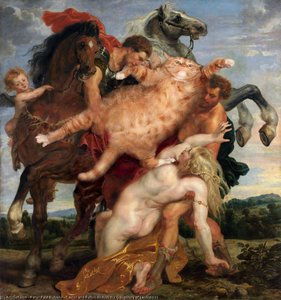
कैस्टर और पोलक्स द्वारा ल्यूकिप्पस की बेटियों का अपहरण: एक बारोक विजय कैस्टर और पोलक्स द्वारा ल्यूकिप्पस की बेटियों का अपहरण नामक यह पेंटिंग बारोक कला के एक आधार स्तंभ के रूप में खड़ी है—यह पीटर पाल रूबेंस द्वारा पौराणिक कथाओं का दृश्य वैभव में किया गया एक नाटकीय सार है। लगभग 1618 के आसपास निर्मित, स्टेट्लिच म्यूज़ियम ज़ु बर्लिन (Staatliche Museen zu Berlin) में संरक्षित यह विशाल कैनवास केवल…

3
क्रूस से उतारना (1612) द्वारा पीटर पाल रूबेंस

क्रूस से उतारना

1612 · पैनल पर ऑयल पेंट · Courtauld Gallery, लंदन

तनावपूर्ण अंगों के एक विकर्ण के माध्यम से एक भारी, पीला शरीर नीचे उतर रहा है। मसीह की त्वचा एक तीखी, नाटकीय रोशनी को पकड़ती है, जो उन्हें एक गहरे, धुंधले पृष्ठभूमि से अलग करती है। मांसपेशियां उस क्षण के गुरुत्वाकर्षण के विरुद्ध खिंचाव पैदा करती हैं। पसलियों और भुजाओं के खोखले हिस्सों में गहरी छायाएँ जमा हो जाती हैं, जो अत्यधिक शारीरिक भार का अहसास कराती हैं। एक गहरा…

4
द थ्री ग्रेसिस, प्राडो द्वारा पीटर पाल रूबेंस

द थ्री ग्रेसिस, प्राडो

कैनवस पर ऑयल पेंटिंग · Museo del Prado, मैड्रिड

सत्रहवीं शताब्दी के भव्य ताने-बाने में, बहुत कम चित्र जीवन शक्ति और अनुग्रह के सार को उतनी गहराई से पकड़ पाते हैं जितना कि सर पीटर पाल रूबेंस की द थ्री ग्रेसिस। लगभग 1635-36 के दौरान उनके शानदार करियर के चरमोत्कर्ष के दौरान निर्मित यह स्मारकीय उत्कृष्ट कृति, बैरोक युग के हृदय में एक लुभावनी खिड़की के रूप में कार्य करती है। जैसे ही कोई इस कैनवास को देखता है,…

5
शनि (1637) द्वारा पीटर पाल रूबेंस

शनि

1637 · कैनवस पर ऑयल पेंटिंग · Museo del Prado, मैड्रिड

इस रचना का केंद्र शनि का विशाल और मांसल शरीर है, जिसका विन्यास ऊपरी बाईं ओर से निचली दाईं ओर एक विकर्ण गति पैदा करता है। उन्हें अपनी ही संतान को निगलते हुए पकड़ा गया है, जो टाइटन क्रोनस के यूनानी मिथक से लिया गया एक दृश्य है। टाइटन की त्वचा के गहरे, मिट्टी जैसे रंगों के विपरीत शिशु का मांस पीला दिखाई देता है। पृष्ठभूमि में गहरे साये और…

6
पापियों का पतन (1620) द्वारा पीटर पाल रूबेंस

पापियों का पतन

1620 · कैनवस पर ऑयल पेंटिंग · अल्टे पिनाकोथेक, म्यूनिख

सर पीटर पॉल रुबेन्स द्वारा लगभग 1620 में चित्रित "द फॉल ऑफ द डैमड" (The Fall of the Damned), बारोक काल की सबसे मनमोहक और महत्वाकांक्षी उपलब्धियों में से एक है। यह केवल किसी बाइबिल कथा—लूसीफर और उसके विद्रोही स्वर्गदूतों के स्वर्ग से निष्कासन—का चित्रण मात्र नहीं है; यह दर्शक के लिए एक गहन अनुभव है, जो उन्हें ईश्वर के क्रोध की भयावह भव्यता में पहुँचा देता है।

7
सैमसन और डैलाइला (1610) द्वारा पीटर पाल रूबेंस

सैमसन और डैलाइला

1610 · कैनवस पर ऑयल पेंटिंग · नेशनल गैलरी, लंदन

एक अंधेरे कक्ष की शांत और तनावपूर्ण छाया में, पीटर पाल रूबेंस बाइबिल के इतिहास के सबसे हृदयविदारक क्षणों में से एक को जीवंत करते हैं। सैमसन और डैलाइला केवल न्यायियों की पुस्तक की एक कहानी का चित्रण नहीं है; यह भेद्यता, छल और गलत जगह किए गए विश्वास की भारी कीमत का एक मर्मस्पर्शी अन्वेषण है। जैसे ही सैमसन एक गहरी, बेखबर नींद में लेटा होता है, उसका शक्तिशाली…

8
आकाशगंगा की उत्पत्ति (1637) द्वारा पीटर पाल रूबेंस

आकाशगंगा की उत्पत्ति

1637 · कैनवस पर ऑयल पेंटिंग · Museo del Prado, मैड्रिड

इस रचना का केंद्र बिंदु एक स्त्री आकृति, हेरा है, जो एक गहरे, रात्रिकालीन आकाश के भीतर बादलों पर विराजमान है। आसपास के वातावरण के गहरे नीले और काले रंगों के विपरीत उनकी त्वचा अत्यंत उज्ज्वल दिखाई देती है। उन्होंने एक सफेद घूंघट, एक मोतियों का हार और रत्नों से जड़े कंगन पहने हुए हैं। उनके बाईं ओर, एक शिशु, हरक्यूलिस, उनके स्तनों की ओर हाथ बढ़ा रहा है। उनके…

9
मेड्युसा का सिर (1617) द्वारा पीटर पाल रूबेंस

मेड्युसा का सिर

1617 · पैनल पर ऑयल पेंट · कुन्स्टहिस्टोरिशेश म्यूज़ियम, वियना

वर्ष 1617 की कृति, जिसका शीर्षक "मेड्युसा का सिर" है, में कलाकार पीटर पाल रूबेंस एक पौराणिक पात्र का कटा हुआ सिर प्रस्तुत करते हैं। इस विषय को उसकी मृत्यु के ठीक बाद की स्थिति में दिखाया गया है, मानो उसे अभी-अभी वध किया गया हो। वह सिर रक्त के एक कुंड में पड़ा है, जो उसके नीचे की सतह पर चारों ओर फैल रहा है। यह रचना गॉर्गन की…

10
हनीसकल की कुंज में रूबेंस और इसाबेला ब्रैंट द्वारा पीटर पाल रूबेंस

हनीसकल की कुंज में रूबेंस और इसाबेला ब्रैंट

कैनवस पर ऑयल पेंटिंग

परिचय पीटर पाल रूबेंस (1577-1640) एक प्रसिद्ध फ्लेमिश कलाकार थे, जो पेंटिंग और प्रिंटमेकिंग में अपने असाधारण कौशल के लिए जाने जाते थे। उनकी सबसे प्रसिद्ध कृतियों में से एक मनमोहक दोहरा चित्र हनीसकल की कुंज में रूबेंस और इसाबेला ब्रैंट है, जो एक खूबसूरती से चित्रित बगीचे के परिवेश में इस जोड़े के प्रेम और समर्पण को प्रदर्शित करता है।पृष्ठभूमि और संदर्भ लगभग 1609-1610 के आसपास निर्मित, यह उत्कृष्ट…

पीटर पाल रूबेंस की प्रसिद्ध पेंटिंग्स, संख्या 11 से 100 तक

11युद्ध के परिणाम (1638) द्वारा पीटर पाल रूबेंसयुद्ध के परिणाम1638 · Galleria Palatina 12द गार्डन ऑफ लव c.1630-32, प्राडो द्वारा पीटर पाल रूबेंसद गार्डन ऑफ लव c.1630-32, प्राडोMuseo del Prado 13बँधा हुआ प्रोमेथियस (1611) द्वारा पीटर पाल रूबेंसबँधा हुआ प्रोमेथियस1611 · फिलाडेल्फिया म्यूज़ियम ऑफ़ आर्ट 14फायटन का पतन द्वारा पीटर पाल रूबेंसफायटन का पतननेशनल गैलरी ऑफ़ आर्ट 15मासख़रा इन्नोसेंट्स (1637) द्वारा पीटर पाल रूबेंसमासख़रा इन्नोसेंट्स1637 · अल्टे पिनाकोथेक 16पीटर पॉल रूबेन्स

1621

बारोक महारत की नाटकीय शक्ति: पीटर पॉल रूबेन्स का 'सिंहों का शिकार' बारोक कला के इस दौर को परिभाषित करने वाली कच्ची तीव्रता और गतिशील ऊर्जा को दर्शाता है। यह विशाल चित्र, जिसका माप 377 x 249 सेमी है, रूबेन्स की प्रतिभा का प्रमाण है (1621) द्वारा पीटर पाल रूबेंसपीटर पॉल रूबेन्स 1621 बारोक महारत की नाटकीय शक्ति: पीटर पॉल रूबेन्स का 'सिंहों का शिकार' बारोक कला के इस दौर को परिभाषित करने वाली कच्ची तीव्रता और गतिशील ऊर्जा को दर्शाता है। यह विशाल चित्र, जिसका माप 377 x 249 सेमी है, रूबेन्स की प्रतिभा का प्रमाण है1621 · अल्टे पिनाकोथेक 17हेर्क्यूलेज़ का क्रूर प्रहार (1611) द्वारा पीटर पाल रूबेंसहेर्क्यूलेज़ का क्रूर प्रहार1611 · Staatliche Kunstsammlungen 18संत ऑगस्टीन (1638) द्वारा पीटर पाल रूबेंससंत ऑगस्टीन1638 · नेशनल गैलरी प्राग 19द फ़ीस्ट ऑफ़ वेनस डी (1637) द्वारा पीटर पाल रूबेंसद फ़ीस्ट ऑफ़ वेनस डी1637 · कुन्स्टहिस्टोरिशेश म्यूज़ियम 20इग्नेशियस ऑफ लोयाला का चमत्कार (1618) द्वारा पीटर पाल रूबेंसइग्नेशियस ऑफ लोयाला का चमत्कार1618 · कुन्स्टहिस्टोरिशेश म्यूज़ियम 21मर्सेilles में मारी डी मेडिसी का आगमन (1625) द्वारा पीटर पाल रूबेंसमर्सेilles में मारी डी मेडिसी का आगमन1625 · लुव्र संग्रहालय 22mercure और आर्गेस द्वारा पीटर पाल रूबेंसmercure और आर्गेसMuseo del Prado 23पीटर पॉल रुबेन्स

76 x 66 सेमी

क्लासिकल थीम, कारवागियो, लियोनार्डो दा विंची

तेल रंग पट्टिका पर

बारोक

पौराणिक आंकड़े, नाटकीय प्रकाश व्यवस्था, जटिल बनावटें, प्रतीकात्मक तत्व जैसे अंगूर और laurel

यथार्थवाद, बारोक

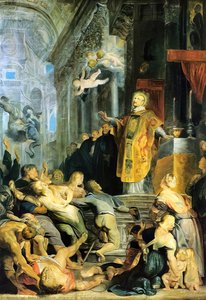
पौराणिक या अलंकृत दृश्य दो satyrs के सा (1608) द्वारा पीटर पाल रूबेंसपीटर पॉल रुबेन्स 76 x 66 सेमी क्लासिकल थीम, कारवागियो, लियोनार्डो दा विंची तेल रंग पट्टिका पर बारोक पौराणिक आंकड़े, नाटकीय प्रकाश व्यवस्था, जटिल बनावटें, प्रतीकात्मक तत्व जैसे अंगूर और laurel यथार्थवाद, बारोक पौराणिक या अलंकृत दृश्य दो satyrs के सा1608 · अल्टे पिनाकोथेक 24अंतिम निर्णय (1617) द्वारा पीटर पाल रूबेंसअंतिम निर्णय1617 · अल्टे पिनाकोथेक 25पीटर पॉल रुबेन्स

तेल रंग से कैनवास पर

गतिशील रचना, जीवंत रंग, जोरदार ब्रशवर्क, नाटकीय प्रकाश व्यवस्था, पौराणिक आंकड़े, घोड़े, युद्ध की अराजकता

बारोक

ग्रीक और अमेज़नों के बीच पौराणिक युद्ध का दृश्य

अमेज़नों का युद्ध

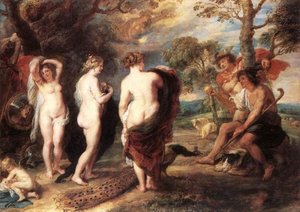
1618 (1618) द्वारा पीटर पाल रूबेंसपीटर पॉल रुबेन्स तेल रंग से कैनवास पर गतिशील रचना, जीवंत रंग, जोरदार ब्रशवर्क, नाटकीय प्रकाश व्यवस्था, पौराणिक आंकड़े, घोड़े, युद्ध की अराजकता बारोक ग्रीक और अमेज़नों के बीच पौराणिक युद्ध का दृश्य अमेज़नों का युद्ध 16181618 · अल्टे पिनाकोथेक 26इडेल्फ़ोन्सस का मंदिर (1632) द्वारा पीटर पाल रूबेंसइडेल्फ़ोन्सस का मंदिर1632 · कुन्स्टहिस्टोरिशेश म्यूज़ियम 27तूफान का परिदृश्य (1625) द्वारा पीटर पाल रूबेंसतूफान का परिदृश्य1625 · कुन्स्टहिस्टोरिशेश म्यूज़ियम 28सुज़ाना फोरमेंट (1625) द्वारा पीटर पाल रूबेंससुज़ाना फोरमेंट1625 · नेशनल गैलरी 29रोमुलस और रेमुस (1616) द्वारा पीटर पाल रूबेंसरोमुलस और रेमुस1616 · Capitoline Museums 30शेरों की मांद में डैनियल (1615) द्वारा पीटर पाल रूबेंसशेरों की मांद में डैनियल1615 · नेशनल गैलरी ऑफ़ आर्ट 31ल्यूसिपस की पुत्रियों का अपहरण (1618) द्वारा पीटर पाल रूबेंसल्यूसिपस की पुत्रियों का अपहरण1618 · अल्टे पिनाकोथेक 32मैरी डी' मेडिसी के शासनकाल की प्रसन्नता (1625) द्वारा पीटर पाल रूबेंसमैरी डी' मेडिसी के शासनकाल की प्रसन्नता1625 33यीशु की माता मरियम का स्वर्गारोहण (1626) द्वारा पीटर पाल रूबेंसयीशु की माता मरियम का स्वर्गारोहण1626 · Onze-Lieve Vrouwekathedraal 34गैनीमेड का अपहरण (1612) द्वारा पीटर पाल रूबेंसगैनीमेड का अपहरण1612 35वनेष स्नान करते समय (1608) द्वारा पीटर पाल रूबेंसवनेष स्नान करते समय1608 · थिसन-बर्निसमा संग्रहालय 36पेरिस का निर्णय (1636) द्वारा पीटर पाल रूबेंसपेरिस का निर्णय1636 · नेशनल गैलरी 37सत्य की विजय (1625) द्वारा पीटर पाल रूबेंससत्य की विजय1625 · लुव्र संग्रहालय 38हायजिया, स्वास्थ्य की देवी (1615) द्वारा पीटर पाल रूबेंसहायजिया, स्वास्थ्य की देवी1615 · National Gallery Prague 39क्रूस पर मसीह (1627) द्वारा पीटर पाल रूबेंसक्रूस पर मसीह1627 40पवित्र त्रिमूर्ति द्वारा पीटर पाल रूबेंसपवित्र त्रिमूर्तिरॉयल म्यूजियम ऑफ फाइन आर्ट्स एंटवर्प 41The Four Parts of the World द्वारा पीटर पाल रूबेंसThe Four Parts of the World 42Diana Cazadora (1620) द्वारा पीटर पाल रूबेंसDiana Cazadora1620 · Museo del Prado 43The Education of Marie, Louvre (1625) द्वारा पीटर पाल रूबेंसThe Education of Marie, Louvre1625 44The Elevation of the Cross (1610) द्वारा पीटर पाल रूबेंसThe Elevation of the Cross1610 45Gregorio with Mauro and Papia (1608) द्वारा पीटर पाल रूबेंसGregorio with Mauro and Papia1608 · सांता मारिया इन वल्लिकेला 46Duke of Lerma (1603) द्वारा पीटर पाल रूबेंसDuke of Lerma1603 · लुव्र संग्रहालय 47Portrait of Maria de' Medici (1575-1642), Queen mother of France (1640) द्वारा पीटर पाल रूबेंसPortrait of Maria de' Medici (1575-1642), Queen mother of France1640 48देवताओं की परिषद (1624) द्वारा पीटर पाल रूबेंसदेवताओं की परिषद1624 · लुव्र संग्रहालय 49Allegory on the blessings of peace NG London (1630) द्वारा पीटर पाल रूबेंसAllegory on the blessings of peace NG London1630 50The Capture of Samson (1609) द्वारा पीटर पाल रूबेंसThe Capture of Samson1609 · आर्ट इंस्टीट्यूट ऑफ शिकागो 51Christ on the Sea of Galilee (1611) द्वारा पीटर पाल रूबेंसChrist on the Sea of Galilee1611 · Gemäldegalerie Alte Meister 52Mucius Scaevola before Lars Porsenna (1617) द्वारा पीटर पाल रूबेंसMucius Scaevola before Lars Porsenna1617 · पुश्किन राज्य संग्रहालय 53The Rape of Europe (1636) द्वारा पीटर पाल रूबेंसThe Rape of Europe1636 · Museo del Prado 54Agrippina and Germanicus (1614) द्वारा पीटर पाल रूबेंसAgrippina and Germanicus1614 55The Judgment of Paris द्वारा पीटर पाल रूबेंसThe Judgment of Paris 56St. George and a Dragon (1610) द्वारा पीटर पाल रूबेंसSt. George and a Dragon1610 57The Coronation of the Hero of Virtue (1613) द्वारा पीटर पाल रूबेंसThe Coronation of the Hero of Virtue1613 · Bavarian State Painting Collections 58Venus, Mars and Cupid (1635) द्वारा पीटर पाल रूबेंसVenus, Mars and Cupid1635 · Dulwich Picture Gallery 59The Feast of Acheloüs (1615) द्वारा पीटर पाल रूबेंसThe Feast of Acheloüs1615 · मेट्रोपॉलिटन म्यूज़ियम ऑफ़ आर्ट 60Portrait of Peter Pecquius (1562-1625), chancellor of Brabant (1615) द्वारा पीटर पाल रूबेंसPortrait of Peter Pecquius (1562-1625), chancellor of Brabant1615 · रॉयल म्यूजियम्स ऑफ फाइन आर्ट्स ऑफ़ बेल्जियम 61Portrait of Anne of Austria (1623) द्वारा पीटर पाल रूबेंसPortrait of Anne of Austria1623 · नॉर्टन साइमन संग्रहालय 62The Four Evangelists (1625) द्वारा पीटर पाल रूबेंसThe Four Evangelists1625 · जॉन और मेबल रिंगलिंग संग्रहालय 63Philip IV of Spain (1629) द्वारा पीटर पाल रूबेंसPhilip IV of Spain1629 · कार्नेगी संग्रहालय ऑफ़ आर्ट 64The Triumph of Divine Love (1625) द्वारा पीटर पाल रूबेंसThe Triumph of Divine Love1625 · Museo del Prado 65Saint Michael striking down the rebellious angels (1635) द्वारा पीटर पाल रूबेंसSaint Michael striking down the rebellious angels1635 · थिसन-बर्निसमा संग्रहालय 66The Assumption of the Virgin द्वारा पीटर पाल रूबेंसThe Assumption of the Virgin 67मरीयादी का आरोहण (1622) द्वारा पीटर पाल रूबेंसमरीयादी का आरोहण1622 68Sermon by St Ignatius of Loyola (1608) द्वारा पीटर पाल रूबेंसSermon by St Ignatius of Loyola1608 · Bavarian State Painting Collections 69Coronation of the Virgin Mary (1625) द्वारा पीटर पाल रूबेंसCoronation of the Virgin Mary1625 · रॉयल म्यूजियम्स ऑफ फाइन आर्ट्स ऑफ़ बेल्जियम 70The Reconciliation of Romans and Sabines, before or up to 1620s (1625) द्वारा पीटर पाल रूबेंसThe Reconciliation of Romans and Sabines, before or up to 1620s1625 · Bavarian State Painting Collections 71Leda and the Swan (1600) द्वारा पीटर पाल रूबेंसLeda and the Swan1600 72The Assumption of the Virgin (1636) द्वारा पीटर पाल रूबेंसThe Assumption of the Virgin1636 · Yale University Art Gallery 73The Miracles of St. Benedict (1630) द्वारा पीटर पाल रूबेंसThe Miracles of St. Benedict1630 · रॉयल म्यूजियम्स ऑफ फाइन आर्ट्स ऑफ़ बेल्जियम 74The Union of Earth and Water (1618) द्वारा पीटर पाल रूबेंसThe Union of Earth and Water1618 · एर्मिटेज संग्रहालय 75The Judgement of Paris (1606) द्वारा पीटर पाल रूबेंसThe Judgement of Paris1606 · Museo del Prado 76Saint Jerome (1615) द्वारा पीटर पाल रूबेंसSaint Jerome1615 · Staatliche Kunstsammlungen Dresden 77Archduke Ferdinand on a horse (1608) द्वारा पीटर पाल रूबेंसArchduke Ferdinand on a horse1608 · Bavarian State Painting Collections 78The Drunken Satyr (1611) द्वारा पीटर पाल रूबेंसThe Drunken Satyr1611 · Academy of Fine Arts Vienna 79The Gathering of the Manna (1625) द्वारा पीटर पाल रूबेंसThe Gathering of the Manna1625 · जॉन और मेबल रिंगलिंग संग्रहालय 80The Rape of the Daughters of Levkippos (1610) द्वारा पीटर पाल रूबेंसThe Rape of the Daughters of Levkippos1610 · National Museum of Art, Architecture and Design 81Portrait of Elizabeth of Bourbon, Queen of Spain (1628) द्वारा पीटर पाल रूबेंसPortrait of Elizabeth of Bourbon, Queen of Spain1628 · एर्मिटेज संग्रहालय 82Portrait of Johanna of Austria, mother of Maria de' Medici (1623) द्वारा पीटर पाल रूबेंसPortrait of Johanna of Austria, mother of Maria de' Medici1623 83Christ Triumphant over Sin and Death (1617) द्वारा पीटर पाल रूबेंसChrist Triumphant over Sin and Death1617 · Columbus Museum of Art 84The Holy Family with Saint Elizabeth and Saint John the Baptist (1620) द्वारा पीटर पाल रूबेंसThe Holy Family with Saint Elizabeth and Saint John the Baptist1620 · Blenheim Palace 85"The Battle of Anghiari  " (The fight for the standard). (1605) द्वारा पीटर पाल रूबेंस"The Battle of Anghiari " (The fight for the standard).1605 · Academy of Fine Arts Vienna 86Infanta Isabella, the ruler of the Netherlands (1625) द्वारा पीटर पाल रूबेंसInfanta Isabella, the ruler of the Netherlands1625 87The Sacrifice of the Old Covenant (1626) द्वारा पीटर पाल रूबेंसThe Sacrifice of the Old Covenant1626 · म्यूजियम ऑफ फाइन आर्ट्स 88The raising of Lazarus (copy) (1700) द्वारा पीटर पाल रूबेंसThe raising of Lazarus (copy)1700 · Rijksmuseum 89Adoration of the Magi (1620) द्वारा पीटर पाल रूबेंसAdoration of the Magi1620 · Gothenburg Museum of Art 90The Drunken Silenus (1608) द्वारा पीटर पाल रूबेंसThe Drunken Silenus1608 · Bavarian State Painting Collections 91Samson and Delilah (1609) द्वारा पीटर पाल रूबेंसSamson and Delilah1609 · सिनसिनाटी आर्ट म्यूजियम 92Madonna and Child (copy after left wing of Antwerp triptych) (1608) द्वारा पीटर पाल रूबेंसMadonna and Child (copy after left wing of Antwerp triptych)1608 · Bavarian State Painting Collections 93Portrait of John, Duke of Braganza. (1628) द्वारा पीटर पाल रूबेंसPortrait of John, Duke of Braganza.1628 · रॉयल कैसल 94The Martyrdom of Saint Lawrence (1600) द्वारा पीटर पाल रूबेंसThe Martyrdom of Saint Lawrence1600 · Slovak National Gallery 95The Israelites Gathering Manna in the Desert (1626) द्वारा पीटर पाल रूबेंसThe Israelites Gathering Manna in the Desert1626 · लॉस एंजिल्स काउंटी म्यूज़ियम ऑफ़ आर्ट 96The Virgin as the Woman of the Apocalypse (1624) द्वारा पीटर पाल रूबेंसThe Virgin as the Woman of the Apocalypse1624 · जे. पॉल गेट्टी संग्रहालय 97Rubens with his Family in Garden (1640) द्वारा पीटर पाल रूबेंसRubens with his Family in Garden1640 · मेट्रोपॉलिटन म्यूज़ियम ऑफ़ आर्ट 98Perseus and Andromeda (1608) द्वारा पीटर पाल रूबेंसPerseus and Andromeda1608 · Bavarian State Painting Collections 99Portrait of Helena Fourment (1617-1673) (1608) द्वारा पीटर पाल रूबेंसPortrait of Helena Fourment (1617-1673)1608 · Bavarian State Painting Collections 100Susanna and the Elders (1637) द्वारा पीटर पाल रूबेंसSusanna and the Elders1637 · Bavarian State Painting Collections

पीटर पाल रूबेंस की प्रसिद्ध पेंटिंग्स, कालखंड के अनुसार

वे विषय जिन्होंने पीटर पाल रूबेंस का मन मोह लिया

इन मूल कृतियों में बार-बार आने वाले चार विषय, जिनमें से प्रत्येक का सबसे उत्कृष्ट उदाहरण यहाँ प्रस्तुत है।

वे संग्रहालय जहाँ पीटर पाल रूबेंस की मूल कृतियाँ रखी गई हैं

वे 8 संग्रहालय जिनमें इस पृष्ठ की सर्वाधिक पेंटिंग्स मौजूद हैं।

संग्रहालय शहर पीटर पाल रूबेंस की कृतियाँ इस सूची की पेंटिंग्स
Bavarian State Painting Collections, म्यूनिखBavarian State Painting Collections म्यूनिख 100 कैस्टर और पोलक्स द्वारा ल्यूकिप्पस की बेटियों का अपहरण, The Coronation of the Hero of Virtue, Sermon by St Ignatius of Loyola
Museo del Prado, मैड्रिडMuseo del Prado मैड्रिड 76 द थ्री ग्रेसिस, प्राडो, शनि, आकाशगंगा की उत्पत्ति
अल्टे पिनाकोथेक, म्यूनिखअल्टे पिनाकोथेक म्यूनिख 21 पापियों का पतन, मासख़रा इन्नोसेंट्स, पीटर पॉल रूबेन्स 1621 बारोक महारत की नाटकीय शक्ति: पीटर पॉल रूबेन्स का 'सिंहों का शिकार' बारोक कला के इस दौर को परिभाषित करने वाली कच्ची तीव्रता और गतिशील ऊर्जा को दर्शाता है। यह विशाल चित्र, जिसका माप 377 x 249 सेमी है, रूबेन्स की प्रतिभा का प्रमाण है
कुन्स्टहिस्टोरिशेश म्यूज़ियम, वियनाकुन्स्टहिस्टोरिशेश म्यूज़ियम वियना 35 मेड्युसा का सिर, द फ़ीस्ट ऑफ़ वेनस डी, इग्नेशियस ऑफ लोयाला का चमत्कार
लुव्र संग्रहालय, पेरिसलुव्र संग्रहालय पेरिस 22 मर्सेilles में मारी डी मेडिसी का आगमन, सत्य की विजय, Duke of Lerma
रॉयल म्यूजियम्स ऑफ फाइन आर्ट्स ऑफ़ बेल्जियम, ब्रुसेल्सरॉयल म्यूजियम्स ऑफ फाइन आर्ट्स ऑफ़ बेल्जियम ब्रुसेल्स 34 Portrait of Peter Pecquius (1562-1625), chancellor of Brabant, Coronation of the Virgin Mary, The Miracles of St. Benedict
नेशनल गैलरी, लंदननेशनल गैलरी लंदन 26 सैमसन और डैलाइला, सुज़ाना फोरमेंट, पेरिस का निर्णय
एर्मिटेज संग्रहालय, सेंट पीटर्सबर्गएर्मिटेज संग्रहालय सेंट पीटर्सबर्ग 42 The Union of Earth and Water, Portrait of Elizabeth of Bourbon, Queen of Spain

दशकों तक पीटर पाल रूबेंस: प्रत्येक के लिए एक अद्वितीय मूल कृति

दशकवार कृतियाँ

उस दशक को चुनें जो उसकी पहचान है और उसकी मूल कृतियाँ देखें।

पीटर पाल रूबेंस की पेंटिंग्स: गैलरी के लिए प्रश्न

पीटर पाल रूबेंस की सबसे प्रसिद्ध कृति कौन सी है?उत्तर देखें

क्रूस का उत्थान (1610), Onze-Lieve Vrouwekathedraal, एंटवर्प. इसके बाद कैस्टर और पोलक्स द्वारा ल्यूकिप्पस की बेटियों का अपहरण और क्रूस से उतारना (1612) आते हैं।

पीटर पाल रूबेंस ने क्रूस का उत्थान किस उम्र में बनाया था?उत्तर देखें

33 वर्ष की आयु: क्रूस का उत्थान 1610 का है, और पीटर पाल रूबेंस का जन्म 1577 में हुआ था।

पीटर पाल रूबेंस की कौन सी दस पेंटिंग्स सबसे प्रसिद्ध हैं?उत्तर देखें

क्रूस का उत्थान, कैस्टर और पोलक्स द्वारा ल्यूकिप्पस की बेटियों का अपहरण, क्रूस से उतारना, द थ्री ग्रेसिस, प्राडो, शनि, पापियों का पतन, सैमसन और डैलाइला, आकाशगंगा की उत्पत्ति, मेड्युसा का सिर और हनीसकल की कुंज में रूबेंस और इसाबेला ब्रैंट। ऊपर दी गई रैंकिंग में प्रत्येक का वर्ष और संग्रहालय दिया गया है।

पीटर पाल रूबेंस की कितनी कृतियाँ ज्ञात हैं?उत्तर देखें

हमारे कैटलॉग में पीटर पाल रूबेंस की 1,641 कृतियाँ हैं, जो 1600 से 1640 तक की हैं।

सबसे प्रसिद्ध पीटर पाल रूबेंस मूल कृतियाँ कहाँ देखी जा सकती हैं?उत्तर देखें

अधिकतर Bavarian State Painting Collections (म्यूनिख), Museo del Prado (मैड्रिड) और अल्टे पिनाकोथेक (म्यूनिख) में। ऊपर दी गई संग्रहालय तालिका में उन सभी की सूची दी गई है।

पीटर पाल रूबेंस ने अपनी सबसे प्रसिद्ध पेंटिंग किस काल के दौरान बनाई थीं?उत्तर देखें

1620s में: इस पृष्ठ पर मौजूद 100 कृतियों में से 29 उस समय बनाई गई थीं, जिनमें से पापियों का पतन इनमें से हैं।

पीटर पाल रूबेंस की कौन सी प्रसिद्ध पेंटिंग सबसे पुरानी है, और कौन सी सबसे नवीनतम?उत्तर देखें

इस पृष्ठ पर, सबसे पुरानी कृति Leda and the Swan (1600) है और नवीनतम Portrait of Maria de' Medici (1575-1642), Queen mother of France (1640) है।

पीटर पाल रूबेंस किन विषयों को पसंद करते थे?उत्तर देखें

इस पृष्ठ पर 100 कृतियों में Woman (22), Man (20) और Clouds (14)

पीटर पाल रूबेंस ने सबसे अधिक किन सामग्रियों से पेंटिंग की?उत्तर देखें

इस पृष्ठ पर मौजूद 100 कृतियों में से 37 के लिए कैनवस पर ऑयल पेंटिंग।

पीटर पाल रूबेंस की कलाकृति किस आंदोलन (movement) से संबंधित है?उत्तर देखें

इस पृष्ठ पर मूल कृतियों को देखते हुए, बारोक।

मैं Bavarian State Painting Collections में पीटर पाल रूबेंस की कौन सी मूल कृतियाँ देख सकता हूँ?उत्तर देखें

कैस्टर और पोलक्स द्वारा ल्यूकिप्पस की बेटियों का अपहरण, The Coronation of the Hero of Virtue और Sermon by St Ignatius of Loyola: Bavarian State Painting Collections, म्यूनिख में इस पृष्ठ पर मौजूद कृतियों में से 10 मौजूद हैं।

पीटर पाल रूबेंस: कलाकार का एक चित्र

Early Life, Family and Training

To understand the scale of Peter Paul Rubens, one must look at the displacement that defined his beginnings. Born on 28 June 1577 in Siegen, Germany, his early years were shaped by the religious instability of the era. His father, Jan Rubens, was a lawyer who fled religious persecution, a move that forced the family to navigate the shifting political landscapes of the time. This background of movement and survival provided a practical resilience that would later underpin his complex professional life. He was the son of Jan Rubens and Maria Pypelincks, and his upbringing was rooted in the social realities of the Southern Netherlands.

His technical foundation was built through a series of disciplined apprenticeships that moved him from basic landscape studies toward the complex iconography of history painting. In 1592, he began his training under Tobias Verhaecht, a landscape painter who provided the essential groundwork in composition. This was followed by a four-year apprenticeship with Adam van Noort, a specialist in portraiture and mythological scenes. These years were not merely about learning to hold a brush; they were about absorbing the structural mechanics of the Flemish tradition. By the time he began working with Otto van Veen between 1594 and 1598, Rubens had already acquired the technical vocabulary necessary to move beyond simple representation into the realm of sophisticated narrative art.

The Italian Awakening and Artistic Synthesis

In 1600, Rubens left the Low Countries for Italy, a move that fundamentally altered his visual language. He did not merely observe the Italian tradition; he absorbed it through eight years of direct engagement with the works of Michelangelo, Raphael, and Titian. This period was not a passive study. By serving the Duke of Mantua, he gained access to the high-stakes environment of Italian courtly art, where the demands of patronage required a sophisticated command of form and narrative. He took the anatomical precision of Michelangelo and the coloristic depth of Titian, stripping away the static qualities of the High Renaissance to create something more muscular and immediate.

The result was a synthesis that moved beyond imitation. Rubens took the classical ideals he encountered in Italy and infused them with a Flemish sense of vitality. He understood that movement required more than just depicted action; it required a specific tension in the human figure and a command of light that felt physical rather than merely decorative. When he returned to Antwerp in 1608, he brought back a style that was ready to dominate the European market. He had successfully merged the intellectual rigor of Italian humanism with a raw, energetic approach to composition.

A Master of Many Forms

Rubens’s output was defined by a refusal to remain within a single genre. He operated with a versatility that allowed him to command the production of altarpieces, portraits, landscapes, and history paintings. This breadth was not a sign of scattered focus but a calculated expansion of his visual influence. He moved between the sacred and the secular with ease, applying his command of composition to everything from religious narratives to the intimate details of a sitter's likeness.

His reach extended into the commercial and decorative sectors of the seventeenth-century market. He was a prolific designer of cartoons for Flemish tapestry workshops, translating complex narratives into patterns for weavers. Beyond the canvas, his graphic work was essential to the publishing industry in Antwerp, where he designed frontispieces for local publishers. This ability to scale his vision from massive church commissions to small-scale printed works ensured his aesthetic presence was felt across different media.

Technique and Style

Rubens’s visual language is defined by a relentless sense of motion. He rejected static imagery in favor of energetic and dramatic arrangements that force the viewer to engage with the scene. This dynamism is not merely a compositional choice but a structural necessity in his work. By utilizing chiaroscuro, he sculpted human forms with a precision that emphasized musculature and physical presence. This interplay of light and shadow provides the weight necessary to ground his often swirling, high-energy subjects.

His approach to color and texture relies on a sophisticated layering process. He employed glazing, applying thin, translucent layers of pigment over thicker undercoats to achieve a depth of color that feels internal rather than surface-level. This technique allowed him to capture the specific luminosity of skin tones and the heavy weight of fabric. His style prioritized a sense of sensuality and physical vitality, ensuring that every figure possessed a palpable, breathing quality. He did not merely depict bodies; he engineered them through light and pigment to command attention.

Patrons, Workshop and Commissions

Rubens operated with the precision of a high-stakes businessman, building one of the most successful artistic enterprises in European history. By 1610, he had opened his own studio in Antwerp, a move that transformed his practice from individual creation into a massive production engine. This was not a mere collection of assistants; it was a sophisticated operation designed to meet the relentless demands of his international clientele. He functioned as a central hub for talent, coordinating complex projects that required specialized skills to achieve his specific visual standards.

His professional status was cemented by his position as court painter to the Archduke and Archduchess in Brussels. This role provided more than just steady work; it placed him at the center of political and social power. To manage the sheer volume of his commissions, Rubens relied on a network of skilled collaborators. He integrated the talents of other significant artists into his workflow, including Frans Snyders, Paul de Vos, Jacob Jordaens, and Jan Brueghel the Elder. This collaborative model allowed him to execute massive, multi-layered compositions that a single hand could not have completed in a lifetime.

Later Years and Death

By 1630, Rubens had integrated his private life with his professional status through his marriage to Hélène Fourment. This union provided a steady presence in his Antwerp studio during a period when his responsibilities extended far beyond the canvas. He was not merely a painter but a high-stakes diplomat, navigating the complex political currents of Europe through missions to England, France, and Spain. These diplomatic endeavors required a level of intellectual agility and social maneuvering that matched his technical command of oil and pigment.

His productivity remained high even as his political duties intensified. He continued to paint prolifically, maintaining a massive output that sustained his reputation across the continent. The sheer volume of his work in these final years reflects a man who managed a vast artistic enterprise while simultaneously acting as a cultural intermediary for the Southern Netherlands. He remained active in the artistic and political life of Antwerp until his death on 30 May 1640.

Legacy and Influence

Rubens remains the most influential figure in the Flemish Baroque tradition. His work functioned as a bridge between the divine and the human, translating complex religious and mythological narratives into a visual language of physical presence. He did not merely paint scenes; he engineered spectacles of visual grandeur. This ability to command space and movement ensured his influence reached far beyond the borders of the Southern Netherlands.

The impact of his method on subsequent generations of artists is immeasurable. He established a standard for high-energy dynamism that later painters had to either adopt or react against. His studio functioned as a massive engine of production, setting a precedent for how large-scale artistic enterprises could operate across Europe. By synthesizing the classical grace of the Renaissance with a raw, muscular energy, he redefined the expressive potential of oil on canvas.