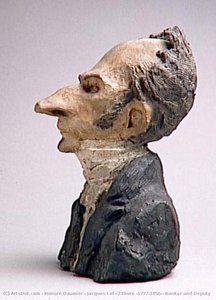
ऑनोरे डोमियर का चित्र

100 सबसे प्रसिद्ध ऑनोरे डोमियर पेंटिंग्स, एक गैलरी चयन

नवमबर 2026 में अपडेट किया गया · हमारे लोकप्रियता स्कोर (प्रत्येक कृति के लिए खोज, विज़िट और ऑर्डर) के आधार पर रैंक किया गया · 355 कृतियाँ ऑनोरे डोमियर की हमारे कैटलॉग में

संक्षेप में

ऑनोरे डोमियर द्वारा छोड़ी गई सभी मूल कृतियों में से, सबसे प्रसिद्ध ऑनोरé डोमियर हमें बरब्बास चाहिए (Ecce Homo) (1852) है, जो एसेन के म्यूज़ियम फोल्क्वांग के संग्रह में है। इसके ठीक बाद The Third-class Carriage (1860) और Unknown, maybe Hippolyte Lucien-Joseph Lucas (1807-1878), a Journalist, maybe P.Mendez de Vigo (1790-1860) a Spanish General, but Most Probably the Count Pelet de la Lozere (1785-1871), a Politician (1833) का स्थान आता है। हमारे कैटलॉग में ऑनोरे डोमियर की 355 कृतियाँ हैं; गैलरी ने उन 100 कृतियों को सहेज कर रखा है जिन्हें दुनिया सबसे अधिक पसंद करती है, जिनमें से प्रत्येक को उनकी तिथि, उनके संग्रहालय और उनकी कहानी के साथ प्रदर्शित किया गया है।

1808 – 1879, मार्सैय यथार्थवाद सर्वाधिक कृतियाँ: Musée d'Orsay

ऑनोरे डोमियर की शीर्ष 10 पेंटिंग: गैलरी का चयन

1
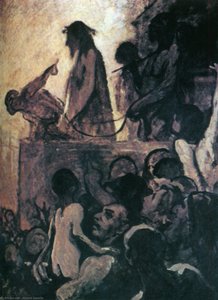
ऑनोरé डोमियर हमें बरब्बास चाहिए (Ecce Homo) (1852) द्वारा ऑनोरे डोमियर

ऑनोरé डोमियर हमें बरब्बास चाहिए (Ecce Homo)

1852 · कैनवस पर ऑयल पेंटिंग · म्यूज़ियम फोल्क्वांग, एसेन

Powerful Depiction of Human Suffering and Social Justice This compelling artwork captures a poignant biblical scene that resonates deeply with themes of compassion, injustice, and societal critique. Rendered in a raw, expressive style, the scene invites viewers into a moment of collective emotion and moral reflection. The figures, depicted with gestural immediacy, evoke a sense of urgency and human vulnerability, making it a profound statement on social conscience and spiritual…

2
The Third-class Carriage (1860) द्वारा ऑनोरे डोमियर

The Third-class Carriage

In the crowded, dimly lit confines of a mid-19th-century railway carriage, Honoré Daumier captures more than just a moment in transit; he captures the very essence of human endurance. The Third-class Carriage serves as a profound window into the burgeoning urban reality of France during the Second Empire. As the industrial revolution reshaped the landscape of Europe, Daumier turned his gaze away from the gilded salons of the aristocracy and…

3
Unknown, maybe Hippolyte Lucien-Joseph Lucas (1807-1878), a Journalist, maybe P.Mendez de Vigo (1790-1860) a Spanish General, but Most Probably the Count Pelet de la Lozere (1785-1871), a Politician (1833) द्वारा ऑनोरे डोमियर

Unknown, maybe Hippolyte Lucien-Joseph Lucas (1807-1878), a Journalist, maybe P.Mendez de Vigo (1790-1860) a Spanish General, but Most Probably the Count Pelet de la Lozere (1785-1871), a Politician

1833 · Clay / Terracotta · Musée d'Orsay, पेरिस

This evocative portrait captures more than just the likeness of an elderly gentleman; it arrests a moment in time, freezing the very essence of 19th-century Parisian intellectual life. The subject, whose identity is suggested by the possibilities of a journalist or politician, possesses a gaze that seems to look past the viewer, into some distant, weighty contemplation. Rendered with the unmistakable hand of Honoré Daumier, the piece transcends mere portraiture;…

4
Ratapoil (front view) (1850) द्वारा ऑनोरे डोमियर

Ratapoil (front view)

1850 · Bronze · Musée d'Orsay, पेरिस

Honoré Daumier's "Ratapoil (front view)," created around 1850, is more than just a bronze sculpture; it’s a potent distillation of 19th-century French social commentary and political critique. This arresting figure, rendered with remarkable dynamism and a touch of unsettling realism, offers a captivating window into the turbulent world of post-Revolutionary France – a world grappling with nascent democracy, imperial ambitions, and the pervasive inequalities of its society. The sculpture’s enduring…

5
Intermission at the Comédie Française (1858) द्वारा ऑनोरे डोमियर

Intermission at the Comédie Française

1858 · Watercolor · एर्मिटेज संग्रहालय, सेंट पीटर्सबर्ग

Honoré Daumier's “Intermission at the Comédie Française,” painted in 1858, isn’t merely a depiction of an elderly gathering; it’s a meticulously crafted observation of a specific moment frozen in time – and brimming with unspoken commentary. The artwork immediately draws the viewer into a densely packed scene: rows upon rows of men, their faces etched with age and lined with contemplation, are absorbed in reading newspapers or pamphlets within the…

6
Ratapoil (1850) द्वारा ऑनोरे डोमियर

Ratapoil

1850 · Bronze · Staatliche Kunsthalle Karlsruhe, कार्लसरू

The photograph captures a pivotal moment – a frozen dance of energy and emotion rendered in the enduring medium of bronze. This exquisite reproduction offers an intimate encounter with "Ratapoil," a sculpture by the visionary artist Honoré Daumier, born in Marseille in 1808 and tragically lost in 1879. More than just a depiction of a figure, it’s a window into the social anxieties and artistic fervor that defined mid-19th century…

7
Ratapoil (rear view) (1850) द्वारा ऑनोरे डोमियर

Ratapoil (rear view)

1850 · Sculpture · Musée d'Orsay, पेरिस

In this rear view of the sculpture Ratapoil, we encounter a figure that seems to embody the very essence of 19th-century Parisian character. The work, dating from 1850, presents a silhouette that is both dynamic and deeply human. There is a certain tension in the posture; the figure leans with one hand on a hip, a cane held in the other, suggesting a man caught in a moment of restless…

8
Scene from a Comedy (1858) द्वारा ऑनोरे डोमियर

Scene from a Comedy

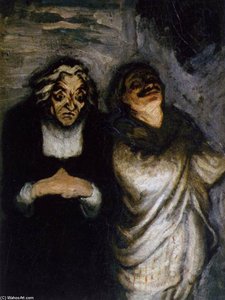
1858 · Oil On Canvas · Musée d'Orsay, पेरिस

Honoré Daumier's "Scene from a Comedy," painted in 1858, isn’t merely a depiction of two figures; it’s a meticulously crafted snapshot of Parisian society and the biting social commentary that defined the artist’s career. Housed within the walls of the Musée d’Orsay, this oil on canvas offers a rare glimpse into Daumier's world – a world brimming with observation, critique, and an undeniable sense of humor laced with profound sadness.…

9
Ratapoil (1850) द्वारा ऑनोरे डोमियर

Ratapoil

1850 · Acrylic On Canvas · Artizon Museum, टोक्यो

Honoré Daumier's "Ratapoil," created in 1850, isn’t merely a sculpture; it’s a distilled embodiment of the anxieties and frustrations simmering beneath the surface of mid-19th century France. This arresting figure, rendered in cast iron with a deliberate roughness that mirrors its subject matter, captures a moment of profound disillusionment – a silent indictment of societal hypocrisy and the precariousness of human existence. The sculpture’s power lies not just in its…

10
Family on the Barricades in 1848 (1854) द्वारा ऑनोरे डोमियर

Family on the Barricades in 1848

1854 · Oil · Národní Galerie, प्राग

In the heart of Honoré Daumier’s 1854 masterpiece, Family on the Barricades in 1848, we find a moment suspended in the amber of history. This is not merely a painting of a political uprising; it is a profound psychological study of human resilience. As the Second French Revolution tore through the streets of Paris, Daumier captured the very essence of the era's turbulent spirit. The scene presents a family huddled…

ऑनोरे डोमियर का चयन जारी है, 11 से 100 तक

11The Print Collector (1865) द्वारा ऑनोरे डोमियरThe Print Collector1865 · आर्ट इंस्टीट्यूट ऑफ शिकागो 12The Republic (1848) द्वारा ऑनोरे डोमियरThe Republic1848 · Musée d'Orsay 13Comedy scene (scene from Molière) (1862) द्वारा ऑनोरे डोमियरComedy scene (scene from Molière)1862 · Musée d'Orsay 14On a Bridge at Night (1848) द्वारा ऑनोरे डोमियरOn a Bridge at Night1848 · The Phillips Collection 15Les Gens de Justice: Vous m (1845) द्वारा ऑनोरे डोमियरLes Gens de Justice: Vous m1845 16Burden (1850) द्वारा ऑनोरे डोमियरBurden1850 · एर्मिटेज संग्रहालय 17Street Musicians (1855) द्वारा ऑनोरे डोमियरStreet Musicians1855 · आर्ट इंस्टीट्यूट ऑफ शिकागो 18Count Antoine-Maurice-Apollinaire d'Argout (1782-1858), Minister and Peer of France (1832) द्वारा ऑनोरे डोमियरCount Antoine-Maurice-Apollinaire d'Argout (1782-1858), Minister and Peer of France1832 · Musée d'Orsay 19The Studio (1870) द्वारा ऑनोरे डोमियरThe Studio1870 · जे. पॉल गेट्टी संग्रहालय 20Jean-Marie Fruchard (1788-1872), Deputy (1833) द्वारा ऑनोरे डोमियरJean-Marie Fruchard (1788-1872), Deputy1833 · Musée d'Orsay 21Load (Washerwoman) (1853) द्वारा ऑनोरे डोमियरLoad (Washerwoman)1853 · Národní Galerie 22Clément-François-Victor-Gabriel Prunelle (1774-1853), Doctor, Major of Lyon and Deputy (1832) द्वारा ऑनोरे डोमियरClément-François-Victor-Gabriel Prunelle (1774-1853), Doctor, Major of Lyon and Deputy1832 · Musée d'Orsay 23The Intoxication of Silène (1850) द्वारा ऑनोरे डोमियरThe Intoxication of Silène1850 24Two Lawyers (1860) द्वारा ऑनोरे डोमियरTwo Lawyers1860 · आर्ट इंस्टीट्यूट ऑफ शिकागो 25Outside the Print–Seller's Shop (1860) द्वारा ऑनोरे डोमियरOutside the Print–Seller's Shop1860 · डलास संग्रहालय कला 26Exit from the Theater (1863) द्वारा ऑनोरे डोमियरExit from the Theater1863 · नेल्सन-अटकिन्स संग्रहालय 27Felix Barthe द्वारा ऑनोरे डोमियरFelix Barthe 28The Uprising (L (1848) द्वारा ऑनोरे डोमियरThe Uprising (L1848 · The Phillips Collection 29Le Peintre (The Painter) (1865) द्वारा ऑनोरे डोमियरLe Peintre (The Painter)1865 · स्कॉटिश नेशनल गैलरी 30The Defender (1865) द्वारा ऑनोरे डोमियरThe Defender1865 · Musée d'Orsay 31The Good Samaritan (1855) द्वारा ऑनोरे डोमियरThe Good Samaritan1855 · Burrell Collection 32The Loge (In the Theatre Boxes) (1856) द्वारा ऑनोरे डोमियरThe Loge (In the Theatre Boxes)1856 · Walters Art Museum 33Susannah and the Elders (1853) द्वारा ऑनोरे डोमियरSusannah and the Elders1853 · Burrell Collection 34Penelopa's Dream (1842) द्वारा ऑनोरे डोमियरPenelopa's Dream1842 · Bibliothèque Nationale 35Jean-Auguste Chevandier de Valdrome, Parliamentarian (The Fool) (1832) द्वारा ऑनोरे डोमियरJean-Auguste Chevandier de Valdrome, Parliamentarian (The Fool)1832 · Musée d'Orsay 36The Washerwoman (1863) द्वारा ऑनोरे डोमियरThe Washerwoman1863 · Musée d'Orsay 37Masks of 1831 (1832) द्वारा ऑनोरे डोमियरMasks of 18311832 · Minneapolis Institute of Art 38Remembrances of St. Pelagie. (Souvenir de ste Pélagie) (1834) द्वारा ऑनोरे डोमियरRemembrances of St. Pelagie. (Souvenir de ste Pélagie)1834 39Mr. Joliv (Adolphe Joliv) (1833) द्वारा ऑनोरे डोमियरMr. Joliv (Adolphe Joliv)1833 · Musée d'art et d'histoire Paul Eluard 40Celebrités du Juste Milieu (1835) द्वारा ऑनोरे डोमियरCelebrités du Juste Milieu1835 · Zimmerli Art Museum at Rutgers University 41Grand Staircase of the Palace of Justice (1848) द्वारा ऑनोरे डोमियरGrand Staircase of the Palace of Justice1848 42The Conclusion of a Speech à la Demosthene (1848) द्वारा ऑनोरे डोमियरThe Conclusion of a Speech à la Demosthene1848 43Neighbourhood gossip (1855) द्वारा ऑनोरे डोमियरNeighbourhood gossip1855 · The Mesdag Collection 44Une salle d'attente (The Waiting Room) (1851) द्वारा ऑनोरे डोमियरUne salle d'attente (The Waiting Room)1851 · Buffalo AKG Art Museum 45Second-Class Carriage (1849) द्वारा ऑनोरे डोमियरSecond-Class Carriage1849 · Rhode Island School of Design Museum of Art 46Mme Pipelet, the Concierge (1849) द्वारा ऑनोरे डोमियरMme Pipelet, the Concierge1849 · Rhode Island School of Design Museum of Art 47Hunters by the fireside (1850) द्वारा ऑनोरे डोमियरHunters by the fireside1850 48Head of a Man (1855) द्वारा ऑनोरे डोमियरHead of a Man1855 · National Museum Cardiff 49The Miller, His Son and the Donkey (1849) द्वारा ऑनोरे डोमियरThe Miller, His Son and the Donkey1849 · Burrell Collection 50Bathers (1853) द्वारा ऑनोरे डोमियरBathers1853 51On the Shore (1853) द्वारा ऑनोरे डोमियरOn the Shore1853 52Return from the Market (1856) द्वारा ऑनोरे डोमियरReturn from the Market1856 · Museum collection Am Römerholz 53The Confidence or The Kiss of Judas (1859) द्वारा ऑनोरे डोमियरThe Confidence or The Kiss of Judas1859 · Petit Palais 54Four Heads (1857) द्वारा ऑनोरे डोमियरFour Heads1857 · Burrell Collection 55Head of an Old Woman (1858) द्वारा ऑनोरे डोमियरHead of an Old Woman1858 56Painting by Honoré Daumier (1862) द्वारा ऑनोरे डोमियरPainting by Honoré Daumier1862 57Scapin (1861) द्वारा ऑनोरे डोमियरScapin1861 · हार्वर्ड कला संग्रहालय 58Count Auguste-Hilarion de Kératry (1769-1859), Deputy, Peer of France (1832) द्वारा ऑनोरे डोमियरCount Auguste-Hilarion de Kératry (1769-1859), Deputy, Peer of France1832 · Musée d'Orsay 59The Beautiful Narcissus (1842) द्वारा ऑनोरे डोमियरThe Beautiful Narcissus1842 · Bibliothèque Nationale 60Sancho Panza, Resting Under a Tree (1865) द्वारा ऑनोरे डोमियरSancho Panza, Resting Under a Tree1865 61The Painter (1867) द्वारा ऑनोरे डोमियरThe Painter1867 · Musee des Beaux-Arts 62Au Palais de Justice (At the Law Courts) (1865) द्वारा ऑनोरे डोमियरAu Palais de Justice (At the Law Courts)1865 · Rhode Island School of Design Museum of Art 63The Two Colleagues (Lawyers) (1867) द्वारा ऑनोरे डोमियरThe Two Colleagues (Lawyers)1867 · ब्रुकलिन संग्रहालय 64A Third Class Carriage (1865) द्वारा ऑनोरे डोमियरA Third Class Carriage1865 · National Museum Cardiff 65François-Pierre-Guillaume Guizot (1787-1874), Deputy, Minister and Historian (1833) द्वारा ऑनोरे डोमियरFrançois-Pierre-Guillaume Guizot (1787-1874), Deputy, Minister and Historian1833 · Musée d'Orsay 66Two Singers द्वारा ऑनोरे डोमियरTwo Singersहार्वर्ड कला संग्रहालय 67Jean-Claude Fulchiron (1774-1859), Deputy, Peer of France, and Poet (1832) द्वारा ऑनोरे डोमियरJean-Claude Fulchiron (1774-1859), Deputy, Peer of France, and Poet1832 · Musée d'Orsay 68Don Quixote and the Windmills (1850) द्वारा ऑनोरे डोमियरDon Quixote and the Windmills1850 · आर्ट इंस्टीट्यूट ऑफ शिकागो 69The Serenade (1858) द्वारा ऑनोरे डोमियरThe Serenade1858 · स्कॉटिश नेशनल गैलरी 70The Print Amateur (1855) द्वारा ऑनोरे डोमियरThe Print Amateur1855 · हार्वर्ड कला संग्रहालय 71Le Wagon de troisième classe, huile sur toile The Coach of third class, oil on fabric द्वारा ऑनोरे डोमियरLe Wagon de troisième classe, huile sur toile The Coach of third class, oil on fabric 72Jacques Lefévre (1777-1856), Banker and Deputy (1833) द्वारा ऑनोरे डोमियरJacques Lefévre (1777-1856), Banker and Deputy1833 · Musée d'Orsay 73The Print Collector (1862) द्वारा ऑनोरे डोमियरThe Print Collector1862 · Burrell Collection 74Don Quixote and the Dead Mule (1860) द्वारा ऑनोरे डोमियरDon Quixote and the Dead Mule1860 · मेट्रोपॉलिटन म्यूज़ियम ऑफ़ आर्ट 75The Strong Man (1865) द्वारा ऑनोरे डोमियरThe Strong Man1865 · The Phillips Collection 76Head of Pasquin (1863) द्वारा ऑनोरे डोमियरHead of Pasquin1863 · डलास संग्रहालय कला 77Baron Joseph de Podenas (1782-1851), Deputy (1833) द्वारा ऑनोरे डोमियरBaron Joseph de Podenas (1782-1851), Deputy1833 · Musée d'Orsay 78Charles Philipon (1800-1861), Journalist and Director of the Magazines Caricature and Charivari (1833) द्वारा ऑनोरे डोमियरCharles Philipon (1800-1861), Journalist and Director of the Magazines Caricature and Charivari1833 · Musée d'Orsay 79Rue Transnonain, April 15, 1834 (1834) द्वारा ऑनोरे डोमियरRue Transnonain, April 15, 18341834 · Bibliothèque Nationale 80Theater Audience (1856) द्वारा ऑनोरे डोमियरTheater Audience1856 · नेशनल म्यूजियम ऑफ वेस्टर्न आर्ट 81Don Quixote Reading (1866) द्वारा ऑनोरे डोमियरDon Quixote Reading1866 · National Museum Cardiff 82Les Avocats et Les Plaideurs: Enfin! Nous avons obtenu la séparation de biens (1851) द्वारा ऑनोरे डोमियरLes Avocats et Les Plaideurs: Enfin! Nous avons obtenu la séparation de biens1851 83Le Ventre Legislatif (1834) द्वारा ऑनोरे डोमियरLe Ventre Legislatif1834 84Avant l (1865) द्वारा ऑनोरे डोमियरAvant l1865 85Two Drinkers (Les Deux buveurs) द्वारा ऑनोरे डोमियरTwo Drinkers (Les Deux buveurs)बार्न्स फाउंडेशन 86Two Lawyers द्वारा ऑनोरे डोमियरTwo Lawyers 87Crispin et Scapin ou Scapin et Sylvestre, huile sur toile Crispin and Scapin or Scapin and Sylvestre, oil on fabric द्वारा ऑनोरे डोमियरCrispin et Scapin ou Scapin et Sylvestre, huile sur toile Crispin and Scapin or Scapin and Sylvestre, oil on fabric 88Une cause célèbre, crayon et aquarelle A famous cause, pencil and watercolour द्वारा ऑनोरे डोमियरUne cause célèbre, crayon et aquarelle A famous cause, pencil and watercolour 89Don Quixote and Sancho Panza (1864) द्वारा ऑनोरे डोमियरDon Quixote and Sancho Panza1864 · Burrell Collection 90Don Quixote and Sancho Panza (1870) द्वारा ऑनोरे डोमियरDon Quixote and Sancho Panza1870 · Courtauld Gallery 91The Reader द्वारा ऑनोरे डोमियरThe Reader 92Street Scene (1864) द्वारा ऑनोरे डोमियरStreet Scene1864 · Museum Boijmans Van Beuningen 93Charles-Léonard Gallois (1774-1851), Publicist and Historian, Republican (1833) द्वारा ऑनोरे डोमियरCharles-Léonard Gallois (1774-1851), Publicist and Historian, Republican1833 · Musée d'Orsay 94André-Marie-Jean-Jacques Dupin, Also Called Dupin the Elder द्वारा ऑनोरे डोमियरAndré-Marie-Jean-Jacques Dupin, Also Called Dupin the Elder 95Le Drame, huile sur toile The Drama, oils on fabric द्वारा ऑनोरे डोमियरLe Drame, huile sur toile The Drama, oils on fabric 96The Hypochondriac (Le Malade imaginaire) द्वारा ऑनोरे डोमियरThe Hypochondriac (Le Malade imaginaire)बार्न्स फाउंडेशन 97To the Street (1850) द्वारा ऑनोरे डोमियरTo the Street1850 · The Phillips Collection 98Three Lawyers (1857) द्वारा ऑनोरे डोमियरThree Lawyers1857 · The Phillips Collection 99Honoré Daumier Le Martyre de saint Sébastien, esquisse, huile sur panneau The Martyrdom of Sebastien saint, draft, oil on panel (1850) द्वारा ऑनोरे डोमियरHonoré Daumier Le Martyre de saint Sébastien, esquisse, huile sur panneau The Martyrdom of Sebastien saint, draft, oil on panel1850 100Mother (1855) द्वारा ऑनोरे डोमियरMother1855 · सर्बियाई राष्ट्रीय संग्रहालय

ऑनोरे डोमियर की प्रसिद्ध पेंटिंग्स, कालखंड के अनुसार

वे विषय जिन्होंने ऑनोरे डोमियर का मन मोह लिया

इन मूल कृतियों में बार-बार आने वाले चार विषय, जिनमें से प्रत्येक का सबसे उत्कृष्ट उदाहरण यहाँ प्रस्तुत है।

वे संग्रहालय जहाँ ऑनोरे डोमियर की मूल कृतियाँ रखी गई हैं

वे 8 संग्रहालय जिनमें इस पृष्ठ की सर्वाधिक पेंटिंग्स मौजूद हैं।

संग्रहालय शहर ऑनोरे डोमियर की कृतियाँ इस सूची की पेंटिंग्स
Musée d'Orsay, पेरिसMusée d'Orsay पेरिस 33 Unknown, maybe Hippolyte Lucien-Joseph Lucas (1807-1878), a Journalist, maybe P.Mendez de Vigo (1790-1860) a Spanish General, but Most Probably the Count Pelet de la Lozere (1785-1871), a Politician, Ratapoil (front view), Ratapoil (rear view)
Burrell Collection, ग्लासगोBurrell Collection ग्लासगो 9 The Good Samaritan, Susannah and the Elders, The Miller, His Son and the Donkey
The Phillips Collection, वाशिंगटन डी.सी.The Phillips Collection वाशिंगटन डी.सी. 8 On a Bridge at Night, The Uprising (L, The Strong Man
आर्ट इंस्टीट्यूट ऑफ शिकागो, शिकागोआर्ट इंस्टीट्यूट ऑफ शिकागो शिकागो 4 The Print Collector, Street Musicians, Two Lawyers
National Museum Cardiff, कार्डिफNational Museum Cardiff कार्डिफ 8 Head of a Man, A Third Class Carriage, Don Quixote Reading
Rhode Island School of Design Museum of Art, ProvidenceRhode Island School of Design Museum of Art Providence 4 Second-Class Carriage, Mme Pipelet, the Concierge, Au Palais de Justice (At the Law Courts)
Bibliothèque Nationale, पेरिसBibliothèque Nationale पेरिस 3 Penelopa's Dream, The Beautiful Narcissus, Rue Transnonain, April 15, 1834
हार्वर्ड कला संग्रहालय, कैम्ब्रिजहार्वर्ड कला संग्रहालय कैम्ब्रिज 3 Scapin, Two Singers, The Print Amateur

ऑनोरे डोमियर दशक दर दशक: प्रत्येक को परिभाषित करने वाली मूल कृतियाँ

दशकवार कृतियाँ

उस दशक को चुनें जो उसकी पहचान है और उसकी मूल कृतियाँ देखें।

ऑनोरे डोमियर की पेंटिंग्स के बारे में संग्रहकर्ताओं के प्रश्न

ऑनोरे डोमियर किस कृति के लिए सबसे अधिक प्रसिद्ध हैं?उत्तर देखें

ऑनोरé डोमियर हमें बरब्बास चाहिए (Ecce Homo) (1852), म्यूज़ियम फोल्क्वांग, एसेन. इसके बाद The Third-class Carriage (1860) और Unknown, maybe Hippolyte Lucien-Joseph Lucas (1807-1878), a Journalist, maybe P.Mendez de Vigo (1790-1860) a Spanish General, but Most Probably the Count Pelet de la Lozere (1785-1871), a Politician (1833) आते हैं।

ऑनोरé डोमियर हमें बरब्बास चाहिए (Ecce Homo) के निर्माण के समय ऑनोरे डोमियर की आयु क्या थी?उत्तर देखें

44 वर्ष की आयु: ऑनोरé डोमियर हमें बरब्बास चाहिए (Ecce Homo) 1852 का है, और ऑनोरे डोमियर का जन्म 1808 में हुआ था।

ऑनोरे डोमियर की दस सबसे प्रसिद्ध पेंटिंग्स कौन सी हैं?उत्तर देखें

ऑनोरé डोमियर हमें बरब्बास चाहिए (Ecce Homo), The Third-class Carriage, Unknown, maybe Hippolyte Lucien-Joseph Lucas (1807-1878), a Journalist, maybe P.Mendez de Vigo (1790-1860) a Spanish General, but Most Probably the Count Pelet de la Lozere (1785-1871), a Politician, Ratapoil (front view), Intermission at the Comédie Française, Ratapoil, Ratapoil (rear view), Scene from a Comedy, Ratapoil और Family on the Barricades in 1848। ऊपर दी गई रैंकिंग में प्रत्येक का वर्ष और संग्रहालय दिया गया है।

ऑनोरे डोमियर ने कितनी पेंटिंगें छोड़ीं?उत्तर देखें

हमारे कैटलॉग में ऑनोरे डोमियर की 355 कृतियाँ हैं, जो 1832 से 1870 तक की हैं।

ऑनोरे डोमियर की उत्कृष्ट कृतियाँ किन संग्रहालयों में प्रदर्शित हैं?उत्तर देखें

अधिकतर Musée d'Orsay (पेरिस), Burrell Collection (ग्लासगो) और The Phillips Collection (वाशिंगटन डी.सी.) में। ऊपर दी गई संग्रहालय तालिका में उन सभी की सूची दी गई है।

ऑनोरे डोमियर ने अपने सबसे प्रसिद्ध कार्यों की रचना किन वर्षों में की थी?उत्तर देखें

1850s में: इस पृष्ठ पर मौजूद 100 कृतियों में से 34 उस समय बनाई गई थीं, जिनमें से ऑनोरé डोमियर हमें बरब्बास चाहिए (Ecce Homo) इनमें से हैं।

ऑनोरे डोमियर की पहली और आखिरी प्रसिद्ध मूल कृतियाँ कौन सी हैं?उत्तर देखें

इस पृष्ठ पर, सबसे पुरानी कृति Count Antoine-Maurice-Apollinaire d'Argout (1782-1858), Minister and Peer of France (1832) है और नवीनतम The Studio (1870) है।

ऑनोरे डोमियर ने सबसे अधिक बार किन विषयों को चुना?उत्तर देखें

इस पृष्ठ पर 100 कृतियों में People (35), Figures (26) और Man (23)

ऑनोरे डोमियर ने किस तकनीक का सबसे अधिक उपयोग किया?उत्तर देखें

इस पृष्ठ पर मौजूद 100 कृतियों में से 26 के लिए Oil On Canvas।

ऑनोरे डोमियर किस कला आंदोलन (art movement) से संबंधित हैं?उत्तर देखें

इस पृष्ठ पर मूल कृतियों को देखते हुए, यथार्थवाद।

Musée d'Orsay में ऑनोरे डोमियर की कौन सी कृतियाँ प्रदर्शित हैं?उत्तर देखें

Unknown, maybe Hippolyte Lucien-Joseph Lucas (1807-1878), a Journalist, maybe P.Mendez de Vigo (1790-1860) a Spanish General, but Most Probably the Count Pelet de la Lozere (1785-1871), a Politician, Ratapoil (front view) और Ratapoil (rear view): Musée d'Orsay, पेरिस में इस पृष्ठ पर मौजूद कृतियों में से 19 मौजूद हैं।

ऑनोरे डोमियर: जीवन और कार्य

ऑनरé ड्यूमियर: व्यंग्य की कलम से जीवन का चित्रण

1808 में मार्सिले में जन्मे ऑनरé-विक्टरिन ड्यूमियर का जीवन 19वीं सदी के फ्रांस की उथल-पुथल के साथ गहराई से जुड़ा हुआ था। उनके प्रारंभिक जीवन, जो उनके पिता की काव्य आकांक्षाओं और बाद में 1814 में पेरिस में स्थानांतरण से चिह्नित था, उन्हें एक ऐसे शहर में डुबो दिया गया जो कलात्मक ऊर्जा से भरपूर था। हालांकि शुरू में कानूनी करियर के लिए नियत किया गया था, युवा ड्यूमियर का झुकाव अपरिवर्तनीय रूप से कला की ओर था। उन्होंने एलेक्जेंडर लेनोर के तहत प्रशिक्षण लिया, शास्त्रीय प्रभावों को आत्मसात किया और साथ ही रूबेन्स के नाटकीय चियारोस्कोरो की सराहना की, और आगे अकादेमी सुइस में अपने कौशल को निखारा। यह मूलभूत प्रशिक्षण उनकी विशिष्ट शैली को आकार देने में महत्वपूर्ण साबित होगा - यथार्थवाद और अभिव्यंजक रेखाचित्र का एक शक्तिशाली मिश्रण। हालांकि, केवल कलात्मक तकनीक ही ड्यूमियर को परिभाषित नहीं करती थी; उनके आसपास के सामाजिक अन्याय और राजनीतिक हास्यास्पदता के प्रति गहरी संवेदनशीलता थी।

तीखी कलम: व्यंग्य और सामाजिक टिप्पणी

ड्यूमियर का करियर 1830 की क्रांति के बाद वास्तव में प्रज्वलित हुआ, एक ऐसी घटना जिसने अपरिवर्तनीय रूप से फ्रांसीसी इतिहास को बदल दिया और साथ ही उनकी बढ़ती व्यंग्यात्मक प्रतिभा के लिए उपजाऊ जमीन प्रदान की। उन्होंने जल्दी ही खुद को एक कुशल लिथोग्राफर के रूप में स्थापित किया, शुरू में विभिन्न प्रकाशनों में गुमनाम रूप से योगदान दिया, लेकिन चार्ल्स फिलिपोन द्वारा स्थापित *ले चारिवारी*, एक भयंकर स्वतंत्र कॉमिक जर्नल के साथ काम करने के माध्यम से प्रमुखता हासिल की। यहीं पर ड्यूमियर की प्रतिभा वास्तव में खिल उठी। उनके व्यंग्य केवल हास्यपूर्ण चित्रण नहीं थे; वे बुर्जुआ वर्ग, कानूनी प्रणाली और राजनीतिक प्रतिष्ठान की तीखी आलोचनाएं थीं। उन्होंने निर्भीड़ होकर राजा लुई-फिलिप का उपहास किया, 1832 में एक विशेष रूप से तीखे व्यंग्य के लिए छह महीने की कैद अर्जित की। इस अनुभव ने उन्हें चुप कराने के बजाय कला के माध्यम से पाखंड को उजागर करने और सत्ता को चुनौती देने की उनकी प्रतिबद्धता को मजबूत किया। उनके लिथोग्राफ दृश्य घोषणापत्र बन गए, असंतोष की भावना को पकड़ लिया और अपने समय की सामाजिक बुराइयों पर एक महत्वपूर्ण टिप्पणी पेश की। इस अवधि के दौरान उनका उत्पादन का विशाल आकार आश्चर्यजनक है - हजारों लिथोग्राफ जो लोकप्रिय मनोरंजन और शक्तिशाली राजनीतिक बयानों दोनों के रूप में काम करते थे।

व्यंग्य से परे: चित्रकला और मूर्तिकला दृष्टि

जबकि ड्यूमियर को उनकी लिथोग्राफी के लिए सबसे अधिक मनाया जाता है, उन्हें केवल व्यंग्य के दायरे तक सीमित करना एक गंभीर अन्याय होगा। वह एक समर्पित चित्रकार और मूर्तिकार भी थे, हालांकि इन कार्यों के लिए मान्यता बाद में जीवन में आई। उनके चित्रों में अक्सर रोजमर्रा की पेरिसियन जीवन के दृश्य चित्रित किए जाते हैं - तीसरे दर्जे का डिब्बा, धोबिन, वकील - जो यथार्थवाद और सहानुभूति की गहरी भावना से भरे होते हैं। वे आदर्श चित्रण नहीं हैं बल्कि कठिनाई और संघर्ष के निर्भीड़ चित्रण हैं। उन्होंने भावनाओं और वातावरण को व्यक्त करने के लिए ढीले ब्रशवर्क और नाटकीय प्रकाश व्यवस्था का कुशलतापूर्वक उपयोग किया, जिससे प्रभाववादियों द्वारा बाद में अपनाए गए कुछ तकनीकों की भविष्यवाणी हुई। उनके मूर्तिकला कार्य, ज्यादातर मिट्टी में बनाए गए (कई टुकड़े उनके जीवनकाल के दौरान बिना बेक किए रहे), एक समान ईमानदारी और भावनात्मक गहराई के साथ मानव रूप को पकड़ने की प्रतिबद्धता प्रकट करते हैं। उनकी मृत्यु के बाद फिर से खोजे गए इन मूर्तियों ने मॉडलिंग में उल्लेखनीय प्रतिभा और शारीरिक हावभाव के माध्यम से मनोवैज्ञानिक जटिलता व्यक्त करने की क्षमता का प्रदर्शन किया।

एक स्थायी विरासत: प्रभाव और ऐतिहासिक महत्व

ऑनरé ड्यूमियर का कला इतिहास पर प्रभाव निर्विवाद है। उन्होंने रोमांटिकतावाद और यथार्थवाद के बीच एक सेतु बनाया, भविष्य की पीढ़ियों के कलाकारों के लिए मार्ग प्रशस्त किया जो दुनिया को जैसा कि वह वास्तव में थी - सभी खामियों के साथ - चित्रित करना चाहते थे। उनकी निर्भीड़ सामाजिक टिप्पणी ने गुस्ताव कोर्टे और एडवर्ड माने जैसे कलाकारों को प्रभावित किया, जबकि लिथोग्राफी के उनके अभिनव उपयोग ने प्रिंटमेकिंग में क्रांति ला दी। उनका काम आज भी गूंजता है, हमें सत्ता को चुनौती देने, अन्याय को उजागर करने और मानव स्थिति की गवाही देने के लिए कला की शक्ति की याद दिलाता है। पेरिस में मुसी डी'ऑर्सय उनके चित्रों और मूर्तियों का एक महत्वपूर्ण संग्रह रखता है, जो आगंतुकों को उस दुनिया की झलक प्रदान करता है जिसे उन्होंने इतने जीवंत रूप से चित्रित किया था। उनके लिथोग्राफ व्यापक रूप से ऑलपेंटिंग्सस्टोर जैसे संग्रहों के माध्यम से सुलभ हैं, यह सुनिश्चित करते हुए कि उनकी व्यंग्यात्मक प्रतिभा विचारोत्तेजक और प्रेरणादायक संवाद जारी रखती है। ड्यूमियर केवल एक कलाकार नहीं थे; वह अपने समय के एक कालानुक्रमकार थे - एक दृश्य कवि जिन्होंने अपनी प्रतिभा का उपयोग बेसहारा लोगों को आवाज देने और सत्ता को जवाबदेह ठहराने के लिए किया। उनकी विरासत कला को सामाजिक परिवर्तन की शक्ति के प्रमाण के रूप में कायम रखती है।