अल्फ्रेड सिसले का चित्र

100 सबसे प्रसिद्ध अल्फ्रेड सिसले पेंटिंग्स, जिनमें से प्रत्येक अद्वितीय है

नवमबर 2026 में अपडेट किया गया · हमारे लोकप्रियता स्कोर (प्रत्येक कृति के लिए खोज, विज़िट और ऑर्डर) के आधार पर रैंक किया गया · 767 कृतियाँ अल्फ्रेड सिसले की हमारे कैटलॉग में

संक्षेप में

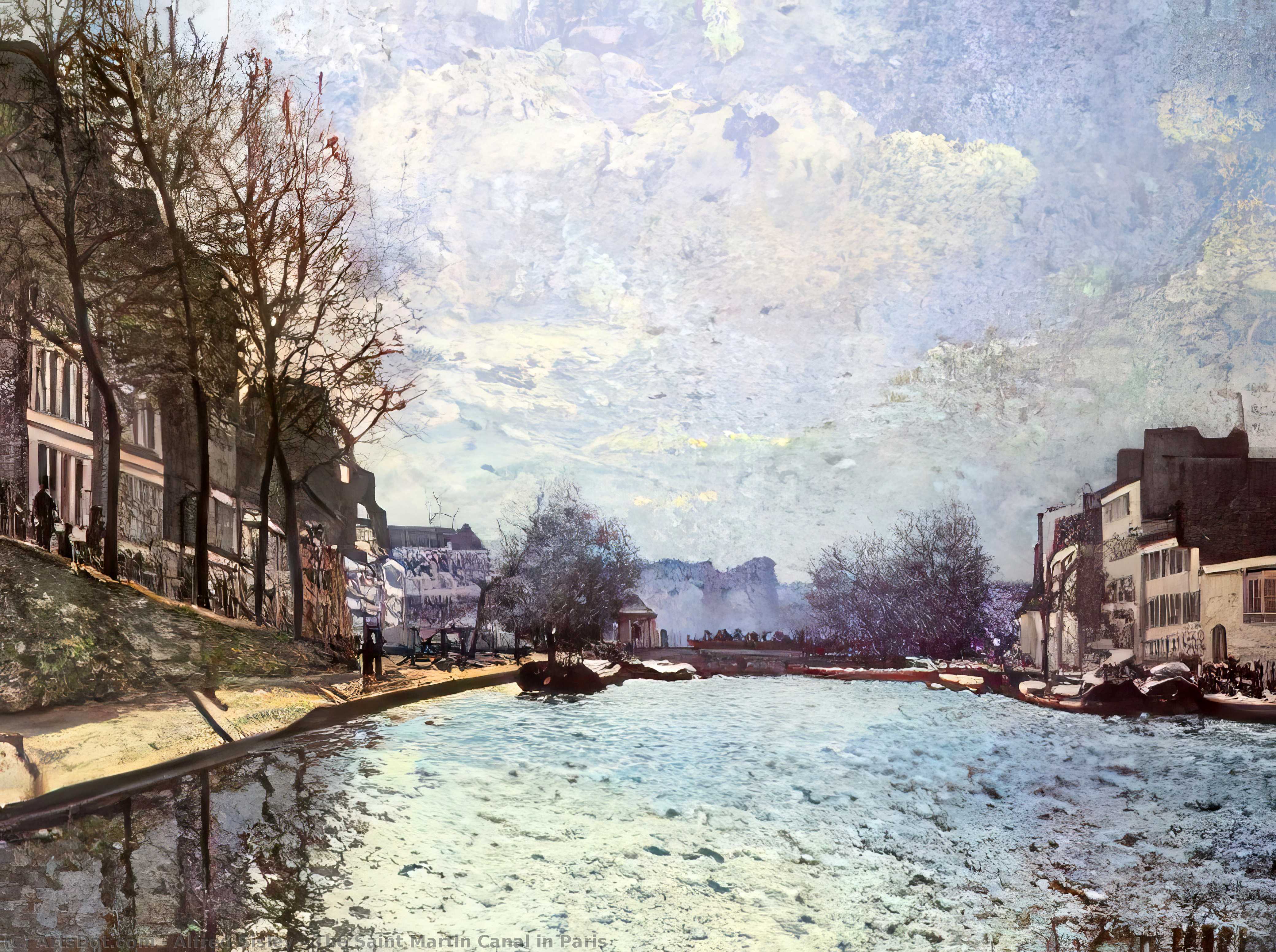
सेंट मार्टिन नहर पेरिस में (1870) वह अल्फ्रेड सिसले की पेंटिंग है जो सबसे अधिक ध्यान आकर्षित करती है। इसके बाद, दृष्टि लानه‌ی एक छोटे शहर के पास (1864) और Villeneuve-ला-गारेन के पुल - - (1872) पर जाती है। हमारे कैटलॉग में अल्फ्रेड सिसले की 767 कृतियों में से, ये 100 सबसे प्रसिद्ध हैं, जिनमें से प्रत्येक को उसके वर्ष, उसके संग्रहालय और उसके चिरस्थायी होने के कारण के साथ एक अद्वितीय मूल कृति के रूप में प्रस्तुत किया गया है।

1839 – 1899, पेरिस Impressionist landscape सर्वाधिक कृतियाँ: Musée d'Orsay

गैलरी की दृष्टि से अल्फ्रेड सिसले की शीर्ष 10 पेंटिंग्स

1
सेंट मार्टिन नहर पेरिस में (1870) द्वारा अल्फ्रेड सिसले

सेंट मार्टिन नहर पेरिस में

1870 · कैनवस पर ऑयल पेंटिंग

अल्फ्रेड सिसले की "द सेंट मार्टिन कैनाल इन पेरिस" प्रभाववादी आंदोलन का एक मंत्रमुग्ध कर देने वाला स्वरूप है, जो केवल पेरिस के एक जलमार्ग का दृश्य मात्र नहीं है। यह एक भावपूर्ण अनुभव है – प्रकाश और वातावरण के प्रति असाधारण संवेदनशीलता के साथ चित्रित 19वीं सदी के जीवन का एक शांत क्षण। यह पेंटिंग हमें केवल वह नहीं दिखाती जो सिसले ने *देखा* था; बल्कि यह हमें उस…

2
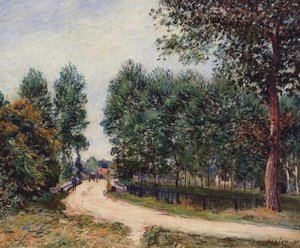
लानه‌ی एक छोटे शहर के पास (1864) द्वारा अल्फ्रेड सिसले

लानه‌ی एक छोटे शहर के पास

1864 · कैनवस पर ऑयल पेंटिंग

प्रकृति के बीच एक शांत पलायन अल्फ्रेड सिसले की कृति "लेन नियर अ स्मॉल टाउन" दर्शकों को एक शांत ग्रामीण दृश्य में आमंत्रित करती है, जहाँ एक घुमावदार रास्ता ऊंचे पेड़ों के झुरमुट से होकर गुजरता है, जो नरम, सुनहरी धूप में नहाए हुए हैं। यह इंप्रेशनिस्ट उत्कृष्ट कृति शांतिपूर्ण देहाती जीवन के सार को पकड़ती है, जो मन में शांति और चिंतन की भावना जगाती है। इंप्रेशनिस्ट महारत 1864…

3
Villeneuve-ला-गारेन के पुल - - (1872) द्वारा अल्फ्रेड सिसले

Villeneuve-ला-गारेन के पुल - -

1872 · कैनवस पर ऑयल पेंटिंग · मेट्रोपॉलिटन म्यूज़ियम ऑफ़ आर्ट, न्यूयॉर्क

विलनवे ला गैरेन के पुल - एक शांत प्रभाववादी उत्कृष्ट कृति अल्फ्रेड सिसले की "विलनवे ला गैरेन के पुल" (1872) एक मनोरम प्रभाववादी परिदृश्य चित्र है जो दर्शकों को एक शांत नदी किनारे के दृश्य में आमंत्रित करता है। यह मनमोहक कलाकृति अवकाश और प्राकृतिक सौंदर्य के सार को पकड़ती है, जिससे यह किसी भी कला संग्रह या आंतरिक स्थान के लिए एक आदर्श अतिरिक्त बन जाती है। सिसले ने…

4
पॉइंट डू जूर में सीन नदी (1878) द्वारा अल्फ्रेड सिसले

पॉइंट डू जूर में सीन नदी

1878 · कैनवस पर ऑयल पेंटिंग · म्यूजी डी आर्ट मॉडर्न आंद्रे मालरो, ले हाव्रे

अल्फ्रेड सिसले ने 1878 में पॉइंट डू जूर में सीन नदी बनाई थी। यह कैनवास पर तेल से निर्मित कृति सीन नदी के परिदृश्य को जीवंत करती है, जो फ्रांसीसी ग्रामीण इलाकों के वातावरण पर केंद्रित है। इसका शीर्षक भोर के समय को दर्शाता है, जो नदी के तट पर प्राकृतिक प्रकाश के परिवर्तन का एक जादुई क्षण है।

5
मोरेट-सुर-लोइंग (1888) द्वारा अल्फ्रेड सिसले

मोरेट-सुर-लोइंग

1888 · कैनवस पर ऑयल पेंटिंग

1888 में अल्फ्रेड सिसले द्वारा चित्रित "मोरेट-सुर-लोइंग", इंप्रेशनिस्ट परिदृश्य कला का एक मंत्रमुग्ध कर देने वाला उदाहरण है, जो दर्शकों को सूर्यास्त की कोमल चमक में डूबे एक शांत नदी किनारे वाले शहर में आमंत्रित करता है। यह उत्कृष्ट कृति प्रकाश और वायुमंडल पर सिसले के असाधारण प्रभुत्व को प्रदर्शित करती है, जो इसे किसी भी कला प्रेमी या संग्राहक के लिए एक बेशकीमती धरोहर बनाती है।

6
लौवेसिएन की सड़क (1875) द्वारा अल्फ्रेड सिसले

लौवेसिएन की सड़क

1875 · कैनवस पर ऑयल पेंटिंग

अल्फ्रेड सिसले का "रास्ता लुवेसिएन" एक ऐसा इम्प्रेसियनिस्ट लैंडस्केप है जो दर्शकों को प्रकृति की एक शांत दुनिया में आमंत्रित करता है। 1875 में चित्रित यह कलाकृति अपने जीवंत रंगों और नाजुक ब्रशवर्क के साथ फ्रांसीसी ग्रामीण इलाकों के सार को पकड़ती है। यह सिर्फ एक दृश्य नहीं है; यह एक अनुभव है, एक पल जिसमें समय ठहर सा जाता है, और दर्शक प्रकृति की शांति में डूब जाते हैं।…

7
पोर्ट मर्ले में सूर्यास्त: एक शांत ग्रामीण वापसी (1876) द्वारा अल्फ्रेड सिसले

पोर्ट मर्ले में सूर्यास्त: एक शांत ग्रामीण वापसी

1876 · कैनवस पर ऑयल पेंटिंग

अल्फ्रेड सिसले का "पोर्ट मर्ली में सूर्यास्त" एक ऐसा दृश्य है जो समय को ठहर देता है, जहाँ इंप्रेशनिस्ट ब्रशस्ट्रोक के जादू से ग्रामीण जीवन की शांति और सुंदरता जीवंत हो उठती है। यह सिर्फ एक पेंटिंग नहीं है; यह एक यात्रा है, एक ऐसी यात्रा जो आपको फ्रांस के देहाती इलाकों में ले जाती है, जहाँ सूर्यास्त का सुनहरा प्रकाश हर चीज को एक स्वप्निल आभा प्रदान करता है।…

8
Moret sur Loing, Morning (1892) द्वारा अल्फ्रेड सिसले

Moret sur Loing, Morning

1892 · Oil On Canvas

To gaze upon Alfred Sisley's Moret sur Loing, Morning is to be instantly transported across the veil of time and geography, settling into the gentle rhythm of late nineteenth-century rural life. This masterpiece captures more than just a picturesque view; it encapsulates a profound sense of tranquility that has long captivated the artistic imagination. The scene unfolds along the placid banks of a river, where the architecture of a small…

9
Plum and Walnut Trees in Spring (1889) द्वारा अल्फ्रेड सिसले

Plum and Walnut Trees in Spring

1889 · Oil On Canvas

To gaze upon Alfred Sisley’s Plum and Walnut Trees in Spring is to step directly into a breath of vernal air, a moment suspended between the quiet slumber of winter and the vibrant awakening of life. This magnificent oil on canvas, painted in 1889, transcends mere depiction; it is an immersion into the very essence of springtime itself. Sisley, the master chronicler of light and landscape within the Impressionist movement,…

10
The Moret Bridge in the Sunlight (1892) द्वारा अल्फ्रेड सिसले

The Moret Bridge in the Sunlight

1892 · Oil On Canvas

To gaze upon The Moret Bridge in the Sunlight is to step directly into a luminous dreamscape from late nineteenth-century France. Alfred Sisley, the master chronicler of light and landscape, has gifted us more than just a painting; he has preserved a fleeting moment—the perfect confluence of architecture, flowing water, and ethereal sunlight. This oil on canvas, dating from 1892, embodies the very spirit of Impressionism. The scene unfolds around…

अल्फ्रेड सिसले की प्रसिद्ध पेंटिंग्स, संख्या 11 से 100 तक

11By the Loing (1885) द्वारा अल्फ्रेड सिसलेBy the Loing1885 12Road Along the Seine at Saint Mammes (1880) द्वारा अल्फ्रेड सिसलेRoad Along the Seine at Saint Mammes1880 · डलास संग्रहालय कला 13Banks of the Loing at Saint Mammes (1885) द्वारा अल्फ्रेड सिसलेBanks of the Loing at Saint Mammes1885 14Promenade of Chestnut Trees (1878) द्वारा अल्फ्रेड सिसलेPromenade of Chestnut Trees1878 15Flood at Port-Marly, Musee des Beaux - (1876) द्वारा अल्फ्रेड सिसलेFlood at Port-Marly, Musee des Beaux -1876 16Path along the Loing Canal (1891) द्वारा अल्फ्रेड सिसलेPath along the Loing Canal1891 17Riverbank at Veneux (1881) द्वारा अल्फ्रेड सिसलेRiverbank at Veneux1881 · जोहान्सबर्ग आर्ट गैलरी 18Walnut Trees, Sunset Early Days of October (1882) द्वारा अल्फ्रेड सिसलेWalnut Trees, Sunset Early Days of October1882 19Boulevard Heloise, Argenteuil (1872) द्वारा अल्फ्रेड सिसलेBoulevard Heloise, Argenteuil1872 · नेशनल गैलरी ऑफ़ आर्ट 20Orchard in spring (1881) द्वारा अल्फ्रेड सिसलेOrchard in spring1881 · Museum Boijmans Van Beuningen 21Horses being Watered at Marly le Roi (1875) द्वारा अल्फ्रेड सिसलेHorses being Watered at Marly le Roi1875 22Spring at Moret on the Loing River द्वारा अल्फ्रेड सिसलेSpring at Moret on the Loing River 23The Slopes of Bougival (1875) द्वारा अल्फ्रेड सिसलेThe Slopes of Bougival1875 · नेशनल गैलरी ऑफ़ कनाडा 24The lane of the Machine (1873) द्वारा अल्फ्रेड सिसलेThe lane of the Machine1873 25The Seine at Bougival (1873) द्वारा अल्फ्रेड सिसलेThe Seine at Bougival1873 26Summer at Bougival (1876) द्वारा अल्फ्रेड सिसलेSummer at Bougival1876 · Foundation E.G. Bührle Collection 27View of Moret (1880) द्वारा अल्फ्रेड सिसलेView of Moret1880 28Banks of the Seine (1879) द्वारा अल्फ्रेड सिसलेBanks of the Seine1879 · Musée d'Orsay 29Bridge at Serves (1877) द्वारा अल्फ्रेड सिसलेBridge at Serves1877 · नेशनल गैलरी 30Church of Moret (1893) द्वारा अल्फ्रेड सिसलेChurch of Moret1893 31The Rising Path (1875) द्वारा अल्फ्रेड सिसलेThe Rising Path1875 32Molesey Weir, Hampton Court (1874) द्वारा अल्फ्रेड सिसलेMolesey Weir, Hampton Court1874 · स्कॉटिश नेशनल गैलरी 33Road under Snow, Louveciennes (1876) द्वारा अल्फ्रेड सिसलेRoad under Snow, Louveciennes1876 34Banks of the Loing at Moret (1892) द्वारा अल्फ्रेड सिसलेBanks of the Loing at Moret1892 35Road from Versailles to Saint Germain (1875) द्वारा अल्फ्रेड सिसलेRoad from Versailles to Saint Germain1875 · जे. पॉल गेट्टी संग्रहालय 36Snow at Louveciennes (1874) द्वारा अल्फ्रेड सिसलेSnow at Louveciennes1874 · Museum Barberini 37Garden in Louveciennes in the Snow (1874) द्वारा अल्फ्रेड सिसलेGarden in Louveciennes in the Snow1874 38The Loing at Saint-Mammes (1884) द्वारा अल्फ्रेड सिसलेThe Loing at Saint-Mammes1884 39Moret-Sur-Loing (1892) द्वारा अल्फ्रेड सिसलेMoret-Sur-Loing1892 40The Hills of La Bouille (1894) द्वारा अल्फ्रेड सिसलेThe Hills of La Bouille1894 41The Loing River at Moret (1891) द्वारा अल्फ्रेड सिसलेThe Loing River at Moret1891 · McNay Art Museum 42Street Entering the Village (1880) द्वारा अल्फ्रेड सिसलेStreet Entering the Village1880 43The Moret Bridge at Sunset (1892) द्वारा अल्फ्रेड सिसलेThe Moret Bridge at Sunset1892 44The Church at Moret, Afternoon (1894) द्वारा अल्फ्रेड सिसलेThe Church at Moret, Afternoon1894 45View in Moret (Rue de Fosses) (1892) द्वारा अल्फ्रेड सिसलेView in Moret (Rue de Fosses)1892 · National Gallery of Wales 46The Seine at Grenelle (1878) द्वारा अल्फ्रेड सिसलेThe Seine at Grenelle1878 47Bridge at Villeneuve-la-Garenne (1872) द्वारा अल्फ्रेड सिसलेBridge at Villeneuve-la-Garenne1872 · मेट्रोपॉलिटन म्यूज़ियम ऑफ़ आर्ट 48The Island of La Grande Jatte (1873) द्वारा अल्फ्रेड सिसलेThe Island of La Grande Jatte1873 · Musée d'Orsay 49Street in Ville d Avray (1873) द्वारा अल्फ्रेड सिसलेStreet in Ville d Avray1873 50Orchard (1885) द्वारा अल्फ्रेड सिसलेOrchard1885 51Le Pont de Sevres (1879) द्वारा अल्फ्रेड सिसलेLe Pont de Sevres1879 52The Barge Port and Saint Mammes (1884) द्वारा अल्फ्रेड सिसलेThe Barge Port and Saint Mammes1884 · High Museum of Art 53Bridge over the Orvanne near Moret (1883) द्वारा अल्फ्रेड सिसलेBridge over the Orvanne near Moret1883 54Banks of the Loing, Winter (1896) द्वारा अल्फ्रेड सिसलेBanks of the Loing, Winter1896 · आर्ट इंस्टीट्यूट ऑफ शिकागो 55Landscape (1886) द्वारा अल्फ्रेड सिसलेLandscape1886 56Haystacks at Moret Morning Light (1890) द्वारा अल्फ्रेड सिसलेHaystacks at Moret Morning Light1890 · नेशनल गैलरी ऑफ़ विक्टोरिया 57Boats on the Loing River (1895) द्वारा अल्फ्रेड सिसलेBoats on the Loing River1895 58Haystacks (1895) द्वारा अल्फ्रेड सिसलेHaystacks1895 59Lady s Cove (1897) द्वारा अल्फ्रेड सिसलेLady s Cove1897 60Street in Moret(Porte de Bourgogne from across the Bridge) (1888) द्वारा अल्फ्रेड सिसलेStreet in Moret(Porte de Bourgogne from across the Bridge)1888 · आर्ट इंस्टीट्यूट ऑफ शिकागो 61Chestnut Tree at Saint Mammes (1880) द्वारा अल्फ्रेड सिसलेChestnut Tree at Saint Mammes1880 62The Loing at High Water (1889) द्वारा अल्फ्रेड सिसलेThe Loing at High Water1889 63Washerwomen of Bougival (1875) द्वारा अल्फ्रेड सिसलेWasherwomen of Bougival1875 · Kunsthaus Zürich 64Bridge at Villeneuve la Garenne (1872) द्वारा अल्फ्रेड सिसलेBridge at Villeneuve la Garenne1872 65Snow in Marly-le-Roi (1875) द्वारा अल्फ्रेड सिसलेSnow in Marly-le-Roi1875 · Musée d'Orsay 66Snow at Louveciennes (1874) द्वारा अल्फ्रेड सिसलेSnow at Louveciennes1874 · The Phillips Collection 67Under the snow: farmyard in Marly-le-Roi (1876) द्वारा अल्फ्रेड सिसलेUnder the snow: farmyard in Marly-le-Roi1876 · Musée d'Orsay 68Moret, Banks of the Loing (1892) द्वारा अल्फ्रेड सिसलेMoret, Banks of the Loing1892 · Musée d'Orsay 69Loing Canal at Saint Mammes (1885) द्वारा अल्फ्रेड सिसलेLoing Canal at Saint Mammes1885 70Road from Saint Germain to Marly (1875) द्वारा अल्फ्रेड सिसलेRoad from Saint Germain to Marly1875 · Foundation E.G. Bührle Collection 71Construction Site at Saint Mammes (1880) द्वारा अल्फ्रेड सिसलेConstruction Site at Saint Mammes1880 72The St. Martin Canal द्वारा अल्फ्रेड सिसलेThe St. Martin Canal 73The Seine at Argenteuil Sun द्वारा अल्फ्रेड सिसलेThe Seine at Argenteuil Sun 74Snow at Louveciennes 2 द्वारा अल्फ्रेड सिसलेSnow at Louveciennes 2 75Grapes And Walnuts On A Table द्वारा अल्फ्रेड सिसलेGrapes And Walnuts On A Tableम्यूजियम ऑफ फाइन आर्ट्स 76Goose Girl (1895) द्वारा अल्फ्रेड सिसलेGoose Girl1895 77Banks of the Loing, Autumn (1880) द्वारा अल्फ्रेड सिसलेBanks of the Loing, Autumn1880 78Saint Mammes Dam (1885) द्वारा अल्फ्रेड सिसलेSaint Mammes Dam1885 79The Church at Moret in Morning Sun (1893) द्वारा अल्फ्रेड सिसलेThe Church at Moret in Morning Sun1893 · Building of the Winterthur Museum of Art 80The Loing at Moret in Summer (1891) द्वारा अल्फ्रेड सिसलेThe Loing at Moret in Summer1891 81A Cardiff Shipping Lane (1897) द्वारा अल्फ्रेड सिसलेA Cardiff Shipping Lane1897 · Musee des Beaux-Arts 82The Bridge at Moret at Sunset (1892) द्वारा अल्फ्रेड सिसलेThe Bridge at Moret at Sunset1892 83Rainy spring near Paris (1879) द्वारा अल्फ्रेड सिसलेRainy spring near Paris1879 · Musée d'Orsay 84Bougival (1876) द्वारा अल्फ्रेड सिसलेBougival1876 · सिनसिनाटी आर्ट म्यूजियम 85The Road from Versailles to Louveciennes (1879) द्वारा अल्फ्रेड सिसलेThe Road from Versailles to Louveciennes1879 · मेट्रोपॉलिटन म्यूज़ियम ऑफ़ आर्ट 86The straw Rent (1888) द्वारा अल्फ्रेड सिसलेThe straw Rent1888 87Autumn Landscape, Louveciennnes (1875) द्वारा अल्फ्रेड सिसलेAutumn Landscape, Louveciennnes1875 88Spring in Bougival (1873) द्वारा अल्फ्रेड सिसलेSpring in Bougival1873 · फिलाडेल्फिया म्यूज़ियम ऑफ़ आर्ट 89Sunrise at Saint Mammes (1880) द्वारा अल्फ्रेड सिसलेSunrise at Saint Mammes1880 90Walnut Tree in a Thomery Field (1880) द्वारा अल्फ्रेड सिसलेWalnut Tree in a Thomery Field1880 91The Path from Saint Mammes, Morning (1890) द्वारा अल्फ्रेड सिसलेThe Path from Saint Mammes, Morning1890 92Village on the Banks of the Seine (aka Villeneuve-la-Garenne) द्वारा अल्फ्रेड सिसलेVillage on the Banks of the Seine (aka Villeneuve-la-Garenne) 93Garden Path in Louveciennes (Chemin de l'Etarche) द्वारा अल्फ्रेड सिसलेGarden Path in Louveciennes (Chemin de l'Etarche) 94Flood at Pont-Marley द्वारा अल्फ्रेड सिसलेFlood at Pont-Marley 95Street in Louveciennes, Sunlight (1878) द्वारा अल्फ्रेड सिसलेStreet in Louveciennes, Sunlight1878 · Musée d'Orsay 96The Forest at Boulogne (1880) द्वारा अल्फ्रेड सिसलेThe Forest at Boulogne1880 97Landscape, fields of Veneux-Nadon (1900) द्वारा अल्फ्रेड सिसलेLandscape, fields of Veneux-Nadon1900 · Musée d'Orsay 98The Loing Canal at Saint Mammes (1884) द्वारा अल्फ्रेड सिसलेThe Loing Canal at Saint Mammes1884 99On the Cliffs, Langland Bay, Wales (1897) द्वारा अल्फ्रेड सिसलेOn the Cliffs, Langland Bay, Wales1897 100The Edge of the Forest in Spring (1885) द्वारा अल्फ्रेड सिसलेThe Edge of the Forest in Spring1885 · Musée d'Orsay

अल्फ्रेड सिसले की प्रसिद्ध पेंटिंग्स, कालखंड के अनुसार

वे विषय जिन्होंने अल्फ्रेड सिसले का मन मोह लिया

इन मूल कृतियों में बार-बार आने वाले चार विषय, जिनमें से प्रत्येक का सबसे उत्कृष्ट उदाहरण यहाँ प्रस्तुत है।

वे संग्रहालय जहाँ अल्फ्रेड सिसले की मूल कृतियाँ रखी गई हैं

वे 8 संग्रहालय जिनमें इस पृष्ठ की सर्वाधिक पेंटिंग्स मौजूद हैं।

संग्रहालय शहर अल्फ्रेड सिसले की कृतियाँ इस सूची की पेंटिंग्स
Musée d'Orsay, पेरिसMusée d'Orsay पेरिस 42 Banks of the Seine, The Island of La Grande Jatte, Snow in Marly-le-Roi
मेट्रोपॉलिटन म्यूज़ियम ऑफ़ आर्ट, न्यूयॉर्कमेट्रोपॉलिटन म्यूज़ियम ऑफ़ आर्ट न्यूयॉर्क 9 Villeneuve-ला-गारेन के पुल - -, Bridge at Villeneuve-la-Garenne, The Road from Versailles to Louveciennes
आर्ट इंस्टीट्यूट ऑफ शिकागो, शिकागोआर्ट इंस्टीट्यूट ऑफ शिकागो शिकागो 7 Banks of the Loing, Winter, Street in Moret(Porte de Bourgogne from across the Bridge)
Foundation E.G. Bührle Collection, ज़्यूरिखFoundation E.G. Bührle Collection ज़्यूरिख 4 Summer at Bougival, Road from Saint Germain to Marly
Museum Barberini, पोट्सडैमMuseum Barberini पोट्सडैम 12 Snow at Louveciennes
नेशनल गैलरी ऑफ़ आर्ट, वाशिंगटननेशनल गैलरी ऑफ़ आर्ट वाशिंगटन 7 Boulevard Heloise, Argenteuil
म्यूजियम ऑफ फाइन आर्ट्स, बोस्टनम्यूजियम ऑफ फाइन आर्ट्स बोस्टन 7 Grapes And Walnuts On A Table
फिलाडेल्फिया म्यूज़ियम ऑफ़ आर्ट, फिलाडेल्फियाफिलाडेल्फिया म्यूज़ियम ऑफ़ आर्ट फिलाडेल्फिया 7 Spring in Bougival

दशकों तक अल्फ्रेड सिसले: प्रत्येक के लिए एक अद्वितीय मूल कृति

दशकवार कृतियाँ

उस दशक को चुनें जो उसकी पहचान है और उसकी मूल कृतियाँ देखें।

अल्फ्रेड सिसले की पेंटिंग्स: गैलरी के लिए प्रश्न

अल्फ्रेड सिसले की सबसे प्रसिद्ध कृति कौन सी है?उत्तर देखें

सेंट मार्टिन नहर पेरिस में (1870)। इसके बाद लानه‌ی एक छोटे शहर के पास (1864) और Villeneuve-ला-गारेन के पुल - - (1872) आते हैं।

अल्फ्रेड सिसले ने सेंट मार्टिन नहर पेरिस में किस उम्र में बनाया था?उत्तर देखें

31 वर्ष की आयु: सेंट मार्टिन नहर पेरिस में 1870 का है, और अल्फ्रेड सिसले का जन्म 1839 में हुआ था।

अल्फ्रेड सिसले की कौन सी दस पेंटिंग्स सबसे प्रसिद्ध हैं?उत्तर देखें

सेंट मार्टिन नहर पेरिस में, लानه‌ی एक छोटे शहर के पास, Villeneuve-ला-गारेन के पुल - -, पॉइंट डू जूर में सीन नदी, मोरेट-सुर-लोइंग, लौवेसिएन की सड़क, पोर्ट मर्ले में सूर्यास्त: एक शांत ग्रामीण वापसी, Moret sur Loing, Morning, Plum and Walnut Trees in Spring और The Moret Bridge in the Sunlight। ऊपर दी गई रैंकिंग में प्रत्येक का वर्ष और संग्रहालय दिया गया है।

अल्फ्रेड सिसले की कितनी कृतियाँ ज्ञात हैं?उत्तर देखें

हमारे कैटलॉग में अल्फ्रेड सिसले की 767 कृतियाँ हैं, जो 1864 से 1897 तक की हैं।

सबसे प्रसिद्ध अल्फ्रेड सिसले मूल कृतियाँ कहाँ देखी जा सकती हैं?उत्तर देखें

अधिकतर Musée d'Orsay (पेरिस), मेट्रोपॉलिटन म्यूज़ियम ऑफ़ आर्ट (न्यूयॉर्क) और आर्ट इंस्टीट्यूट ऑफ शिकागो (शिकागो) में। ऊपर दी गई संग्रहालय तालिका में उन सभी की सूची दी गई है।

अल्फ्रेड सिसले ने अपनी सबसे प्रसिद्ध पेंटिंग किस काल के दौरान बनाई थीं?उत्तर देखें

1870s में: इस पृष्ठ पर मौजूद 100 कृतियों में से 38 उस समय बनाई गई थीं, जिनमें से सेंट मार्टिन नहर पेरिस में इनमें से हैं।

अल्फ्रेड सिसले की कौन सी प्रसिद्ध पेंटिंग सबसे पुरानी है, और कौन सी सबसे नवीनतम?उत्तर देखें

इस पृष्ठ पर, सबसे पुरानी कृति लानه‌ی एक छोटे शहर के पास (1864) है और नवीनतम Lady s Cove (1897) है।

अल्फ्रेड सिसले किन विषयों को पसंद करते थे?उत्तर देखें

इस पृष्ठ पर 100 कृतियों में Trees (32), Sky (25) और River (21)

अल्फ्रेड सिसले ने सबसे अधिक किन सामग्रियों से पेंटिंग की?उत्तर देखें

इस पृष्ठ पर मौजूद 100 कृतियों में से 85 के लिए Oil On Canvas।

अल्फ्रेड सिसले की कलाकृति किस आंदोलन (movement) से संबंधित है?उत्तर देखें

इस पृष्ठ पर मूल कृतियों को देखते हुए, Impressionist landscape।

मैं Musée d'Orsay में अल्फ्रेड सिसले की कौन सी मूल कृतियाँ देख सकता हूँ?उत्तर देखें

Banks of the Seine, The Island of La Grande Jatte और Snow in Marly-le-Roi: Musée d'Orsay, पेरिस में इस पृष्ठ पर मौजूद कृतियों में से 9 मौजूद हैं।

अल्फ्रेड सिसले: कलाकार का एक चित्र

Early Life, Family and Training

Alfred Sisley was born in Paris on October 30, 1839. His upbringing was shaped by the intersection of two cultures, as his parents, William Sisley and Felicia Sell, were British expatriates living in France. His father worked as a merchant of imported luxury goods, providing a comfortable, bourgeois environment for the young boy. This background meant that Alfred grew up navigating a bilingual world, becoming equally comfortable in French and English.

The path laid out for him was not originally one of brushes and canvas. His father had intended for him to follow the family business, and at age eighteen, Alfred traveled to London to prepare for a life in commerce. However, the pull of the visual arts proved stronger than the demands of trade. He eventually returned to Paris in 1861 to begin formal training, seeking a way to turn his interest into a profession.

He entered the studio of the Swiss artist Marc-Charles-Gabriel Gleyre at the École des Beaux-Arts. In this academic setting, he began to develop the technical foundation that would support his later explorations of nature. It was during these formative years in Paris that he began to move away from the rigid structures of traditional instruction toward a more direct observation of the world around him.

The Impressionist Circle in Paris

In the studios of Paris, Alfred Sisley found a community of like-minded rebels. He studied under the Swiss artist Marc-Charles-Gabriel Gleyre at the École des Beaux-Arts, an environment where he formed deep, lasting friendships with Claude Monet, Pierre-Auguste Renoir, and Frédéric Bazille. These four young men shared a common goal: to move away from the rigid, formal rules of academic painting. They preferred to take their canvases outdoors, seeking to capture the immediate, changing qualities of light and atmosphere directly from the natural world.

This shared rebellion eventually led them to challenge the established art world. The official Salon of the Académie de Beaux-Arts, the gatekeeper of artistic legitimacy at the time, refused to invite their work. To the society of the era, their approach was too new and too different to be recognized as real art. Rather than waiting for approval from the traditional institutions, the group took matters into their own hands. In April 1874, they organized and participated in the First Impressionist Exhibition, a bold move that helped define a new movement.

A Life Dedicated to Landscape Painting

While many of his contemporaries drifted between different genres, Sisley’s focus remained remarkably singular. His entire body of work consists almost exclusively of landscapes. He sought to capture the natural world through a steadfast commitment to en plein air painting, often working outdoors to catch the shifting light as it happened. This devotion to the immediate, lived experience of nature made him perhaps the most consistent of the Impressionists in his method.

His life was deeply rooted in the French countryside, even though he held British citizenship. He moved through various landscapes, finding inspiration in the quiet corners of France. His path took him through Paris and Louveciennes, and he spent significant time in Marly-le-Roi, Sèvres, Veneux-les-Sablons, and Moret-sur-Loing. These locations provided the steady backdrop for a career spent observing the subtle changes in the sky and the water.

This constant presence in the landscape allowed him to develop a deep familiarity with the terrain he painted. He did not look for grand or dramatic scenes, but rather for the quiet reality of the places where he lived and worked. His work reflects a life spent in quiet observation of the earth and the atmosphere above it.

Painting the English Coast and Thames

Though his life was largely rooted in France, Sisley felt a pull toward the landscapes of Britain, visiting the country on three separate occasions. In 1874, he traveled to London accompanied by his patron, Jean-Baptiste Faure. During this trip, he found a quiet subject in the non-tidal stretches of the Thames. Around Hampton Court Bridge, near East Molesey, he produced twenty paintings that captured the river's specific light and movement. These works reflect a period of focused observation, away from the familiar French riverbanks.

His connection to the British landscape was not always easy. In 1881, he had planned to paint the Isle of Wight, but the trip ended in frustration when his essential materials and canvases were never delivered. This setback prevented him from fully exploring the coastal light he had sought. Later, in the summer of 1897, he made a final trip to Wales alongside his wife, Eugénie. These excursions allowed him to encounter different atmospheres and light qualities than those found in the Seine valley.

The Serenity of Moret-sur-Loing

Moret-sur-Loing became a central part of Sisley's life, a place where he spent many years finding his footing. He felt a deep connection to the town, noting that his art developed most while he was surrounded by its dense nature and the shifting waters of the Loing. The river was a constant presence in his work, offering a quiet subject that allowed him to study the way light moved across the surface of the water.

He spent much of his time capturing the local landscape, often focusing on the canals and bridges that defined the town's character. These scenes were not about grand drama, but about the stillness of a specific place. He sought to record the way the sky met the water and how the structures of the town sat within the greenery. His time in Moret-sur-Loing was a long period of observation that lasted until his death there on January 29, 1899, at the age of fifty-nine.

Technique and Artistic Style

Sisley’s approach to the canvas was rooted in a quiet, steady observation of the natural world. He did not seek out the dramatic or the loud; instead, his work focused on a subtle rendering of light and a sense of profound tranquility. To achieve this, he often began his paintings by working on the sky first. By establishing the heavens before the earth, he could better capture the specific mood of a moment and ensure the light felt integrated into the entire scene. This method allowed him to master the way light interacts with the surface of water and the vastness of the sky, creating a sense of atmosphere that felt lived-in rather than staged.

His palette was never aggressive. He preferred a delicate range of colors, often washing his landscapes in pale shades of green, pink, and purple. You will frequently see dusty blue and cream tones used to suggest the soft haze of a morning or the gentle reflection of a river. He applied paint with a diverse touch, varying his brushwork to handle the interplay of light and shadow. This technique helped him move beyond simple representation, allowing him to portray the way light shifts across a landscape as the day progresses.

Key Works and Notable Subjects

Sisley found his purpose in the quiet movement of the natural world. He looked toward rivers, canals, and the sea, often finding a specific kind of peace in the way light interacted with water. He was just as comfortable painting the heavy, white stillness of snow as he was the shifting currents of a river. His focus remained on these elements, seeking to capture how a landscape felt in a single, passing moment.

In 1870, he produced The Saint Martin Canal in Paris, a work that reflects his early interest in the waterways of the city. As his career progressed, he became deeply attached to the rhythms of the French countryside. This connection is felt in A February Morning at Moret sur Loing, painted in 1881, where the atmosphere of a winter morning is rendered through soft, layered tones. He also turned his attention to the more dramatic shifts in nature, such as the flooding of the Seine at Port-Marly in 1875, which he documented through a series of paintings.

Legacy and Enduring Influence

Alfred Sisley’s place in art history is marked by a quiet, steady persistence. While many of his contemporaries sought fame or social change through their canvases, he remained focused on the subtle shifts of the sky and the movement of water. He acted as a vital link between the Barbizon school, with its grounded realism, and the full flowering of Impressionism. This connection helped bridge the gap between traditional landscape painting and the new, experimental ways of seeing the world.

His recognition did not arrive during his lifetime. While he labored through financial hardship and often worked in relative obscurity, the value of his work changed significantly after he passed away. The prices of his canvases skyrocketed, finally granting the financial security that had eluded him while he was alive. Today, his paintings continue to draw people who find something profound in his ability to reveal the extraordinary within the ordinary. He showed that a simple riverbank or a cloudy morning held enough depth to sustain a lifetime of study.

The influence of his approach can be seen in the work of later landscape painters. These artists looked to his method for capturing the ephemeral qualities of light and the way atmosphere changes a scene. His dedication to painting en plein air helped establish a standard for how artists engage directly with the natural world. His legacy is found in that specific, delicate way of recording a moment before the light shifts and the scene is gone.

Where to See the Works Today

To experience the quiet light of Sisley’s landscapes in person, one must travel to several major institutions across Europe and North America. In Paris, his presence is felt strongly within the Musée d'Orsay, which holds a significant number of his canvases. The Louvre also maintains works from his collection, ensuring his vision remains part of the city's deep artistic history. For those visiting the United Kingdom, the National Gallery in London offers a chance to see his hand, while the National Gallery of Wales provides further insight into his dedication to the natural world.

His reach extends far beyond the borders of France, with many of his paintings finding homes in prominent American collections. The Art Institute of Chicago and the Metropolitan Museum of Art in New York both hold his work, allowing viewers to encounter his subtle color palettes in different settings. In the United States, the Nelson-Atkins Museum of Art in Kansas City also preserves his paintings, making his serene river scenes accessible to a wide audience across the Atlantic.