थियोडुल ऑगस्टीन रिबोट का चित्र

36 सबसे प्रसिद्ध थियोडुल ऑगस्टीन रिबोट पेंटिंग्स, एक गैलरी चयन

नवमबर 2026 में अपडेट किया गया · हमारे लोकप्रियता स्कोर (प्रत्येक कृति के लिए खोज, विज़िट और ऑर्डर) के आधार पर रैंक किया गया · 38 कृतियाँ थियोडुल ऑगस्टीन रिबोट की हमारे कैटलॉग में

संक्षेप में

थियोडुल ऑगस्टीन रिबोट द्वारा बनाई गई सभी मूल कृतियों में से, सबसे प्रसिद्ध Girl Arranging a Vase of Flowers है। इसके ठीक बाद The Studious Servant (1871) और The Accountant (1878) का स्थान आता है। हमारे कैटलॉग में थियोडुल ऑगस्टीन रिबोट की 38 कृतियाँ हैं; गैलरी ने उन 36 कृतियों को सहेज कर रखा है जिन्हें दुनिया सबसे अधिक पसंद करती है, जिनमें से प्रत्येक को उनकी तिथि, उनके संग्रहालय और उनकी कहानी के साथ प्रदर्शित किया गया है।

1823 – 1891, सेंट-निकोलस-डी-अज़े Realism सर्वाधिक कृतियाँ: Burrell Collection

थियोडुल ऑगस्टीन रिबोट की शीर्ष 10 पेंटिंग: गैलरी का चयन

1
Girl Arranging a Vase of Flowers द्वारा थियोडुल ऑगस्टीन रिबोट

Girl Arranging a Vase of Flowers

Oil On Canvas

A young woman sits in a pool of soft, diffused light, her attention entirely consumed by the delicate task of arranging flowers. The scene feels suspended in a gentle hush, as if the air itself has slowed to match her contemplative pace. She is positioned slightly off-center, seated upon a low stool, her body relaxed in a way that suggests this domestic ritual is a familiar comfort. Around her feet,…

2
The Studious Servant (1871) द्वारा थियोडुल ऑगस्टीन रिबोट

The Studious Servant

1871 · Oil On Canvas

A woman stands beside a table, her attention fixed upon a book. She holds a basket of flowers, a gesture that softens the domesticity of the scene. On the table, a collection of everyday objects—a vase, a bowl, a cup, and two bottles—rests in a careful arrangement. The setting suggests the 1800s, a period captured through the textures of her attire and the stillness of her posture. Light falls across…

थियोडुल ऑगस्टीन रिबोट का चयन जारी है, 11 से 36 तक

वे विषय जिन्होंने थियोडुल ऑगस्टीन रिबोट का मन मोह लिया

इन मूल कृतियों में बार-बार आने वाले चार विषय, जिनमें से प्रत्येक का सबसे उत्कृष्ट उदाहरण यहाँ प्रस्तुत है।

वे संग्रहालय जहाँ थियोडुल ऑगस्टीन रिबोट की मूल कृतियाँ रखी गई हैं

वे 7 संग्रहालय जिनमें इस पृष्ठ की सर्वाधिक पेंटिंग्स मौजूद हैं।

संग्रहालय शहर थियोडुल ऑगस्टीन रिबोट की कृतियाँ इस सूची की पेंटिंग्स
Burrell Collection, ग्लासगोBurrell Collection ग्लासगो 2 The Accountant, The Musician
द एशमोलीन म्यूजियम ऑफ आर्ट एंड आर्कियोलॉजी, ऑक्सफोर्डद एशमोलीन म्यूजियम ऑफ आर्ट एंड आर्कियोलॉजी ऑक्सफोर्ड 2 Kitchen Scene, A Woman at the Piano
Musée d'Orsay, पेरिसMusée d'Orsay पेरिस 2 Saint Sébastien martyr, Augustin Theodule At the Sermon
ब्रिस्टल म्यूजियम - आर्ट गैलरी, ब्रिस्टलब्रिस्टल म्यूजियम - आर्ट गैलरी ब्रिस्टल 2 The Little Cooks, Woman with a Green Apron
फिट्ज़विलियम कॉलेज, Cambridgeफिट्ज़विलियम कॉलेज Cambridge 2 Jules Luquet, The Cooks
Ferens Art Gallery, हलFerens Art Gallery हल 1 The Deposition from the Cross
यॉर्क आर्ट गैलरी, यॉर्कयॉर्क आर्ट गैलरी यॉर्क 1 Still Life with Oysters

थियोडुल ऑगस्टीन रिबोट दशक दर दशक: प्रत्येक को परिभाषित करने वाली मूल कृतियाँ

दशकवार कृतियाँ

उस दशक को चुनें जो उसकी पहचान है और उसकी मूल कृतियाँ देखें।

थियोडुल ऑगस्टीन रिबोट की पेंटिंग्स के बारे में संग्रहकर्ताओं के प्रश्न

थियोडुल ऑगस्टीन रिबोट किस कृति के लिए सबसे अधिक प्रसिद्ध हैं?उत्तर देखें

Girl Arranging a Vase of Flowers। इसके बाद The Studious Servant (1871) और The Accountant (1878) आते हैं।

थियोडुल ऑगस्टीन रिबोट की दस सबसे प्रसिद्ध पेंटिंग्स कौन सी हैं?उत्तर देखें

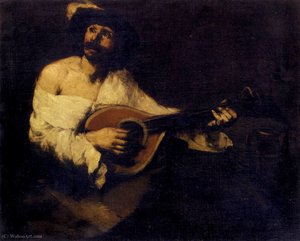
Girl Arranging a Vase of Flowers, The Studious Servant, The Accountant, The Mandolin Player, The Cooks, The Musician, Kitchen Scene, Saint Sébastien martyr, The Deposition from the Cross और Still Life with Jug। ऊपर दी गई रैंकिंग में प्रत्येक का वर्ष और संग्रहालय दिया गया है।

थियोडुल ऑगस्टीन रिबोट ने कितनी पेंटिंगें छोड़ीं?उत्तर देखें

हमारे कैटलॉग में थियोडुल ऑगस्टीन रिबोट की 38 कृतियाँ हैं, जो 1860 से 1885 तक की हैं।

थियोडुल ऑगस्टीन रिबोट की उत्कृष्ट कृतियाँ किन संग्रहालयों में प्रदर्शित हैं?उत्तर देखें

अधिकतर Burrell Collection (ग्लासगो), द एशमोलीन म्यूजियम ऑफ आर्ट एंड आर्कियोलॉजी (ऑक्सफोर्ड) और Musée d'Orsay (पेरिस) में। ऊपर दी गई संग्रहालय तालिका में उन सभी की सूची दी गई है।

थियोडुल ऑगस्टीन रिबोट ने अपने सबसे प्रसिद्ध कार्यों की रचना किन वर्षों में की थी?उत्तर देखें

1860s में: इस पृष्ठ पर मौजूद 36 कृतियों में से 5 उस समय बनाई गई थीं, जिनमें से The Mandolin Player इनमें से हैं।

थियोडुल ऑगस्टीन रिबोट की पहली और आखिरी प्रसिद्ध मूल कृतियाँ कौन सी हैं?उत्तर देखें

इस पृष्ठ पर, सबसे पुरानी कृति Kitchen Scene (1860) है और नवीनतम Still Life with Jug (1885) है।

थियोडुल ऑगस्टीन रिबोट ने सबसे अधिक बार किन विषयों को चुना?उत्तर देखें

इस पृष्ठ पर 36 कृतियों में Life (5), Flowers (3) और Vase (3)

थियोडुल ऑगस्टीन रिबोट ने किस तकनीक का सबसे अधिक उपयोग किया?उत्तर देखें

इस पृष्ठ पर मौजूद 36 कृतियों में से 3 के लिए Oil On Canvas।

थियोडुल ऑगस्टीन रिबोट किस कला आंदोलन (art movement) से संबंधित हैं?उत्तर देखें

इस पृष्ठ पर मूल कृतियों को देखते हुए, Realism।

Burrell Collection में थियोडुल ऑगस्टीन रिबोट की कौन सी कृतियाँ प्रदर्शित हैं?उत्तर देखें

The Accountant और The Musician: Burrell Collection, ग्लासगो में इस पृष्ठ पर मौजूद कृतियों में से 2 मौजूद हैं।

थियोडुल ऑगस्टीन रिबोट: जीवन और कार्य

The Quiet Master of Realism: The Life and Legacy of Théodule Auguste Ribot

Théodule Auguste Ribot stands as a testament to the understated brilliance of French realist painting during the latter half of the nineteenth century. Often overshadowed by his more boisterous contemporaries like Courbet, Ribot’s meticulous observation of everyday life and his masterful manipulation of chiaroscuro secured him a respected place within the artistic landscape of his time. His legacy is one rooted in profound admiration for Baroque masters and characterized by an unwavering commitment to capturing psychological nuance through the lens of truth. Born in 1823 in Saint-Nicolas-de-Azé, France, Ribot’s formative years were marked by practical skills honed alongside artistic inclinations. He began his formal training at the École des Arts et Métiers de Châlons, equipping him with foundational knowledge before relocating to Paris in 1845. Recognizing the necessity of financial stability, he found employment decorating gilded frames for a mirror manufacturer—a role that simultaneously provided income and fostered an acute understanding of visual aesthetics. This early apprenticeship instilled within him a keen eye for detail and color harmony, elements which would later permeate his most celebrated canvases.

A Vision Forged in Light and Labor

Ribot’s artistic journey was not propelled by grand ambitions or revolutionary fervor; rather, it emerged organically from a deep engagement with the natural world and the human condition. His travels to Algeria around 1848 profoundly impacted his sensibilities, fostering an appreciation for dramatic landscapes and informing his stylistic choices regarding light and shadow. Upon returning to Paris in 1851, he continued his artisan’s craft while diligently pursuing painting as a vocation—a dual pursuit that allowed him to sustain himself financially while nurturing a vision focused on the dignity of the common man. His work is defined by a poignant exploration of labor and the quiet moments of existence. Unlike the grand historical narratives favored by many of his era, Ribot found beauty in the mundane and the monumental in the ordinary. His paintings often feature:
  • The Dignity of Labor: Masterful depictions of peasants and workers, such as in 'The Potato Diggers' and 'Vintagers', which offer a soulful glimpse into 19th-century French life.
  • Chiaroscuro Mastery: A sophisticated use of light and dark, reminiscent of the Baroque tradition, to create depth and emotional weight.
  • Narrative Empathy: Works like 'The Good Samaritan' demonstrate his ability to weave profound moral and psychological narratives into simple, realistic scenes.

Historical Significance and Artistic Impact

As a leading figure of the Realism movement, Ribot’s contribution lies in his ability to elevate the everyday to the level of high art without resorting to sentimentality. He avoided the trap of romanticizing poverty, choosing instead to present the textures of life—the grit of soil, the weight of tools, and the weary but resilient expressions of his subjects—with unflinching honesty. This commitment to truthfulness allowed him to capture a specific historical moment in France with a level of intimacy that few others could achieve. Though he may not have sought the loud acclaim of the avant-garde, Ribot’s influence persists through the enduring emotional resonance of his work. He remains a vital link between the dramatic lighting techniques of the past and the social consciousness of modern realism. Today, his paintings serve as evocative windows into a vanished world, reminding us that there is profound beauty to be found in the most humble of human experiences.