मोरिट्ज़ नैर का चित्र

12 सबसे प्रसिद्ध मोरिट्ज़ नैर पेंटिंग्स, जिनमें से प्रत्येक अद्वितीय है

नवमबर 2026 में अपडेट किया गया · हमारे लोकप्रियता स्कोर (प्रत्येक कृति के लिए खोज, विज़िट और ऑर्डर) के आधार पर रैंक किया गया · 12 कृतियाँ मोरिट्ज़ नैर की हमारे कैटलॉग में

संक्षेप में

The left side hall with the Beethoven frieze by Gustav Klimt during the 14th exhibition of the Vienna Secession (1902) वह मोरिट्ज़ नैर की पेंटिंग है जो सबसे अधिक ध्यान आकर्षित करती है; इसका मूल ऑस्ट्रियाई नेशनल लाइब्रेरी, वियना में है। इसके बाद, दृष्टि Gustav Klimt (1905) और Gustav Klimt on Lake Attersee (1904) पर जाती है। हमारे कैटलॉग में मोरिट्ज़ नैर की 12 कृतियों में से, ये 12 सबसे प्रसिद्ध हैं, जिनमें से प्रत्येक को उसके वर्ष, उसके संग्रहालय और उसके चिरस्थायी होने के कारण के साथ एक अद्वितीय मूल कृति के रूप में प्रस्तुत किया गया है।

1859 – 1945, वियना Vienna secession सर्वाधिक कृतियाँ: Wien Museum

गैलरी की दृष्टि से मोरिट्ज़ नैर की शीर्ष 10 पेंटिंग्स

1
The left side hall with the Beethoven frieze by Gustav Klimt during the 14th exhibition of the Vienna Secession (1902) द्वारा मोरिट्ज़ नैर

The left side hall with the Beethoven frieze by Gustav Klimt during the 14th exhibition of the Vienna Secession

Moritz Nähr’s photograph offers an extraordinary glimpse into Gustav Klimt’s monumental painting, “The Left Side Hall with the Beethoven Frieze,” a key work from the 14th exhibition of the Vienna Secession in 1902. More than just a documentation of a single artwork, this image is a frozen moment within a pivotal chapter of Viennese art history – a time when artistic rebellion and intellectual exploration converged to reshape European culture.…

2
Gustav Klimt (1905) द्वारा मोरिट्ज़ नैर

Gustav Klimt

1905 · Gelatin Silver Print

This photographic reproduction captures a moment from a painting by Gustav Klimt. The lens belongs to Moritz Nähr, an Austrian photographer who documented the shifting spirit of Vienna. His camera turned toward the intimate, translating the painter's vision into a monochrome study of light and shadow. The image is dated about 1905.

3
Gustav Klimt on Lake Attersee (1904) द्वारा मोरिट्ज़ नैर

Gustav Klimt on Lake Attersee

1904 · Black and White Photography

This black and white photograph presents a profile view of Gustav Klimt. The subject is positioned in the center of the frame, facing toward the left. He wears a dark suit with a visible fabric weave that catches the light. The lighting is soft and diffused, casting subtle shadows across his facial features and the structure of his clothing. Behind him, the background consists of foliage and trees, rendered in…

4
Gustav Mahler (1907) द्वारा मोरिट्ज़ नैर

Gustav Mahler

1907 · Black and White Photography

The photograph presents a medium shot of Gustav Mahler, captured in 1907 by Moritz Nähr. He is positioned from the waist up, standing against an architectural backdrop characterized by ornate molding and a fireplace mantelpiece. Mahler's posture is upright, with his hands placed on his hips, and his gaze is directed toward his right side. The lighting is diffused, creating an even tone across his facial features without producing harsh…

6
Gustav Klimt, holding a cat in his arm (1911) द्वारा मोरिट्ज़ नैर

Gustav Klimt, holding a cat in his arm

1911 · Black and White Photography · Wien Museum, वियना

This black and white photograph, captured in 1911, presents a centered composition of an elderly man holding a small animal. The subject is positioned against a building facade that provides a structured, rectangular backdrop to the organic forms of the figure. Soft, diffused lighting defines the contours of the man's face and the heavy folds of his robe, creating subtle shadows across the texture of his skin. The image possesses…

7
Gustav Klimt at the age of 55 in front of his studio at Feldmühlgasse 11 in Vienna (1917) द्वारा मोरिट्ज़ नैर

Gustav Klimt at the age of 55 in front of his studio at Feldmühlgasse 11 in Vienna

1917 · Black and White Photography

The photograph, captured in 1917 by Moritz Nähr, presents a formal portrait of Gustav Klimt. He is positioned in the center of the frame, facing the camera directly. The subject is dressed in a dark, three-piece suit featuring thin pinstripes. His posture is relaxed; he leans against a wall, with his right hand resting near his jacket. The lighting is natural and diffused, casting soft shadows across his facial features,…

8
Ludwig Wittgenstein (1929) द्वारा मोरिट्ज़ नैर

Ludwig Wittgenstein

1929 · Black and White Photography

This black and white portrait photograph by Moritz Nähr features the Austro-British philosopher Ludwig Wittgenstein. Captured in 1929, the image presents a frontal view of the subject. The composition centers on the man's face, which occupies a significant portion of the frame. The subject maintains a serious expression directed toward the lens.

मोरिट्ज़ नैर की प्रसिद्ध पेंटिंग्स, संख्या 11 से 12 तक

वे विषय जिन्होंने मोरिट्ज़ नैर का मन मोह लिया

इन मूल कृतियों में बार-बार आने वाले चार विषय, जिनमें से प्रत्येक का सबसे उत्कृष्ट उदाहरण यहाँ प्रस्तुत है।

वे संग्रहालय जहाँ मोरिट्ज़ नैर की मूल कृतियाँ रखी गई हैं

वे 3 संग्रहालय जिनमें इस पृष्ठ की सर्वाधिक पेंटिंग्स मौजूद हैं।

संग्रहालय शहर मोरिट्ज़ नैर की कृतियाँ इस सूची की पेंटिंग्स
Wien Museum, वियनाWien Museum वियना 3 Gustav Klimt, holding a cat in his arm, Gustav Klimt in the garden of his\nstudio, Portrait of Gustav Klimt in profile\nfacing right
ऑस्ट्रियाई नेशनल लाइब्रेरी, वियनाऑस्ट्रियाई नेशनल लाइब्रेरी वियना 1 The left side hall with the Beethoven frieze by Gustav Klimt during the 14th exhibition of the Vienna Secession
स्मिथसोनियन अमेरिकन आर्ट म्यूजियम, वॉशिंगटन डी.सी.स्मिथसोनियन अमेरिकन आर्ट म्यूजियम वॉशिंगटन डी.सी. 1 Gustav Klimt with a cat, photographed by Moriz Nähr in the garden of his studio at Josefstädter Straße 21\n\nFront

दशकों तक मोरिट्ज़ नैर: प्रत्येक के लिए एक अद्वितीय मूल कृति

दशकवार कृतियाँ

उस दशक को चुनें जो उसकी पहचान है और उसकी मूल कृतियाँ देखें।

मोरिट्ज़ नैर की पेंटिंग्स: गैलरी के लिए प्रश्न

मोरिट्ज़ नैर की सबसे प्रसिद्ध कृति कौन सी है?उत्तर देखें

The left side hall with the Beethoven frieze by Gustav Klimt during the 14th exhibition of the Vienna Secession (1902), ऑस्ट्रियाई नेशनल लाइब्रेरी, वियना. इसके बाद Gustav Klimt (1905) और Gustav Klimt on Lake Attersee (1904) आते हैं।

मोरिट्ज़ नैर ने The left side hall with the Beethoven frieze by Gustav Klimt during the 14th exhibition of the Vienna Secession किस उम्र में बनाया था?उत्तर देखें

43 वर्ष की आयु: The left side hall with the Beethoven frieze by Gustav Klimt during the 14th exhibition of the Vienna Secession 1902 का है, और मोरिट्ज़ नैर का जन्म 1859 में हुआ था।

मोरिट्ज़ नैर की कौन सी दस पेंटिंग्स सबसे प्रसिद्ध हैं?उत्तर देखें

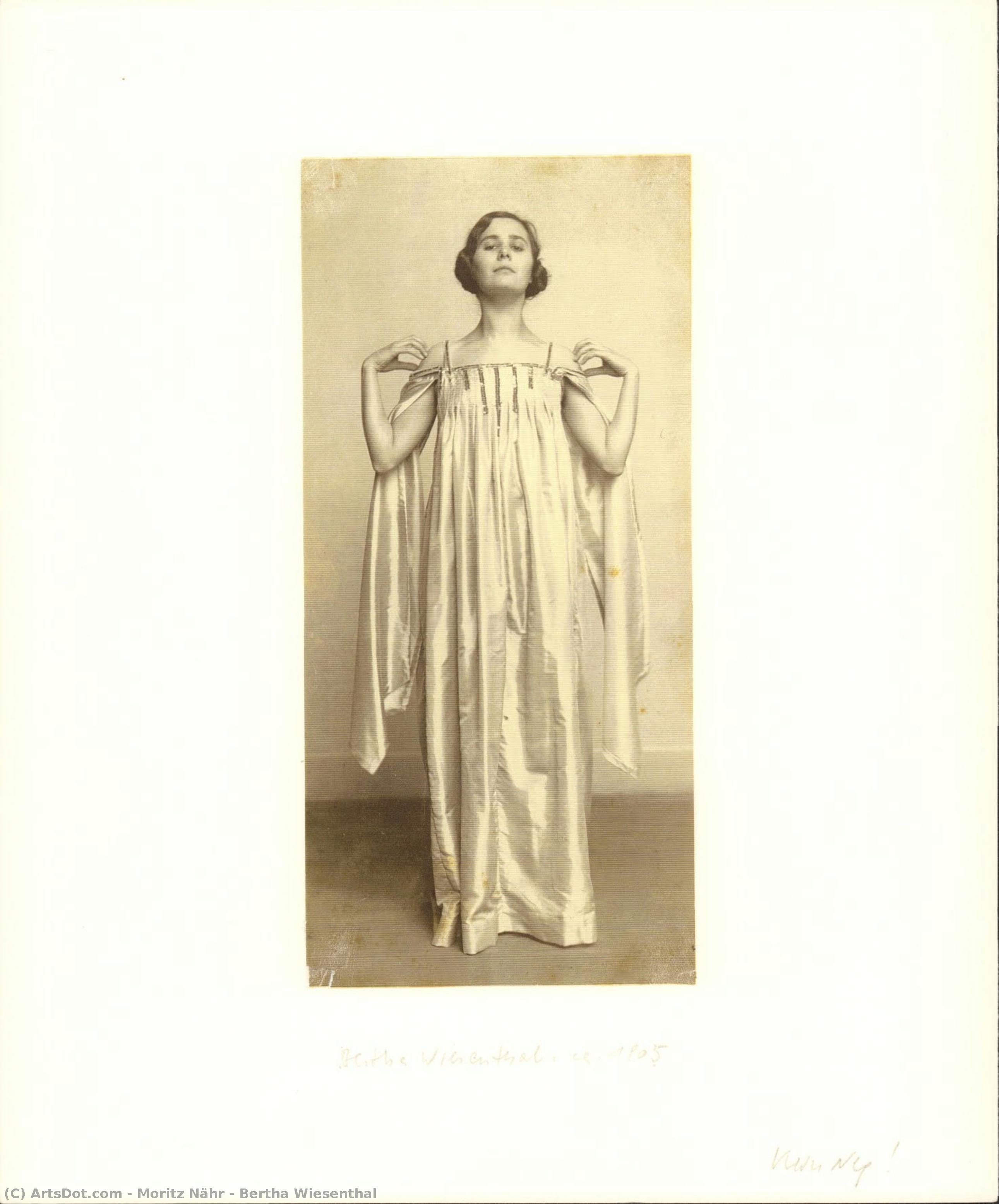
The left side hall with the Beethoven frieze by Gustav Klimt during the 14th exhibition of the Vienna Secession, Gustav Klimt, Gustav Klimt on Lake Attersee, Gustav Mahler, Gustav Klimt with a cat in the garden of his studio at Josefstädter Straße 21, Gustav Klimt, holding a cat in his arm, Gustav Klimt at the age of 55 in front of his studio at Feldmühlgasse 11 in Vienna, Ludwig Wittgenstein, Bertha Wiesenthal और Gustav Klimt with a cat, photographed by Moriz Nähr in the garden of his studio at Josefstädter Straße 21\n\nFront। ऊपर दी गई रैंकिंग में प्रत्येक का वर्ष और संग्रहालय दिया गया है।

मोरिट्ज़ नैर की कितनी कृतियाँ ज्ञात हैं?उत्तर देखें

हमारे कैटलॉग में मोरिट्ज़ नैर की 12 कृतियाँ हैं, जो 1902 से 1929 तक की हैं।

सबसे प्रसिद्ध मोरिट्ज़ नैर मूल कृतियाँ कहाँ देखी जा सकती हैं?उत्तर देखें

अधिकतर Wien Museum (वियना), ऑस्ट्रियाई नेशनल लाइब्रेरी (वियना) और स्मिथसोनियन अमेरिकन आर्ट म्यूजियम (वॉशिंगटन डी.सी.) में। ऊपर दी गई संग्रहालय तालिका में उन सभी की सूची दी गई है।

मोरिट्ज़ नैर ने अपनी सबसे प्रसिद्ध पेंटिंग किस काल के दौरान बनाई थीं?उत्तर देखें

1910s में: इस पृष्ठ पर मौजूद 12 कृतियों में से 6 उस समय बनाई गई थीं, जिनमें से Gustav Klimt with a cat in the garden of his studio at Josefstädter Straße 21 इनमें से हैं।

मोरिट्ज़ नैर की कौन सी प्रसिद्ध पेंटिंग सबसे पुरानी है, और कौन सी सबसे नवीनतम?उत्तर देखें

इस पृष्ठ पर, सबसे पुरानी कृति The left side hall with the Beethoven frieze by Gustav Klimt during the 14th exhibition of the Vienna Secession (1902) है और नवीनतम Ludwig Wittgenstein (1929) है।

मोरिट्ज़ नैर किन विषयों को पसंद करते थे?उत्तर देखें

इस पृष्ठ पर 12 कृतियों में Man (3), Gustav klimt (2) और Black and white (2)

मोरिट्ज़ नैर ने सबसे अधिक किन सामग्रियों से पेंटिंग की?उत्तर देखें

इस पृष्ठ पर मौजूद 12 कृतियों में से 6 के लिए Black and White Photography।

मोरिट्ज़ नैर की कलाकृति किस आंदोलन (movement) से संबंधित है?उत्तर देखें

इस पृष्ठ पर मूल कृतियों को देखते हुए, Vienna secession।

मैं Wien Museum में मोरिट्ज़ नैर की कौन सी मूल कृतियाँ देख सकता हूँ?उत्तर देखें

Gustav Klimt, holding a cat in his arm, Gustav Klimt in the garden of his\nstudio और Portrait of Gustav Klimt in profile\nfacing right: Wien Museum, वियना में इस पृष्ठ पर मौजूद कृतियों में से 3 मौजूद हैं।

मोरिट्ज़ नैर: कलाकार का एक चित्र

एक स्वर्ण युग का लेंस: मोरिट्ज़ नैर का जीवन और विरासत

उन्नीसवीं सदी के ढलते हुए समय में, जब आधुनिकता के बढ़ते बोझ तले अकादमिक परंपराओं की कठोर संरचनाएं टूटने लगी थीं, वियना के हृदय से देखने का एक नया नजरिया उभर कर आया। इस दृश्य क्रांति के केंद्र में मोरिट्ज़ नैर खड़े थे, एक ऐसे कलाकार जिनका कैमरा केवल चेहरों को ही दर्ज नहीं करता था, बल्कि वियना सेसेशन की आत्मा को भी कैद कर लेता था। 1859 में एक वियना के फर्नीचर व्यापारी के घर जन्मे, नैर के पास दृष्टिकोण का एक अनूठा दोहरापन था—उनके पिता जोहान जॉर्ज नैर से विरासत में मिली रूप और सौंदर्यपूर्ण गरिमा की व्यावहारिक समझ, और बोहेमियन अवंत-गार्द के साथ उनका गहरा जुड़ाव। उनका जीवन अपने युग के सांस्कृतिक उथल-पुथल से अटूट रूप से जुड़ा हुआ था, जिसने उन्हें बीसवीं सदी के सबसे प्रभावशाली दिमागों के आंतरिक घेरे में ला खड़ा किया।

नैर की कलात्मक यात्रा उनके बचपन के साझा गलियारों से आकार लेती है, विशेष रूप से बर्नहार्ड स्पेंडेर प्राइवेट स्कूल में बिताया गया उनका समय। यहीं उन्होंने गुस्ताव क्लिंट के साथ एक आजीवन बंधन बनाया, एक ऐसी दोस्ती जो फोटोग्राफी के इतिहास में सबसे महत्वपूर्ण सहयोगों में से एक के रूप में विकसित हुई। जैसे-जैसे क्लिंट ने सेसेशन आंदोलन के माध्यम से कलात्मक जड़ता के खिलाफ मोर्चा संभाला, नैर उसके अनौपचारिक इतिहासकार बन गए। उनके लेंस ने उस युग के भव्य और अक्सर सुनहरे कैनवस के लिए एक महत्वपूर्ण और ईमानदार प्रतिवाद प्रदान किया, जिसके बदले में उन्होंने एक सरल, मोनोक्रोम आत्मीयता पेश की जिसने आधुनिकतावाद के प्रतीकों को मानवीय रूप दिया।

सेसेशन की भावना को कैद करना

मोरिट्ज़ नैर का कार्य पारंपरिक पोर्ट्रेट के दायरे से परे जाकर एक बौद्धिक युग के गहन ऐतिहासिक दस्तावेज के रूप में कार्य करता है। ब्लैक एंड व्हाइट फोटोग्राफी में अपनी महारत के माध्यम से, उन्होंने वियना के दिग्गजों को कैद किया—गुस्ताव मालर की संगीत प्रतिभा से लेकर लुडविग विट्गेन्स्टाइन की दार्शनिक गहराई तक। प्रकाश और छाया के हेरफेर करने की उनकी क्षमता ने उन्हें केवल समानता से आगे बढ़ने और एक मनोवैज्ञानिक सत्य तक पहुँचने की अनुमति दी, जो उनके समकालीनों की प्रयोगात्मक भावना को दर्शाता था। उनके हाथों में, कैमरा अवंत-गार्द का एक उपकरण बन गया, जो न केवल लोगों को, बल्कि परिवर्तनशील दौर से गुजर रहे एक शहर के बदलते 'ज़ेइतगाइस्ट' (युग-चेतना) को भी प्रलेखित करता था।

उनकी कुछ सबसे मर्मस्पर्शी कृतियाँ महानता के निजी क्षणों के झरोखे के रूप में कार्य करती हैं:

  • बीथोवेन फ्रिज़ दस्तावेजीकरण: वियना सेसेशन की 14वीं प्रदर्शनी का उनका लुभावना फोटोग्राफिक रिकॉर्ड, विशेष रूप से क्लिंट के स्मारकीय फ्रिज़ वाला बायां हॉल, वास्तुशिल्प और कलात्मक विजय का एक अनिवार्य संग्रह बना हुआ है।
  • क्लिंट के आत्मीय चित्र: चाहे एट्टरसी झील के तट पर शांत गरिमा के क्षणों में चित्रकार को कैद करना हो या गुस्ताव क्लिंट द्वारा बिल्ली पकड़े जाने की कोमल और अप्रत्याशित संवेदनशीलता, नैर ने मिथक के नीचे छिपे इंसान को उजागर करने के लिए सार्वजनिक व्यक्तित्व को उतार फेंका।

एक स्थायी दृश्य विरासत

मोरिट्ज़ नैर का ऐतिहासिक महत्व मूर्त और क्षणभंगुर के बीच एक सेतु के रूप में उनकी भूमिका में निहित है। जबकि सेसेशन आंदोलन के चित्रों ने अक्सर स्वर्ण पत्र और जटिल पैटर्न के माध्यम से विषयों को अमर बनाने का प्रयास किया, नैर की फोटोग्राफी ने क्षणभंगुर, कच्चे और प्रामाणिक को कैद किया। उन्होंने उन्हीं स्थानों का दस्तावेजीकरण किया जहाँ कला को फिर से परिभाषित किया जा रहा था, यह सुनिश्चित करते हुए कि सेसेशनिस्ट प्रदर्शनियों का वातावरण समय के साथ कभी लुप्त न हो। उनका कार्य उस युग की ललित कलाओं के एक महत्वपूर्ण साथी के रूप में कार्य करता है, जो उन चेहरों और परिवेशों को समझने के लिए आवश्यक संदर्भ प्रदान करता है जिन्होंने आधुनिकतावाद को जन्म दिया।

यद्यपि उनका निधन 1945 में हुआ, जो काफी हद तक उसी युग का अंत था जिसका उन्होंने दस्तावेजीकरण किया था, नैर की विरासत अटूट बनी हुई है। वे एक ऐसे महत्वपूर्ण व्यक्तित्व के रूप में खड़े हैं जिनका कार्य हमें एक ऐसे वियना की यात्रा करने की अनुमति देता है जो तीव्र रचनात्मकता और बौद्धिक साहस से परिभाषित था। उनके सूक्ष्म दृष्टिकोण और पैनी दृष्टि के माध्यम से, अतीत की छायाएं स्पष्ट और स्थायी फोकस में आ जाती हैं, जो हमें याद दिलाती हैं कि कला का वास्तविक सार अक्सर शटर क्लिक के बीच कैद किए गए शांत, बिना पोज़ वाले क्षणों में निवास करता है।