Harry John Johnson का चित्र

22 सबसे प्रसिद्ध Harry John Johnson पेंटिंग्स, एक गैलरी चयन

नवमबर 2026 में अपडेट किया गया · हमारे लोकप्रियता स्कोर (प्रत्येक कृति के लिए खोज, विज़िट और ऑर्डर) के आधार पर रैंक किया गया · 22 कृतियाँ Harry John Johnson की हमारे कैटलॉग में

संक्षेप में

Harry John Johnson द्वारा छोड़ी गई सभी मूल कृतियों में से, सबसे प्रसिद्ध John Ferneley (1838) है, जो लंदन के नेशनल पोर्ट्रेट गैलरी के संग्रह में है। इसके ठीक बाद Upper Section of Great Hall Entrances (1874) और Portrait of David Cox sketching (1844) का स्थान आता है। हमारे कैटलॉग में Harry John Johnson की 22 कृतियाँ हैं; गैलरी ने उन 22 कृतियों को सहेज कर रखा है जिन्हें दुनिया सबसे अधिक पसंद करती है, जिनमें से प्रत्येक को उनकी तिथि, उनके संग्रहालय और उनकी कहानी के साथ प्रदर्शित किया गया है।

1826 – 1884, Birmingham सर्वाधिक कृतियाँ: Alexandra Palace

Harry John Johnson की शीर्ष 10 पेंटिंग: गैलरी का चयन

1
John Ferneley (1838) द्वारा Harry John Johnson

John Ferneley

The year is 1838, and the portrait captures a sense of prestige that feels rooted in the very fabric of the nineteenth century. The subject's expression is one of quiet contemplation, as if he is caught in the middle of a profound thought. The formal nature of his dress and the meticulous rendering of his features suggest a man of standing, someone whose life is defined by the same precision…

2
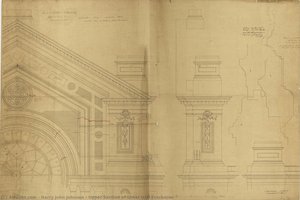
Upper Section of Great Hall Entrances (1874) द्वारा Harry John Johnson

Upper Section of Great Hall Entrances

1874 · Drawing · Alexandra Palace, London

In this exquisite architectural drawing from 1874, we are transported to the heart of London’s architectural splendor. The Upper Section of Great Hall Entrances serves as a breathtaking window into the soul of the Alexandra Palace, capturing a moment when British design reached a pinnacle of monumental ambition. Through the meticulous hand of Harry John Johnson, the viewer is invited to gaze upward at the soaring arches and stately columns…

Harry John Johnson का चयन जारी है, 11 से 22 तक

वे विषय जिन्होंने Harry John Johnson का मन मोह लिया

इन मूल कृतियों में बार-बार आने वाले चार विषय, जिनमें से प्रत्येक का सबसे उत्कृष्ट उदाहरण यहाँ प्रस्तुत है।

वे संग्रहालय जहाँ Harry John Johnson की मूल कृतियाँ रखी गई हैं

वे 3 संग्रहालय जिनमें इस पृष्ठ की सर्वाधिक पेंटिंग्स मौजूद हैं।

संग्रहालय शहर Harry John Johnson की कृतियाँ इस सूची की पेंटिंग्स
Alexandra Palace, LondonAlexandra Palace London 13 Upper Section of Great Hall Entrances, Architectural Details, Elevation of the North Front
बर्मिंघम म्यूज़ियम एंड आर्ट गैलरी, बर्मिंघमबर्मिंघम म्यूज़ियम एंड आर्ट गैलरी बर्मिंघम 2 Portrait of David Cox sketching, Athens
नेशनल पोर्ट्रेट गैलरी, लंदननेशनल पोर्ट्रेट गैलरी लंदन 1 John Ferneley

Harry John Johnson दशक दर दशक: प्रत्येक को परिभाषित करने वाली मूल कृतियाँ

दशकवार कृतियाँ

उस दशक को चुनें जो उसकी पहचान है और उसकी मूल कृतियाँ देखें।

Harry John Johnson की पेंटिंग्स के बारे में संग्रहकर्ताओं के प्रश्न

Harry John Johnson किस कृति के लिए सबसे अधिक प्रसिद्ध हैं?उत्तर देखें

John Ferneley (1838), नेशनल पोर्ट्रेट गैलरी, लंदन. इसके बाद Upper Section of Great Hall Entrances (1874) और Portrait of David Cox sketching (1844) आते हैं।

John Ferneley के निर्माण के समय Harry John Johnson की आयु क्या थी?उत्तर देखें

12 वर्ष की आयु: John Ferneley 1838 का है, और Harry John Johnson का जन्म 1826 में हुआ था।

Harry John Johnson की दस सबसे प्रसिद्ध पेंटिंग्स कौन सी हैं?उत्तर देखें

John Ferneley, Upper Section of Great Hall Entrances, Portrait of David Cox sketching, Architectural Details, Elevation of the North Front, Elevations of Front of Conservatory, Elevation of Fronts and Great Hall Cross Section, Elevation of the South Front, Drawing of Great Hall Entrance और South Elevation of Refreshment Wing। ऊपर दी गई रैंकिंग में प्रत्येक का वर्ष और संग्रहालय दिया गया है।

Harry John Johnson ने कितनी पेंटिंगें छोड़ीं?उत्तर देखें

हमारे कैटलॉग में Harry John Johnson की 22 कृतियाँ हैं, जो 1838 से 1874 तक की हैं।

Harry John Johnson की उत्कृष्ट कृतियाँ किन संग्रहालयों में प्रदर्शित हैं?उत्तर देखें

अधिकतर Alexandra Palace (London), बर्मिंघम म्यूज़ियम एंड आर्ट गैलरी (बर्मिंघम) और नेशनल पोर्ट्रेट गैलरी (लंदन) में। ऊपर दी गई संग्रहालय तालिका में उन सभी की सूची दी गई है।

Harry John Johnson ने अपने सबसे प्रसिद्ध कार्यों की रचना किन वर्षों में की थी?उत्तर देखें

1870s में: इस पृष्ठ पर मौजूद 22 कृतियों में से 13 उस समय बनाई गई थीं, जिनमें से Upper Section of Great Hall Entrances इनमें से हैं।

Harry John Johnson की पहली और आखिरी प्रसिद्ध मूल कृतियाँ कौन सी हैं?उत्तर देखें

इस पृष्ठ पर, सबसे पुरानी कृति John Ferneley (1838) है और नवीनतम Upper Section of Great Hall Entrances (1874) है।

Harry John Johnson ने सबसे अधिक बार किन विषयों को चुना?उत्तर देखें

इस पृष्ठ पर 22 कृतियों में Architecture (3), Victorian era (3) और Building design (2)

Alexandra Palace में Harry John Johnson की कौन सी कृतियाँ प्रदर्शित हैं?उत्तर देखें

Upper Section of Great Hall Entrances, Architectural Details और Elevation of the North Front: Alexandra Palace, London में इस पृष्ठ पर मौजूद कृतियों में से 13 मौजूद हैं।

Harry John Johnson: जीवन और कार्य

A Visionary of the Victorian Line: The Life and Legacy of Harry John Johnson

In the heart of the industrial revolution, amidst the soot and soaring ambition of Birmingham, lived a man whose pen captured the very soul of British architectural grandeur. Harry John Johnson (1826–1884) was not merely a draftsman; he was a chronicler of an era defined by its unyielding pursuit of precision and monumental scale. Born in 1826, Johnson emerged from the rigorous academic environment of the King Edward VI Grammar School, where he first mastered the mathematical foundations that would later allow him to translate complex structural engineering into delicate, breathtaking art. His intellectual journey took a unique turn at Harris Manchester College, Oxford, where his studies in theology provided a contemplative depth to his observational skills, fostering a reverence for the permanence and dignity of the structures he so meticulously documented.

Johnson’s artistry flourished within the specialized realm of architectural draughtsmanship, a discipline that demanded both technical perfection and an aesthetic eye for proportion. Serving the Birmingham Philosophical Society, he became a vital link between the conceptual blueprints of architects and the visual realization of their dreams. His work was characterized by an extraordinary command of pen and ink, a medium that allowed him to navigate the intricate shadows and sharp edges of Victorian masonry with unparalleled clarity. Through his hands, the heavy stone and iron of the nineteenth century were transformed into elegant compositions of light and line, capturing the rhythmic beauty of classical facades and the structural ingenuity of new engineering marvels.

Masterpieces of Precision and Architectural Detail

The true brilliance of Johnson’s oeuvre lies in his ability to freeze a moment of architectural triumph in time. His drawings serve as historical windows, offering us a glimpse into the splendor of structures that defined the Victorian landscape. One cannot discuss his contributions without reflecting on his celebrated works from 1874, a period where his technical mastery reached its zenith. His elevations of the South Facade Architectural Details and the South Elevation of the Refreshment Wing at Alexandra Palace stand as testament to his ability to render the monumental with an intimate touch. In these pieces, every cornice, column, and ornamental flourish is rendered with such fidelity that one can almost feel the weight of the stone and the grandeur of the palace's design.

Beyond the grand palaces, Johnson possessed a remarkable talent for capturing the delicate intersection of nature and engineering. His Elevations of Front of Conservatory showcases his ability to document the intricate glasswork and iron frameworks that were becoming hallmarks of Victorian leisure architecture. This work highlights a significant aspect of his development: the transition from purely structural documentation to an art form that celebrates the aesthetic harmony of the built environment. His legacy is defined by these specific achievements:

  • Technical Mastery: The use of fine pen and ink to achieve high-contrast shadows and intricate textures in classical masonry.
  • Historical Documentation: Providing irreplaceable visual records of iconic British landmarks like Alexandra Palace during their period of greatest significance.
  • Architectural Sensitivity: A unique ability to balance the rigid requirements of engineering accuracy with the fluid beauty of artistic composition.

Ultimately, Harry John Johnson remains a vital figure for those who appreciate the intersection of art and industry. While his name may not occupy the same spotlight as the great landscape painters of his age, his contribution to the visual history of Britain is profound. He captured the structural heartbeat of a nation in transition, leaving behind a collection of works that continue to inspire awe through their meticulous detail and their enduring celebration of Victorian architectural elegance.