


1


नवमबर 2026 में अपडेट किया गया · हमारे लोकप्रियता स्कोर (प्रत्येक कृति के लिए खोज, विज़िट और ऑर्डर) के आधार पर रैंक किया गया · 44 कृतियाँ Antonio Bellucci की हमारे कैटलॉग में
संक्षेप में
Judith and Holofernes (1680) वह Antonio Bellucci की पेंटिंग है जो सबसे अधिक ध्यान आकर्षित करती है। इसके बाद, दृष्टि Elector Johann Wilhelm Hands Over the Command Baton (1690) और Genius with Yoke (1690) पर जाती है। हमारे कैटलॉग में Antonio Bellucci की 44 कृतियों में से, ये 43 सबसे प्रसिद्ध हैं, जिनमें से प्रत्येक को उसके वर्ष, उसके संग्रहालय और उसके चिरस्थायी होने के कारण के साथ एक अद्वितीय मूल कृति के रूप में प्रस्तुत किया गया है।


 Minerva Accompanied by Hymen1690 · Bavarian State Painting Collections
12
 Judgment of Paris1690 · Bavarian State Painting Collections
13
 Homage to Art (Ceiling Painting)1690 · Bavarian State Painting Collections
14
 Gifts of Fortune (Ceiling Painting)1690 · Bavarian State Painting Collections
15
 Time Brings Truth to Light and Overthrows Vice1690 · Bavarian State Painting Collections
16
 Danae on the Raft1690 · Bavarian State Painting Collections
17
 Allegory of the Young Ruler (Ceiling Painting)1690 · Bavarian State Painting Collections
18
 Allegory of Ruler Life (Ceiling Painting)1690 · Bavarian State Painting Collections
19
 Allegory of Science1690 · Bavarian State Painting Collections
20
 Allegory of the Glory of War1690 · Bavarian State Painting Collections
21
 Wedding of Elector Johann Wilhelm von der Pfalz1690 · Bavarian State Painting Collections
22
 Genius with Dove1690 · Bavarian State Painting Collections
23
 Peace and Justice1690 · Bavarian State Painting Collections
24
 Allegory of Land Fertility1690 · Bavarian State Painting Collections
25
 Allegory of Art1690 · Bavarian State Painting Collections
26
 Cupid and Psyche1690 · Bavarian State Painting Collections
27
 Danae1690 · Bavarian State Painting Collections
28
 Reverence to Elector Johann Wilhelm von der Pfalz – Design for a Ceiling Painting for Bensberg Castl...1708 · Museum Kunstpalast
29
 Portrait of a Procurator1685
30
 Danaë1700 · Szépművészeti Múzeum
31
 Cimon and Pero (Roman Charity)1685 · Kunsthalle Bremen
32
 The Adoration of the Magiम्यूजियम ऑफ फाइन आर्ट्स
33
 Discovery of the Infant Mosesहार्वर्ड कला संग्रहालय
34
 Minerva, Mercury and Plutus pay homage to the Princess Anna Maria Luisa de 'Medici
35
 St sebastianDulwich Picture Gallery
36
 अंथियोकस और स्ट्रैटोनिकस (विवरण)1700 · Staatliche Museen
37
 The Family of Darius before Alexander the Greatद एशमोलीन म्यूजियम ऑफ आर्ट एंड आर्कियोलॉजी
38
 Self portrait1684 · द एशमोलीन म्यूजियम ऑफ आर्ट एंड आर्कियोलॉजी
39
 Bacchus and Ariane
40
 Love jealous of FidelityMusée des Beaux-Arts de Bordeaux
41
 Rinaldo and ArmidaGalerie Nationale de Slovénie
42
 हेर्क्यूलेज़ ओम्फैले के महल में1698 · Ca' Zenobio
43
 अंतीऑक्स और स्ट्रैटोनिक1700 · Staatliche Museen
इन मूल कृतियों में बार-बार आने वाले चार विषय, जिनमें से प्रत्येक का सबसे उत्कृष्ट उदाहरण यहाँ प्रस्तुत है।
वे 8 संग्रहालय जिनमें इस पृष्ठ की सर्वाधिक पेंटिंग्स मौजूद हैं।
| संग्रहालय | शहर | Antonio Bellucci की कृतियाँ | इस सूची की पेंटिंग्स |
|---|---|---|---|
 Bavarian State Painting Collections |
म्यूनिख | 26 | Elector Johann Wilhelm Hands Over the Command Baton, Genius with Yoke, Allegory of the Successful Ruler (Ceiling Painting) |
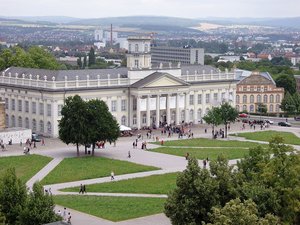 Staatliche Museen |
कासेल | 2 | अंथियोकस और स्ट्रैटोनिकस (विवरण), अंतीऑक्स और स्ट्रैटोनिक |
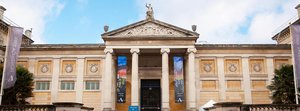 द एशमोलीन म्यूजियम ऑफ आर्ट एंड आर्कियोलॉजी |
ऑक्सफोर्ड | 2 | The Family of Darius before Alexander the Great, Self portrait |
 Museum Kunstpalast |
डसेलडोर्फ़ | 1 | Reverence to Elector Johann Wilhelm von der Pfalz – Design for a Ceiling Painting for Bensberg Castl... |
 Szépművészeti Múzeum |
बुडापेस्ट | 1 | Danaë |
 Kunsthalle Bremen |
ब्रेमेन | 1 | Cimon and Pero (Roman Charity) |
 म्यूजियम ऑफ फाइन आर्ट्स |
ह्यूस्टन | 1 | The Adoration of the Magi |
 हार्वर्ड कला संग्रहालय |
कैम्ब्रिज | 1 | Discovery of the Infant Moses |
उस दशक को चुनें जो उसकी पहचान है और उसकी मूल कृतियाँ देखें।

Judith and Holofernes (1680)। इसके बाद Elector Johann Wilhelm Hands Over the Command Baton (1690) और Genius with Yoke (1690) आते हैं।
26 वर्ष की आयु: Judith and Holofernes 1680 का है, और Antonio Bellucci का जन्म 1654 में हुआ था।
Judith and Holofernes, Elector Johann Wilhelm Hands Over the Command Baton, Genius with Yoke, Allegory of the Successful Ruler (Ceiling Painting), Allegory of Astronomy, Allegory of the Bedchamber of Elector Johann Wilhelm, Two Genii on a Column Shaft, Allegory of Music, Thanksgiving for Successes (Ceiling Painting) और Two Genii with Hen। ऊपर दी गई रैंकिंग में प्रत्येक का वर्ष और संग्रहालय दिया गया है।
हमारे कैटलॉग में Antonio Bellucci की 44 कृतियाँ हैं, जो 1680 से 1708 तक की हैं।
अधिकतर Bavarian State Painting Collections (म्यूनिख), Staatliche Museen (कासेल) और द एशमोलीन म्यूजियम ऑफ आर्ट एंड आर्कियोलॉजी (ऑक्सफोर्ड) में। ऊपर दी गई संग्रहालय तालिका में उन सभी की सूची दी गई है।
1690s में: इस पृष्ठ पर मौजूद 43 कृतियों में से 27 उस समय बनाई गई थीं, जिनमें से Elector Johann Wilhelm Hands Over the Command Baton इनमें से हैं।
इस पृष्ठ पर, सबसे पुरानी कृति Judith and Holofernes (1680) है और नवीनतम Reverence to Elector Johann Wilhelm von der Pfalz – Design for a Ceiling Painting for Bensberg Castl... (1708) है।
इस पृष्ठ पर 43 कृतियों में Mythology (3), Allegory (3) और Opulence (2)
इस पृष्ठ पर मौजूद 43 कृतियों में से 4 के लिए Oil On Canvas।
इस पृष्ठ पर मूल कृतियों को देखते हुए, Baroque।
Elector Johann Wilhelm Hands Over the Command Baton, Genius with Yoke और Allegory of the Successful Ruler (Ceiling Painting): Bavarian State Painting Collections, म्यूनिख में इस पृष्ठ पर मौजूद कृतियों में से 26 मौजूद हैं।
Antonio Bellucci stands as a luminous figure within the Venetian artistic tradition, a master whose brush captured the transition from the dramatic intensity of the Baroque to the airy elegance of the Rococo. Born in 1654 in Pieve di Soligo, Italy, Bellucci’s early training under Domenico Difnico in Sebénico provided him with a rigorous foundation in classical principles. However, it was his arrival in Venice that truly ignited his creative spirit. By 1675, he was already making significant contributions to the city's sacred spaces, most notably through his monumental frescoes for San Pietro di Castello. In these works, depicting Saint Lorenzo Giustiniani’s fervent prayers during the plague of 1447, Bellucci demonstrated an extraordinary ability to weave together religious devotion and human emotion, creating a sense of divine drama that resonated deeply with the Venetian public.
His talent was not confined to the spiritual realm; Bellucci possessed a versatile mastery over various genres, from the intimate tenderness of nativity scenes for the church of Ascension to the sweeping narratives of classical mythology. A defining characteristic of his development was his collaborative spirit. He worked in close harmony with the landscape painter Antonio Tempesta, where Bellucci’s skill in rendering human figures breathed life and narrative complexity into Tempesta's expansive vistas. This synergy between figure and landscape became a hallmark of his maturing style, blending movement and grace with structural depth.
As his reputation grew, Bellucci’s ambitions carried him far beyond the borders of the Venetian Republic, leading him to the heart of European power. His periods in Vienna during the late seventeenth and early eighteenth centuries marked a pinnacle in his career, as he secured the prestigious patronage of the Habsburg court. Under the gaze of Emperor Charles VI, Bellucci undertook monumental projects that showcased his technical prowess on an imperial scale. The four altarpieces he created for Klosterneuburg serve as enduring testaments to his ability to command large-scale religious compositions with both majesty and clarity.
The zenith of his architectural painting is perhaps best exemplified by the breathtaking ceiling frescoes at Palais Liechtenstein. In depicting the Triumph of Hercules, Bellucci utilized the grand manner to create an immersive experience, where mythological heroism meets the sophisticated aesthetics of the burgeoning Rococo era. This ability to synthesize classical grandeur with a lighter, more decorative touch allowed him to navigate the changing tastes of the European aristocracy with ease.
Beyond his individual achievements, Bellucci’s historical significance is cemented by his role as a mentor and an influential force in the lineage of Italian art. Through his instruction of talented students such as Antonio Balestra and potentially Jacopo Amigoni, he ensured that the sophisticated techniques of the Venetian school would endure and evolve. His legacy remains etched in the ceilings of palaces and the altars of cathedrals, representing a period of unparalleled artistic splendor where light, movement, and myth converged to celebrate the human and the divine.