अलेक्जेंड्रे डी रिकर का चित्र

38 सबसे प्रसिद्ध अलेक्जेंड्रे डी रिकर पेंटिंग्स, जिनमें से प्रत्येक अद्वितीय है

नवमबर 2026 में अपडेट किया गया · हमारे लोकप्रियता स्कोर (प्रत्येक कृति के लिए खोज, विज़िट और ऑर्डर) के आधार पर रैंक किया गया · 38 कृतियाँ अलेक्जेंड्रे डी रिकर की हमारे कैटलॉग में

संक्षेप में

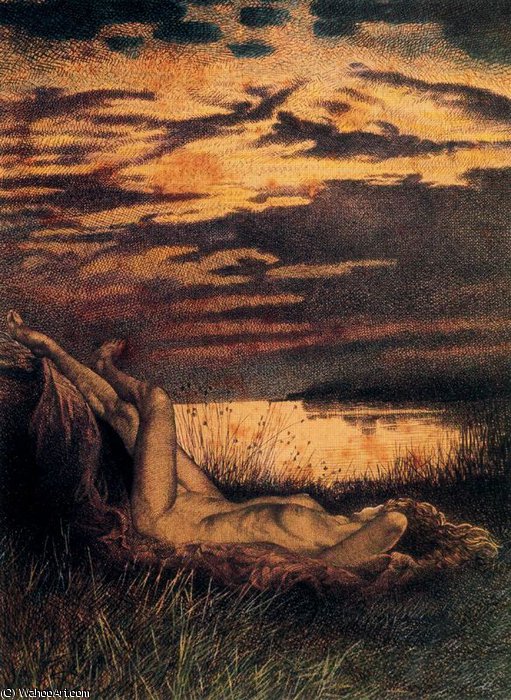
Composition with Winged Nymph Blowing Amongst Reeds (1887) वह अलेक्जेंड्रे डी रिकर की पेंटिंग है जो सबसे अधिक ध्यान आकर्षित करती है; इसका मूल Museu Nacional d'Art de Catalunya, बार्सिलोना में है। इसके बाद, दृष्टि Composition with winged nymph at sunrise (1887) और Untitled (970) पर जाती है। हमारे कैटलॉग में अलेक्जेंड्रे डी रिकर की 38 कृतियों में से, ये 38 सबसे प्रसिद्ध हैं, जिनमें से प्रत्येक को उसके वर्ष, उसके संग्रहालय और उसके चिरस्थायी होने के कारण के साथ एक अद्वितीय मूल कृति के रूप में प्रस्तुत किया गया है।

1856 – 1920, कलाफ़ सर्वाधिक कृतियाँ: Museu Nacional d'Art de Catalunya

गैलरी की दृष्टि से अलेक्जेंड्रे डी रिकर की शीर्ष 10 पेंटिंग्स

3
Untitled (970) द्वारा अलेक्जेंड्रे डी रिकर

Untitled (970)

Painting

Three women stand anchored beneath the sprawling canopy of a tree. The branches reach out like fingers, carving deep shadows and layers of dimension against the light. One woman wears a dress of pure white, another a garment of deep black, and the third is draped in earthy brown. They exist in a quiet stillness, gathered in the shade of the wood. The tree provides a heavy, textured ceiling for…

6
Untitled (493) द्वारा अलेक्जेंड्रे डी रिकर

Untitled (493)

Painting

In this painting, titled Untitled (493), Alexandre de Riquer presents a quiet, contemplative scene. The subject is a woman seated upon the ground with her legs crossed, appearing lost in a moment of stillness. She is depicted with long hair and wears a dress that settles around her as she rests. This central figure is enveloped by a lush arrangement of greenery, with various potted plants placed throughout the composition.…

7
Untitled (435) द्वारा अलेक्जेंड्रे डी रिकर

Untitled (435)

The scene unfolds through the vision of Alexandre de Riquer, a man whose creative spirit emerged from the heart of Catalonia, Spain. Born in 1856, he carries the essence of his Mediterranean roots into every stroke of his brush. This work, titled Untitled (435), captures a moment of quiet discovery within a rugged landscape. One wonders what drew the artist to this specific coastal vista, where the earth meets the…

8
Untitled (715) द्वारा अलेक्जेंड्रे डी रिकर

Untitled (715)

Painting

Untitled (715) is a painting by the artist Alexandre de Riquer. The work features a woman positioned on the ground with her legs crossed. She wears a dress, and a butterfly rests on her right shoulder. The scene includes two birds, one in the upper left corner and another toward the bottom right, alongside a vase placed near the woman's legs.

अलेक्जेंड्रे डी रिकर की प्रसिद्ध पेंटिंग्स, संख्या 11 से 38 तक

अलेक्जेंड्रे डी रिकर की प्रसिद्ध पेंटिंग्स, कालखंड के अनुसार

Mature Period

3 कृतियाँ इस सूची में

Late Medieval

3 कृतियाँ इस सूची में

वे विषय जिन्होंने अलेक्जेंड्रे डी रिकर का मन मोह लिया

इन मूल कृतियों में बार-बार आने वाले चार विषय, जिनमें से प्रत्येक का सबसे उत्कृष्ट उदाहरण यहाँ प्रस्तुत है।

वे संग्रहालय जहाँ अलेक्जेंड्रे डी रिकर की मूल कृतियाँ रखी गई हैं

वे 2 संग्रहालय जिनमें इस पृष्ठ की सर्वाधिक पेंटिंग्स मौजूद हैं।

संग्रहालय शहर अलेक्जेंड्रे डी रिकर की कृतियाँ इस सूची की पेंटिंग्स
Museu Nacional d'Art de Catalunya, बार्सिलोनाMuseu Nacional d'Art de Catalunya बार्सिलोना 2 Composition with Winged Nymph Blowing Amongst Reeds, Composition with winged nymph at sunrise
Biblioteca Museu Víctor Balaguer, विलाडेकन्सBiblioteca Museu Víctor Balaguer विलाडेकन्स 1 Untitled (607)

वर्षों के दौरान अलेक्जेंड्रे डी रिकर: प्रत्येक की अनूठी मूल कृतियाँ

यहाँ दिखाए गए अलेक्जेंड्रे डी रिकर के सभी मूल कार्य एक ही वर्ष, 1887 के हैं: इन्हें प्रसिद्धि के क्रम में प्रदर्शित किया गया है।

वर्षानुसार कृतियाँ

मूल कृतियों को देखने के लिए एक वर्ष चुनें।

अलेक्जेंड्रे डी रिकर की पेंटिंग्स: गैलरी के लिए प्रश्न

अलेक्जेंड्रे डी रिकर की सबसे प्रसिद्ध कृति कौन सी है?उत्तर देखें

Composition with Winged Nymph Blowing Amongst Reeds (1887), Museu Nacional d'Art de Catalunya, बार्सिलोना. इसके बाद Composition with winged nymph at sunrise (1887) और Untitled (970) आते हैं।

अलेक्जेंड्रे डी रिकर ने Composition with Winged Nymph Blowing Amongst Reeds किस उम्र में बनाया था?उत्तर देखें

31 वर्ष की आयु: Composition with Winged Nymph Blowing Amongst Reeds 1887 का है, और अलेक्जेंड्रे डी रिकर का जन्म 1856 में हुआ था।

अलेक्जेंड्रे डी रिकर की कौन सी दस पेंटिंग्स सबसे प्रसिद्ध हैं?उत्तर देखें

Composition with Winged Nymph Blowing Amongst Reeds, Composition with winged nymph at sunrise, Untitled (970), Untitled (985), Untitled (176), Untitled (493), Untitled (435), Untitled (715), Untitled (540) और Untitled (413)। ऊपर दी गई रैंकिंग में प्रत्येक का वर्ष और संग्रहालय दिया गया है।

अलेक्जेंड्रे डी रिकर की कितनी कृतियाँ ज्ञात हैं?उत्तर देखें

हमारे कैटलॉग में अलेक्जेंड्रे डी रिकर की 38 कृतियाँ उपलब्ध हैं।

सबसे प्रसिद्ध अलेक्जेंड्रे डी रिकर मूल कृतियाँ कहाँ देखी जा सकती हैं?उत्तर देखें

अधिकतर Museu Nacional d'Art de Catalunya (बार्सिलोना) और Biblioteca Museu Víctor Balaguer (विलाडेकन्स) में। ऊपर दी गई संग्रहालय तालिका में उन सभी की सूची दी गई है।

अलेक्जेंड्रे डी रिकर ने अपनी सबसे प्रसिद्ध पेंटिंग किस काल के दौरान बनाई थीं?उत्तर देखें

1887 में: इस पृष्ठ पर मौजूद 38 कृतियों में से 2 उस समय बनाई गई थीं, जिनमें से Composition with Winged Nymph Blowing Amongst Reeds इनमें से हैं।

अलेक्जेंड्रे डी रिकर किन विषयों को पसंद करते थे?उत्तर देखें

इस पृष्ठ पर 38 कृतियों में Woman (5), Water (3) और Birds (3)

अलेक्जेंड्रे डी रिकर ने सबसे अधिक किन सामग्रियों से पेंटिंग की?उत्तर देखें

इस पृष्ठ पर मौजूद 38 कृतियों में से 4 के लिए Painting।

मैं Museu Nacional d'Art de Catalunya में अलेक्जेंड्रे डी रिकर की कौन सी मूल कृतियाँ देख सकता हूँ?उत्तर देखें

Composition with Winged Nymph Blowing Amongst Reeds और Composition with winged nymph at sunrise: Museu Nacional d'Art de Catalunya, बार्सिलोना में इस पृष्ठ पर मौजूद कृतियों में से 2 मौजूद हैं।

अलेक्जेंड्रे डी रिकर: कलाकार का एक चित्र

A Life Woven in Art and Intellect

Alexandre de Riquer i Ynglada, 7th Count of Casa Dávalos, was more than just an artist; he embodied a confluence of aristocratic lineage, intellectual curiosity, and artistic innovation that defined the Catalan Modernisme movement. Born in Calaf, Catalonia, in 1856, his life unfolded against a backdrop of political tension – his father, Martí de Riquer, being a prominent Carlist leader – yet was simultaneously nurtured by a mother, Elisea Ynglada, who fostered a deep appreciation for art and literature within the family. This duality shaped Riquer’s path, imbuing him with both a sense of tradition and a restless desire to forge new artistic expressions. His early education in France, first in Béziers and later at the School of Fine Arts in Toulouse, provided a foundational grounding in French artistic traditions, but it was his return to Barcelona and studies at La Llotja that truly ignited his creative spirit under the mentorship of figures like Tomas Padro, Claudi Lorenzale, and particularly Antoni Caba.

The Blossoming of a Multifaceted Talent

Riquer’s artistic journey wasn't confined to a single medium; it was characterized by an extraordinary versatility. He didn’t simply paint or illustrate – he designed jewelry, created decorative programs for events, embellished furniture, and even ventured into ceramic painting. This expansive approach stemmed from a belief in the interconnectedness of art forms and a desire to elevate the aesthetic quality of everyday life. His initial foray into the professional world came through collaboration with Apel·les Mestres, contributing ornamental lettering and cover illustrations that marked the beginning of his prolific career. However, it was a pivotal trip to London in 1894 that irrevocably altered the course of his artistic development. Encountering the Pre-Raphaelites sparked a profound shift in his style, introducing him to a world of romantic narratives, meticulous detail, and symbolic depth. Simultaneously, he became captivated by Japanese art and the burgeoning field of modern poster design, viewing both as avenues for revitalizing graphic arts and imbuing them with new artistic significance. He saw these influences not merely as stylistic choices but as part of a larger “missionary undertaking” to elevate the aesthetic standards of visual communication.

A Master of Graphic Design and Beyond

The sheer breadth of Riquer’s output is astonishing. He produced an extensive body of work encompassing posters, etchings, illustrations for books and magazines, certificates, postcards, stamps, menus, sheet music, business cards, and exquisitely crafted bookplates – over 142 documented articles between 1900 and 1924 alone attest to his relentless creativity. His posters, in particular, garnered international recognition, with two featured in the prestigious collection *Les Maîtres de l'Affiche*, solidifying his reputation as a leading figure in poster art. But Riquer’s talents extended beyond the purely visual realm; he was also a gifted writer and poet, contributing to literary publications and demonstrating a remarkable ability to seamlessly blend artistic disciplines. His work *Los Estudiants de Tolosa* (1886), for example, showcases his lyrical sensibility and deep connection to Catalan folklore. He wasn’t simply illustrating stories; he was actively shaping the cultural narrative of Catalonia through both image and word.

Legacy and Enduring Influence

Alexandre de Riquer's contributions were integral to defining the aesthetic and intellectual character of Modernisme in Catalonia, a movement that sought to reclaim and celebrate Catalan identity during a period of significant social and political change. His ability to synthesize diverse influences – from Pre-Raphaelite romanticism and Japanese aesthetics to Art Nouveau’s flowing lines and symbolic imagery – resulted in a uniquely personal style that resonated deeply with his contemporaries. Following his death in 1920, his extensive library and collections were thoughtfully acquired by the Barcelona Museums and the National Library of Catalonia, ensuring the preservation of his legacy for generations to come. Riquer’s work continues to inspire artists and designers today, serving as a testament to the power of artistic versatility, intellectual curiosity, and a unwavering commitment to cultural expression. He remains a pivotal figure in Catalan art history, a symbol of an era when art was not merely decoration but a powerful force for social and cultural renewal. His influence can still be felt in contemporary design and illustration, reminding us of the enduring beauty and relevance of his artistic vision.