The Elemental Power of Charcoal: An Introduction to the Medium
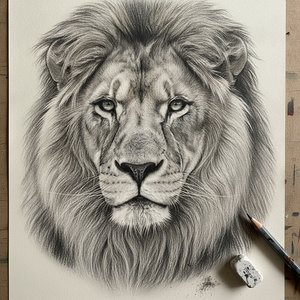
There is an almost mystical gravity to charcoal, a weight that settles upon the artist the moment the first charred mark meets the paper. To work with charcoal is to engage in one of the most ancient and primal forms of human expression, tracing our lineage back to the soot-stained walls of prehistoric caves. It is a medium of elemental contrast, dealing fundamentally with the extremes of creation: the deep, velvety void of black against the stark, unblemated light of the page. For the aspiring student, understanding charcoal requires more than just technical proficiency; it requires an appreciation for its visceral nature. Unlike the controlled, precise lines of graphite, charcoal possesses a certain unruly freedom. It is ephemeral, easily smudged, and deeply reactive to the touch, demanding that the artist embrace a certain level of beautiful chaos in the pursuit of depth and form.
Curating Your Kit: Essential Tools and Materials for the Aspiring Artist
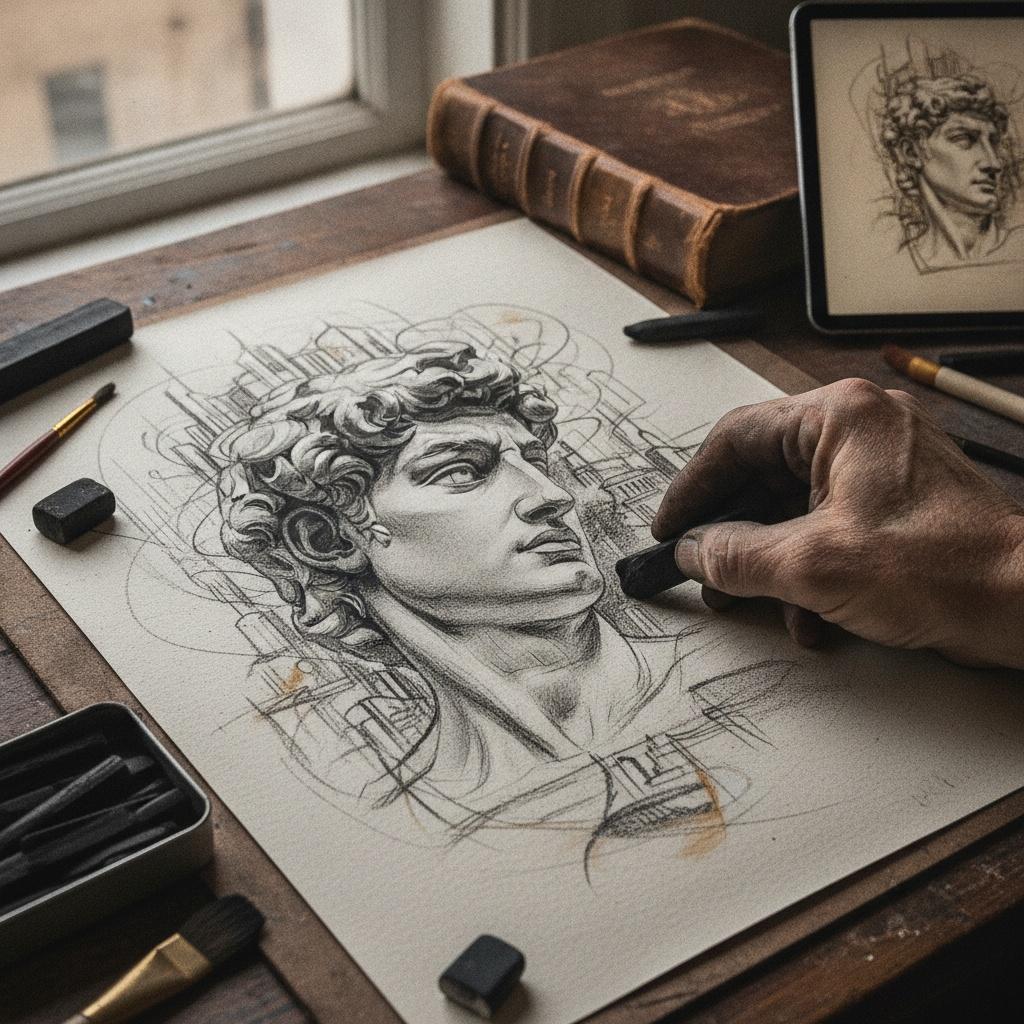
Before one can master the shadows, one must understand the arsenal available. The modern charcoal kit is a study in varying densities and textures. At the heart of this collection lies Willow or Vine charcoal, produced by lightly charring wooden sticks in a kiln. These are incredibly delicate and easy to erase, making them perfect for the initial, ghostly sketches that establish composition. In contrast, we find Compressed charcoal, which is held together with a binder to create a much darker, more permanent, and intensely black mark. For the student seeking fine detail, charcoal pencils offer a way to harness this intensity within a controlled tip. However, the medium is only as good as its substrate. A smooth Bristol paper will allow for seamless blending, while a heavily textured tooth on rag or archival paper will catch more dust, allowing for the build-up of rich, atmospheric layers. To complete the kit, one must never overlook the necessity of a fixative, the essential guardian that prevents your hard-won shadows from drifting into a mere smudge of grey dust.
Foundational Techniques: Mastering Marks, Lines, and Blending
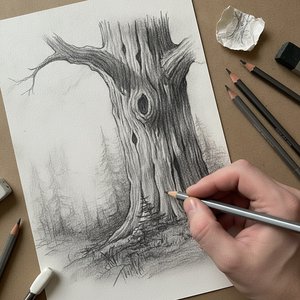
The transition from simple sketching to true artistry lies in the mastery of the mark. Every stroke is an opportunity to define volume. A student must learn that charcoal drawing is as much about manipulation as it is about application. One begins with the mark—a line, a dot, or a sweep—but then moves into the realm of blending. Using fingers, paper stumps, or even soft brushes, the artist can soften the edges of a shadow, creating a gradient that mimics the subtle fall of light across a human cheek or a draped cloth. This process of softening and layering is where the illusion of three-dimensionality is born. Yet, there is a secondary, equally vital technique: the subtractive method. By using a kneaded eraser to lift pigment away from the paper, the artist can "draw" with light, carving highlights out of the darkness. This rhythmic dance between adding carbon and removing it is what gives charcoal its unique, sculptural quality.
The Art of Contrast: Implementing Chiaroscuro for Dramatic Depth
To reach the pinnacle of charcoal mastery, one must study the masters of Chiaroscuro. This technique, famously perfected by luminaries such as Caravaggio and Georges de La Tour, utilizes extreme contrasts between light and dark to achieve a sense of profound drama and psychological depth. In a charcoal composition, Chiaroscuro is not merely about making things dark; it is about using the darkness to sculpt the light. By plunging large portions of the subject into deep, impenetrable shadow, the artist forces the viewer's eye to focus intensely on the illuminated areas. This creates a sense of mystery and weight, as if the subject is emerging from an infinite void. For the student, practicing Chiaroscuro means learning to identify the core shadows, reflected lights, and highlights that define a form. It is a rigorous exercise in value control, requiring the artist to navigate the entire spectrum from the brightest white to the deepest, most light-absorbing black.
<_br>Sculpting with Light: Advanced Strategies for Texture and Form
As your proficiency grows, the focus shifts from simple shapes to the complex textures of the world around us. The final stage of mastery involves using charcoal to mimic the tactile reality of skin, stone, or silk. This is achieved through a sophisticated layering of textures: using the grit of compressed charcoal for rough surfaces and the smooth, blended wisps of vine charcoal for soft, organic forms. You must learn to see the world not as objects, but as a series of interacting light values. The ultimate goal is to create a piece that feels "living"—a work where the viewer can almost feel the temperature of the shadows and the warmth of the highlights. It is this dedication to the integrity of the medium that allows art to transcend time. At OriginalUniqueArt.com, we share this profound passion for the mastery of light and shadow, working with world-class artists to preserve and recreate the very essence of these timeless, hand-painted masterpieces for a modern audience.