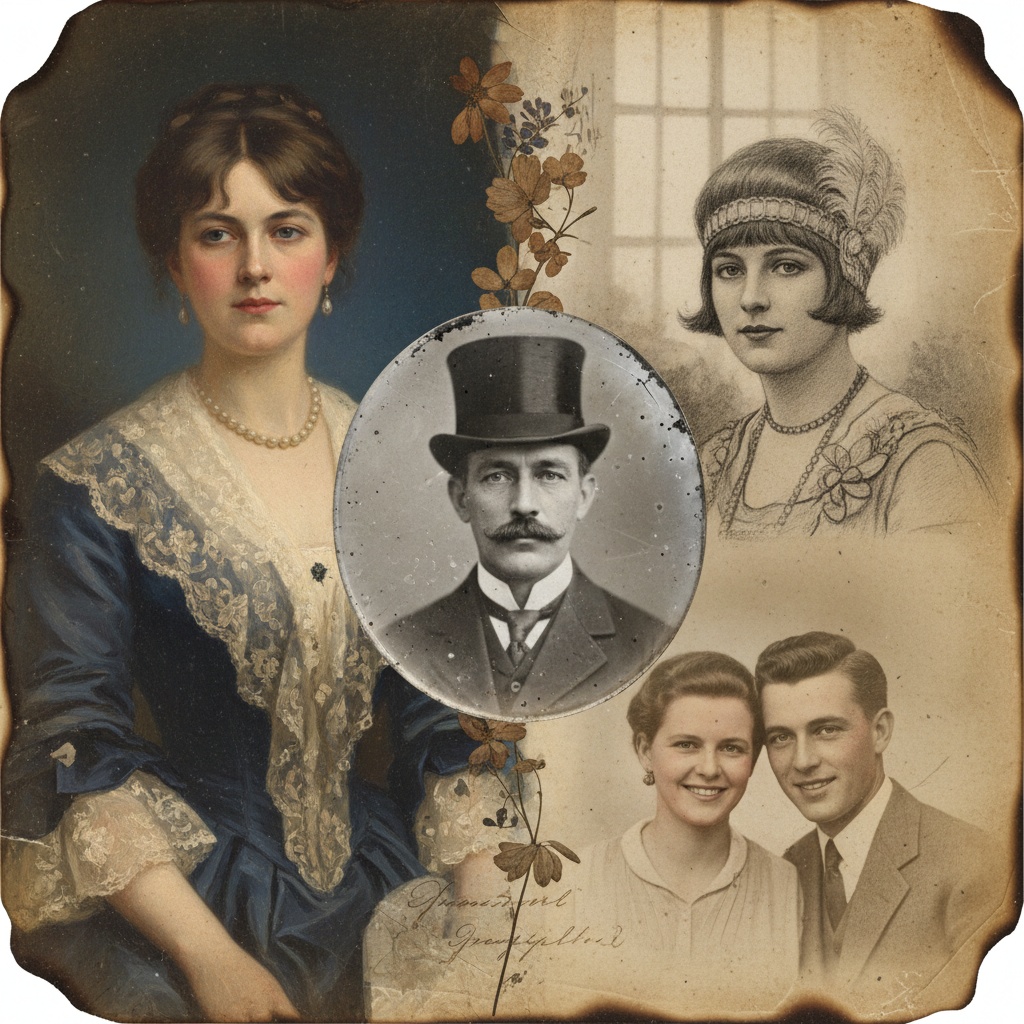
The Genesis of Likeness: Portraiture Before Photography
Portrait painting is a genre in painting, where the intent is to represent a specific human subject. The term 'portrait painting' can also describe the actual painted portrait. Portraitists may create their work by commission, for public and private ...
Before the advent of photography irrevocably altered our relationship with representation, portraiture held a unique position within society – it wasn’t merely about capturing an image; it was about immortalizing essence, status, and lineage. For centuries, artists painstakingly translated the three-dimensional world onto canvas, not simply replicating features but striving to convey personality, intellect, and social standing. Early portraits, often commissioned by royalty or the burgeoning merchant class, were symbols of power and wealth, meticulously crafted statements designed to project an idealized version of the sitter. Consider the stiff formality of Renaissance portraiture, where subjects are often depicted against dark backgrounds, adorned in opulent fabrics and jewels – these weren’t casual likenesses but carefully constructed narratives of authority. The skill lay not just in technical proficiency, but in understanding the complex language of symbolism: a specific flower might represent fidelity, a dog loyalty, or a particular landscape denote ownership and dominion. These early works laid the foundation for the traditions that would flourish in subsequent centuries, establishing portraiture as a cornerstone of artistic expression and social documentation.
Academic Realism & The 19th-Century Portrait Tradition
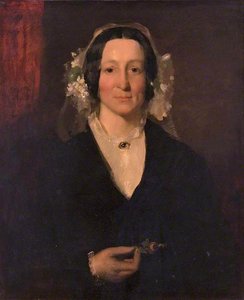 Mrs May Torrie, a Native of Montrose
Admire 'Mrs May Torrie' by George Paul Chalmers – a stunning 19th-century oil portrait of a dignified woman. Explore its academic realism & elegant composition.
The 19th century witnessed a fascinating interplay between tradition and innovation in portrait painting. Academic realism dominated much of the period, emphasizing precise detail, anatomical accuracy, and masterful technique. Artists like George Paul Chalmers exemplified this approach, as seen in his stunning depiction of ‘Mrs May Torrie, a Native of Montrose’. The work isn’t simply a rendering of a woman; it's a testament to the artist’s ability to capture texture – the sheen of silk, the delicate flush of skin – and convey a sense of dignified composure. These portraits often adhered to strict compositional rules, prioritizing clarity and balance. However, even within this framework, subtle nuances emerged. Artists began to explore psychological depth, attempting to reveal more than just physical appearance. The gaze of the sitter became increasingly important, hinting at inner thoughts and emotions. This shift reflected a broader cultural interest in individualism and the complexities of human character. The rise of the middle class also fueled demand for portraits, moving beyond solely aristocratic commissions and broadening the scope of representation.
Aesthetic Movement Portraits: Capturing Elegance and Emotion
 Portrait of Mrs. V (Mrs. Herman Duryea)
Admire 'Portrait of Mrs. V' by John White Alexander – a stunning 1900 oil painting showcasing elegant realism & dramatic lighting. Explore this Aesthetic Movement masterpiece!
As the 19th century progressed, a reaction against the rigid conventions of academic realism began to take shape in the Aesthetic Movement. This movement prioritized beauty for its own sake, emphasizing artistic expression over strict adherence to reality. John White Alexander’s ‘Portrait of Mrs. V (Mrs. Herman Duryea)’ is a prime example of this aesthetic sensibility. The painting exudes an air of refined elegance and dramatic lighting, showcasing a softer, more atmospheric approach than the stark realism of earlier works. Alexander masterfully employs color and brushwork to create a sense of mood and intimacy. Notice the subtle play of light on Mrs. Duryea’s face, highlighting her delicate features and conveying a sense of inner grace. The Aesthetic Movement portraits often featured subjects immersed in evocative settings or engaged in contemplative poses, reflecting a desire to capture fleeting moments of beauty and emotion. This focus on subjective experience marked a significant departure from the more objective approach of academic painting.
Impressionist Approaches to Portraiture: Renoir, Sisley, and Beyond
 Portrait of the couple Sisley
Discover Renoir’s ‘Portrait of the Couple Sisley’ (1868). An intimate Impressionist portrait showcasing love & artistic evolution. Explore this masterpiece's unique details & lasting legacy.
The Impressionists further revolutionized portraiture by challenging traditional notions of representation altogether. Rejecting the meticulous detail of academic realism, they sought to capture the fleeting effects of light and color, prioritizing subjective perception over objective accuracy. Pierre-Auguste Renoir’s ‘Portrait of the Couple Sisley’ (1868) exemplifies this approach. Unlike earlier portraits that emphasized formal posing and elaborate details, Renoir captures a sense of intimacy and spontaneity. The brushstrokes are visible, creating a dynamic surface that conveys movement and life. The focus shifts from precise likeness to capturing the atmosphere of a shared moment – the warmth of sunlight, the joy of companionship. While not always focused on hyper-realistic detail, Impressionist portraits nonetheless conveyed personality and emotion through subtle gestures, expressions, and the interplay of light and color. Artists like Sisley also contributed to this evolving style, exploring new ways to represent their subjects within the context of everyday life.
The Enduring Legacy of Vintage Portraits in the Modern Home
Today, vintage portraits continue to captivate us with their beauty, historical significance, and emotional resonance. They offer a glimpse into past eras, providing valuable insights into social customs, fashion, and artistic sensibilities. More than just decorative objects, these paintings serve as tangible connections to history, adding character and sophistication to any space. The appeal lies not only in the artistry itself but also in the stories they tell – the lives of the sitters, the skill of the artists, and the cultural context in which they were created. OriginalUniqueArt
offers a unique opportunity to bring these timeless masterpieces into your home through expertly crafted reproductions.Preserving History: Restoration & Reproduction of Classic Portraits
The preservation of vintage portraits is crucial for ensuring their longevity and continued enjoyment by future generations. Restoration involves carefully repairing damage, cleaning away accumulated grime, and stabilizing the canvas to prevent further deterioration. Skilled conservators employ a range of techniques to restore paintings to their original glory while respecting their historical integrity. For those seeking to acquire these works without the expense or fragility of originals, high-quality reproductions offer an excellent alternative. OriginalUniqueArt specializes in handmade oil painting reproductions created by skilled artists using traditional methods. Each reproduction is meticulously crafted on 100% cotton canvas with professional oils, ensuring a lifelike quality and lasting value. Whether you’re seeking to commission a custom portrait in the style of your favorite artist or simply wish to adorn your walls with a timeless masterpiece, OriginalUniqueArt provides unparalleled quality, personalized service, and a commitment to preserving the beauty of art for years to come. Explore our collection today and discover the enduring appeal of vintage portraits!