 पूर्वावलोकन देखें
 साझा करें
 साझा करें
 विस्तृत विवरण

 डाउनलोड करें
 समान कलाकृतियाँ
 एक्स-रे
 स्लाइड शो देखें
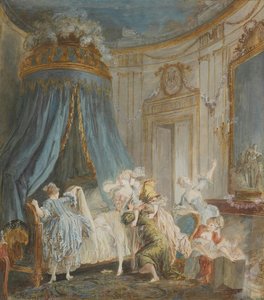
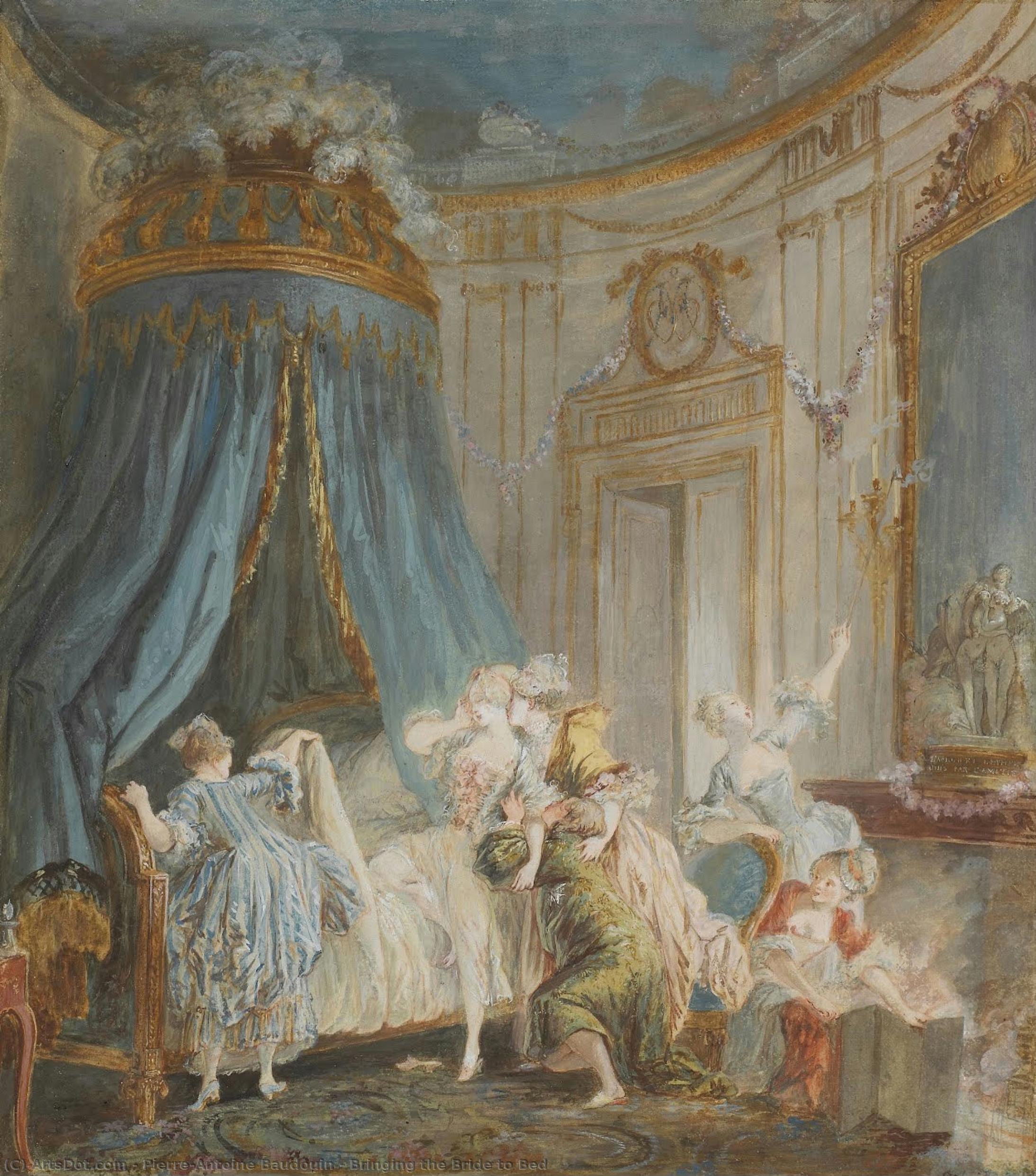
ब्राइड को बिस्तरे पर लाना
 कैनवस पर एक्रिलिक पेंट
- वॉल आर्ट
- Rococo Classical
 1767
1767 36.0 x 31.0 cm
 नेशनल गैलरी ऑफ़ कनाडा
 पूरा देखें
हाथ से बनी ऑयल रिप्रोडक्शन
आपके आकार और फ्रेम के अनुसार कैनवास पर हाथ से बनी ऑयल पेंटिंग, हमारे कलाकारों द्वारा विशेष रूप से ऑर्डर पर तैयार। ( प्रिंट पर जाएँ इमेज पर बदलें)




P118B $10

P118H $10

P118W $10

P438Z $10

P508JH $12

P508YH $12

P805H $10

P805Z $10

P919BZ $10

P919G $10

P919XJ $10

P959ZH $10

P968JZ $12

W106C $8

W218G $10

W218JH $8

W218Y $10

W307PJ $10

W316G $10

W316PJ $8

W316Y $10

W398PJ $8

W4111J $10

W500HY $15

W500JH $15

W692G $12

W849H $8

W940BG $15

W953PJ $8




कलाकृति के मूल अनुपात से मेल खाने वाले हमारे पूर्व निर्धारित आकारों में से चुनें।

आप किसी विशिष्ट फ्रेम या स्थान के अनुसार अपने स्वयं के आयाम (dimensions) दर्ज कर सकते हैं। यदि आपके द्वारा चुना गया आकार मूल छवि के अनुपात से मेल नहीं खाता है, तो हम कलाकृति को क्रॉप करेंगे या पेंटिंग में अतिरिक्त हाथ से चित्रित तत्व जोड़कर उसका विस्तार करेंगे। उत्पादन शुरू होने से पहले आपकी स्वीकृति के लिए एक डिजिटल मॉकअप भेजा जाएगा।
कृपया ध्यान दें कि स्क्रीन पर दिखने वाला पूर्वावलोकन वास्तविक क्रॉपिंग या विस्तार को नहीं दर्शाता है। केवल मॉकअप ही अंतिम रचना को सटीक रूप से दिखाएगा।
यद्यपि कस्टम आकार उपलब्ध हैं, फिर भी हम मूल अनुपात बनाए रखने के लिए पूर्व-निर्धारित सूची से आयाम चुनने की सलाह देते हैं।
ऑर्डर देने के बाद, OriginalUniqueArt.com टीम निर्देशों के लिए क्लाइंट को ईमेल करेगी और एक मॉकअप प्रीव्यू प्रदान करेगी
विश्वव्यापी वितरण () मानक 5 सप्ताह के बजाय मात्र 3/4 सप्ताह में। (5 अगस्त)। गुणवत्ता से कोई समझौता नहीं।

दुनिया भर में मुफ़्त एक्सप्रेस शिपिंग

उच्च गुणवत्ता वाला लिनेन कैनवास

पूर्ण शिपिंग बीमा

सीमा शुल्क और आयात कर वापसी की गारंटी

सटीक रंग मिलान की गारंटी

60-दिन की वापसी नीति (केवल दोषों के लिए)

100% पैसे वापसी की गारंटी

थोक छूट का लाभ
 ग्लास का विकल्प केवल 110 सेमी से कम आकार में ही उपलब्ध है।

ब्राइड को बिस्तरे पर लाना
प्रतिकृति की विधि
प्रतिकृति का आकार
-


कुल देय राशि
$ 300
कलाकृति का विवरण
Bringing the Bride to Bed: A Rococo Reverie
Pierre-Antoine Baudouin’s “Bringing the Bride to Bed,” painted in 1767, is more than just a depiction of domestic intimacy; it's a masterful encapsulation of the Rococo aesthetic and a poignant reflection on societal expectations surrounding marriage during the Enlightenment. Executed with meticulous detail in gouache over red chalk and graphite on laid paper, this artwork transports viewers back to Paris’ opulent salons where artists like Baudouin sought patronage from aristocratic families. The scene unfolds within a richly furnished room—a chair positioned thoughtfully on the left side, providing visual balance, and another couch anchoring the composition on the right—underscoring the importance of setting in Rococo art. Nine figures inhabit this space, capturing a moment of profound significance: the bride lies serenely upon the bed, surrounded by her female companions who offer support and reassurance as she prepares for her nuptials. Baudouin’s technique is characterized by delicate layering of color—the gouache providing luminous washes that illuminate the faces and drapery—combined with precise hatching to define form and texture. The red chalk outlines contribute to a sense of sculptural depth, mirroring the prevailing fascination with classical forms within the neoclassical movement. Symbolism permeates every element of “Bringing the Bride to Bed.” The bed itself represents fertility and new beginnings, central themes in Rococo art’s celebration of femininity and domestic bliss. The expressions on the faces of the women convey warmth, compassion, and a shared understanding of the momentous occasion—a testament to the social bonds that underpinned aristocratic life. Baudouin skillfully captures not only the visual beauty of the scene but also its emotional resonance, inviting contemplation on themes of love, friendship, and the rituals surrounding marriage. The artwork’s influence extends beyond its aesthetic qualities; it reflects the broader cultural anxieties surrounding female sexuality and reproductive health during this period. Baudouin's depiction aligns with a trend toward portraying women as idealized figures—symbols of virtue and grace—a stylistic choice that speaks to the prevailing social norms of the time. This piece exemplifies Baudouin’s ability to synthesize artistic innovation with intellectual engagement, cementing his legacy as one of the foremost painters of his era.- Artist: Pierre-Antoine Baudouin
- Year: 1767
- Medium: Gouache over Red Chalk and Graphite on Laid Paper
- Style: Rococo
- Location: National Gallery of Canada
Further Exploration
You can delve deeper into Baudouin’s artistic journey by examining his collaborations with Jean-Pierre-Antoine Tassaert, a fellow sculptor who shared similar stylistic sensibilities. His work embodies the spirit of the Enlightenment and showcases the enduring appeal of classical ideals within European art history. Viewing “Bringing the Bride to Bed” alongside reproductions of Tassaert's sculptures offers valuable insight into the artistic landscape of 18th-century France.Technical Considerations
The meticulous layering of color achieved by Baudouin—particularly the use of gouache—demonstrates a mastery of pigment and glazing techniques. The careful hatching employed to define form contributes to a sense of realism while simultaneously adhering to Rococo’s penchant for illusionistic effects. Collectors interested in acquiring a high-quality reproduction should prioritize prints produced using archival inks on acid-free paper to preserve the artwork's vibrancy and longevity.Emotional Impact
“Bringing the Bride to Bed” evokes feelings of warmth, tenderness, and celebration—capturing the essence of familial support during a pivotal life event. Its serene composition and luminous palette invite viewers to contemplate themes of love, companionship, and the beauty inherent in domestic rituals. This artwork remains a powerful reminder of the importance of human connection and artistic excellence.कलाकार का जीवन परिचय
Gavin Hamilton: The Antiquarian Painter of Rome
Gavin Hamilton (1723, Lanarkshire – 4 January 1798, Rome) stands as a singular figure in the history of art, a man whose legacy is inextricably linked to both the burgeoning neoclassical movement and his passionate, sometimes controversial, pursuit of ancient Roman antiquities. More than simply a painter, Hamilton was an arbiter of taste, a scholar, and ultimately, a key player in shaping how Europe understood and engaged with its classical past. His life unfolded across two continents – initially within the vibrant intellectual landscape of Scotland, then culminating in a decades-long sojourn in Rome, where he dedicated himself to collecting and interpreting the remnants of antiquity. This unique combination of artistic skill and scholarly obsession cemented his place as one of the most influential painters of the late 18th century. Hamilton’s early life was steeped in the Scottish Enlightenment. Born in Lanarkshire, Scotland, in 1723, he displayed an exceptional aptitude for learning from a young age, matriculating at the University of Glasgow at just fifteen years old. His family background—his father was a headmaster and fellow of Balliol College, Oxford—provided him with a privileged education, fostering a deep appreciation for classical literature and philosophy. This intellectual foundation would prove crucial to his later artistic endeavors. He spent several formative years in Italy, studying under Agostino Masucci in Rome, absorbing the principles of neoclassical art and developing a keen eye for detail and composition. Crucially, it was during this period that he became deeply immersed in the world of Roman antiquities, embarking on a lifelong quest to unearth and understand these remnants of a lost civilization. This pursuit would define much of his career and ultimately lead him to become a leading authority on classical art and taste. Hamilton’s artistic style evolved significantly throughout his career. Initially influenced by the grand manner championed by Sir Joshua Reynolds – particularly in his emphasis on idealized beauty and dramatic narrative – he gradually developed a more restrained, almost austere aesthetic. His later works, especially those depicting scenes from Homer's *Iliad*, are characterized by their monumental scale, meticulous detail, and a deliberate avoidance of overt emotionalism. These paintings weren’t merely decorative; they were carefully constructed allegories designed to convey moral lessons and celebrate the virtues of Roman civilization. The cycle of six paintings based on the *Iliad*, commissioned for the Earl of Moira, became his most celebrated achievement, establishing him as a leading figure in the neoclassical movement. These works, engraved and widely disseminated across Europe, profoundly influenced subsequent generations of artists and shaped public perceptions of classical antiquity. His *Death of Lucretia* (1760s), depicting the legendary Roman heroine’s sacrifice, further solidified his reputation for dramatic storytelling and masterful composition. However, Hamilton's career was not without its complexities. His relentless pursuit of antiquities often led him into ethically questionable territory. He engaged in a controversial practice known as “antiquarianism,” which involved acquiring ancient sculptures and artifacts through dubious means – sometimes by removing them from their original contexts or even outright theft. This behavior, coupled with his outspoken opinions on classical art and taste, earned him considerable criticism during his lifetime. Despite these controversies, Hamilton’s influence remained undeniable. He was a respected scholar and a highly sought-after consultant to wealthy patrons and collectors across Europe. His expertise shaped the understanding of classical art for an entire generation, and his paintings continue to be studied and admired today. Hamilton's final years were spent in Rome, where he continued his scholarly pursuits and amassed a vast collection of Roman antiquities. He died in 1798, leaving behind a legacy as both a brilliant artist and a controversial figure—a man who blurred the lines between art, scholarship, and the sometimes-questionable ethics of collecting ancient treasures. His work remains a testament to the enduring fascination with classical antiquity and the profound impact that one individual can have on shaping our understanding of the past.
pierre-antoine baudouin
1723 - 1769 , France
मुख्य तथ्य
- Artistic Movement Or Style: Neoclassical history painter
- Artists Or Movements Influenced By This Artist:
- Jacques-Louis David
- Thomas Blackwell
- Artists Who Influenced This Artist:
- Agostino Masucci
- Sir Joshua Reynolds
- Date Of Birth: 1723
- Date Of Death: 1798
- Full Name: Gavin Hamilton
- Nationality: Scottish
- Notable Artworks:
- Death of Lucretia
- Homer's Iliad cycle
- Place Of Birth: Lanarkshire, Scotland
संबंधित लेख
पियरे-अगस्टे रेनोइर की 25 उत्कृष्ट कृतियाँ: कला और सौंदर्य का अद्भुत संग्रह | OriginalUniqueArt
पियरे-अगस्टे रेनोइर की 25 सर्वश्रेष्ठ पेंटिंग! प्रभाववाद, फ्रांसीसी कला और सौंदर्य का अनुभव करें। 'नृत्य एट ले मौलिन डे ला गैलेट' जैसी उत्कृष्ट कृतियों के पीछे की कहानियाँ जानें। OriginalUniqueArt.com पर उच्च गुणवत्ता वाले कला प्रिंट खरीदें।

जॉर्ज पियरे सेउरा की 25 उत्कृष्ट कृतियाँ: कला, इतिहास और आपके घर के लिए प्रेरणा
जॉर्ज सेउरा की 25 सर्वश्रेष्ठ कृतियों का अन्वेषण करें! बिंदुवाद, आधुनिक कला और रंग सिद्धांत के जादू को जानें। उच्च गुणवत्ता वाले कला प्रिंट और दीवार सजावट के लिए OriginalUniqueArt.com पर खोजें।
वाशिंगटन नेशनल गैलरी की शीर्ष 25 कलाकृतियाँ: इतिहास, कलाकार और सजावट के लिए प्रेरणा
वाशिंगटन नेशनल गैलरी की शीर्ष 25 कलाकृतियों का अन्वेषण करें! पॉल सेज़ान, मैटिस और पिकासो जैसे कलाकारों के इतिहास और प्रेरणादायक कहानियाँ जानें। घर की सजावट के लिए अद्वितीय कला प्रिंट और कैनवास खोजें। OriginalUniqueArt.com पर संपूर्ण संग्रह देखें।
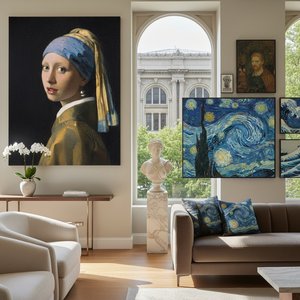
मेट्रोपॉलिटन म्यूजियम ऑफ़ आर्ट की 25 उत्कृष्ट कृतियाँ: कला और इतिहास का संगम
न्यूयॉर्क के मेट्रोपॉलिटन म्यूजियम ऑफ़ आर्ट की 25 उत्कृष्ट कृतियों का अन्वेषण करें! वान गाग, मोनेट और रेम्ब्रांद्ट जैसे मशहूर कलाकारों की कहानियाँ जानें। घर के लिए कला प्रिंट और कैनवास पेंटिंग खोजें। OriginalUniqueArt.com पर संपूर्ण संग्रह देखें।

हेनरी मैटिस की शीर्ष 25 उत्कृष्ट कृतियाँ: कला और सजावट का अद्भुत संग्रह | OriginalUniqueArt
हेनरी मैटिस की शीर्ष 25 उत्कृष्ट कृतियों का अन्वेषण करें! फ़ौविज़्म, आधुनिक कला और रंगीन चित्रों के माध्यम से उनकी जीवन यात्रा जानें। OriginalUniqueArt.com पर उच्च गुणवत्ता वाले आर्ट प्रिंट और दीवार सजावट खरीदें।