

 पूर्वावलोकन देखें
 भेजें
भेजें साझा करें
 विवरण देखें
 मार्गदर्शिका

 डाउनलोड करें
 समान वस्तुएं
 एक्स-रे
 स्लाइड शो देखें
 आंकड़े
Fruit
 Oil On Canvas
- WallArt
- Impressionism
 1888
1888- 19th Century
 54.0 x 44.0 cm
 मेट्रोपॉलिटन म्यूज़ियम ऑफ़ आर्ट
 और पढ़ें
हस्तनिर्मित ऑयल रिप्रोडक्शन
आपके आकार और फ्रेम के अनुसार कैनवास पर हाथ से बनी ऑयल पेंटिंग, हमारे कलाकारों द्वारा विशेष रूप से ऑर्डर पर तैयार। ( प्रिंट विकल्प पर जाएँ डिजिटल इमेज पर जाएँ)




P118B ₹10

P118H ₹10

P118W ₹10

P438Z ₹10

P508JH ₹12

P508YH ₹12

P805H ₹10

P805Z ₹10

P919BZ ₹10

P919G ₹10

P919XJ ₹10

P959ZH ₹10

P968JZ ₹12

W106C ₹8

W218G ₹10

W218JH ₹8

W218Y ₹10

W307PJ ₹10

W316G ₹10

W316PJ ₹8

W316Y ₹10

W398PJ ₹8

W4111J ₹10

W500HY ₹15

W500JH ₹15

W692G ₹12

W849H ₹8

W940BG ₹15

W953PJ ₹8




कलाकृति के मूल अनुपात से मेल खाने वाले हमारे पूर्व निर्धारित आकारों में से चुनें।

अपने फ्रेम या अपनी दीवार के अनुसार आवश्यक चौड़ाई और ऊंचाई दर्ज करें। यह हाथ से पेंट किया गया है, इसलिए अलग आकार के लिए कलाकार चित्र के चारों ओर थोड़ा अधिक पेंट कर सकता है, या थोड़ा काट सकता है — चुनाव आपका है। पेंटिंग शुरू होने से पहले हम आपकी स्वीकृति के लिए एक डिजिटल मॉकअप भेजते हैं। इस पृष्ठ पर दिखाई गई तस्वीर वास्तविक परिणाम नहीं दिखाती है — केवल मॉकअप ही वास्तविक रूप दिखाता है।
ऑर्डर देने के बाद, OriginalUniqueArt.com टीम निर्देशों के लिए क्लाइंट को ईमेल करेगी और एक मॉकअप प्रीव्यू प्रदान करेगी
विश्वव्यापी वितरण () मानक 5 सप्ताह के बजाय मात्र 3/4 सप्ताह में। (23 अक्टूबर)। गुणवत्ता से कोई समझौता नहीं।

दुनिया भर में मुफ़्त एक्सप्रेस शिपिंग

प्रीमियम ग्रेड लिनेन कैनवास

पूर्ण शिपिंग बीमा

सीमा शुल्क और आयात कर वापसी की गारंटी

सटीक रंग मिलान की गारंटी

100 दिनों की वापसी नीति (केवल निर्माण दोष होने पर)

100% पैसे वापसी की गारंटी

थोक छूट का अवसर
 ग्लास का विकल्प केवल 110 सेमी से कम आकार में ही उपलब्ध है।

Fruit
प्रतिकृति की सामग्री
प्रतिकृति का आकार
-


कुल मूल्य
₹ 28805
Julian Alden Weir’s “Fruit”: A Still Life of Transient Beauty
Julian Alden Weir's 1888 painting, "Fruit," offers a captivating glimpse into the burgeoning world of American Impressionism. More than just a depiction of apples, oranges, and grapes arranged on a table, it’s a meditation on beauty, decay, and the fleeting nature of existence – a core tenet of the *vanitas* tradition prevalent in European art at the time. Weir, born in West Point, New York, inherited an artistic lineage deeply rooted in formal training, beginning with his father's instruction at the United States Military Academy, yet it was his immersion in Parisian ateliers and encounters with artists like Jean-Léon Gérôme that truly ignited his distinctive style. This painting represents a pivotal moment in Weir’s artistic journey – a deliberate shift away from the rigid academicism of his early years towards a more subjective and emotionally resonant approach to capturing the world around him.
The composition itself is deceptively simple, yet meticulously crafted. The arrangement of the fruit—the vibrant red of the apples, the sunny yellow of the oranges, and the deep purple of the grapes – draws the eye immediately. Notice how Weir doesn’t strive for photographic realism; instead, he employs loose brushstrokes and a muted palette, prioritizing atmosphere and light over precise detail. The table, rendered with subtle tonal variations, provides a grounding element, anchoring the vibrant fruits within a sense of quiet contemplation. This deliberate choice reflects the influence of artists like Edouard Manet, whom Weir admired and whose work encouraged him to explore more intimate still lifes that evoked the *vanitas* tradition – a reminder of mortality and the transience of earthly pleasures.
The Influence of *Vanitas* and the Symbolism of Decay
“Fruit” is deeply informed by the *vanitas* genre, a popular theme in Northern European art during the 16th and 17th centuries. *Vanitas* paintings typically featured symbolic objects – skulls, decaying fruit, extinguished candles – to remind viewers of the inevitability of death and the futility of worldly pursuits. While Weir’s work isn't overtly morbid, the inclusion of ripe fruit on the verge of decay subtly conveys this underlying theme. The slightly bruised apple, for instance, hints at the passage of time and the ephemeral nature of beauty. The grapes, plump and luscious, represent abundance and pleasure, but their proximity to the decaying elements suggests that even these joys are ultimately transient.
Beyond *vanitas*, individual fruits carry specific symbolic weight. Apples have long been associated with knowledge, temptation, and immortality in Western art. Oranges, introduced to Europe from the East, represented wealth and luxury. Grapes symbolize abundance, fertility, and joy. Weir’s careful selection of these elements creates a layered visual narrative, inviting viewers to contemplate not just the beauty of the fruit itself, but also its deeper meaning.
Technique and Artistic Style
Weir's masterful technique is evident in his skillful use of light and shadow. He employs broken color—applying small dabs of paint rather than blending them smoothly—to create a sense of luminosity and atmospheric depth. The brushstrokes are loose and expressive, capturing the texture of the fruit’s skin and the sheen of its surfaces. This approach aligns with the Impressionist movement's emphasis on capturing fleeting moments and subjective perceptions. The painting is executed in oil on canvas, a medium that allowed Weir to achieve rich colors and subtle tonal variations.
Interestingly, this period of Weir’s work – the 1880s – saw him moving away from his earlier academic style and embracing a more intimate and emotionally driven approach. His connection with artists like Edouard Manet during his time in Paris undoubtedly played a role in this transformation. The painting's quiet elegance and contemplative mood reflect Weir’s growing confidence as an artist, signaling a shift towards a distinctly American brand of Impressionism.
A Reproduction for Art Lovers
OriginalUniqueArt is proud to offer a meticulously hand-painted reproduction of Julian Alden Weir’s “Fruit.” This isn't merely a print; it’s a faithful recreation of the original, capturing the artist’s delicate brushwork and evocative atmosphere. The 54 x 44 cm size makes this piece ideal for adding a touch of timeless beauty to any room – from a cozy study to a sophisticated dining area. The subtle color palette and nuanced details will bring a sense of serenity and contemplation to your space, reminding you of the fleeting nature of beauty and the importance of appreciating the present moment. Explore our collection today and bring home a piece of art history.
प्रश्न और उत्तर
जूलियन एल्डन वेइर ने "Fruit" किस उम्र में बनाया था?
जब 1888 में "Fruit" का निर्माण किया गया था, तब 1852 में जन्मे जूलियन एल्डन वेइर की आयु 36 वर्ष थी।
"Fruit" की Impressionism शैली के साथ कौन सा भावनात्मक स्वर जुड़ा है?
"Fruit" में Impressionism आंदोलन के भीतर एक Tranquil भावनात्मक स्वर समाहित है।
मैं जूलियन एल्डन वेइर द्वारा "Fruit" कहाँ से डाउनलोड कर सकता हूँ?
जूलियन एल्डन वेइर द्वारा "Fruit" की छवि को कलाकृति के डाउनलोड करें पेज से डाउनलोड किया जा सकता है: एक उच्च-रिज़ॉल्यूशन वाली डिजिटल इमेज डाउनलोड।
कलाकार का परिचय
प्रारंभिक जीवन और कलात्मक नींव
जूलियन एल्डन वीर का जन्म 30 अगस्त, 1852 को वेस्ट पॉइंट, न्यूयॉर्क में हुआ था। उन्होंने एक ऐसी कलात्मक विरासत को प्राप्त किया जिसने उनके पथ को गहराई से आकार दिया। उनके पिता, रॉबर्ट वाल्टर वीर, एक सम्मानित चित्रकार और संयुक्त राज्य सैन्य अकादमी के ड्राइंग प्रोफेसर थे, जिन्होंने कम उम्र से ही जूलियन में कला की गहरी सराहना पैदा की। उनका घर स्वयं एक जीवंत स्टूडियो था, जो रचनात्मक जीवन के उपकरणों और प्रेरणा से भरा हुआ था। यह पोषणपूर्ण वातावरण उनके बड़े भाई जॉन फर्ग्यूसन वीर तक भी फैला हुआ था, जो खुद एक उल्लेखनीय परिदृश्य कलाकार बन गए। जूलियन का प्रारंभिक औपचारिक प्रशिक्षण लगभग 1870 में न्यूयॉर्क शहर की राष्ट्रीय अकादमी ऑफ डिज़ाइन में शुरू हुआ, जिसने उन्हें पारंपरिक तकनीकों की ठोस नींव प्रदान की। हालाँकि, 1873 में पेरिस की उनकी यात्रा ने वास्तव में उनके कलात्मक विकास को प्रज्वलित किया। इकोले डेस ब्यूक्स-आर्ट्स में जीन-लियोन जेरोम के तहत अध्ययन करने से उन्हें अकादमिक कठोरता और सूक्ष्म विस्तार का अनुभव हुआ, जबकि जूल्स बास्टियन-लेपागे जैसे कलाकारों के साथ दोस्ती ने चित्रकला की संभावनाओं पर उनके दृष्टिकोण को व्यापक बनाया। प्रारंभ में, वीर ने उभरते प्रभाववादी आंदोलन के प्रति एक मजबूत प्रतिकूलता व्यक्त की, इसकी कथित रूप और संरचना की कमी को "भयानक" कहकर खारिज कर दिया। यह प्रारंभिक प्रतिरोध निर्णायक साबित होगा, क्योंकि प्रभाववाद को अपनाने से तत्काल स्वीकृति नहीं मिली बल्कि समझ के क्रमिक विकास के माध्यम से हुआ।कनेक्टिकट वर्ष और कलात्मक परिवर्तन
जूलियन वीर के जीवन में एक महत्वपूर्ण मोड़ 1883 में अन्ना ड्वाइट बेकर से उनकी शादी और उसके बाद कनेक्टिकट के ब्रांचविले जाने के साथ आया। उन्होंने न्यूयॉर्क शहर की हलचल भरी कला दुनिया से दूर रहने के लिए वहां एक खेत खरीदा। यह ग्रामीण परिवेश सिर्फ एक वापसी स्थल से बढ़कर था; यह प्रेरणा का स्रोत बन गया। शांत परिदृश्य, खेत जीवन की लय और प्रकृति के साथ अंतरंग संबंध ने धीरे-धीरे उनके कलात्मक फोकस को बदल दिया। जबकि उन्होंने शुरू में पारंपरिक शैली में पोर्ट्रेट और स्टिल लाइफ बनाना जारी रखा, वीर खुद को प्रकाश और वातावरण के क्षणिक प्रभावों को पकड़ने के लिए अधिक से अधिक आकर्षित पाया। लगभग 1891 तक, इस प्रवृत्ति ने प्रभाववाद को पूरी तरह से स्वीकार कर लिया। जॉन ट्वाचमैन और थियोडोर रॉबिन्सन जैसे साथी कलाकारों से प्रभावित होकर, उन्होंने टूटे हुए ब्रशस्ट्रोक, जीवंत रंग पैलेट और व्यक्तिपरक धारणा पर जोर के साथ प्रयोग करना शुरू किया। यह उनकी प्रारंभिक प्रशिक्षण का पूर्ण त्याग नहीं था; बल्कि, यह अकादमिक कौशल और नई आंदोलन की नवीन भावना का संश्लेषण था। उनकी शैली अक्सर शुद्ध प्रभाववादी अभिव्यक्ति और अधिक शांत टोनलिज्म के बीच दोलन करती थी, जिससे एक अनूठी दृश्य भाषा बनती थी जिसने उन्हें उनके समकालीनों से अलग कर दिया। उन्होंने एक कुशल उत्कीर्णक के रूप में भी उल्लेखनीय प्रतिभा का प्रदर्शन किया, विशेष रूप से एक्वाटिंट तकनीकों के उनके कुशल उपयोग के माध्यम से।अमेरिकी कला में अग्रणी आवाज
19वीं शताब्दी के अंत तक, जूलियन एल्डन वीर ने अमेरिकी कला जगत में एक प्रमुख व्यक्ति के रूप में अपनी पहचान बना ली थी। वह "द टेन" के गठन में महत्वपूर्ण थे, जो दस स्वतंत्र विचारधारा वाले चित्रकारों का एक समूह था जिसने राष्ट्रीय डिजाइन अकादमी जैसे पारंपरिक संस्थानों की बाधाओं के बाहर अपने काम को प्रदर्शित करने की मांग की। इस सामूहिक—जिसमें चाइल्ड हैसम, विलार्ड लेरॉय मेटकाल्फ और एडमंड टार्बेल जैसे कलाकार शामिल थे—ने कलात्मक स्वायत्तता की दिशा में एक महत्वपूर्ण कदम का प्रतिनिधित्व किया और अमेरिकी चित्रकला के आकार देने में मदद की। 1912 में, वीर को एसोसिएशन ऑफ अमेरिकन पेंटर्स एंड स्कल्पटर्स के पहले अध्यक्ष के रूप में चुना गया, जिससे कला समुदाय के भीतर उनकी नेतृत्व भूमिका मजबूत हुई। बाद में उन्होंने स्वयं राष्ट्रीय डिजाइन अकादमी के अध्यक्ष के रूप में कार्य किया, जो कला जगत के प्रगतिशील और रूढ़िवादी दोनों गुटों से उन्हें प्राप्त सम्मान को दर्शाता है। इस अवधि के उनके प्रमुख कार्यों—जैसे *ऑन द शोर* (1892), एक जीवंत तटीय दृश्य; *न्यू इंग्लैंड बारनयार्ड* (1904), ग्रामीण जीवन का एक आकर्षक चित्रण; और *अपलैंड पास्चर* (1905)—प्रभाववादी तकनीकों में उनकी महारत और अमेरिकी परिदृश्यों के सार को पकड़ने की क्षमता का उदाहरण देते हैं।विरासत और स्थायी प्रभाव
जूलियन एल्डन वीर का योगदान उनके व्यक्तिगत चित्रों से परे फैला हुआ है। उन्होंने पारंपरिक अकादमिक चित्रकला और प्रभाववाद की नवीन भावना के बीच एक सेतु बनाने में महत्वपूर्ण भूमिका निभाई, जिससे भविष्य की पीढ़ियों के अमेरिकी कलाकारों का मार्ग प्रशस्त हुआ। "द टेन" के माध्यम से कलात्मक स्वतंत्रता को बढ़ावा देने के लिए उनकी प्रतिबद्धता ने स्थापित मानदंडों को चुनौती दी और एक अधिक जीवंत और विविध कला परिदृश्य बनाने में मदद की। आज, कनेक्टिकट के ब्रांचविले में वीर फार्म नेशनल हिस्टोरिक साइट उनके जीवन और कार्य के प्रमाण के रूप में खड़ी है। अपने समय के दौरान संरक्षित, खेत आगंतुकों को उस दुनिया की झलक प्रदान करता है जिसने उन्हें प्रेरित किया—रोलिंग हिल्स, मौसम वाले खलिहान और ग्रामीण न्यू इंग्लैंड की शांत सुंदरता। यह स्थल न केवल एक ऐतिहासिक मील का पत्थर के रूप में कार्य करता है बल्कि आज के कलाकारों के लिए निरंतर प्रेरणा स्रोत के रूप में भी कार्य करता है। उनके परिवार की कलात्मक विरासत – उनके पिता रॉबर्ट वाल्टर वीर से, जो हडसन रिवर स्कूल के चित्रकार थे – अमेरिकी कला इतिहास की व्यापक कथा के भीतर जूलियन एल्डन वीर के स्थान को और मजबूत करती है। उनका निधन 8 दिसंबर, 1919 को न्यूयॉर्क शहर में हुआ, उन्होंने एक ऐसा काम छोड़ दिया जो दुनिया की सुंदरता और सार को पकड़ने की कला की शक्ति की याद दिलाता रहता है।- प्रमुख कार्य: *ऑन द शोर* (1892), *न्यू इंग्लैंड बारनयार्ड* (1904), *अपलैंड पास्चर* (1905)
- कलात्मक शैली: प्रभाववाद, टोनलिज्म
- संगठन: “द टेन”, राष्ट्रीय डिजाइन अकादमी

जूलियन एल्डन वेइर
1852 - 1919 , संयुक्त राज्य अमेरिका
संक्षिप्त जानकारी
- इस कलाकार से प्रभावित कलाकार:
- जॉन ट्वैक्टमैन
- थियोडोर रॉबिन्सन
- कला आंदोलन या शैली: प्रभाववाद, टोनलिज्म
- कलाकारों या आंदोलनों ने प्रभावित किया: ['द टेन अमेरिकन पेंटर्स']
- जन्म तिथि: 30 अगस्त 1852
- जन्म स्थान: वेस्ट पॉइंट, संयुक्त राज्य अमेरिका
- पूरा नाम: जूलियन एल्डन वेइर
- प्रमुख कलाकृतियाँ:
- ऑन द शोर
- न्यू इंग्लैंड बारनयार्ड
- अपलैंड पास्चर
- मृत्यु तिथि: 8 दिसंबर 1919
- राष्ट्रीयता: अमेरिकी
संबंधित लेखों की सूची
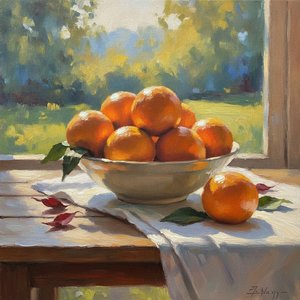
Sun-Drenched Citrus: The Vibrant Beauty of Oranges in Impressionist Masterpieces
Embark on a sensory journey through Impressionist masterpieces. Discover how Renoir and Cézanne captured the vibrant light and luscious textures of sun-drenched oranges in exquisite still life paintings designed to inspire and transform your home.

Enchanting Strokes: Unveiling the Luminous Magic and Timeless Soul of Impressionist Masterpieces
Immerse yourself in the luminous beauty of Impressionism. OriginalUniqueArt.com offers exquisite, hand-painted oil reproductions of masters like Monet and Van Gogh. From museum-quality landscapes to bespoke portraits from photos, we bring timeless artistry and soul to your collection.
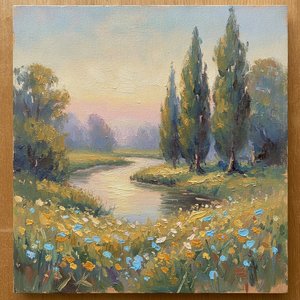
The Timeless Charm of Oil on Board: Reimagining Texture and Light through the Impressionist Lens
Discover the profound intimacy of oil on panel. Explore how Impressionist masters used rigid supports to capture light, texture, and impasto depth through exquisite, handmade oil reproductions for discerning collectors.
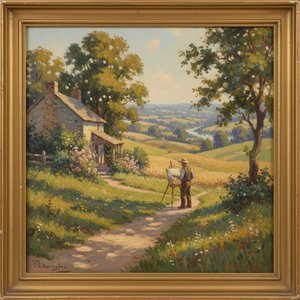
Julian Alden Weir: A Quiet Master of American Impressionism & Rural Life
Discover Julian Alden Weir, a leading American Impressionist painter celebrated for his serene landscapes & depictions of rural life. Explore his artistic evolution, influence on 'The Ten', and legacy at Weir Farm.

The Bountiful Still Life: Symbolism & Artistic Representation of Fruit Across Art History
Explore the rich history of still life painting & the symbolism of fruit across art movements. Discover masterpieces from Caravaggio to Cézanne with OriginalUniqueArt – expert guidance & museum-quality reproductions.