Tennyson Cole का चित्र

26 सबसे प्रसिद्ध Tennyson Cole पेंटिंग्स, जिनमें से प्रत्येक अद्वितीय है

नवमबर 2026 में अपडेट किया गया · हमारे लोकप्रियता स्कोर (प्रत्येक कृति के लिए खोज, विज़िट और ऑर्डर) के आधार पर रैंक किया गया · 31 कृतियाँ Tennyson Cole की हमारे कैटलॉग में

संक्षेप में

King Edward VII (1841-1910) (1906) वह Tennyson Cole की पेंटिंग है जो सबसे अधिक ध्यान आकर्षित करती है; इसका मूल बकिंघम पैलेस, लंदन में है। इसके बाद, दृष्टि Charles Richard John Spencer Churchill (1871–1934), 9th Duke of Marlborough (1907) और King Edward VII (1907) पर जाती है। हमारे कैटलॉग में Tennyson Cole की 31 कृतियों में से, ये 26 सबसे प्रसिद्ध हैं, जिनमें से प्रत्येक को उसके वर्ष, उसके संग्रहालय और उसके चिरस्थायी होने के कारण के साथ एक अद्वितीय मूल कृति के रूप में प्रस्तुत किया गया है।

1862 – 1939, London Contemporary realism सर्वाधिक कृतियाँ: City of Westminster Archives Centre

गैलरी की दृष्टि से Tennyson Cole की शीर्ष 10 पेंटिंग्स

1
King Edward VII (1841-1910) (1906) द्वारा Tennyson Cole

King Edward VII (1841-1910)

1906 · Oil On Canvas · बकिंघम पैलेस, लंदन

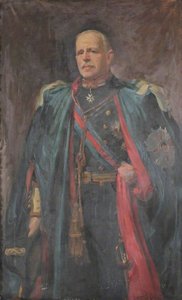
A single figure occupies the center of the canvas, caught in a three-quarter view. King Edward VII stands with one leg slightly forward, a posture of quiet command. The light falls heavily upon his face and the white lace of his attire, leaving the background to dissolve into deep, impenetrable shadow. It is a study of presence against the void. The heavy velvet of his royal purple cloak gathers in…

2
Charles Richard John Spencer Churchill (1871–1934), 9th Duke of Marlborough (1907) द्वारा Tennyson Cole

Charles Richard John Spencer Churchill (1871–1934), 9th Duke of Marlborough

1907 · Oil On Canvas · Woodstock Town Hall, Woodstock

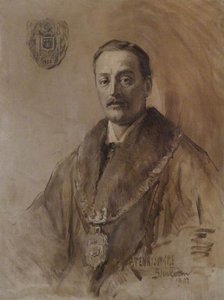
The portrait presents a man in three-quarter view, captured with a serious and contemplative expression. He is dressed in a dark coat featuring a fur collar, with a medal suspended from his neck that suggests a history of honor or achievement. The composition focuses on the face and upper torso, set against a softly blurred background of draped fabric. Through a shallow perspective, the subject’s presence is emphasized, creating a…

4
Owen Cosby Philipps, 1st Baron Kylsant, MP (1920) द्वारा Tennyson Cole

Owen Cosby Philipps, 1st Baron Kylsant, MP

1920 · Oil On Canvas

This oil painting by Tennyson Cole depicts Owen Cosby Philipps, 1st Baron Kylsant, MP. Created in 1920, the portrait presents the subject in a formal manner. The sitter was a British businessman and politician who held various significant roles, including serving as a Member of Parliament. The work captures him in a moment of stillness, presented through the lens of academic portraiture common to the early twentieth century.

Tennyson Cole की प्रसिद्ध पेंटिंग्स, संख्या 11 से 26 तक

वे विषय जिन्होंने Tennyson Cole का मन मोह लिया

इन मूल कृतियों में बार-बार आने वाले चार विषय, जिनमें से प्रत्येक का सबसे उत्कृष्ट उदाहरण यहाँ प्रस्तुत है।

वे संग्रहालय जहाँ Tennyson Cole की मूल कृतियाँ रखी गई हैं

वे 8 संग्रहालय जिनमें इस पृष्ठ की सर्वाधिक पेंटिंग्स मौजूद हैं।

संग्रहालय शहर Tennyson Cole की कृतियाँ इस सूची की पेंटिंग्स
City of Westminster Archives Centre, LondonCity of Westminster Archives Centre London 6 Duke of Norfolk, 1st Mayor of Westminster (1900–1901), Duke of Norfolk, 1st Mayor of Westminster, Alderman Lieutenant Colonel Clifford Probyn, Mayor of Westminster (1901–1902)
Imperial War Museum, लंदनImperial War Museum लंदन 2 Lord Kitchener of Khartoum, General Sir Edmund Allenby, KCB
बकिंघम पैलेस, लंदनबकिंघम पैलेस लंदन 1 King Edward VII (1841-1910)
Woodstock Town Hall, WoodstockWoodstock Town Hall Woodstock 1 Charles Richard John Spencer Churchill (1871–1934), 9th Duke of Marlborough
नेशनल पोर्ट्रेट गैलरी, लंदननेशनल पोर्ट्रेट गैलरी लंदन 1 King Edward VII
Te Whare O Rehua Sarjeant GalleryTe Whare O Rehua Sarjeant Gallery 1 Portrait of the Right Honourable John Ballance
Launceston Town Hall, LauncestonLaunceston Town Hall Launceston 1 Sir Alfred F. Robbins (1856–1931), Journalist, Freemason and Freeman
वॉकर आर्ट गैलरी, लिवरपूलवॉकर आर्ट गैलरी लिवरपूल 1 Edward VII (1841–1910)

दशकों तक Tennyson Cole: प्रत्येक के लिए एक अद्वितीय मूल कृति

दशकवार कृतियाँ

उस दशक को चुनें जो उसकी पहचान है और उसकी मूल कृतियाँ देखें।

Tennyson Cole की पेंटिंग्स: गैलरी के लिए प्रश्न

Tennyson Cole की सबसे प्रसिद्ध कृति कौन सी है?उत्तर देखें

King Edward VII (1841-1910) (1906), बकिंघम पैलेस, लंदन. इसके बाद Charles Richard John Spencer Churchill (1871–1934), 9th Duke of Marlborough (1907) और King Edward VII (1907) आते हैं।

Tennyson Cole ने King Edward VII (1841-1910) किस उम्र में बनाया था?उत्तर देखें

44 वर्ष की आयु: King Edward VII (1841-1910) 1906 का है, और Tennyson Cole का जन्म 1862 में हुआ था।

Tennyson Cole की कौन सी दस पेंटिंग्स सबसे प्रसिद्ध हैं?उत्तर देखें

King Edward VII (1841-1910), Charles Richard John Spencer Churchill (1871–1934), 9th Duke of Marlborough, King Edward VII, Owen Cosby Philipps, 1st Baron Kylsant, MP, Portrait of a Governor, Cecil Rhodes (1853–1902), Duke of Norfolk, 1st Mayor of Westminster (1900–1901), Duke of Norfolk, 1st Mayor of Westminster, Alderman Lieutenant Colonel Clifford Probyn, Mayor of Westminster (1901–1902) और Portrait of the Right Honourable John Ballance। ऊपर दी गई रैंकिंग में प्रत्येक का वर्ष और संग्रहालय दिया गया है।

Tennyson Cole की कितनी कृतियाँ ज्ञात हैं?उत्तर देखें

हमारे कैटलॉग में Tennyson Cole की 31 कृतियाँ हैं, जो 1898 से 1936 तक की हैं।

सबसे प्रसिद्ध Tennyson Cole मूल कृतियाँ कहाँ देखी जा सकती हैं?उत्तर देखें

अधिकतर City of Westminster Archives Centre (London), Imperial War Museum (लंदन) और बकिंघम पैलेस (लंदन) में। ऊपर दी गई संग्रहालय तालिका में उन सभी की सूची दी गई है।

Tennyson Cole ने अपनी सबसे प्रसिद्ध पेंटिंग किस काल के दौरान बनाई थीं?उत्तर देखें

1900s में: इस पृष्ठ पर मौजूद 26 कृतियों में से 12 उस समय बनाई गई थीं, जिनमें से King Edward VII (1841-1910) इनमें से हैं।

Tennyson Cole की कौन सी प्रसिद्ध पेंटिंग सबसे पुरानी है, और कौन सी सबसे नवीनतम?उत्तर देखें

इस पृष्ठ पर, सबसे पुरानी कृति Portrait of a Governor (1898) है और नवीनतम Charles Alexander Buckmaster (1936) है।

Tennyson Cole किन विषयों को पसंद करते थे?उत्तर देखें

इस पृष्ठ पर 26 कृतियों में Portrait (5), Victorian (4) और Historical figure (3)

Tennyson Cole ने सबसे अधिक किन सामग्रियों से पेंटिंग की?उत्तर देखें

इस पृष्ठ पर मौजूद 26 कृतियों में से 4 के लिए Oil On Canvas।

Tennyson Cole की कलाकृति किस आंदोलन (movement) से संबंधित है?उत्तर देखें

इस पृष्ठ पर मूल कृतियों को देखते हुए, Contemporary realism।

मैं City of Westminster Archives Centre में Tennyson Cole की कौन सी मूल कृतियाँ देख सकता हूँ?उत्तर देखें

Duke of Norfolk, 1st Mayor of Westminster (1900–1901), Duke of Norfolk, 1st Mayor of Westminster और Alderman Lieutenant Colonel Clifford Probyn, Mayor of Westminster (1901–1902): City of Westminster Archives Centre, London में इस पृष्ठ पर मौजूद कृतियों में से 6 मौजूद हैं।

Tennyson Cole: कलाकार का एक चित्र

Philip Tennyson Cole: A Victorian Visionary of Society and the Exotic

Philip Tennyson Cole (1862-1939) remains a captivating, yet somewhat enigmatic figure in 19th and early 20th century British art. More than simply a portrait painter, Cole possessed a unique ability to capture not just likenesses but also the social currents, aspirations, and even the unspoken anxieties of his era. His subjects – royalty, aristocracy, colonial figures, and prominent members of society – are rendered with a striking blend of realism and subtle psychological insight, revealing a keen eye for detail and an understanding of how appearances could conceal deeper truths. His career spanned several continents, from London to South Africa and Australia, each location leaving its indelible mark on his artistic style and subject matter.

Born in London into a family with a strong artistic lineage – his father, George Vicat Cole, was himself a respected landscape painter – Philip’s early life was steeped in the world of art. He received a thorough education, attending Chiswick College and honing his skills under his father's guidance. However, it wasn’t merely technical proficiency that defined him; a fascination with storytelling and a deep appreciation for literature, particularly poetry, profoundly shaped his artistic vision. The influence of T.S. Eliot’s “Journey of the Magi” and John Milton’s *Paradise Lost* ignited within him a desire to capture not just outward appearances but also the emotional resonance of his subjects. This is evident in works like "Cecil John Rhodes et nos fas extera quaerere regna," where the imposing figure of the South African statesman isn't simply depicted, but imbued with an aura of ambition and perhaps even melancholy.

The Rise to Prominence: Society Portraits and Continental Travels

Cole’s career gained significant momentum in Australia during the late 1890s. Initially drawn to Tasmania, he quickly established himself as a sought-after portraitist, capturing the likenesses of colonial officials and prominent figures. His ability to portray individuals with both dignity and vulnerability resonated deeply with the Australian public, contributing to his rapid rise in popularity. This success fueled his ambition, leading him on extended tours through South Africa and later, into the African interior – a period documented in his diaries and reflected in the dramatic lighting and evocative atmosphere of paintings like those depicting scenes from colonial life.

His travels weren’t merely for artistic inspiration; they were also deeply personal. A tumultuous marriage to Alice Mary Saintsbury, an actress, marked both a significant chapter in his life and a source of considerable emotional strain. The challenges he faced during this period – including accusations of desertion and legal proceedings – undoubtedly influenced the introspective quality that occasionally surfaces in his portraits. Despite these difficulties, Cole continued to produce remarkable work, securing commissions from influential figures such as Lord Milner, Cecil Rhodes, and even King Edward VII himself.

Technique and Style: Realism Infused with Symbolism

Cole’s artistic style is characterized by a sophisticated blend of realism and symbolism. He was a meticulous observer, capturing the nuances of facial expression, clothing, and setting with remarkable accuracy. However, he rarely presented his subjects in a purely objective manner. Instead, he employed subtle visual cues – lighting, color palettes, and compositional arrangements – to convey deeper meanings and emotional states. The use of chiaroscuro, particularly evident in portraits like “King Edward VII,” creates dramatic contrasts that heighten the sense of drama and psychological depth.

His choice of subjects often reflected the prevailing social and political concerns of his time. The portraits of colonial figures, for example, are not simply celebratory depictions but also engage with complex issues of empire, power, and cultural exchange. The inclusion of symbolic elements – such as the references to ancient mythology in “Cecil John Rhodes et nos fas extera quaerere regna” – further enriches the narrative quality of his paintings.

Legacy and Recognition: A Rediscovered Master

While Cole enjoyed considerable success during his lifetime, his work largely faded from public view after his death in 1939. However, in recent decades, there has been a growing appreciation for his artistic talent and the unique insights he offered into Victorian society. His portraits are now housed in various public collections across Britain and Australia, including the Tate Gallery and the Tasmanian Art Gallery, testament to their enduring quality and historical significance.

Today, Philip Tennyson Cole is recognized as one of the most important portrait painters of his era – a master of capturing not just appearances but also the complexities of human character and the spirit of a bygone age. His work continues to fascinate and intrigue viewers, offering a compelling glimpse into the social, political, and cultural landscape of 19th-century Britain and beyond.