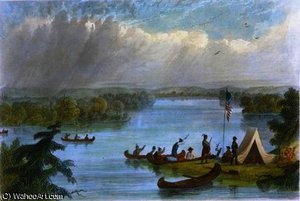
सेथ ईस्टमैन का चित्र

37 सबसे प्रसिद्ध सेथ ईस्टमैन पेंटिंग्स, एक गैलरी चयन

नवमबर 2026 में अपडेट किया गया · हमारे लोकप्रियता स्कोर (प्रत्येक कृति के लिए खोज, विज़िट और ऑर्डर) के आधार पर रैंक किया गया · 37 कृतियाँ सेथ ईस्टमैन की हमारे कैटलॉग में

संक्षेप में

सेथ ईस्टमैन द्वारा छोड़ी गई सभी मूल कृतियों में से, सबसे प्रसिद्ध Sioux Indians Breaking Up Camp (1848) है, जो बोस्टन के म्यूजियम ऑफ फाइन आर्ट्स के संग्रह में है। इसके ठीक बाद Dakotah village और Gathering Wild Rice का स्थान आता है। हमारे कैटलॉग में सेथ ईस्टमैन की 37 कृतियाँ हैं; गैलरी ने उन 37 कृतियों को सहेज कर रखा है जिन्हें दुनिया सबसे अधिक पसंद करती है, जिनमें से प्रत्येक को उनकी तिथि, उनके संग्रहालय और उनकी कहानी के साथ प्रदर्शित किया गया है।

1808 – 1875, ब्रुनस्विक Hudson river school सर्वाधिक कृतियाँ: Crocker Art Museum

सेथ ईस्टमैन की शीर्ष 10 पेंटिंग: गैलरी का चयन

1
Sioux Indians Breaking Up Camp (1848) द्वारा सेथ ईस्टमैन

Sioux Indians Breaking Up Camp

1848 · Oil On Canvas · म्यूजियम ऑफ फाइन आर्ट्स, बोस्टन

The scene unfolds in Sioux Indians Breaking Up Camp, a work painted by Seth Eastman. The air feels heavy with the movement of a people in transition, as the community prepares to leave their current site. This painting, dating to about 1848, captures a specific moment of departure across the expansive prairie. The figures move with purpose, tending to their belongings and animals under a vast, shifting sky.

2
Dakotah village द्वारा सेथ ईस्टमैन

Dakotah village

Painting

Dakotah village by Seth Eastman presents a detailed view of a Native American settlement. The scene is set within a grassy area where several people are positioned in various states of movement and rest. A group of individuals sits on the ground beneath umbrellas, which provide shade or protection from the elements. Around them, other people stand or walk through the village, contributing to a sense of constant motion. The…

3
Gathering Wild Rice द्वारा सेथ ईस्टमैन

Gathering Wild Rice

Oil

Gathering Wild Rice by Seth Eastman depicts three individuals navigating a traditional canoe through a marsh or riverine environment. The vessel features a pointed bow and stern, a design characteristic of boats intended for maneuverability in shallow waterways. Tall grasses surround the canoe, rising from the water to create a dense, vegetated setting. The person positioned at the stern uses an oar to steer the craft through the vegetation.

4
Ballplay of the Dakota on the St. Peters River in Winter (1848) द्वारा सेथ ईस्टमैन

Ballplay of the Dakota on the St. Peters River in Winter

1848 · Oil · Amon Carter Museum of American Art, फोर्ट वर्थ

In the quiet, biting chill of an 1848 winter, Seth Eastman captured more than just a landscape; he immortalized a vibrant pulse of life amidst the frost. Ballplay of the Dakota on the St. Peters River in Winter serves as a breathtaking window into a vanished era, where the frozen expanse of the river becomes a stage for communal joy and athletic prowess. The painting depicts a spirited game of…

सेथ ईस्टमैन का चयन जारी है, 11 से 37 तक

वे विषय जिन्होंने सेथ ईस्टमैन का मन मोह लिया

इन मूल कृतियों में बार-बार आने वाले चार विषय, जिनमें से प्रत्येक का सबसे उत्कृष्ट उदाहरण यहाँ प्रस्तुत है।

वे संग्रहालय जहाँ सेथ ईस्टमैन की मूल कृतियाँ रखी गई हैं

वे 7 संग्रहालय जिनमें इस पृष्ठ की सर्वाधिक पेंटिंग्स मौजूद हैं।

संग्रहालय शहर सेथ ईस्टमैन की कृतियाँ इस सूची की पेंटिंग्स
Crocker Art Museum, सैक्रामेंटोCrocker Art Museum सैक्रामेंटो 2 Gathering Grass Seed, San Joaquin Valley, California, Transporting Water and Grass Seed, Valley of San Joaquin, California
म्यूजियम ऑफ फाइन आर्ट्स, बोस्टनम्यूजियम ऑफ फाइन आर्ट्स बोस्टन 1 Sioux Indians Breaking Up Camp
Amon Carter Museum of American Art, फोर्ट वर्थAmon Carter Museum of American Art फोर्ट वर्थ 1 Ballplay of the Dakota on the St. Peters River in Winter
सेंट लुइस आर्ट संग्रहालय, सेंट लुइससेंट लुइस आर्ट संग्रहालय सेंट लुइस 1 Chippewa Encampment on the Upper Mississippi
सिनसिनाटी आर्ट म्यूजियम, सिनसिनाटीसिनसिनाटी आर्ट म्यूजियम सिनसिनाटी 1 Buffalo Hunt
नेशनल गैलरी ऑफ़ आर्ट, वाशिंगटननेशनल गैलरी ऑफ़ आर्ट वाशिंगटन 1 Ball Playing among the Sioux Indians
Minneapolis Institute of Art, मिनियापोलिसMinneapolis Institute of Art मिनियापोलिस 1 The Falls of St. Anthony

सेथ ईस्टमैन वर्ष दर वर्ष: वे मूल कृतियाँ जो प्रत्येक वर्ष को परिभाषित करती हैं

इस चयन में सेथ ईस्टमैन की कालक्रम के अनुसार कृतियाँ केवल 7 वर्षों तक फैली हुई हैं, जो 1845 से 1851 तक हैं: एक संक्षिप्त करियर, जो यहाँ वर्ष-दर-वर्ष दिखाया गया है।

वर्षानुसार कृतियाँ

मूल कृतियों को देखने के लिए एक वर्ष चुनें।

सेथ ईस्टमैन की पेंटिंग्स के बारे में संग्रहकर्ताओं के प्रश्न

सेथ ईस्टमैन किस कृति के लिए सबसे अधिक प्रसिद्ध हैं?उत्तर देखें

Sioux Indians Breaking Up Camp (1848), म्यूजियम ऑफ फाइन आर्ट्स, बोस्टन. इसके बाद Dakotah village और Gathering Wild Rice आते हैं।

Sioux Indians Breaking Up Camp के निर्माण के समय सेथ ईस्टमैन की आयु क्या थी?उत्तर देखें

40 वर्ष की आयु: Sioux Indians Breaking Up Camp 1848 का है, और सेथ ईस्टमैन का जन्म 1808 में हुआ था।

सेथ ईस्टमैन की दस सबसे प्रसिद्ध पेंटिंग्स कौन सी हैं?उत्तर देखें

Sioux Indians Breaking Up Camp, Dakotah village, Gathering Wild Rice, Ballplay of the Dakota on the St. Peters River in Winter, Chippewa Encampment on the Upper Mississippi, Buffalo Hunt, Ball Playing among the Sioux Indians, Lake itsaca, Wabeno Songs, from 'Information Respecting और Indian Burial,। ऊपर दी गई रैंकिंग में प्रत्येक का वर्ष और संग्रहालय दिया गया है।

सेथ ईस्टमैन ने कितनी पेंटिंगें छोड़ीं?उत्तर देखें

हमारे कैटलॉग में सेथ ईस्टमैन की 37 कृतियाँ हैं, जो 1845 से 1851 तक की हैं।

सेथ ईस्टमैन की उत्कृष्ट कृतियाँ किन संग्रहालयों में प्रदर्शित हैं?उत्तर देखें

अधिकतर Crocker Art Museum (सैक्रामेंटो), म्यूजियम ऑफ फाइन आर्ट्स (बोस्टन) और Amon Carter Museum of American Art (फोर्ट वर्थ) में। ऊपर दी गई संग्रहालय तालिका में उन सभी की सूची दी गई है।

सेथ ईस्टमैन ने अपने सबसे प्रसिद्ध कार्यों की रचना किन वर्षों में की थी?उत्तर देखें

1848 में: इस पृष्ठ पर मौजूद 37 कृतियों में से 3 उस समय बनाई गई थीं, जिनमें से Sioux Indians Breaking Up Camp इनमें से हैं।

सेथ ईस्टमैन की पहली और आखिरी प्रसिद्ध मूल कृतियाँ कौन सी हैं?उत्तर देखें

इस पृष्ठ पर, सबसे पुरानी कृति Chippewa Encampment on the Upper Mississippi (1845) है और नवीनतम Ball Playing among the Sioux Indians (1851) है।

सेथ ईस्टमैन ने सबसे अधिक बार किन विषयों को चुना?उत्तर देखें

इस पृष्ठ पर 37 कृतियों में Native american life (3), Music (3) और Grass (2)

सेथ ईस्टमैन ने किस तकनीक का सबसे अधिक उपयोग किया?उत्तर देखें

इस पृष्ठ पर मौजूद 37 कृतियों में से 2 के लिए Oil।

सेथ ईस्टमैन किस कला आंदोलन (art movement) से संबंधित हैं?उत्तर देखें

इस पृष्ठ पर मूल कृतियों को देखते हुए, Hudson river school।

Crocker Art Museum में सेथ ईस्टमैन की कौन सी कृतियाँ प्रदर्शित हैं?उत्तर देखें

Gathering Grass Seed, San Joaquin Valley, California और Transporting Water and Grass Seed, Valley of San Joaquin, California: Crocker Art Museum, सैक्रामेंटो में इस पृष्ठ पर मौजूद कृतियों में से 2 मौजूद हैं।

सेथ ईस्टमैन: जीवन और कार्य

The Dual Vision of a Frontier Chronicler

Seth Eastman lived a life defined by the striking duality of the sword and the brush. As a West Point graduate and a distinguished officer in the United States Army, his early years were forged in the crucible of military discipline and the rugged expanses of the American frontier. During the Mexican-American War, Eastman did not merely navigate challenging terrains as a soldier; he observed them with the keen, analytical eye of a mapmaker. This period of service, marked by bravery and leadership, provided him with a unique vantage point—a perspective that blended the strategic precision of a military officer with the profound sensitivity of an artist.

His journey through the Dakota Territory and his command positions within the expanding West allowed him to witness the dramatic shifts of a nation in motion. While his military career saw him rise through the ranks to become a Lieutenant Colonel, it was his quiet moments of observation that would ultimately secure his place in the annals of American art history.

A Witness to Vanishing Worlds

Perhaps Eastman’s most enduring contribution to the American identity is his role as an ethnographic chronicler. Tasked by Congress with documenting the lives of Native American tribes following the Treaty of Fort Laramie, he undertook arduous expeditions that were as much scientific endeavors as they were artistic ones. His work for Henry Rowe Schoolcraft’s monumental six-volume study stands as a testament to his commitment to accuracy and detail. Through his hundreds of illustrations, Eastman captured the rhythmic pulse of the Sioux tribes in Minnesota and South and Dakota—documenting hunting rituals, sacred ceremonies, and the dignified portraits of tribal elders with an uncompromising realism.

These works are more than mere illustrations; they are windows into a way of life that was being irrevocably altered by the tides of westward expansion. In his depictions of communal joy, such as the spirited ballplay of the Dakota on the frozen St. Peters River, or the quiet dignity of daily survival, Eastman imbued his subjects with a humanity that transcended the colonial gaze. He possessed a rare ability to translate the ephemeral moments of frontier life into permanent visual records, ensuring that the vibrant culture of the Plains peoples would not be lost to the shadows of history. His brush served as a bridge between the known and the unknown, capturing the essence of a world in transition.

The Hudson River Legacy and the Golden West

Artistically, Eastman was deeply rooted in the Hudson River School tradition, a movement characterized by its reverence for the sublime power of nature. His style reflected the meticulous attention to detail and the luminous quality of light that defined his contemporaries, such as Thomas Moran. This influence is evident in his ability to render the landscape not just as a backdrop, but as a living, breathing protagonist in the American story.

This mastery of light and texture extended even to his explorations of the California frontier. In his delicate watercolors depicting the Yokuts people within the San Joaquin Valley, Eastman demonstrated an extraordinary capacity for capturing the translucent layers of the natural world. Whether portraying the purposeful movement of women gathering grass seed or the sweeping vistas of a golden valley, his work remained anchored in a profound connection to the earth. Through this seamless blend of military precision and artistic lyricism, Seth Eastman remains a singular figure—a man who mapped the land and, in doing so, captured its very soul.