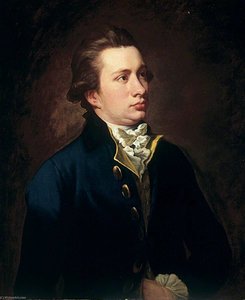
नथानिएल होन द एल्डर का चित्र

34 सबसे प्रसिद्ध नथानिएल होन द एल्डर पेंटिंग्स, एक गैलरी चयन

अक्टूबर 2026 में अपडेट किया गया · हमारे लोकप्रियता स्कोर (प्रत्येक कृति के लिए खोज, विज़िट और ऑर्डर) के आधार पर रैंक किया गया · 48 कृतियाँ नथानिएल होन द एल्डर की हमारे कैटलॉग में

संक्षेप में

नथानिएल होन द एल्डर द्वारा छोड़ी गई सभी मूल कृतियों में से, सबसे प्रसिद्ध Portrait of a Gentleman (1769) है, जो न्यू हेवन के Yale Center for British Art के संग्रह में है। इसके ठीक बाद Portrait of a Lady (1750) और Self-Portrait with an Easel (1747) का स्थान आता है। हमारे कैटलॉग में नथानिएल होन द एल्डर की 48 कृतियाँ हैं; गैलरी ने उन 34 कृतियों को सहेज कर रखा है जिन्हें दुनिया सबसे अधिक पसंद करती है, जिनमें से प्रत्येक को उनकी तिथि, उनके संग्रहालय और उनकी कहानी के साथ प्रदर्शित किया गया है।

1718 – 1784, डबलिन Neoclassicism सर्वाधिक कृतियाँ: National Gallery of Ireland

नथानिएल होन द एल्डर की शीर्ष 10 पेंटिंग: गैलरी का चयन

2
Portrait of a Lady (1750) द्वारा नथानिएल होन द एल्डर

Portrait of a Lady

1750 · Watercolor · Yale Center for British Art, न्यू हेवन

This highly detailed portrait miniature, dating from 1750, presents a formal and elegant depiction of a young woman from the mid-18th century. Housed within the rectangular lid of a decorative, dark tortoiseshell box, the artwork features a central oval portrait framed by a thin gold rim. The subject is shown in a close-up, bust-length view, focusing entirely on her features and adornments.

3
Self-Portrait with an Easel (1747) द्वारा नथानिएल होन द एल्डर

Self-Portrait with an Easel

1747 · Oil · National Gallery of Ireland, डबलिन सिटी

In this intimate oil painting, Self-Portrait with an Easel, the artist Nathaniel Hone the Elder captures himself in a quiet moment of reflection. The work emerges from 1747, a time when the painter is establishing his presence through the medium of portraiture. He presents himself not merely as a subject, but as a practitioner of his craft, leaning into the tools of his trade.

नथानिएल होन द एल्डर का चयन जारी है, 11 से 34 तक

11Portrait of a Lady (1770) द्वारा नथानिएल होन द एल्डरPortrait of a Lady1770 · Rhode Island School of Design Museum of Art 12Portrait of a Lady (1766) द्वारा नथानिएल होन द एल्डरPortrait of a Lady1766 · Yale Center for British Art 13Self Portrait (1768) द्वारा नथानिएल होन द एल्डरSelf Portrait1768 14Self-Portrait (1780) द्वारा नथानिएल होन द एल्डरSelf-Portrait1780 · National Gallery of Ireland 15Portrait of a Gentleman (1784) द्वारा नथानिएल होन द एल्डरPortrait of a Gentleman1784 · National Gallery of Ireland 16Frances Cole (née Wager) (1776) द्वारा नथानिएल होन द एल्डरFrances Cole (née Wager)1776 · Yale Center for British Art 17Benjamin Cole (1776) द्वारा नथानिएल होन द एल्डरBenjamin Cole1776 · Yale Center for British Art 18Portrait of a Woman (called 'Anne Craster, d.1832') (1784) द्वारा नथानिएल होन द एल्डरPortrait of a Woman (called 'Anne Craster, d.1832')1784 · Bodleian Libraries 19David Colyear (1736–1756), Viscount Milsington (1755) द्वारा नथानिएल होन द एल्डरDavid Colyear (1736–1756), Viscount Milsington1755 · National Trust 20Sir John Durbin (1734–1814) (1757) द्वारा नथानिएल होन द एल्डरSir John Durbin (1734–1814)1757 · National Trust 21Nathaniel Curzon (1726–1804), 1st Baron Scarsdale, and His Wife Lady Caroline Colyear (1733–1812), Lady Scarsdale, Walking in the Grounds at Kedleston (1761) द्वारा नथानिएल होन द एल्डरNathaniel Curzon (1726–1804), 1st Baron Scarsdale, and His Wife Lady Caroline Colyear (1733–1812), Lady Scarsdale, Walking in the Grounds at Kedleston1761 · National Trust 22Charles Lee Lewes (1740–1803) (1767) द्वारा नथानिएल होन द एल्डरCharles Lee Lewes (1740–1803)1767 · द बार्बर इंस्टीट्यूट ऑफ फाइन आर्ट्स 23John Wesley (1766) द्वारा नथानिएल होन द एल्डरJohn Wesley1766 · नेशनल पोर्ट्रेट गैलरी 24Bartholomew Ruspini (1728–1813), Chevalier, with Family (1775) द्वारा नथानिएल होन द एल्डरBartholomew Ruspini (1728–1813), Chevalier, with Family1775 · The Royal College of Surgeons of Edinburgh 25General Lloyd (1773) द्वारा नथानिएल होन द एल्डरGeneral Lloyd1773 · फिट्ज़विलियम कॉलेज 26Sir John Fielding (1773) द्वारा नथानिएल होन द एल्डरSir John Fielding1773 · ला कोर्ट सुप्रीम 27Kitty Fisher (d.1767) (1784) द्वारा नथानिएल होन द एल्डरKitty Fisher (d.1767)1784 28Portrait of a Lady in a Blue Dress, possibly Mrs Mary Barnardiston (1779) द्वारा नथानिएल होन द एल्डरPortrait of a Lady in a Blue Dress, possibly Mrs Mary Barnardiston1779 29The Honourable Mrs Nathaniel Curzon (1778) द्वारा नथानिएल होन द एल्डरThe Honourable Mrs Nathaniel Curzon1778 · फिट्ज़विलियम कॉलेज 30Self-Portrait द्वारा नथानिएल होन द एल्डरSelf-PortraitNational Gallery of Ireland 31Portrait of a Boy द्वारा नथानिएल होन द एल्डरPortrait of a Boy 32Portrait of a Gentleman द्वारा नथानिएल होन द एल्डरPortrait of a GentlemanTemple Newsam House 33Mary Savile (1700–1751), Countess of Thanet द्वारा नथानिएल होन द एल्डरMary Savile (1700–1751), Countess of ThanetAbbot Hall Art Gallery 34The Conjuror (1775) द्वारा नथानिएल होन द एल्डरThe Conjuror1775 · National Gallery of Ireland

वे विषय जिन्होंने नथानिएल होन द एल्डर का मन मोह लिया

इन मूल कृतियों में बार-बार आने वाले चार विषय, जिनमें से प्रत्येक का सबसे उत्कृष्ट उदाहरण यहाँ प्रस्तुत है।

वे संग्रहालय जहाँ नथानिएल होन द एल्डर की मूल कृतियाँ रखी गई हैं

वे 8 संग्रहालय जिनमें इस पृष्ठ की सर्वाधिक पेंटिंग्स मौजूद हैं।

संग्रहालय शहर नथानिएल होन द एल्डर की कृतियाँ इस सूची की पेंटिंग्स
National Gallery of Ireland, डबलिन सिटीNational Gallery of Ireland डबलिन सिटी 7 Self-Portrait with an Easel, A Piping Boy: John Camillus Hone (1759-1836), the Artist's Son, Portrait of a Boy (Horace Hone), Sketching
Yale Center for British Art, न्यू हेवनYale Center for British Art न्यू हेवन 6 Portrait of a Gentleman, Portrait of a Lady, Portrait of a Gentleman
Nationalmuseum, स्टॉकहोमNationalmuseum स्टॉकहोम 2 Self-portrait, Unknown woman (NMB 737)
National Trust, DerbyNational Trust Derby 2 David Colyear (1736–1756), Viscount Milsington, Nathaniel Curzon (1726–1804), 1st Baron Scarsdale, and His Wife Lady Caroline Colyear (1733–1812), Lady Scarsdale, Walking in the Grounds at Kedleston
फिट्ज़विलियम कॉलेज, Cambridgeफिट्ज़विलियम कॉलेज Cambridge 2 General Lloyd, The Honourable Mrs Nathaniel Curzon
Musée Cognacq-Jay, पेरिसMusée Cognacq-Jay पेरिस 1 Portrait of a Young Woman with a Blue Kerchief
मेट्रोपॉलिटन म्यूज़ियम ऑफ़ आर्ट, न्यूयॉर्कमेट्रोपॉलिटन म्यूज़ियम ऑफ़ आर्ट न्यूयॉर्क 1 Portrait of a Man
Rhode Island School of Design Museum of Art, ProvidenceRhode Island School of Design Museum of Art Providence 1 Portrait of a Lady

नथानिएल होन द एल्डर दशक दर दशक: प्रत्येक को परिभाषित करने वाली मूल कृतियाँ

दशकवार कृतियाँ

उस दशक को चुनें जो उसकी पहचान है और उसकी मूल कृतियाँ देखें।

नथानिएल होन द एल्डर की पेंटिंग्स के बारे में संग्रहकर्ताओं के प्रश्न

नथानिएल होन द एल्डर किस कृति के लिए सबसे अधिक प्रसिद्ध हैं?उत्तर देखें

Portrait of a Gentleman (1769), Yale Center for British Art, न्यू हेवन. इसके बाद Portrait of a Lady (1750) और Self-Portrait with an Easel (1747) आते हैं।

Portrait of a Gentleman के निर्माण के समय नथानिएल होन द एल्डर की आयु क्या थी?उत्तर देखें

51 वर्ष की आयु: Portrait of a Gentleman 1769 का है, और नथानिएल होन द एल्डर का जन्म 1718 में हुआ था।

नथानिएल होन द एल्डर की दस सबसे प्रसिद्ध पेंटिंग्स कौन सी हैं?उत्तर देखें

Portrait of a Gentleman, Portrait of a Lady, Self-Portrait with an Easel, Portrait of a Young Woman with a Blue Kerchief, Self-portrait, Unknown woman (NMB 737), Portrait of a Man, Portrait of a Gentleman, A Piping Boy: John Camillus Hone (1759-1836), the Artist's Son और Portrait of a Boy (Horace Hone), Sketching। ऊपर दी गई रैंकिंग में प्रत्येक का वर्ष और संग्रहालय दिया गया है।

नथानिएल होन द एल्डर ने कितनी पेंटिंगें छोड़ीं?उत्तर देखें

हमारे कैटलॉग में नथानिएल होन द एल्डर की 48 कृतियाँ हैं, जो 1747 से 1784 तक की हैं।

नथानिएल होन द एल्डर की उत्कृष्ट कृतियाँ किन संग्रहालयों में प्रदर्शित हैं?उत्तर देखें

अधिकतर National Gallery of Ireland (डबलिन सिटी), Yale Center for British Art (न्यू हेवन) और Nationalmuseum (स्टॉकहोम) में। ऊपर दी गई संग्रहालय तालिका में उन सभी की सूची दी गई है।

नथानिएल होन द एल्डर ने अपने सबसे प्रसिद्ध कार्यों की रचना किन वर्षों में की थी?उत्तर देखें

1760s में: इस पृष्ठ पर मौजूद 34 कृतियों में से 11 उस समय बनाई गई थीं, जिनमें से Portrait of a Gentleman इनमें से हैं।

नथानिएल होन द एल्डर की पहली और आखिरी प्रसिद्ध मूल कृतियाँ कौन सी हैं?उत्तर देखें

इस पृष्ठ पर, सबसे पुरानी कृति Self-Portrait with an Easel (1747) है और नवीनतम Portrait of a Gentleman (1784) है।

नथानिएल होन द एल्डर ने सबसे अधिक बार किन विषयों को चुना?उत्तर देखें

इस पृष्ठ पर 34 कृतियों में 18th century (4), Portrait (3) और Man (2)

नथानिएल होन द एल्डर ने किस तकनीक का सबसे अधिक उपयोग किया?उत्तर देखें

इस पृष्ठ पर मौजूद 34 कृतियों में से 2 के लिए Watercolor।

नथानिएल होन द एल्डर किस कला आंदोलन (art movement) से संबंधित हैं?उत्तर देखें

इस पृष्ठ पर मूल कृतियों को देखते हुए, Neoclassicism और Rococo।

National Gallery of Ireland में नथानिएल होन द एल्डर की कौन सी कृतियाँ प्रदर्शित हैं?उत्तर देखें

Self-Portrait with an Easel, A Piping Boy: John Camillus Hone (1759-1836), the Artist's Son और Portrait of a Boy (Horace Hone), Sketching: National Gallery of Ireland, डबलिन सिटी में इस पृष्ठ पर मौजूद कृतियों में से 7 मौजूद हैं।

नथानिएल होन द एल्डर: जीवन और कार्य

Nathaniel Hone I (1718 – 1784): Bridging Rococo Elegance and Barbizon Landscape

Nathaniel Hone I, born in Dublin around 1718, stands as a pivotal figure in the transition between Rococo and Neoclassical art movements. His artistic journey spanned across Ireland and London, leaving behind a legacy of exquisitely detailed portraits alongside landscapes imbued with a distinctly Barbizon spirit—a stylistic blend that cemented his place within the broader context of eighteenth-century European painting.
  • Early Life & Training: Hone’s formative years were spent in Dublin, where he received instruction from Francis Bacon and Jonathan Richardson Sr., two prominent Irish portraitists who championed a dramatic, theatrical style rooted in illusionism. This influence profoundly shaped Hone's approach to depicting figures—particularly the aristocratic clientele of his time—emphasizing expressive gesture and psychological insight.
  • Parisian Period (1740 – 1768): Hone embarked on a transformative period of artistic development in Paris, immersing himself in the vibrant intellectual and artistic milieu of the Enlightenment. He studied under Jean-Simon Bailly and Jacques-Louis David, absorbing the principles of Neoclassical idealism and honing his technical skills. This Parisian experience undeniably broadened his stylistic horizons.
  • Return to London & Landscape Innovation: Returning to London in 1768, Hone continued to produce portraits but simultaneously cultivated a distinctive landscape style—a reaction against the prevailing academic tradition. Drawing inspiration from Claude Lorrain and Gaspard Roubaix, he embraced the Barbizon technique, prioritizing atmospheric perspective and tonal modulation to convey the grandeur of the Irish countryside.

Notable Works & Artistic Style

Hone’s oeuvre comprises a remarkable collection of portraits—many commissioned by members of the British aristocracy—characterized by meticulous detail and psychological nuance. His depictions of figures like ‘The Honourable Mrs Curzon,’ exemplify Rococo elegance, utilizing pastel hues and delicate ornamentation to convey aristocratic status. Simultaneously, Hone's landscapes—such as “Portrait of a Gentleman”—demonstrate his mastery of Barbizon principles, capturing the rugged beauty of Ireland with muted colors and textured brushstrokes. He skillfully blended illusionistic techniques with tonal gradations, creating images that resonate with emotional depth.
  • ‘The Honourable Mrs Curzon’ (1778): This miniature showcases Hone's exceptional skill in capturing the subtleties of facial expression and posture—a hallmark of Rococo portraiture. The pastel palette contributes to an atmosphere of refined grace, reflecting the social conventions of the era.
  • “Portrait of a Gentleman” (circa 1770): Hone’s depiction of a gentleman exemplifies Neoclassical ideals through its restrained composition and idealized portrayal. The artist skillfully employs tonal modulation to convey dignity and composure.

Influence & Legacy

Nathaniel Hone I exerted considerable influence on subsequent generations of artists, particularly those exploring the Barbizon landscape style. His pioneering approach to tonal painting—characterized by gradual transitions between light and dark—became a cornerstone of the Barbizon movement’s aesthetic sensibility. Furthermore, Hone's commitment to psychological realism—evident in his portraits—challenged prevailing artistic conventions and paved the way for more introspective representations of human subjects. Despite a relatively short career, Hone I left an indelible mark on British art history.

Death & Recognition

Nathaniel Hone I died in London in 1784, leaving behind a substantial body of work that continues to be admired for its artistic merit and technical virtuosity. His landscapes—particularly ‘The Honourable Mrs Curzon’—remain treasured examples of eighteenth-century art, demonstrating Hone's enduring contribution to the stylistic evolution of his time.