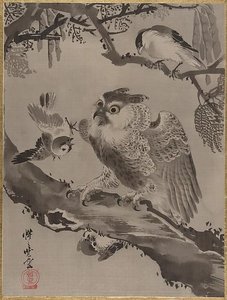
कावानाबे क्योसाई का चित्र

72 सबसे प्रसिद्ध कावानाबे क्योसाई पेंटिंग्स, जिनमें से प्रत्येक अद्वितीय है

नवमबर 2026 में अपडेट किया गया · हमारे लोकप्रियता स्कोर (प्रत्येक कृति के लिए खोज, विज़िट और ऑर्डर) के आधार पर रैंक किया गया · 72 कृतियाँ कावानाबे क्योसाई की हमारे कैटलॉग में

संक्षेप में

Three Kyōgen Dancers (801) वह कावानाबे क्योसाई की पेंटिंग है जो सबसे अधिक ध्यान आकर्षित करती है; इसका मूल मेट्रोपॉलिटन म्यूज़ियम ऑफ़ आर्ट, न्यूयॉर्क में है। इसके बाद, दृष्टि Sketches of East Asian Legendary Figures (801) और Yang Guifei Adjusting her Hair (1850) पर जाती है। हमारे कैटलॉग में कावानाबे क्योसाई की 72 कृतियों में से, ये 72 सबसे प्रसिद्ध हैं, जिनमें से प्रत्येक को उसके वर्ष, उसके संग्रहालय और उसके चिरस्थायी होने के कारण के साथ एक अद्वितीय मूल कृति के रूप में प्रस्तुत किया गया है।

1831 – 1889, कोगा Ukiyo-e सर्वाधिक कृतियाँ: मेट्रोपॉलिटन म्यूज़ियम ऑफ़ आर्ट

गैलरी की दृष्टि से कावानाबे क्योसाई की शीर्ष 10 पेंटिंग्स

1
Three Kyōgen Dancers (801) द्वारा कावानाबे क्योसाई

Three Kyōgen Dancers

A preliminary ink drawing captures three performers in the midst of a kyōgen dance. These figures, rendered with a fluid and spontaneous energy, embody the comedic essence of traditional Japanese theater. Each dancer is frozen in a distinct, expressive pose that suggests movement and rhythmic timing. One figure holds a drum, another a fan, and the third a bag, marking the specific roles and props essential to the performance. The…

2
Sketches of East Asian Legendary Figures (801) द्वारा कावानाबे क्योसाई

Sketches of East Asian Legendary Figures

The ink flows across the paper, capturing a moment of quietude and myth. In this black and white drawing, figures from the realm of legend emerge from the shadows of the everyday. We see Japanese figures like Daikoku and Urashima Tarō sharing space with Chinese immortals and the Twenty-Four Paragons of Filial Piety. There is a strange, casual intimacy to the scene, as if these divine and legendary beings have…

3
Yang Guifei Adjusting her Hair (1850) द्वारा कावानाबे क्योसाई

Yang Guifei Adjusting her Hair

In "Yang Guifei Adjusting her Hair" by Kawanabe Kyōsai, the brush captures a moment of quiet preparation. The subject is Yang Guifei, a woman known to history as Lady Yang. She was the beloved consort of Emperor Xuanzong of Tang and remains celebrated as one of the Four Beauties of ancient China. Here, she is a figure of grace, focused on the delicate task of arranging her hair.

4
Yamauba and Kintarō (1850) द्वारा कावानाबे क्योसाई

Yamauba and Kintarō

In this vertical composition, Kawanabe Kyōsai presents a dynamic encounter between two figures from Japanese folklore. The work, created about 1850, centers on the mountain hag Yamauba and the superhuman child Kintarō. A large, standing female figure dominates the space, her presence defined by the voluminous folds of her robes. Beside her, a smaller, crouching male figure provides a sense of scale and tension. The arrangement of these two bodies…

5
Hell Courtesan (1870) द्वारा कावानाबे क्योसाई

Hell Courtesan

The scene unfolds within the delicate confines of a hanging scroll, where the figure of the Hell Courtesan, known in Japanese as Jigoku Tayū, emerges from the silk. This work, titled Hell Courtesan, captures a moment of profound stillness and spiritual weight. The artist, Kawanabe Kyōsai, brings this legendary character to life through a composition that balances the elegance of a high-ranking courtesan with the unsettling imagery of the afterlife.…

6
Frolicking Figures and Animals (1870) द्वारा कावानाबे क्योसाई

Frolicking Figures and Animals

In this horizontal handscroll from 1870, we find a quiet, almost whispered dialogue between human presence and the natural world. The composition relies heavily on the use of negative space, a deliberate emptiness that allows the viewer to focus entirely on the gestural energy of the brushstrokes. It is a work of profound restraint, where the absence of color speaks more loudly than a full palette could. The monochromatic shades…

7
Calligraphy and Painting Party (1877) द्वारा कावानाबे क्योसाई

Calligraphy and Painting Party

1877 · Ink On Paper

Calligraphy and Painting Party is a hanging scroll created by the Japanese painter and caricaturist Kawanabe Kyōsai. Born in 1831 in Koga, Japan, the artist navigated the shifting tides of the Edo and Meiji periods. This work dates to 1880, a moment when his brush captured the restless energy of a changing nation. His hand moved with the precision of a trained scholar and the wit of a satirist.

8
Wisteria Maiden and Demon Priest (1872) द्वारा कावानाबे क्योसाई

Wisteria Maiden and Demon Priest

1872 · Ink · Minneapolis Institute of Art, मिनियापोलिस

In this work, Wisteria Maiden and Demon Priest, Kawanabe Kyōsai presents a dramatic encounter between a maiden and a demon priest. The composition is centered on a woman dressed in an ornate, multi-colored kimono featuring red, blue, and white patterns. She appears to dance or float gracefully above a crouching, monstrous figure. This figure, the demon priest, is depicted with a weathered, muscular, and grotesque face, wearing dark, heavy robes…

9
Painting Party (1880) द्वारा कावानाबे क्योसाई

Painting Party

1880 · Woodblock Print · क्लीवलैंड म्यूज़ियम ऑफ़ आर्ट, क्लीवलैंड

Painting Party is a traditional Japanese ukiyo-e woodblock print by Kawanabe Kyōsai. The artist, born in 1831 in Koga, Japan, lived until 1889. This work emerged from a life defined by the shifting currents of the Meiji era. It captures a specific moment of social gathering through the precision of the woodblock medium.

कावानाबे क्योसाई की प्रसिद्ध पेंटिंग्स, संख्या 11 से 72 तक

11Hell Courtesan (1880) द्वारा कावानाबे क्योसाईHell Courtesan1880 12Jurōjin [center of a triptych] (1884) द्वारा कावानाबे क्योसाईJurōjin [center of a triptych]1884 · Minneapolis Institute of Art 13Theatre Curtain of Shintomi-za, with an Impromputu Sketch Monster (1880) द्वारा कावानाबे क्योसाईTheatre Curtain of Shintomi-za, with an Impromputu Sketch Monster1880 14Squirrels Eating Chestnuts (1886) द्वारा कावानाबे क्योसाईSquirrels Eating Chestnuts1886 · लॉस एंजिल्स काउंटी म्यूज़ियम ऑफ़ आर्ट 15A Beauty in Front of King Enma's Mirror (1887) द्वारा कावानाबे क्योसाईA Beauty in Front of King Enma's Mirror1887 16Urashima Tarō Riding on a Tortoise (1888) द्वारा कावानाबे क्योसाईUrashima Tarō Riding on a Tortoise1888 · मेट्रोपॉलिटन म्यूज़ियम ऑफ़ आर्ट 17Two Children Playing with Goldfish (1887) द्वारा कावानाबे क्योसाईTwo Children Playing with Goldfish1887 · मेट्रोपॉलिटन म्यूज़ियम ऑफ़ आर्ट 18Two Birds on a Branch (1887) द्वारा कावानाबे क्योसाईTwo Birds on a Branch1887 · मेट्रोपॉलिटन म्यूज़ियम ऑफ़ आर्ट 19Singing Bird on a Branch (1887) द्वारा कावानाबे क्योसाईSinging Bird on a Branch1887 · मेट्रोपॉलिटन म्यूज़ियम ऑफ़ आर्ट 20滝に燕図 Swallows by a Waterfall (1887) द्वारा कावानाबे क्योसाई滝に燕図 Swallows by a Waterfall1887 · मेट्रोपॉलिटन म्यूज़ियम ऑफ़ आर्ट 21Tale of the Tongue-cut Sparrow (1800) द्वारा कावानाबे क्योसाईTale of the Tongue-cut Sparrow1800 · लॉस एंजिल्स काउंटी म्यूज़ियम ऑफ़ आर्ट 22Sketches of Birds and Animals (1870) द्वारा कावानाबे क्योसाईSketches of Birds and Animals1870 · मेट्रोपॉलिटन म्यूज़ियम ऑफ़ आर्ट 23Three Crossbills on a Leafless Tree (1878) द्वारा कावानाबे क्योसाईThree Crossbills on a Leafless Tree1878 · Minneapolis Institute of Art 24Chinese-style Landscape with Man Fishing from a Boat by Moonlight [right of a triptych] (1884) द्वारा कावानाबे क्योसाईChinese-style Landscape with Man Fishing from a Boat by Moonlight [right of a triptych]1884 · Minneapolis Institute of Art 25Landscape with River in Mountainous Country [left of a triptych] (1884) द्वारा कावानाबे क्योसाईLandscape with River in Mountainous Country [left of a triptych]1884 · Minneapolis Institute of Art 26猿を襲う鷲図 Eagle Attacking a Monkey (1885) द्वारा कावानाबे क्योसाई猿を襲う鷲図 Eagle Attacking a Monkey1885 · मेट्रोपॉलिटन म्यूज़ियम ऑफ़ आर्ट 27兎を追う鷲図 Eagle Pursuing Rabbit (1885) द्वारा कावानाबे क्योसाई兎を追う鷲図 Eagle Pursuing Rabbit1885 · मेट्रोपॉलिटन म्यूज़ियम ऑफ़ आर्ट 28Eagle Attacking a Mountain Lion (1885) द्वारा कावानाबे क्योसाईEagle Attacking a Mountain Lion1885 · मेट्रोपॉलिटन म्यूज़ियम ऑफ़ आर्ट 29White Eagle Eyeing a Mountain Lion (1885) द्वारा कावानाबे क्योसाईWhite Eagle Eyeing a Mountain Lion1885 · मेट्रोपॉलिटन म्यूज़ियम ऑफ़ आर्ट 30Rocky Landscape (1887) द्वारा कावानाबे क्योसाईRocky Landscape1887 · मेट्रोपॉलिटन म्यूज़ियम ऑफ़ आर्ट 31Crow on a Branch (1887) द्वारा कावानाबे क्योसाईCrow on a Branch1887 · मेट्रोपॉलिटन म्यूज़ियम ऑफ़ आर्ट 32Untitled (D2X7KF) (1887) द्वारा कावानाबे क्योसाईUntitled (D2X7KF)1887 · मेट्रोपॉलिटन म्यूज़ियम ऑफ़ आर्ट 33Fox Catching Bird (1887) द्वारा कावानाबे क्योसाईFox Catching Bird1887 · मेट्रोपॉलिटन म्यूज़ियम ऑफ़ आर्ट 34Bird and Frog (1887) द्वारा कावानाबे क्योसाईBird and Frog1887 · मेट्रोपॉलिटन म्यूज़ियम ऑफ़ आर्ट 35松に鴉図 Two Crows on a Pine Branch (1887) द्वारा कावानाबे क्योसाई松に鴉図 Two Crows on a Pine Branch1887 · मेट्रोपॉलिटन म्यूज़ियम ऑफ़ आर्ट 36Cranes in Marsh (1887) द्वारा कावानाबे क्योसाईCranes in Marsh1887 · मेट्रोपॉलिटन म्यूज़ियम ऑफ़ आर्ट 37Buffalo and Herdsman (1887) द्वारा कावानाबे क्योसाईBuffalo and Herdsman1887 · मेट्रोपॉलिटन म्यूज़ियम ऑफ़ आर्ट 38柳に鴉図 Crow and Willow Tree (1887) द्वारा कावानाबे क्योसाई柳に鴉図 Crow and Willow Tree1887 · मेट्रोपॉलिटन म्यूज़ियम ऑफ़ आर्ट 39岩に鴉図 Crow on a Rock (1887) द्वारा कावानाबे क्योसाई岩に鴉図 Crow on a Rock1887 · मेट्रोपॉलिटन म्यूज़ियम ऑफ़ आर्ट 40Owl Mocked by Small Birds (1887) द्वारा कावानाबे क्योसाईOwl Mocked by Small Birds1887 · मेट्रोपॉलिटन म्यूज़ियम ऑफ़ आर्ट 41木に鴉図 Crow on a Branch (1887) द्वारा कावानाबे क्योसाई木に鴉図 Crow on a Branch1887 · मेट्रोपॉलिटन म्यूज़ियम ऑफ़ आर्ट 42竹に鴉図 Crow on a Bamboo Branch (1887) द्वारा कावानाबे क्योसाई竹に鴉図 Crow on a Bamboo Branch1887 · मेट्रोपॉलिटन म्यूज़ियम ऑफ़ आर्ट 43旭に群鴉図 Flock of Crows at Dawn (1887) द्वारा कावानाबे क्योसाई旭に群鴉図 Flock of Crows at Dawn1887 · मेट्रोपॉलिटन म्यूज़ियम ऑफ़ आर्ट 44ムクドリ図 Starlings on a Branch (1887) द्वारा कावानाबे क्योसाईムクドリ図 Starlings on a Branch1887 · मेट्रोपॉलिटन म्यूज़ियम ऑफ़ आर्ट 45Fish in a Whirlpool (1887) द्वारा कावानाबे क्योसाईFish in a Whirlpool1887 · मेट्रोपॉलिटन म्यूज़ियम ऑफ़ आर्ट 46富士図 Mount Fuji (1887) द्वारा कावानाबे क्योसाई富士図 Mount Fuji1887 · मेट्रोपॉलिटन म्यूज़ियम ऑफ़ आर्ट 47Rocky Landscape (1887) द्वारा कावानाबे क्योसाईRocky Landscape1887 · मेट्रोपॉलिटन म्यूज़ियम ऑफ़ आर्ट 48瓜に鼠図 Mice in a Melon (1887) द्वारा कावानाबे क्योसाई瓜に鼠図 Mice in a Melon1887 49Eagle Attacking Fish (1887) द्वारा कावानाबे क्योसाईEagle Attacking Fish1887 · मेट्रोपॉलिटन म्यूज़ियम ऑफ़ आर्ट 50Squirrels Gathering Chestnuts (1887) द्वारा कावानाबे क्योसाईSquirrels Gathering Chestnuts1887 · मेट्रोपॉलिटन म्यूज़ियम ऑफ़ आर्ट 51Monkey Hanging from Grapevines (1887) द्वारा कावानाबे क्योसाईMonkey Hanging from Grapevines1887 · मेट्रोपॉलिटन म्यूज़ियम ऑफ़ आर्ट 52雪中鴉図 Crow Flying in the Snow (1887) द्वारा कावानाबे क्योसाई雪中鴉図 Crow Flying in the Snow1887 · मेट्रोपॉलिटन म्यूज़ियम ऑफ़ आर्ट 53Waterfall, Eagle and Monkey (1887) द्वारा कावानाबे क्योसाईWaterfall, Eagle and Monkey1887 · मेट्रोपॉलिटन म्यूज़ियम ऑफ़ आर्ट 54月に鴉図 Crow and the Moon (1887) द्वारा कावानाबे क्योसाई月に鴉図 Crow and the Moon1887 · मेट्रोपॉलिटन म्यूज़ियम ऑफ़ आर्ट 55Pheasant Caught by a Snake (1887) द्वारा कावानाबे क्योसाईPheasant Caught by a Snake1887 · मेट्रोपॉलिटन म्यूज़ियम ऑफ़ आर्ट 56Shakyamuni Conquering the Demons (Shaka Gōma zu) (1888) द्वारा कावानाबे क्योसाईShakyamuni Conquering the Demons (Shaka Gōma zu)1888 · मेट्रोपॉलिटन म्यूज़ियम ऑफ़ आर्ट 57Eagle Holding Small Bird (1887) द्वारा कावानाबे क्योसाईEagle Holding Small Bird1887 · मेट्रोपॉलिटन म्यूज़ियम ऑफ़ आर्ट 58Monkeys (1888) द्वारा कावानाबे क्योसाईMonkeys1888 · मेट्रोपॉलिटन म्यूज़ियम ऑफ़ आर्ट 59Deer and Monkeys (1887) द्वारा कावानाबे क्योसाईDeer and Monkeys1887 · मेट्रोपॉलिटन म्यूज़ियम ऑफ़ आर्ट 60Rabbits (1887) द्वारा कावानाबे क्योसाईRabbits1887 · मेट्रोपॉलिटन म्यूज़ियम ऑफ़ आर्ट 61Cat Catching a Frog (1887) द्वारा कावानाबे क्योसाईCat Catching a Frog1887 · मेट्रोपॉलिटन म्यूज़ियम ऑफ़ आर्ट 62水辺に鴉図 Crow and Reeds by a Stream (1887) द्वारा कावानाबे क्योसाई水辺に鴉図 Crow and Reeds by a Stream1887 · मेट्रोपॉलिटन म्यूज़ियम ऑफ़ आर्ट 63白衣観音図 White Robed Kannon (1887) द्वारा कावानाबे क्योसाई白衣観音図 White Robed Kannon1887 · मेट्रोपॉलिटन म्यूज़ियम ऑफ़ आर्ट 64Playful Demon द्वारा कावानाबे क्योसाईPlayful DemonYale University Art Gallery 65Frolicking Animals, Nekomata and Tanuki Badger द्वारा कावानाबे क्योसाईFrolicking Animals, Nekomata and Tanuki Badger 66Long Arms [right of a pair of Long Legs and Long Arms] द्वारा कावानाबे क्योसाईLong Arms [right of a pair of Long Legs and Long Arms]Minneapolis Institute of Art 67Long Legs [left of a pair of Long Legs and Long Arms] द्वारा कावानाबे क्योसाईLong Legs [left of a pair of Long Legs and Long Arms]Minneapolis Institute of Art 68Seven Otafukus द्वारा कावानाबे क्योसाईSeven OtafukusMinneapolis Institute of Art 69Tanuki (Racoon Dog) Viewing Its Reflection in Water (801) द्वारा कावानाबे क्योसाईTanuki (Racoon Dog) Viewing Its Reflection in Water801 · मेट्रोपॉलिटन म्यूज़ियम ऑफ़ आर्ट 70Boy’s Day Carp Streamer and Shōki Banner (1870) द्वारा कावानाबे क्योसाईBoy’s Day Carp Streamer and Shōki Banner1870 · मेट्रोपॉलिटन म्यूज़ियम ऑफ़ आर्ट 71Figure Sketches द्वारा कावानाबे क्योसाईFigure Sketches 72Frolicking Figures and Animals द्वारा कावानाबे क्योसाईFrolicking Figures and Animals

कावानाबे क्योसाई की प्रसिद्ध पेंटिंग्स, कालखंड के अनुसार

वे विषय जिन्होंने कावानाबे क्योसाई का मन मोह लिया

इन मूल कृतियों में बार-बार आने वाले चार विषय, जिनमें से प्रत्येक का सबसे उत्कृष्ट उदाहरण यहाँ प्रस्तुत है।

वे संग्रहालय जहाँ कावानाबे क्योसाई की मूल कृतियाँ रखी गई हैं

वे 5 संग्रहालय जिनमें इस पृष्ठ की सर्वाधिक पेंटिंग्स मौजूद हैं।

संग्रहालय शहर कावानाबे क्योसाई की कृतियाँ इस सूची की पेंटिंग्स
मेट्रोपॉलिटन म्यूज़ियम ऑफ़ आर्ट, न्यूयॉर्कमेट्रोपॉलिटन म्यूज़ियम ऑफ़ आर्ट न्यूयॉर्क 48 Three Kyōgen Dancers, Sketches of East Asian Legendary Figures, Frolicking Figures and Animals
Minneapolis Institute of Art, मिनियापोलिसMinneapolis Institute of Art मिनियापोलिस 8 Wisteria Maiden and Demon Priest, Jurōjin [center of a triptych], Three Crossbills on a Leafless Tree
लॉस एंजिल्स काउंटी म्यूज़ियम ऑफ़ आर्ट, लॉस एंजिल्सलॉस एंजिल्स काउंटी म्यूज़ियम ऑफ़ आर्ट लॉस एंजिल्स 4 Yang Guifei Adjusting her Hair, Yamauba and Kintarō, Squirrels Eating Chestnuts
क्लीवलैंड म्यूज़ियम ऑफ़ आर्ट, क्लीवलैंडक्लीवलैंड म्यूज़ियम ऑफ़ आर्ट क्लीवलैंड 2 Hell Courtesan, Painting Party
Yale University Art Gallery, न्यू हेवनYale University Art Gallery न्यू हेवन 1 Playful Demon

दशकों तक कावानाबे क्योसाई: प्रत्येक के लिए एक अद्वितीय मूल कृति

दशकवार कृतियाँ

उस दशक को चुनें जो उसकी पहचान है और उसकी मूल कृतियाँ देखें।

कावानाबे क्योसाई की पेंटिंग्स: गैलरी के लिए प्रश्न

कावानाबे क्योसाई की सबसे प्रसिद्ध कृति कौन सी है?उत्तर देखें

Three Kyōgen Dancers (801), मेट्रोपॉलिटन म्यूज़ियम ऑफ़ आर्ट, न्यूयॉर्क. इसके बाद Sketches of East Asian Legendary Figures (801) और Yang Guifei Adjusting her Hair (1850) आते हैं।

कावानाबे क्योसाई की कौन सी दस पेंटिंग्स सबसे प्रसिद्ध हैं?उत्तर देखें

Three Kyōgen Dancers, Sketches of East Asian Legendary Figures, Yang Guifei Adjusting her Hair, Yamauba and Kintarō, Hell Courtesan, Frolicking Figures and Animals, Calligraphy and Painting Party, Wisteria Maiden and Demon Priest, Painting Party और Night Procession of One Hundred Demons। ऊपर दी गई रैंकिंग में प्रत्येक का वर्ष और संग्रहालय दिया गया है।

कावानाबे क्योसाई की कितनी कृतियाँ ज्ञात हैं?उत्तर देखें

हमारे कैटलॉग में कावानाबे क्योसाई की 72 कृतियाँ हैं, जो 1850 से 1888 तक की हैं।

सबसे प्रसिद्ध कावानाबे क्योसाई मूल कृतियाँ कहाँ देखी जा सकती हैं?उत्तर देखें

अधिकतर मेट्रोपॉलिटन म्यूज़ियम ऑफ़ आर्ट (न्यूयॉर्क), Minneapolis Institute of Art (मिनियापोलिस) और लॉस एंजिल्स काउंटी म्यूज़ियम ऑफ़ आर्ट (लॉस एंजिल्स) में। ऊपर दी गई संग्रहालय तालिका में उन सभी की सूची दी गई है।

कावानाबे क्योसाई ने अपनी सबसे प्रसिद्ध पेंटिंग किस काल के दौरान बनाई थीं?उत्तर देखें

1880s में: इस पृष्ठ पर मौजूद 72 कृतियों में से 52 उस समय बनाई गई थीं, जिनमें से Painting Party इनमें से हैं।

कावानाबे क्योसाई की कौन सी प्रसिद्ध पेंटिंग सबसे पुरानी है, और कौन सी सबसे नवीनतम?उत्तर देखें

इस पृष्ठ पर, सबसे पुरानी कृति Yang Guifei Adjusting her Hair (1850) है और नवीनतम Urashima Tarō Riding on a Tortoise (1888) है।

कावानाबे क्योसाई किन विषयों को पसंद करते थे?उत्तर देखें

इस पृष्ठ पर 72 कृतियों में Animals (8), Woman (6) और Black ink (6)

कावानाबे क्योसाई ने सबसे अधिक किन सामग्रियों से पेंटिंग की?उत्तर देखें

इस पृष्ठ पर मौजूद 72 कृतियों में से 8 के लिए Ink।

कावानाबे क्योसाई की कलाकृति किस आंदोलन (movement) से संबंधित है?उत्तर देखें

इस पृष्ठ पर मूल कृतियों को देखते हुए, Ukiyo-e।

मैं मेट्रोपॉलिटन म्यूज़ियम ऑफ़ आर्ट में कावानाबे क्योसाई की कौन सी मूल कृतियाँ देख सकता हूँ?उत्तर देखें

Three Kyōgen Dancers, Sketches of East Asian Legendary Figures और Frolicking Figures and Animals: मेट्रोपॉलिटन म्यूज़ियम ऑफ़ आर्ट, न्यूयॉर्क में इस पृष्ठ पर मौजूद कृतियों में से 48 मौजूद हैं।

कावानाबे क्योसाई: कलाकार का एक चित्र

स्याही और विद्रोह का एक जीवन

कावानाबे क्योसाई का जन्म 1831 में कोगा में एक समुराई परिवार में हुआ था। उनके शुरुआती वर्ष मृत्यु के साथ एक अचानक और मर्मस्पर्शी मुठभेड़ से प्रभावित थे, जब नौ साल की उम्र में उन्होंने कांडा नदी में एक शव से अलग हुआ मानव सिर देखा था। इस प्रारंभिक झटके के बाद, उन्होंने कानो स्कूल और उतागावा कुनियोशी के उस्तादों के मार्गदर्शन में औपचारिक शिक्षा प्राप्त की। हालाँकि उन्होंने परंपरा के लिए आवश्यक सटीक ब्रशवर्क में महारत हासिल कर ली थी, लेकिन उनकी आत्मा लोकप्रिय स्कूलों की अधिक मुक्त शैलियों की ओर आकर्षित थी। वे एदो चले गए, जहाँ उनके पिता शोगुनत के आधिकारिक अग्निशमन दल में शामिल हो गए, और वहीं क्योसाई ने एक ऐसी पहचान विकसित करना शुरू किया जिसने उनके पूरे करियर को परिभाषित किया।

उनका मार्ग कभी भी शांत आज्ञाकारिता का नहीं रहा। एदो काल से लेकर मेजी युग तक के राजनीतिक परिवर्तनों के दौरान, वे आकर्षण और घर्षण दोनों के केंद्र बन गए। उन्हें शोगुनत के अधिकारियों द्वारा तीन बार गिरफ्तार किया गया था, अक्सर उनके काम की व्यंग्यात्मक प्रकृति के कारण, जो सरकारी अधिकारियों का मज़ाक उड़ाता था और प्रचलित नीतियों की आलोचना करता था। कानून के साथ इन मुठभेड़ों ने उनकी रचनात्मकता को कम नहीं किया; बल्कि, इसने एक स्वतंत्र विचारक के रूप में उनकी प्रतिष्ठा को और मजबूत किया। उनकी कला एक ऐसे राष्ट्र की उथल-पुथल को दर्शाती थी जो एक सामंती राज्य से एक आधुनिक शक्ति में बदल रहा था।

ब्रश का दानव

क्योसाई का तकनीकी कौशल एक जंगली और अनुशासित ऊर्जा के साथ मेल खाता था। उन्होंने शुचू गाकी, या "पेंटिंग डेमन" (चित्रकारी का दानव) उपनाम कमाया, एक ऐसी उपाधि जिसे उन्होंने अपने काम में विभिन्न मुहरों (seals) के उपयोग के माध्यम से अपनाया था। उनका विषय वस्तु विशाल और अक्सर विचित्र थी, जो धार्मिक से लेकर वीभत्स तक फैली हुई थी। उन्होंने अपने कैनवास को राक्षसों, कंकालों, मेंढकों और जानवरों से भर दिया, और अक्सर उनमें मानवीय हास्य या राजनीतिक महत्व भर दिया। एक उल्लेखनीय लंबा चित्र, द बैटल ऑफ द फारट्स, ने शुद्ध व्यंग्य के माध्यम से उनके युग के राजनीतिक उथल-पुथल को कैद किया।

उनकी रचनात्मक प्रक्रिया उनके विषयों की तरह ही पौराणिक थी। कहा जाता था कि वे रात भर शराब पीने के बाद भी पेंटिंग कर सकते थे, एक ऐसी अवस्था में प्रवेश कर सकते थे जहाँ ब्रश सहज गति से चलता था। इस सहज शैली को कभी-कभी क्योगा या "पागल चित्र" कहा जाता था, जिसने एक ऐसी तरल रेखांकन शैली को जन्म दिया जो जीवंत महसूस होती थी। हालाँकि उनके पास कानो स्कूल की तकनीकी नींव थी, लेकिन उनका काम शांत श्रद्धा के बजाय अराजकता और हास्य की ओर झुका हुआ था। वे एक कुशल वुडब्लॉक प्रिंट कलाकार थे, जिन्होंने क्योसाई हयाकुज़ु और विभिन्न नामाज़ु-ए प्रिंट जैसे कार्य किए जो जनता के बीच बहुत लोकप्रिय हुए।

रेखाओं में एक विरासत

अपनी व्यक्तिगत पेंटिंग से परे, क्योसाई ने दृश्य कहानी कहने (visual storytelling) के विकास में महत्वपूर्ण योगदान दिया। 1874 में, उन्होंने कनागाकी रोबुन के साथ मिलकर पहली मंगा पत्रिका मानी जाने वाली एशिनबुन निप्पोनची बनाने में मदद की। हालाँकि यह प्रकाशन केवल तीन अंकों तक ही चला, लेकिन इसने ग्राफिक मीडिया के एक नए रूप के शुरुआती प्रयास का प्रतिनिधित्व किया। उनका प्रभाव जापान से कहीं आगे तक पहुँचा, क्योंकि उनके कार्य ब्रिटिश संग्रहालय और पेरिस के गुइमेट संग्रहालय जैसे संग्रहों में शामिल हुए। जोशिया कॉंडर जैसे वास्तुकारों सहित पश्चिमी आगंतुकों ने भी उनकी असाधारण क्षमताओं का दस्तावेजीकरण किया।

कलाकार का निधन 1889 में गैस्ट्रिक कैंसर के कारण हुआ। वे अपने पीछे प्रिंट, रेखाचित्रों और एल्बमों के रूप में 10,000 से अधिक कृतियों का एक विशाल संग्रह छोड़ गए। उनका जीवन उस युग का दर्पण था जिसमें वे रहे—अशांत, परिवर्तनशील और अत्यंत जटिल। अपनी स्याही के माध्यम से, मध्य युग से एक आधुनिक औद्योगिक समाज तक के संक्रमण को सबसे अभिव्यंजक स्वर मिला।