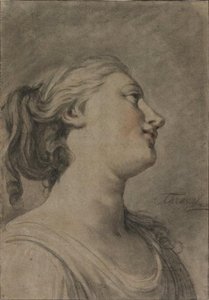
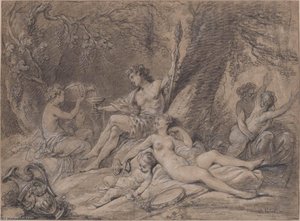
Hugues Taraval का चित्र

26 सबसे प्रसिद्ध Hugues Taraval पेंटिंग्स, जिनमें से प्रत्येक अद्वितीय है

अक्टूबर 2026 में अपडेट किया गया · हमारे लोकप्रियता स्कोर (प्रत्येक कृति के लिए खोज, विज़िट और ऑर्डर) के आधार पर रैंक किया गया · 27 कृतियाँ Hugues Taraval की हमारे कैटलॉग में

संक्षेप में

The Infant Hercules Strangling Serpents in his Cradle (1785) वह Hugues Taraval की पेंटिंग है जो सबसे अधिक ध्यान आकर्षित करती है। इसके बाद, दृष्टि Hercules Strangling the Serpents in His Cradle (1750) और The Triumph of Amphitrite (1775) पर जाती है। हमारे कैटलॉग में Hugues Taraval की 27 कृतियों में से, ये 26 सबसे प्रसिद्ध हैं, जिनमें से प्रत्येक को उसके वर्ष, उसके संग्रहालय और उसके चिरस्थायी होने के कारण के साथ एक अद्वितीय मूल कृति के रूप में प्रस्तुत किया गया है।

1729 – 1785, Paris सर्वाधिक कृतियाँ: Musée Bonnat-Helleu

गैलरी की दृष्टि से Hugues Taraval की शीर्ष 10 पेंटिंग्स

1
The Infant Hercules Strangling Serpents in his Cradle (1785) द्वारा Hugues Taraval

The Infant Hercules Strangling Serpents in his Cradle

1785 · Oil

In this 1785 composition, we find ourselves witnessing a quiet yet profound moment of divine destiny. The scene captures the infant Hercules in his cradle, a setting that should suggest peace but instead holds a sudden, violent struggle. Two serpents, sent to end the hero's life before his legend could truly begin, find themselves caught in the grip of a child. There is a striking contrast between the vulnerability of…

2
Hercules Strangling the Serpents in His Cradle (1750) द्वारा Hugues Taraval

Hercules Strangling the Serpents in His Cradle

1750 · Oil On Canvas · Musée Bonnat-Helleu, बायोन

The oil painting titled Hercules Strangling the Serpents in His Cradle was executed by the French painter Hugues Taraval. Dated 1785, this work depicts a specific episode from classical mythology. The scene focuses on the infant Hercules as he engages in a struggle with serpents. These creatures were sent by the goddess Hera to threaten the child in his nursery.

Hugues Taraval की प्रसिद्ध पेंटिंग्स, संख्या 11 से 26 तक

वे विषय जिन्होंने Hugues Taraval का मन मोह लिया

इन मूल कृतियों में बार-बार आने वाले चार विषय, जिनमें से प्रत्येक का सबसे उत्कृष्ट उदाहरण यहाँ प्रस्तुत है।

वे संग्रहालय जहाँ Hugues Taraval की मूल कृतियाँ रखी गई हैं

वे 6 संग्रहालय जिनमें इस पृष्ठ की सर्वाधिक पेंटिंग्स मौजूद हैं।

संग्रहालय शहर Hugues Taraval की कृतियाँ इस सूची की पेंटिंग्स
Musée Bonnat-Helleu, बायोनMusée Bonnat-Helleu बायोन 2 Hercules Strangling the Serpents in His Cradle, The Governor of the Seraglio Chosing the Concubines
Nationalmuseum, स्टॉकहोमNationalmuseum स्टॉकहोम 2 Venus and Adonis, Portrait of a Girl with a Birdcage
Musée Des Beaux, ToursMusée Des Beaux Tours 1 The Triumph of Amphitrite
वालिस कलेक्शन, लंदनवालिस कलेक्शन लंदन 1 The Waking of Cupid
Mead Art Museum, एमहर्स्टMead Art Museum एमहर्स्ट 1 The Triumph of Amphitrite
Château de Fontainebleau, FontainebleauChâteau de Fontainebleau Fontainebleau 1 The Nativity

दशकों तक Hugues Taraval: प्रत्येक के लिए एक अद्वितीय मूल कृति

दशकवार कृतियाँ

उस दशक को चुनें जो उसकी पहचान है और उसकी मूल कृतियाँ देखें।

Hugues Taraval की पेंटिंग्स: गैलरी के लिए प्रश्न

Hugues Taraval की सबसे प्रसिद्ध कृति कौन सी है?उत्तर देखें

The Infant Hercules Strangling Serpents in his Cradle (1785)। इसके बाद Hercules Strangling the Serpents in His Cradle (1750) और The Triumph of Amphitrite (1775) आते हैं।

Hugues Taraval ने The Infant Hercules Strangling Serpents in his Cradle किस उम्र में बनाया था?उत्तर देखें

56 वर्ष की आयु: The Infant Hercules Strangling Serpents in his Cradle 1785 का है, और Hugues Taraval का जन्म 1729 में हुआ था।

Hugues Taraval की कौन सी दस पेंटिंग्स सबसे प्रसिद्ध हैं?उत्तर देखें

The Infant Hercules Strangling Serpents in his Cradle, Hercules Strangling the Serpents in His Cradle, The Triumph of Amphitrite, Autumn, The Feast of Tantalus, The Triumph of Amphitrite, The Nativity, The Cumaean Sibyl Predicts the Birth of Jesus Christ to Augustus and Shows Him a Virgin and a Child in the Sky, The Waking of Cupid और The Triumph of Amphitrite। ऊपर दी गई रैंकिंग में प्रत्येक का वर्ष और संग्रहालय दिया गया है।

Hugues Taraval की कितनी कृतियाँ ज्ञात हैं?उत्तर देखें

हमारे कैटलॉग में Hugues Taraval की 27 कृतियाँ हैं, जो 1750 से 1785 तक की हैं।

सबसे प्रसिद्ध Hugues Taraval मूल कृतियाँ कहाँ देखी जा सकती हैं?उत्तर देखें

अधिकतर Musée Bonnat-Helleu (बायोन), Nationalmuseum (स्टॉकहोम) और Musée Des Beaux (Tours) में। ऊपर दी गई संग्रहालय तालिका में उन सभी की सूची दी गई है।

Hugues Taraval ने अपनी सबसे प्रसिद्ध पेंटिंग किस काल के दौरान बनाई थीं?उत्तर देखें

1780s में: इस पृष्ठ पर मौजूद 26 कृतियों में से 6 उस समय बनाई गई थीं, जिनमें से The Infant Hercules Strangling Serpents in his Cradle इनमें से हैं।

Hugues Taraval की कौन सी प्रसिद्ध पेंटिंग सबसे पुरानी है, और कौन सी सबसे नवीनतम?उत्तर देखें

इस पृष्ठ पर, सबसे पुरानी कृति Hercules Strangling the Serpents in His Cradle (1750) है और नवीनतम The Infant Hercules Strangling Serpents in his Cradle (1785) है।

Hugues Taraval किन विषयों को पसंद करते थे?उत्तर देखें

इस पृष्ठ पर 26 कृतियों में Women (4), Serpents (2) और Cradle (2)

Hugues Taraval ने सबसे अधिक किन सामग्रियों से पेंटिंग की?उत्तर देखें

इस पृष्ठ पर मौजूद 26 कृतियों में से 2 के लिए Oil On Canvas।

मैं Musée Bonnat-Helleu में Hugues Taraval की कौन सी मूल कृतियाँ देख सकता हूँ?उत्तर देखें

Hercules Strangling the Serpents in His Cradle और The Governor of the Seraglio Chosing the Concubines: Musée Bonnat-Helleu, बायोन में इस पृष्ठ पर मौजूद कृतियों में से 2 मौजूद हैं।

Hugues Taraval: कलाकार का एक चित्र

Hugues Taraval: A Pioneer of Rococo Decoration

Hugues Taraval (1729-1785) stands as a pivotal figure in the artistic landscape of 18th century France, particularly renowned for his contributions to decorative arts and mythological painting. Born in Paris amidst the burgeoning fervor of the Baroque era, Taraval’s artistic journey unfolded against the backdrop of a transformative period marked by aristocratic patronage and an embrace of opulent aesthetics—the Rococo style. His legacy resides not merely in individual canvases but in shaping the visual vocabulary of royal palaces and influencing generations of artists.
  • Early Life and Artistic Training:
  • Family Background: Guillaume Taraval, a painter himself, instilled in Hugues a passion for artistic pursuits from an early age.
  • Formal Education: Taraval’s studies commenced with Jean-Baptiste Marie Pierre and Charles-André van Loo at the Académie Royale de peinture et de sculpture, establishing him within the influential artistic circles of Paris.

The Triumph of Amphitrite: A Masterpiece of Rococo Composition

Taraval’s most celebrated work, “The Triumph of Amphitrite,” executed in 1780 for the Galerie d'Apollon at Versailles, exemplifies the stylistic hallmarks of Rococo. This monumental ceiling fresco depicts Zeus’ judgment over Amphitrite and Triton following Poseidon’s defiance—a narrative steeped in classical mythology rendered with breathtaking dynamism and intricate detail. The painting showcases Taraval’s masterful command of chiaroscuro, utilizing dramatic contrasts of light and shadow to heighten emotional impact and sculpt the figures within a swirling vortex of color and texture. Its grandeur reflects the aspirations of Louis XVI's court and cemented Taraval’s reputation as one of the era’s foremost decorators.

Royal Commissions and Architectural Decoration

Beyond his paintings, Taraval secured prestigious commissions throughout France, transforming spaces like Bellevue Château in Meudon and the École Militaire of Paris into opulent showcases of Rococo artistry. His meticulous attention to detail extended beyond mere ornamentation; he conceived entire architectural schemes—including chandeliers—that harmoniously blended artistic vision with structural engineering. These projects underscored his belief that decoration should serve as an integral component of the building’s overall character.

Influence and Legacy

Hugues Taraval's impact on French art extends far beyond his immediate output. He mentored younger artists, fostering a stylistic continuity that embraced the elegance and theatricality of Rococo. His work served as inspiration for subsequent generations of painters and decorators, shaping the visual culture of the late Enlightenment. Today, “The Triumph of Amphitrite” remains an enduring symbol of artistic achievement—a testament to Taraval’s ability to translate mythological narratives into visually arresting experiences.

Further Exploration

For deeper insights into Hugues Taraval's life and oeuvre, consult scholarly publications such as Lee, Simon (1996). “Taraval”, vol. 30, p. 343, in The Dictionary of Art (34 volumes), edited by Jane Turner. New York: Grove. Also at Oxford Art Online. Riot (Delphine), Hugues Taraval: a state of the art, Master Thesis, University of Lille III, Lille, 2001 (Unpublished). Riot (Delphine), Hugues Taraval (1729-1785): Painter Ordinary King. (Article in preparation). Sources include Carl G. Laurin, Konsthistoria, Stockholm, 1919; and Riot (Delphine), Hugues Taraval (1729-1785): Painter Ordinary King. (Article in preparation).