गेरिट रितवेल्ड का चित्र

3 सबसे प्रसिद्ध गेरिट रितवेल्ड पेंटिंग्स, एक गैलरी चयन

नवमबर 2026 में अपडेट किया गया · हमारे लोकप्रियता स्कोर (प्रत्येक कृति के लिए खोज, विज़िट और ऑर्डर) के आधार पर रैंक किया गया · 3 कृतियाँ गेरिट रितवेल्ड की हमारे कैटलॉग में

संक्षेप में

गेरिट रितवेल्ड द्वारा छोड़ी गई सभी मूल कृतियों में से, सबसे प्रसिद्ध O Haupt voll Blut und Wunden (1911) है, जो उट्रेच के Centraal Museum के संग्रह में है। इसके ठीक बाद Portrait of Anthonie Begeer (1856-1910) (1910) और Red/Blue Chair (Rood Blauwe Stoel) का स्थान आता है। हमारे कैटलॉग में गेरिट रितवेल्ड की 3 कृतियाँ हैं; गैलरी ने उन 3 कृतियों को सहेज कर रखा है जिन्हें दुनिया सबसे अधिक पसंद करती है, जिनमें से प्रत्येक को उनकी तिथि, उनके संग्रहालय और उनकी कहानी के साथ प्रदर्शित किया गया है।

1888 – 1964, उट्रेच सर्वाधिक कृतियाँ: Centraal Museum

गेरिट रितवेल्ड की शीर्ष 10 पेंटिंग: गैलरी का चयन

3
Red/Blue Chair (Rood Blauwe Stoel) द्वारा गेरिट रितवेल्ड

Red/Blue Chair (Rood Blauwe Stoel)

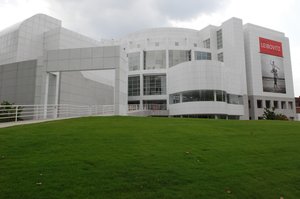
· High Museum of Art, अटलांटा

The Red/Blue Chair is perhaps the most influential and recognizable furniture design of the twentieth century because it redefined traditional notions of form and space within the confines of a practical household object. This design blurred the boundaries between painting, sculpture, and architecture. By reducing form to a series of planes and boundaries delineating space but not containing it, Rietveld erased the isolation of the object in space and gave…

वे संग्रहालय जहाँ गेरिट रितवेल्ड की मूल कृतियाँ रखी गई हैं

वे 2 संग्रहालय जिनमें इस पृष्ठ की सर्वाधिक पेंटिंग्स मौजूद हैं।

संग्रहालय शहर गेरिट रितवेल्ड की कृतियाँ इस सूची की पेंटिंग्स
Centraal Museum, उट्रेचCentraal Museum उट्रेच 2 O Haupt voll Blut und Wunden, Portrait of Anthonie Begeer (1856-1910)
High Museum of Art, अटलांटाHigh Museum of Art अटलांटा 1 Red/Blue Chair (Rood Blauwe Stoel)

गेरिट रितवेल्ड वर्ष दर वर्ष: वे मूल कृतियाँ जो प्रत्येक वर्ष को परिभाषित करती हैं

1910 से 1911 तक, मात्र 2 वर्षों के इस चयन में गेरिट रितवेल्ड की सभी कालजयी कृतियाँ शामिल हैं: यहाँ प्रत्येक वर्ष का सर्वश्रेष्ठ रूप प्रस्तुत है।

वर्षानुसार कृतियाँ

मूल कृतियों को देखने के लिए एक वर्ष चुनें।

गेरिट रितवेल्ड की पेंटिंग्स के बारे में संग्रहकर्ताओं के प्रश्न

गेरिट रितवेल्ड किस कृति के लिए सबसे अधिक प्रसिद्ध हैं?उत्तर देखें

O Haupt voll Blut und Wunden (1911), Centraal Museum, उट्रेच. इसके बाद Portrait of Anthonie Begeer (1856-1910) (1910) और Red/Blue Chair (Rood Blauwe Stoel) आते हैं।

O Haupt voll Blut und Wunden के निर्माण के समय गेरिट रितवेल्ड की आयु क्या थी?उत्तर देखें

23 वर्ष की आयु: O Haupt voll Blut und Wunden 1911 का है, और गेरिट रितवेल्ड का जन्म 1888 में हुआ था।

गेरिट रितवेल्ड ने कितनी पेंटिंगें छोड़ीं?उत्तर देखें

हमारे कैटलॉग में गेरिट रितवेल्ड की 3 कृतियाँ हैं, जो 1910 से 1911 तक की हैं।

गेरिट रितवेल्ड की उत्कृष्ट कृतियाँ किन संग्रहालयों में प्रदर्शित हैं?उत्तर देखें

अधिकतर Centraal Museum (उट्रेच) और High Museum of Art (अटलांटा) में। ऊपर दी गई संग्रहालय तालिका में उन सभी की सूची दी गई है।

गेरिट रितवेल्ड की पहली और आखिरी प्रसिद्ध मूल कृतियाँ कौन सी हैं?उत्तर देखें

इस पृष्ठ पर, सबसे पुरानी कृति Portrait of Anthonie Begeer (1856-1910) (1910) है और नवीनतम O Haupt voll Blut und Wunden (1911) है।

Centraal Museum में गेरिट रितवेल्ड की कौन सी कृतियाँ प्रदर्शित हैं?उत्तर देखें

O Haupt voll Blut und Wunden और Portrait of Anthonie Begeer (1856-1910): Centraal Museum, उट्रेच में इस पृष्ठ पर मौजूद कृतियों में से 2 मौजूद हैं।

गेरिट रितवेल्ड: जीवन और कार्य

The Artisan's Lineage and the Birth of Modernity

In the heart of Utrecht, where the scent of fresh sawdust and the rhythmic strike of a mallet once defined the daily rhythm, Gerrit Thomas Rietveld began his journey. Born in 1888 to a master joiner, his early years were steeped in the tactile language of wood and the disciplined precision of craftsmanship. This foundational intimacy with material was not merely a childhood memory but the very bedrock upon which he would later build a revolution. Before he ever sought to deconstruct form into abstract planes, Rietveld mastered the physical reality of the joint and the grain, honing his technical skills through night school and professional draughtsmanship. This marriage of manual dexterity and academic rigor allowed him to translate the most complex, abstract concepts into tangible, structural realities.

The Geometry of Spirit: De Stijl and the Red/Blue Chair

As the twentieth century unfolded, a radical new vision began to coalesce, one that sought to strip away the ornamental excesses of the past in favor of a pure, elemental truth. Rietveld emerged as a vital protagonist in the De Stijl movement, a group of visionaries who believed that art could be reduced to its most fundamental components: horizontal and vertical lines, and the primary triad of red, blue, and yellow. His 1917 creation, the Red/Blue Chair, stands as a profound manifesto in three dimensions. It is not merely furniture; it is a sculptural intersection of planes that defies the traditional weight of an object. By utilizing cantilevered elements and bold, primary colors, Rietveld transformed a functional household item into a dynamic exploration of space, where the boundaries between painting, sculpture, and architecture began to dissolve.

Architectural Fluidity and a Lasting Legacy

Rietveld’s ambitions eventually transcended the confines of the workshop, spilling into the very structures that house human life. His architectural masterpiece, the Rietveld Schröder House, remains one of the most radical expressions of modern living ever conceived. In this Utrecht landmark, he abandoned the static, enclosed room in favor of a fluid, metamorphic environment. Through the ingenious use of sliding walls and open planes, he created a space that could breathe and change, mirroring the dynamism of the modern age. This vision of functionalism—where beauty is found in clarity, structure, and the honest expression of form—has left an indelible mark on the history of design. From his interactions with the Bauhaus to his enduring influence on geometric abstraction, Rietveld’s legacy continues to resonate, reminding us that true innovation lies in the courage to see the world through its most essential, unadorned lines.