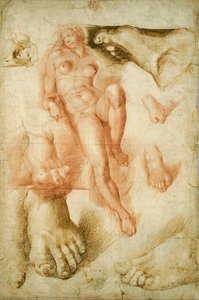
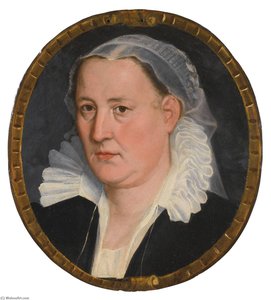
Bartolomeo Passarotti का चित्र

56 सबसे प्रसिद्ध Bartolomeo Passarotti पेंटिंग्स, एक गैलरी चयन

अक्टूबर 2026 में अपडेट किया गया · हमारे लोकप्रियता स्कोर (प्रत्येक कृति के लिए खोज, विज़िट और ऑर्डर) के आधार पर रैंक किया गया · 59 कृतियाँ Bartolomeo Passarotti की हमारे कैटलॉग में

संक्षेप में

Bartolomeo Passarotti द्वारा छोड़ी गई सभी मूल कृतियों में से, सबसे प्रसिद्ध Portrait of an old woman (1582) है, जो वियना के कुन्स्टहिस्टोरिशेश म्यूज़ियम के संग्रह में है। इसके ठीक बाद The Anatomy Lesson (1550) और Family Portrait (1585) का स्थान आता है। हमारे कैटलॉग में Bartolomeo Passarotti की 59 कृतियाँ हैं; गैलरी ने उन 56 कृतियों को सहेज कर रखा है जिन्हें दुनिया सबसे अधिक पसंद करती है, जिनमें से प्रत्येक को उनकी तिथि, उनके संग्रहालय और उनकी कहानी के साथ प्रदर्शित किया गया है।

1529 – 1592, Bologna Renaissance सर्वाधिक कृतियाँ: Museo del Prado

Bartolomeo Passarotti की शीर्ष 10 पेंटिंग: गैलरी का चयन

2
The Anatomy Lesson (1550) द्वारा Bartolomeo Passarotti

The Anatomy Lesson

The oil painting titled The Anatomy Lesson brings us into a crowded, intense moment of scholarly inquiry. Created by Bartolomeo Passarotti, this work captures a dramatic academic demonstration. The scene centers on an open human body, laid out for study. A professor, dressed in ecclesiastical attire, leads the lesson. He directs the attention of a group of listeners who gather closely to witness the unfolding dissection. The body rests above…

3
Family Portrait (1585) द्वारा Bartolomeo Passarotti

Family Portrait

In this vertical composition from around 1585, we find ourselves in the presence of three generations, brought together in a quiet, somber arrangement. The painting depicts an older widow seated with a grown son standing behind her, while a small child stands before them. There is a certain stillness to the grouping, a sense of social hierarchy expressed through their physical placement and stoic expressions. The figures are tightly clustered…

6
Saint Jerome (1550) द्वारा Bartolomeo Passarotti

Saint Jerome

1550 · Oil On Canvas · National Gallery of Ireland, डबलिन सिटी

A muscular, semi-nude ascetic occupies the center of a rugged landscape. His skin, a stark white against the warm ochre and tan of the earth, catches a sharp light that carves out the heavy anatomy of his torso. He is a figure of monumental presence, positioned vertically to command the space. Deep shadows cling to the contours of his muscles, creating a sense of three-dimensional volume that feels heavy and…

7
The Fishmongers (1550) द्वारा Bartolomeo Passarotti

The Fishmongers

1550 · Oil On Canvas

The air in the scene feels heavy with the scent of salt and wet scales. A dense crowd gathers around a bounty of seafood, their bodies pressed close in a crowded, intimate space. An older man with a grey beard anchors the composition, his presence steady amidst the movement. Beside him, a younger man opens his mouth in a wide, theatrical expression, while a child looks upward, eyes searching the…

8
Self-portrait (1560) द्वारा Bartolomeo Passarotti

Self-portrait

1560 · Oil On Panel

The oil painting on panel presents a tightly framed view of Bartolomeo Passerotti, focusing on his face and upper torso. The subject is positioned in a one-point perspective, directing the viewer's gaze toward his features. A dark color palette dominates the work, utilizing shades of brown, black, and muted green. Light enters the scene to create strong contrasts, sculpting the musculature of the face and the folds of the garment.…

9
Portrait of a Scribe (1560) द्वारा Bartolomeo Passarotti

Portrait of a Scribe

1560 · Oil On Canvas

In this 1560 oil on canvas, we find ourselves in the private, silent world of a scholar. The subject, a man engaged in the act of writing, is seated at a desk, his presence defined by a sense of focused intellectualism. There is a certain stillness here, a moment captured where the only sound is the scratching of a quill against parchment. The composition is centered and formal, drawing the…

10
Three Men with Two Dogs (1550) द्वारा Bartolomeo Passarotti

Three Men with Two Dogs

1550 · Oil On Canvas

The composition centers on three men positioned in a tight, intimate arrangement. A central figure holds a glass containing a reddish liquid, acting as the focal point of the group. To his side, another man appears to play a flute, while the third man engages with the others in a shared social moment. Two dogs are integrated into the lower portion of the frame, their forms resting near their human…

Bartolomeo Passarotti का चयन जारी है, 11 से 56 तक

11Portrait of the Physician Carlo Fontana (1570) द्वारा Bartolomeo PassarottiPortrait of the Physician Carlo Fontana1570 · Museum of Fine Arts Ghent (MSK) 12Portrait of Pope Pius V (1579) द्वारा Bartolomeo PassarottiPortrait of Pope Pius V1579 13Portrait of a Young General (1575) द्वारा Bartolomeo PassarottiPortrait of a Young General1575 14Pope Gregory XIII (1580) द्वारा Bartolomeo PassarottiPope Gregory XIII1580 · Gemäldegalerie 15Portrait of a Man (1580) द्वारा Bartolomeo PassarottiPortrait of a Man1580 · हार्वर्ड कला संग्रहालय 16Poultry dealer (1580) द्वारा Bartolomeo PassarottiPoultry dealer1580 · Fondazione di Studi di Storia dell'Arte Roberto Longhi 17Blood of the Redeemer द्वारा Bartolomeo PassarottiBlood of the Redeemerम्यूजियम ऑफ फाइन आर्ट्स 18Portrait of Ignazio Danti (1597) द्वारा Bartolomeo PassarottiPortrait of Ignazio Danti1597 · Musée Des Beaux 19Portrait of a Man Playing a Lute (1576) द्वारा Bartolomeo PassarottiPortrait of a Man Playing a Lute1576 · म्यूजियम ऑफ फाइन आर्ट्स 20Copy after Michelangelo (1550) द्वारा Bartolomeo PassarottiCopy after Michelangelo1550 · नेल्सन-एटकिंस म्यूजियम ऑफ आर्ट 21DIANE CHASSERESSE द्वारा Bartolomeo PassarottiDIANE CHASSERESSEलुव्र संग्रहालय 22The Holy Family with St Elizabeth and the Infant St John the Baptist (1572) द्वारा Bartolomeo PassarottiThe Holy Family with St Elizabeth and the Infant St John the Baptist1572 23Portrait of a Young Man Holding a Statuette (1575) द्वारा Bartolomeo PassarottiPortrait of a Young Man Holding a Statuette1575 24Portrait of a Man with a Dog (detail) (1585) द्वारा Bartolomeo PassarottiPortrait of a Man with a Dog (detail)1585 · Pinacoteca Capitolina 25The Fishmonger's Shop (1580) द्वारा Bartolomeo PassarottiThe Fishmonger's Shop1580 · गैलेरिया नाज़ीयोंल द आर्ट एंतेका 26Portrait of a Man with a Dog (1585) द्वारा Bartolomeo PassarottiPortrait of a Man with a Dog1585 · Pinacoteca Capitolina 27Study of Male Nudes Fighting (1572) द्वारा Bartolomeo PassarottiStudy of Male Nudes Fighting1572 28Perseus frees Andromeda (1575) द्वारा Bartolomeo PassarottiPerseus frees Andromeda1575 29Family portrait द्वारा Bartolomeo PassarottiFamily portraitGemäldegalerie Alte Meister 30Saint John Baptist, Saint Jerome and Saint Francis of Assisi द्वारा Bartolomeo PassarottiSaint John Baptist, Saint Jerome and Saint Francis of AssisiMusée Des Beaux 31Lute palyer द्वारा Bartolomeo PassarottiLute palyer 32Portrait d'homme en armure द्वारा Bartolomeo PassarottiPortrait d'homme en armure 33A Butchery (1575) द्वारा Bartolomeo PassarottiA Butchery1575 · गैलेरिया नाज़ीयोंल द आर्ट एंतेका 34Male Nude (1550) द्वारा Bartolomeo PassarottiMale Nude1550 · Museo del Prado 35Copy of a Statue with A Female Nude From Back (1550) द्वारा Bartolomeo PassarottiCopy of a Statue with A Female Nude From Back1550 · Museo del Prado 36Lucretia's Suicide (1550) द्वारा Bartolomeo PassarottiLucretia's Suicide1550 37Portrait of a Botanist (Ulisse Aldrovandi.) (1570) द्वारा Bartolomeo PassarottiPortrait of a Botanist (Ulisse Aldrovandi.)1570 · गैलरी स्पडा 38Portrait of Pope Pius V (1566) द्वारा Bartolomeo PassarottiPortrait of Pope Pius V1566 · Walters Art Museum 39Portrait of a Lady with a Dog (1569) द्वारा Bartolomeo PassarottiPortrait of a Lady with a Dog1569 40Double Portrait of Musicians (1579) द्वारा Bartolomeo PassarottiDouble Portrait of Musicians1579 · Capitoline Museums 41Double Dressed Portrait of Circe and Ulysses (1575) द्वारा Bartolomeo PassarottiDouble Dressed Portrait of Circe and Ulysses1575 42Copy of the Good Thief, From the Last Judgement of Michelangelo (1570) द्वारा Bartolomeo PassarottiCopy of the Good Thief, From the Last Judgement of Michelangelo1570 · Museo del Prado 43The Holy Family Accompained by an Angel and two Saints (1565) द्वारा Bartolomeo PassarottiThe Holy Family Accompained by an Angel and two Saints1565 · Museo del Prado 44Portrait of a Gentleman (1580) द्वारा Bartolomeo PassarottiPortrait of a Gentleman1580 45Nude Studies (1580) द्वारा Bartolomeo PassarottiNude Studies1580 46Portrait of a Cavalier with his Hunting Dogs (1580) द्वारा Bartolomeo PassarottiPortrait of a Cavalier with his Hunting Dogs1580 · Rhode Island School of Design Museum of Art 47The Coronation of the Virgin with Saints Luke, Dominic, and John the Evangelist (1580) द्वारा Bartolomeo PassarottiThe Coronation of the Virgin with Saints Luke, Dominic, and John the Evangelist1580 · Art Gallery of South Australia 48St. Dominicus and the Albigensians (1580) द्वारा Bartolomeo PassarottiSt. Dominicus and the Albigensians1580 · Pinacoteca Nazionale di Bologna 49Domenico Giuliani and His Servant द्वारा Bartolomeo PassarottiDomenico Giuliani and His Servant 50Portrait of an Old Woman द्वारा Bartolomeo PassarottiPortrait of an Old Woman 51A Group of Six Men, Including a Self Portrait द्वारा Bartolomeo PassarottiA Group of Six Men, Including a Self Portrait 52Portrait of a lady, head and shoulders द्वारा Bartolomeo PassarottiPortrait of a lady, head and shouldersBavarian State Painting Collections 53Portrait of an Unknown Soldier in Armour द्वारा Bartolomeo PassarottiPortrait of an Unknown Soldier in ArmourNational Trust 54Holy Family with the Infant St John the Baptist and St Catherine of Alexandria द्वारा Bartolomeo PassarottiHoly Family with the Infant St John the Baptist and St Catherine of AlexandriaChristian Museum 55Two market women and a boy with chicken and vegetables द्वारा Bartolomeo PassarottiTwo market women and a boy with chicken and vegetablesGemäldegalerie 56The Butcher's Shop (1580) द्वारा Bartolomeo PassarottiThe Butcher's Shop1580 · गैलेरिया नाज़ीयोंल द आर्ट एंतेका

Bartolomeo Passarotti की प्रसिद्ध पेंटिंग्स, कालखंड के अनुसार

वे विषय जिन्होंने Bartolomeo Passarotti का मन मोह लिया

इन मूल कृतियों में बार-बार आने वाले चार विषय, जिनमें से प्रत्येक का सबसे उत्कृष्ट उदाहरण यहाँ प्रस्तुत है।

वे संग्रहालय जहाँ Bartolomeo Passarotti की मूल कृतियाँ रखी गई हैं

वे 8 संग्रहालय जिनमें इस पृष्ठ की सर्वाधिक पेंटिंग्स मौजूद हैं।

संग्रहालय शहर Bartolomeo Passarotti की कृतियाँ इस सूची की पेंटिंग्स
Museo del Prado, मैड्रिडMuseo del Prado मैड्रिड 4 Male Nude, Copy of a Statue with A Female Nude From Back, Copy of the Good Thief, From the Last Judgement of Michelangelo
कुन्स्टहिस्टोरिशेश म्यूज़ियम, वियनाकुन्स्टहिस्टोरिशेश म्यूज़ियम वियना 3 Portrait of an old woman, Family Portrait, Portrait of the physician Carlo Fontana
गैलेरिया नाज़ीयोंल द आर्ट एंतेका, रोमगैलेरिया नाज़ीयोंल द आर्ट एंतेका रोम 3 The Fishmonger's Shop, A Butchery, The Butcher's Shop
Bavarian State Painting Collections, म्यूनिखBavarian State Painting Collections म्यूनिख 2 Portrait of a Man, Portrait of a lady, head and shoulders
म्यूजियम ऑफ फाइन आर्ट्स, बोस्टनम्यूजियम ऑफ फाइन आर्ट्स बोस्टन 2 Blood of the Redeemer, Portrait of a Man Playing a Lute
Pinacoteca Capitolina, रोमPinacoteca Capitolina रोम 2 Portrait of a Man with a Dog (detail), Portrait of a Man with a Dog
गैलरिया बोर्गेस, रोमगैलरिया बोर्गेस रोम 1 The Anatomy Lesson
National Gallery of Ireland, डबलिन सिटीNational Gallery of Ireland डबलिन सिटी 1 Saint Jerome

Bartolomeo Passarotti दशक दर दशक: प्रत्येक को परिभाषित करने वाली मूल कृतियाँ

दशकवार कृतियाँ

उस दशक को चुनें जो उसकी पहचान है और उसकी मूल कृतियाँ देखें।

Bartolomeo Passarotti की पेंटिंग्स के बारे में संग्रहकर्ताओं के प्रश्न

Bartolomeo Passarotti किस कृति के लिए सबसे अधिक प्रसिद्ध हैं?उत्तर देखें

Portrait of an old woman (1582), कुन्स्टहिस्टोरिशेश म्यूज़ियम, वियना. इसके बाद The Anatomy Lesson (1550) और Family Portrait (1585) आते हैं।

Portrait of an old woman के निर्माण के समय Bartolomeo Passarotti की आयु क्या थी?उत्तर देखें

53 वर्ष की आयु: Portrait of an old woman 1582 का है, और Bartolomeo Passarotti का जन्म 1529 में हुआ था।

Bartolomeo Passarotti की दस सबसे प्रसिद्ध पेंटिंग्स कौन सी हैं?उत्तर देखें

Portrait of an old woman, The Anatomy Lesson, Family Portrait, Portrait of the physician Carlo Fontana, Portrait of a Man, Saint Jerome, The Fishmongers, Self-portrait, Portrait of a Scribe और Three Men with Two Dogs। ऊपर दी गई रैंकिंग में प्रत्येक का वर्ष और संग्रहालय दिया गया है।

Bartolomeo Passarotti ने कितनी पेंटिंगें छोड़ीं?उत्तर देखें

हमारे कैटलॉग में Bartolomeo Passarotti की 59 कृतियाँ हैं, जो 1550 से 1585 तक की हैं।

Bartolomeo Passarotti की उत्कृष्ट कृतियाँ किन संग्रहालयों में प्रदर्शित हैं?उत्तर देखें

अधिकतर Museo del Prado (मैड्रिड), कुन्स्टहिस्टोरिशेश म्यूज़ियम (वियना) और गैलेरिया नाज़ीयोंल द आर्ट एंतेका (रोम) में। ऊपर दी गई संग्रहालय तालिका में उन सभी की सूची दी गई है।

Bartolomeo Passarotti ने अपने सबसे प्रसिद्ध कार्यों की रचना किन वर्षों में की थी?उत्तर देखें

1580s में: इस पृष्ठ पर मौजूद 56 कृतियों में से 15 उस समय बनाई गई थीं, जिनमें से Portrait of an old woman इनमें से हैं।

Bartolomeo Passarotti की पहली और आखिरी प्रसिद्ध मूल कृतियाँ कौन सी हैं?उत्तर देखें

इस पृष्ठ पर, सबसे पुरानी कृति The Anatomy Lesson (1550) है और नवीनतम Family Portrait (1585) है।

Bartolomeo Passarotti ने सबसे अधिक बार किन विषयों को चुना?उत्तर देखें

इस पृष्ठ पर 56 कृतियों में Man (15), Beard (7) और Book (6)

Bartolomeo Passarotti ने किस तकनीक का सबसे अधिक उपयोग किया?उत्तर देखें

इस पृष्ठ पर मौजूद 56 कृतियों में से 15 के लिए Oil On Canvas।

Bartolomeo Passarotti किस कला आंदोलन (art movement) से संबंधित हैं?उत्तर देखें

इस पृष्ठ पर मूल कृतियों को देखते हुए, Renaissance और Mannerism।

Museo del Prado में Bartolomeo Passarotti की कौन सी कृतियाँ प्रदर्शित हैं?उत्तर देखें

Male Nude, Copy of a Statue with A Female Nude From Back और Copy of the Good Thief, From the Last Judgement of Michelangelo: Museo del Prado, मैड्रिड में इस पृष्ठ पर मौजूद कृतियों में से 4 मौजूद हैं।

Bartolomeo Passarotti: जीवन और कार्य

The Bolognese Master of Mannerist Splendor

In the vibrant, shifting landscape of the late sixteenth century, few artists captured the transition from the structured elegance of the High Renaissance to the dramatic intensity of the Baroque as skillfully as Bartolomeo Passarotti. Born in Bologna in 1529, Passarotti emerged not merely as a painter, but as a pivotal bridge between eras. His early years were defined by a profound immersion in the Roman art scene, where between 1550 and 1555, he sought the guidance of masters such as Giacomo Barozzi da Vignola and Taddeo Zuccari. This period of Roman training was transformative; it instilled in him a deep reverence for classical antiquity and the humanist principles of anatomical precision and balanced composition, even as he began to experiment with the more elongated and complex forms that would define the Mannerist movement.

Upon his return to his native Bologna, Passarotti did not merely settle into local practice; he established a formidable artistic powerhouse. His studio became a crucible of innovation, attracting a generation of talent that would eventually reshape European art. Among his most notable pupils were Agostino Carracci, Lucio Massari, and Francesco Brizzi—artists who would carry the seeds of his stylistic experimentation into the burgeoning Baroque era. This legacy of mentorship ensured that Passarotti’s influence extended far beyond the walls of his own workshop, as his approach to light, texture, and subject matter permeated the very fabric of the Bolognese school.

A Tapestry of Genre and Drama

Passarotti’s oeuvre is celebrated for its remarkable versatility, ranging from the divine to the deeply terrestrial. He possessed a unique ability to navigate between grand religious altarpiements and intimate, often gritty, genre scenes. His work often features a striking use of chiaroscuro, utilizing stark contrasts between light and shadow to imbue his subjects with a sense of psychological depth and physical presence. This technique, which prefigured the dramatic lighting later perfected by Caravaggio, allowed him to breathe life into both mythological figures and everyday laborers.

In his genre paintings, Passarotti displayed an extraordinary eye for detail and a fascination with the textures of daily existence. Works such as The Butcher's Shop (1580) serve as captivating windows into the late Renaissance world, showcasing a masterful command of warm tones and a realistic depiction of communal life. Similarly, his ability to render the divine is evident in pieces like Diane Chasseresse, where the Roman goddess of the hunt is captured with a dynamic, muscular grace that embodies the very essence of Mannerist energy. Whether depicting the quiet solitude of a Lute Player or the solemnity of religious devotion, his brushwork consistently sought to capture the fleeting tension between the ideal and the real.

Legacy and Historical Significance

While history sometimes overlooks Passarotti in favor of more revolutionary figures like Michelangelo, his importance to the evolution of Italian art is undeniable. He was a master of transition, an artist who understood how to honor the classical past while simultaneously preparing the ground for the emotional turbulence of the next century. His later works, influenced by Tuscan models such as Giorgio Vasari and Prospero Fontana, demonstrate a continuous evolution and an enduring curiosity about the changing tides of aesthetic taste.

The historical significance of Bartolomeo Passarotti lies in his role as a foundational figure for the Carracci Academy and the broader Bolognese tradition. His life’s work—a blend of meticulous anatomical study, dramatic lighting, and a profound interest in the human condition—remains a testament to the enduring power of Mannerism. Through his studio, his pupils, and his evocative canvases, Passarotti ensured that the spirit of Bologna would remain at the heart of the European artistic dialogue for generations to come.