

Informations clés
- Works on APS: 1
- Location: Münster, Deutschland
- Alternate names:
- Westfälischer Kunstverein
- Association artistique westphalienne
- LWL Museum Münster
- Featured artists: ludger tom ring
Quiz d'art
Chaque question ne comporte qu'une seule réponse correcte.
Question 1:
Quel est le domaine artistique principal de la collection du Westfälischer Kunstverein ?
Question 2:
Quand l'Association Artistique de Westphalie a-t-elle été fondée ?
Question 3:
Les bâtiments du musée reflètent un mélange de styles architecturaux historiques et modernes. Quel est cet élément particulier ?
Question 4:
Quelle tradition artistique représente la collection du Westfälischer Kunstverein en matière de peinture médiévale ?
Question 5:
Avec quelle institution le Westfälischer Kunstverein collabore-t-il pour offrir une expérience artistique diversifiée aux visiteurs ?
Artistes de la collection

ludger tom ring
Explore the art of Ludger Tom Ring, a 16th-century German painter famed for his Sibyl tableaux & portraits. Discover his work from Münster & beyond!

Articles connexes
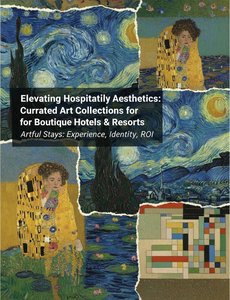
Sublimer l'Hospitalité : Collections d'Art Curatées pour Hôtels de Charme et Stations Balnéaires – Impact sur l'Expérience Client et la Perception du Luxe
Sublimez votre hôtel avec une collection d'art sur mesure ! Conseils d'experts, reproductions de qualité et solutions pour créer une expérience client inoubliable. Valorisez votre établissement et attirez une clientèle exigeante.

Proto-Renaissance : 10 Chefs-d'œuvre Révolutionnaires pour une Décoration d'Exception
Plongez au cœur de la Proto-Renaissance avec OriginalUniqueArt.com ! Découvrez 10 chefs-d'œuvre intemporels de Giotto, Cimabue et autres maîtres italiens. Retables gothiques, fresques émouvantes… Trouvez l’inspiration déco & achetez des reproductions d'art exceptionnelles. Explorez la collection sur OriginalUniqueArt
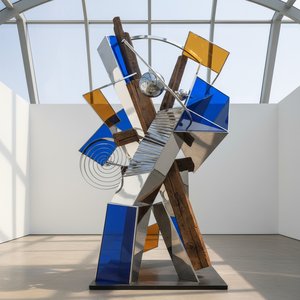
Hiro Yamagata: Abstraction, Materiality & Spatial Dynamics in Contemporary Sculpture
Explore the captivating world of Hiro Yamagata’s innovative sculptures & paintings. Discover his pioneering use of laser technology, immersive installations, and abstract forms – a must-read for discerning art collectors.


Abonnez-vous à notre newsletter
Restez informé(e) des dernières actualités artistiques, des offres exclusives et des idées de décoration.
Recevez 3 suggestions d'œuvres d'art gratuites
Parlez-nous de votre projet et nos experts en art vous proposeront 3 suggestions d'œuvres personnalisées.
Not Sure Where to Start?
Let Us Curate 3 Options Just for You - Free!